Color recognition Social Studies Worksheets for Ages 3-4
4 filtered results
-
From - To
Explore our engaging Color Recognition Social Studies Worksheets designed for children aged 3-4! These activity sheets combine early learning with essential social concepts, allowing young learners to discover the vibrant world around them. Through fun exercises, kids will explore colors while developing critical thinking skills and making connections to their surroundings and cultures. Perfect for home or classroom use, our worksheets encourage creativity and enhance color vocabulary. As children differentiate and identify colors, they’ll also engage in social concepts, fostering an understanding of community and diversity. Start your child’s educational journey today with our captivating and colorful resources!

Happy Diwali Printable
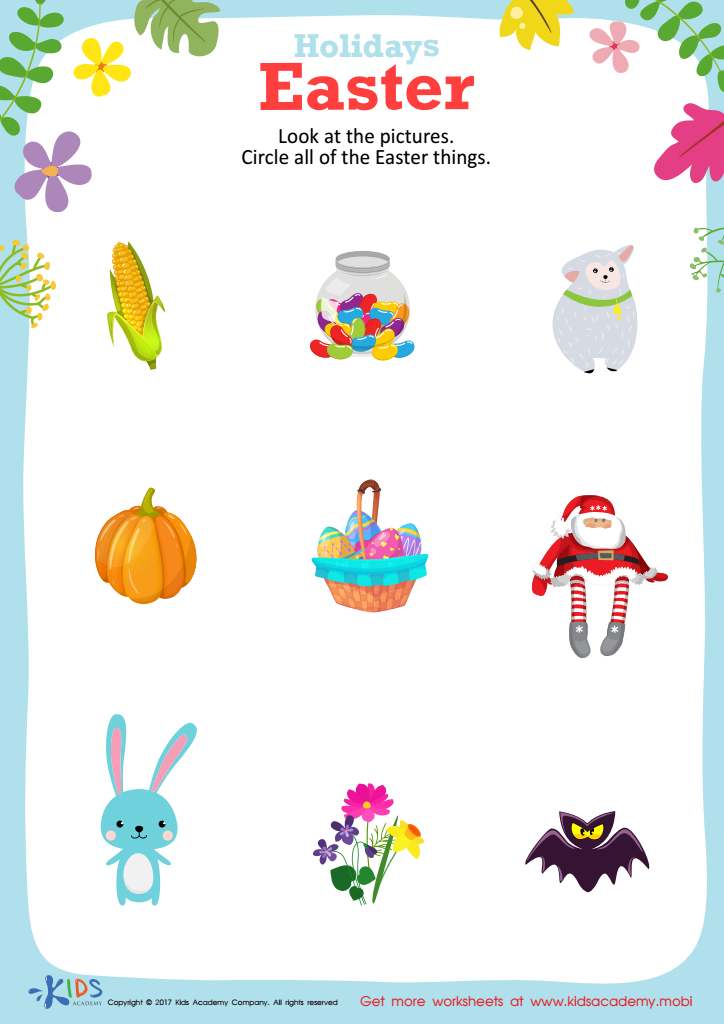
Easter Holiday Printable


Globe Coloring Page Worksheet
 Assign to My Students








Color recognition is a fundamental aspect of early childhood development that significantly impacts a child's learning and socialization skills. For parents and teachers working with toddlers aged 3 to 4, teaching color recognition plays an essential role in building a strong foundation for various educational domains, including Social Studies.
Firstly, understanding colors enhances cognitive development. By associating colors with objects and emotions, children become more adept at identifying and expressing themselves. This skill is crucial as they begin to explore their surroundings and engage with diverse communities.
Moreover, color recognition aids in language development. As children learn to label colors, they expand their vocabulary, enabling them to communicate more effectively. This language proficiency is essential for social interaction and understanding social norms.
In the context of Social Studies, recognizing colors helps children identify and appreciate cultural diversity, as different colors often have distinct meanings in various cultures. By incorporating color-themed activities within social studies lessons, teachers can foster conversations about inclusivity, empathy, and respect for differences among their peers.
Overall, nurturing color recognition in early childhood lays the groundwork for holistic development, enhancing not just academic skills, but also fostering emotional intelligence and social awareness essential for lifelong learning.