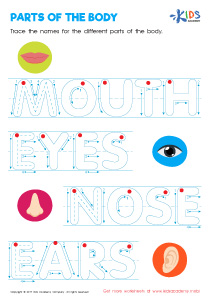
Counting skills World Around Us Worksheets for Ages 3-4
5 filtered results
-
From - To
Explore our “Counting Skills World Around Us Worksheets” designed specifically for ages 3-4! These engaging, interactive worksheets introduce young learners to essential counting concepts through fun themes related to their everyday environment. Each activity promotes number recognition, one-to-one correspondence, and early arithmetic skills, making learning a delightful adventure. With colorful graphics and age-appropriate challenges, your child will develop confidence and enthusiasm for math. Perfect for home or classroom use, our worksheets foster imaginative exploration and meaningful connections to the world around them. Get started today to support your child's counting journey and watch them thrive in these foundational skills!
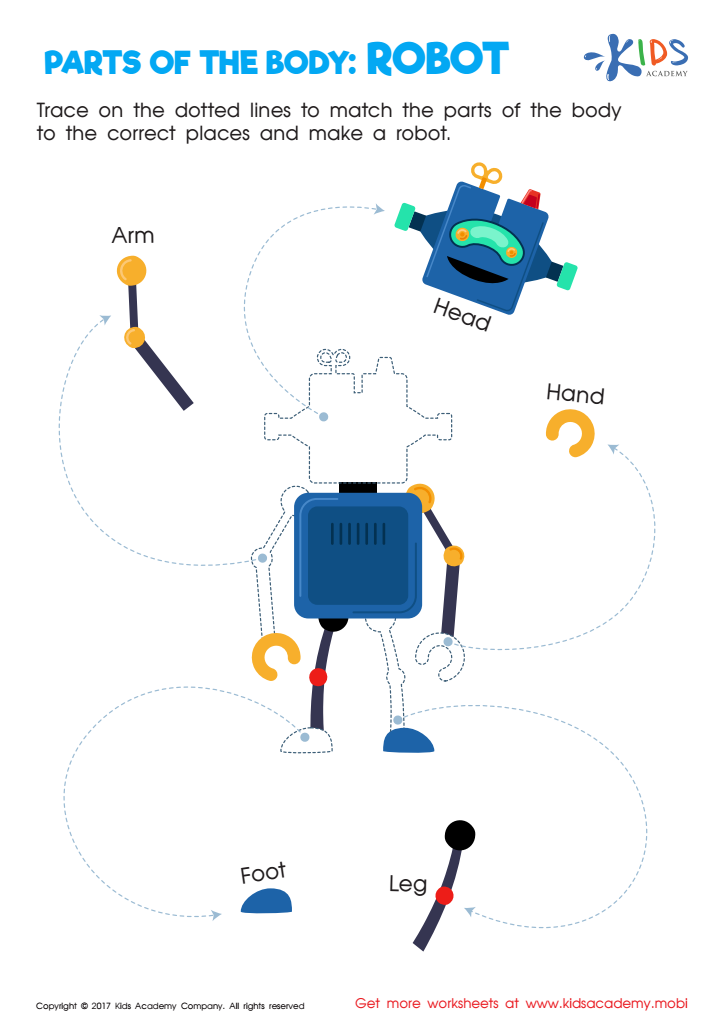
Robot Printable
 Assign to My Students
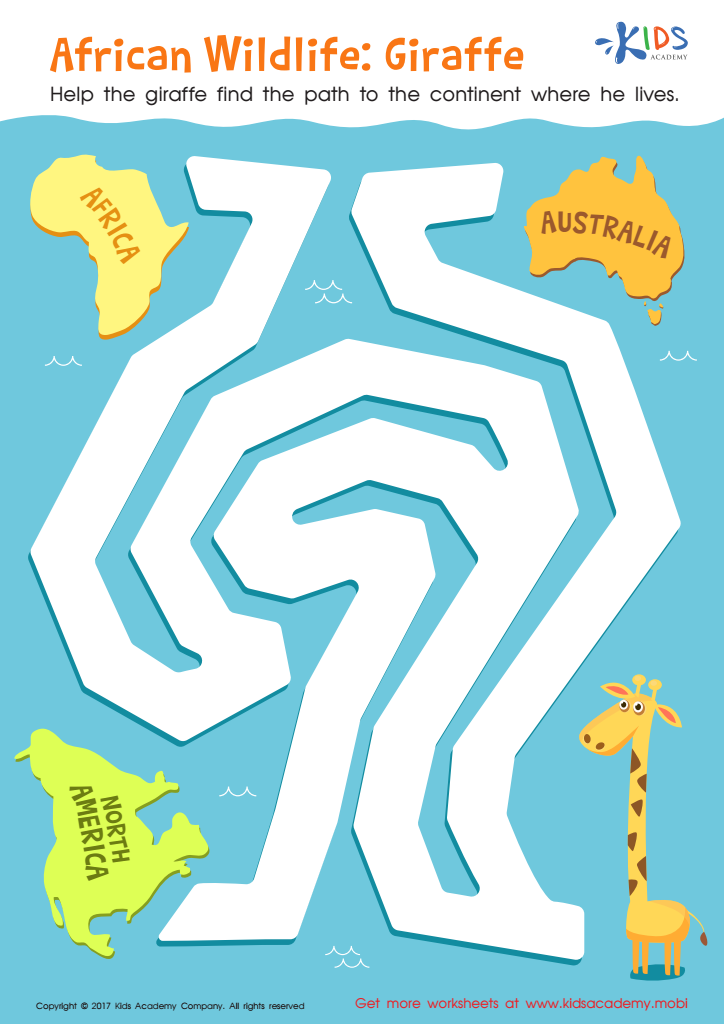
African Wildlife: Giraffe Worksheet
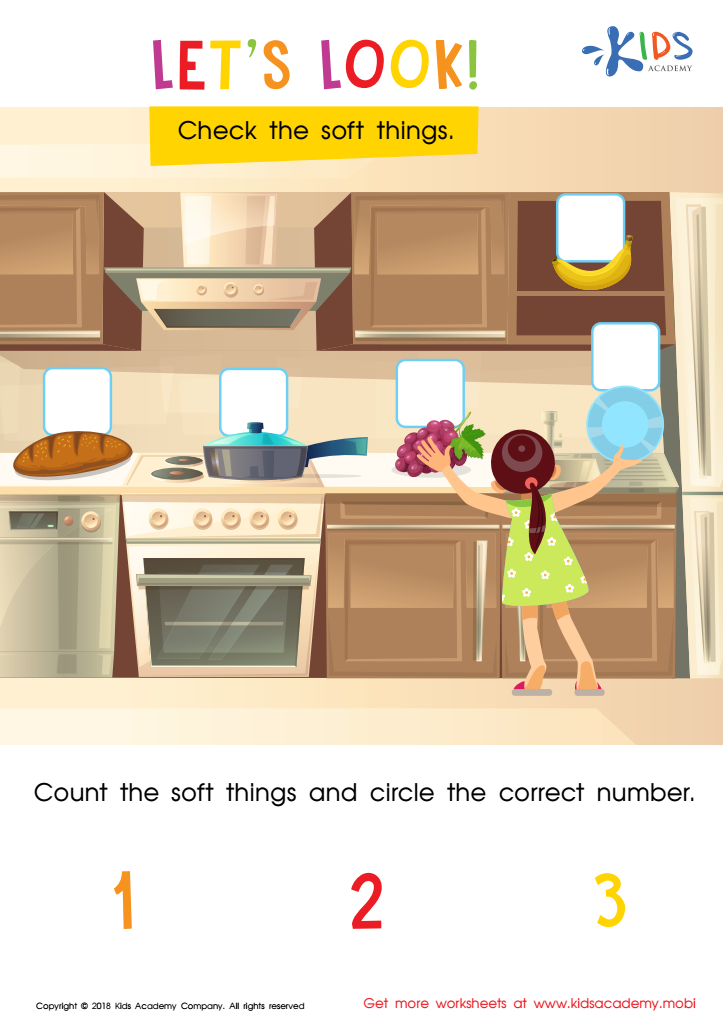
Let's Look! Assessment Worksheet
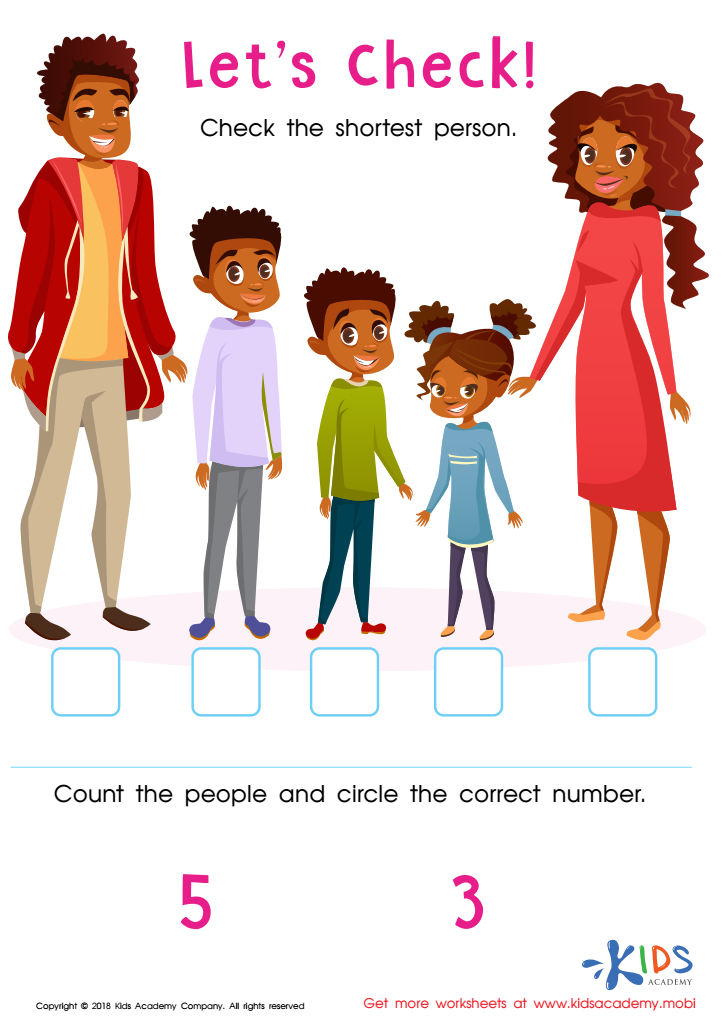
Let's Check! Assessment Worksheet
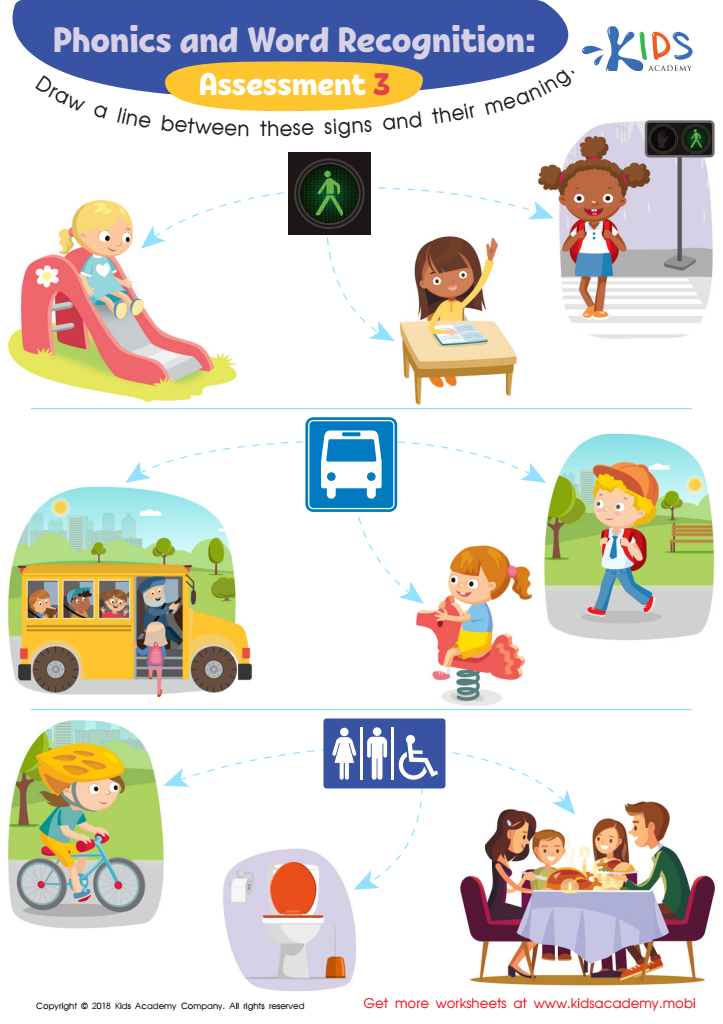
Phonological Awareness: Assessment 3 ELA Worksheet








Counting skills are foundational in early childhood education, especially for children aged 3-4. Parents and teachers should prioritize these skills because they serve as the building blocks for cognitive development and future academic success. Recognizing numbers and understanding quantity helps young children develop critical thinking and problem-solving skills.
When parents and teachers engage children in counting activities, they cultivate a sense of curiosity about the world around them. Counting provides a practical way for children to connect abstract concepts with their everyday experiences, whether it’s counting toys, snacks, or steps during play. This engagement boosts their confidence and encourages a positive attitude towards learning.
Moreover, mastering counting skills prepares children for subjects like mathematics and science later in their education. Early exposure to counting enhances numeracy, paving the way for more complex skills such as addition, subtraction, and number operations.
Lastly, counting activities foster social interaction and language development as children discuss numbers and quantities with peers and adults. Hence, by emphasizing counting skills, parents and teachers contribute to holistic development that encompasses emotional, social, and intellectual growth, ensuring children are well-prepared for their future educational journeys.