Problem-Solving Skills World Around Us Worksheets for Ages 3-4
8 filtered results
-
From - To
Our "Problem-Solving Skills World Around Us Worksheets for Ages 3-4" uniquely harness the natural curiosity of young learners to develop essential critical thinking skills. Designed to captivate and educate, these engaging worksheets introduce children to problem-solving through fun, everyday scenarios. Each activity stimulates cognitive development, encouraging tots to think outside the box as they interact with the world around them. Perfect for 3-4 year olds, these worksheets offer a blend of entertaining puzzles and real-world problems that foster observational skills, reasoning, and decision-making in a playful learning environment. Ignite your child's problem-solving prowess today!
 Assign to My Students
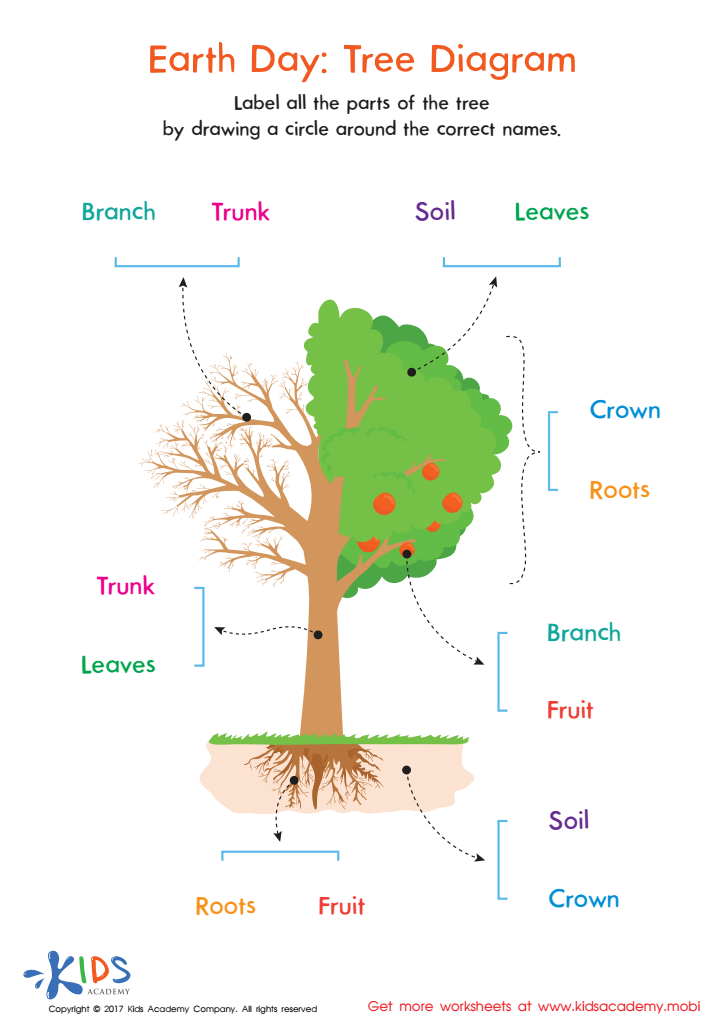
Earth Day: Tree Diagram Worksheet
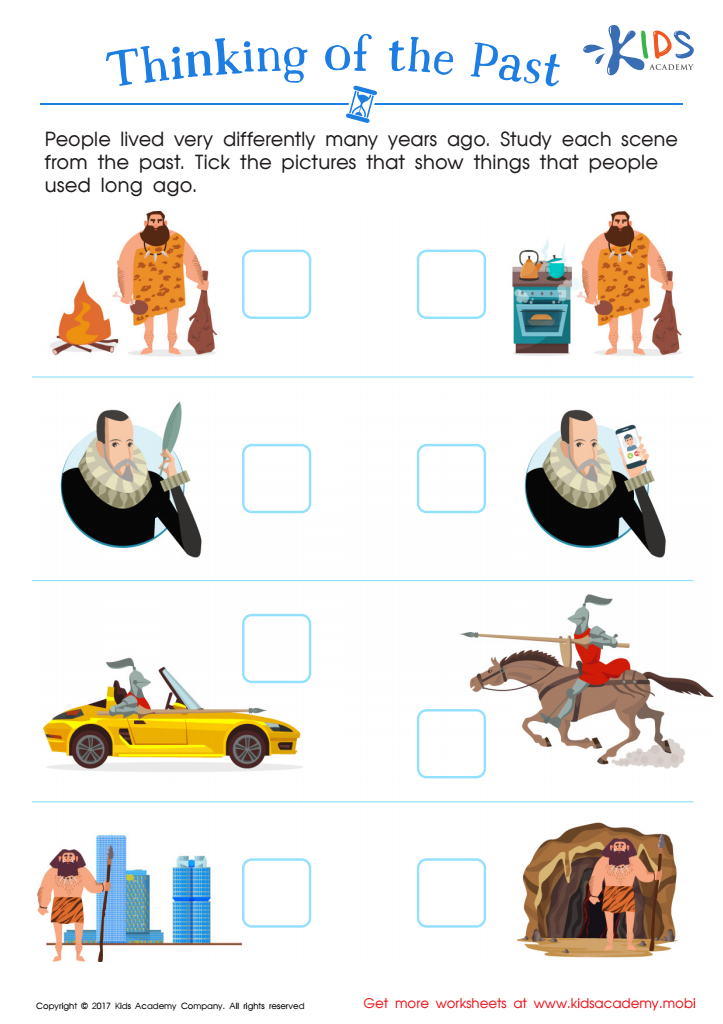
Thinking Past Printable
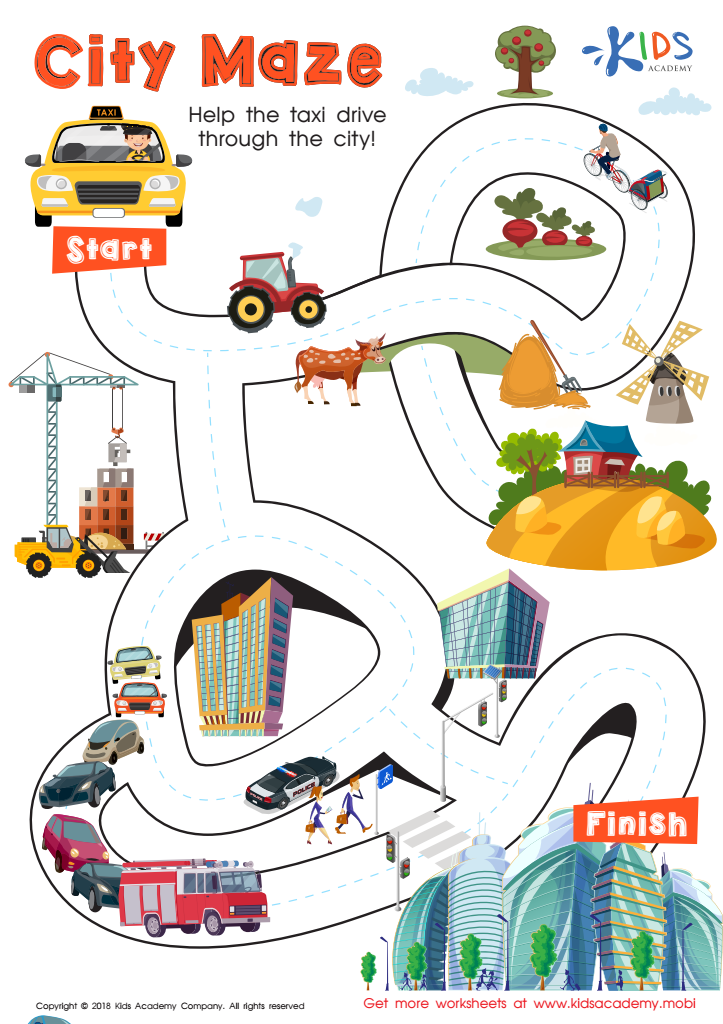
City Maze Worksheet
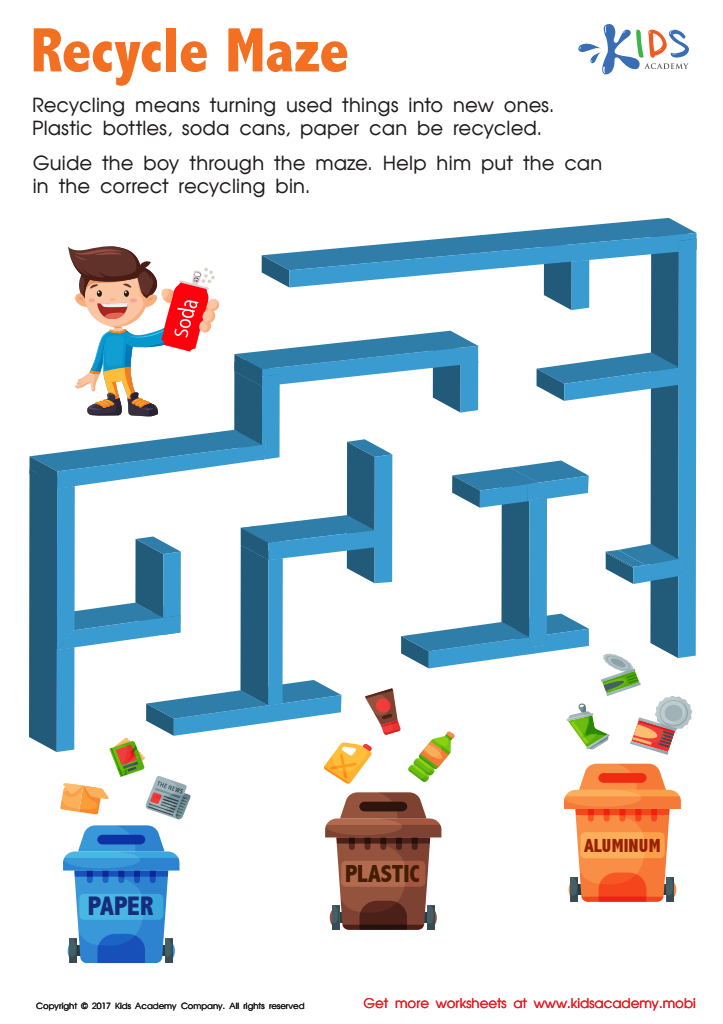
Recycle Maze Worksheet
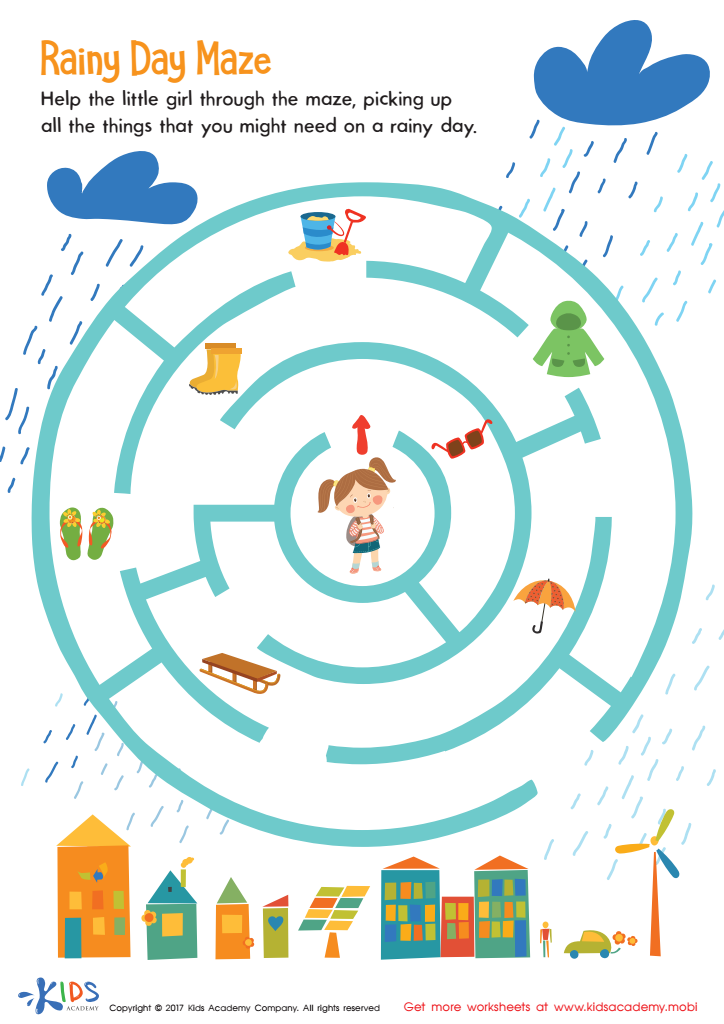
Rainy Day Maze Worksheet
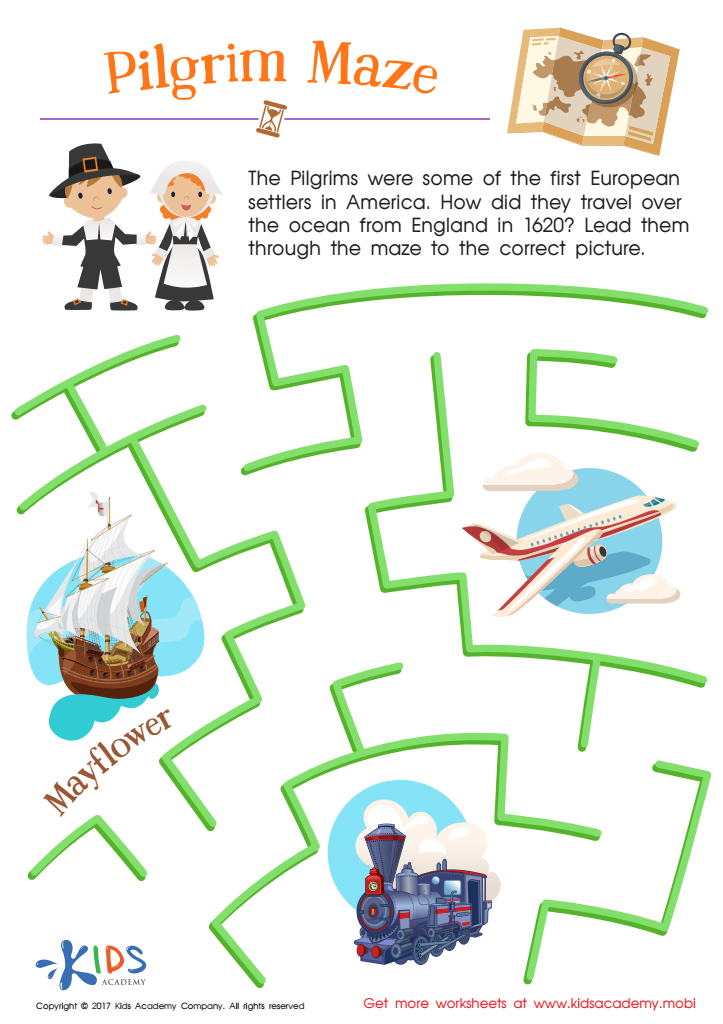
Pilgrim Maze Worksheet








Problem-solving skills are foundational capacities that equip young children to navigate their world effectively. For children ages 3-4, fostering these skills is particularly crucial as their brains are developing rapidly, absorbing and organizing information at an astonishing rate. Parents and teachers play a critical role in nurturing these abilities by providing opportunities that encourage curiosity, experimentation, and exploration.
Investing in the development of problem-solving skills at this early age has several key benefits. First, it enhances cognitive development. When children are presented with challenges—whether through puzzles, structured play, or real-world scenarios—they learn to approach problems systematically, consider various outcomes, and find solutions. This sharpens their analytical thinking and decision-making abilities.
Additionally, strong problem-solving skills build resilience and independence. As children learn to tackle difficulties on their own, they gain confidence in their capabilities, fostering a sense of autonomy. This early competence prepares them for academic settings, promoting a positive attitude toward learning and persistence in the face of challenges.
Moreover, these skills are not confined to academic success alone; they are critical for social and emotional development. When children encounter and resolve social conflicts, they develop empathy, negotiation skills, and patience.
Therefore, by prioritizing problem-solving skills, parents and teachers set the foundation for lifelong learning, adaptability, and emotional intelligence in young children.