Vocabulary enhancement Writing Worksheets for Ages 3-4 - Page 2
27 filtered results
-
From - To
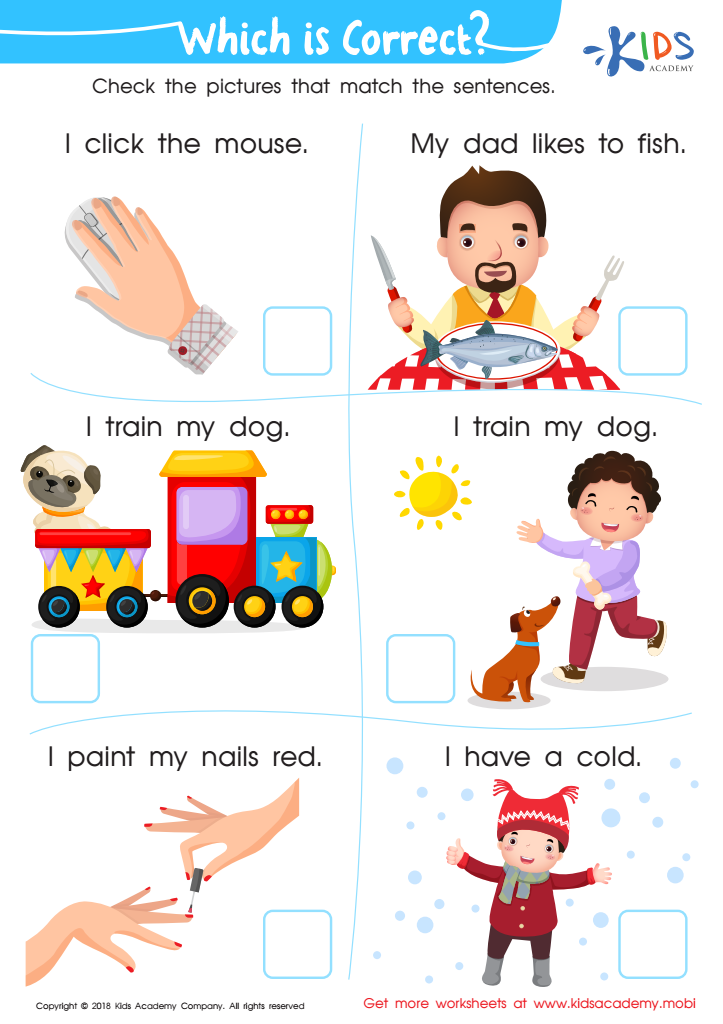
Which Is Correct? Worksheet
 Assign to My Students
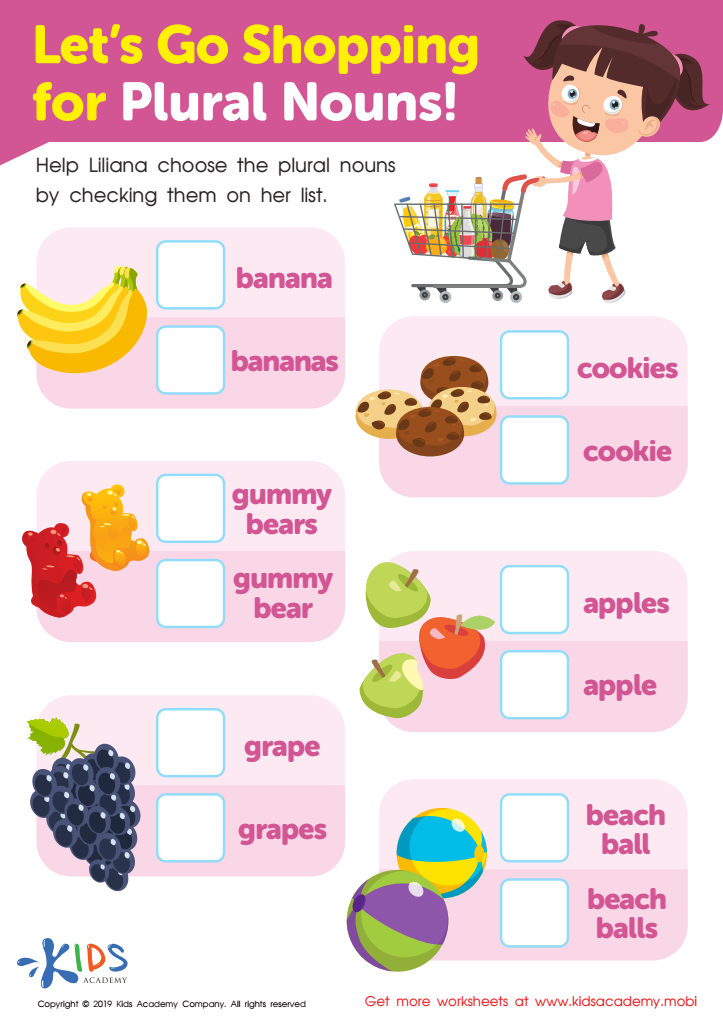
Let's Go Shopping for Plural Nouns! Worksheet
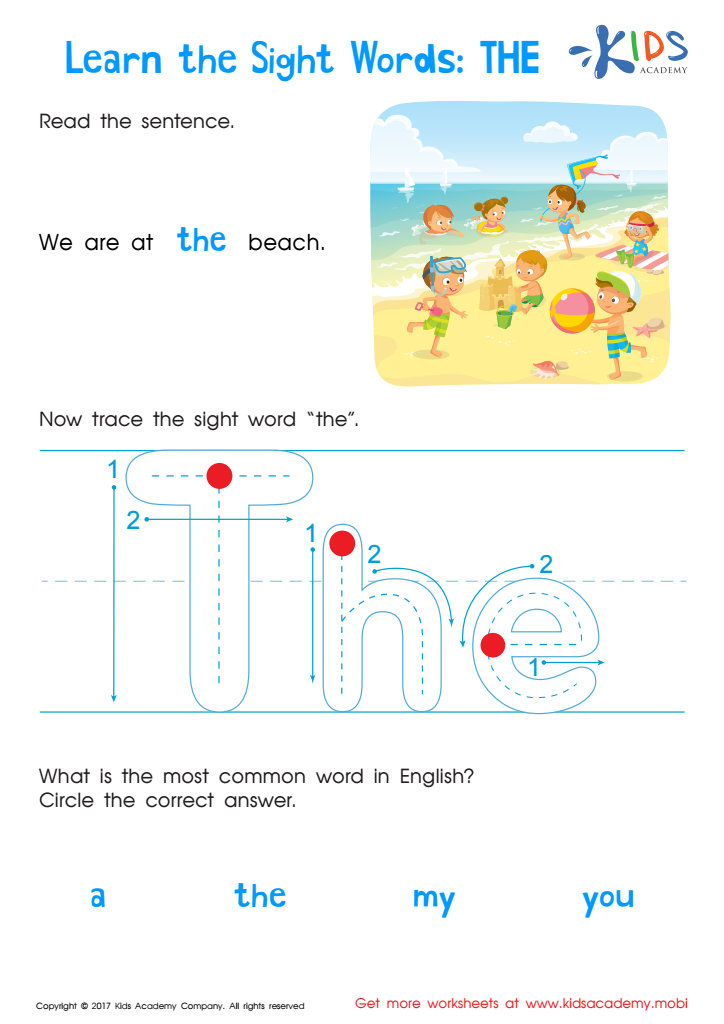
Sight Words: The Worksheet







Vocabulary enhancement for children ages 3-4 is crucial for several reasons. At this early stage, children's brains are developing rapidly, and exposure to a rich vocabulary significantly impacts their cognitive growth. Expanding their vocabulary enables them to express ideas more clearly, facilitating better communication with peers and adults. This foundational skill sets the groundwork for future academic success, as a robust vocabulary is linked to improved reading comprehension and writing abilities.
Furthermore, enhancing vocabulary at this age supports social and emotional development. Children who can articulate their feelings and thoughts are better equipped to navigate social interactions and develop empathy towards others. Engaging rituals, such as reading together or playing word games, can transform learning into a fun and interactive experience, fostering a love for language that lasts a lifetime.
Additionally, vocabulary ties closely to cognitive skills, helping children categorize objects, understand relationships, and engage in higher-order thinking. Thus, both parents and teachers should invest in vocabulary enhancement strategies for these young learners, as the benefits extend well beyond language. Early interventions can lead to confident, articulate individuals who are prepared for the complexities of communication as they grow. Ultimately, vocabulary development lays a solid foundation for lifelong learning and relationship-building.








