Phonics skills development Alphabet Worksheets for Ages 3-5
5 filtered results
-
From - To
Enhance your child's literacy journey with our engaging Phonics Skills Development Alphabet Worksheets designed specifically for ages 3-5. These interactive worksheets aim to build essential phonemic awareness by combining fun activities with letter recognition, sound associations, and early reading skills. Perfect for home or classroom use, our resources promote hands-on learning while ensuring children grasp the foundational building blocks of language. With vibrant illustrations and playful exercises, your little learners will develop confidence in their reading abilities. Explore our collection today and watch as your child embarks on an exciting adventure in phonics learning! Ideal for nurturing a lifelong love of reading.
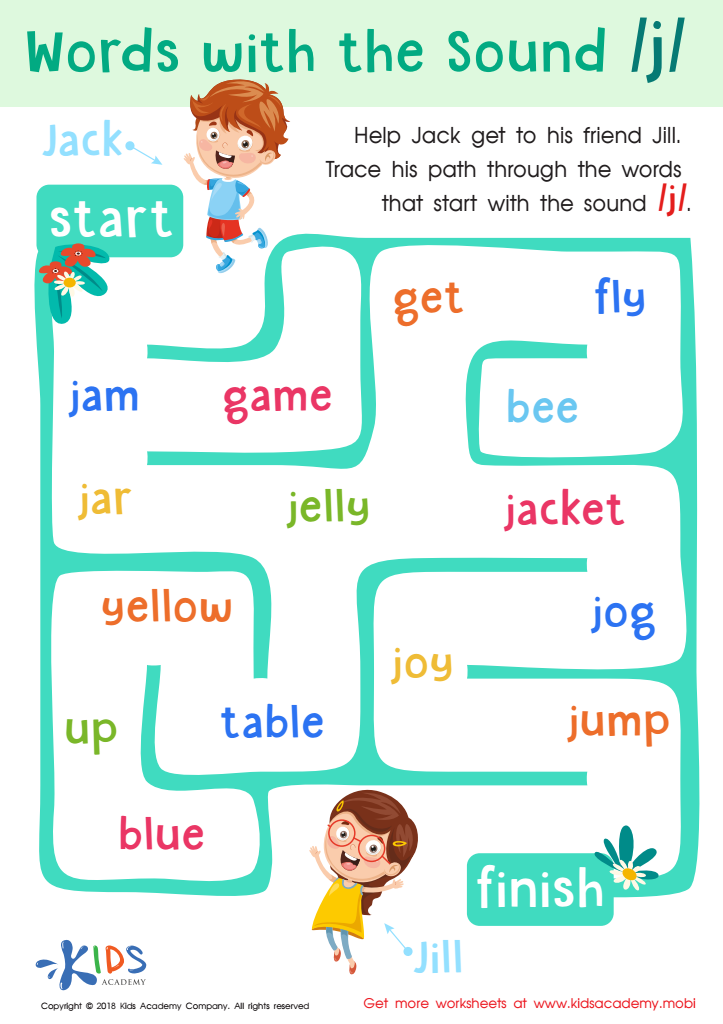
Words with sound j Reading Worksheet
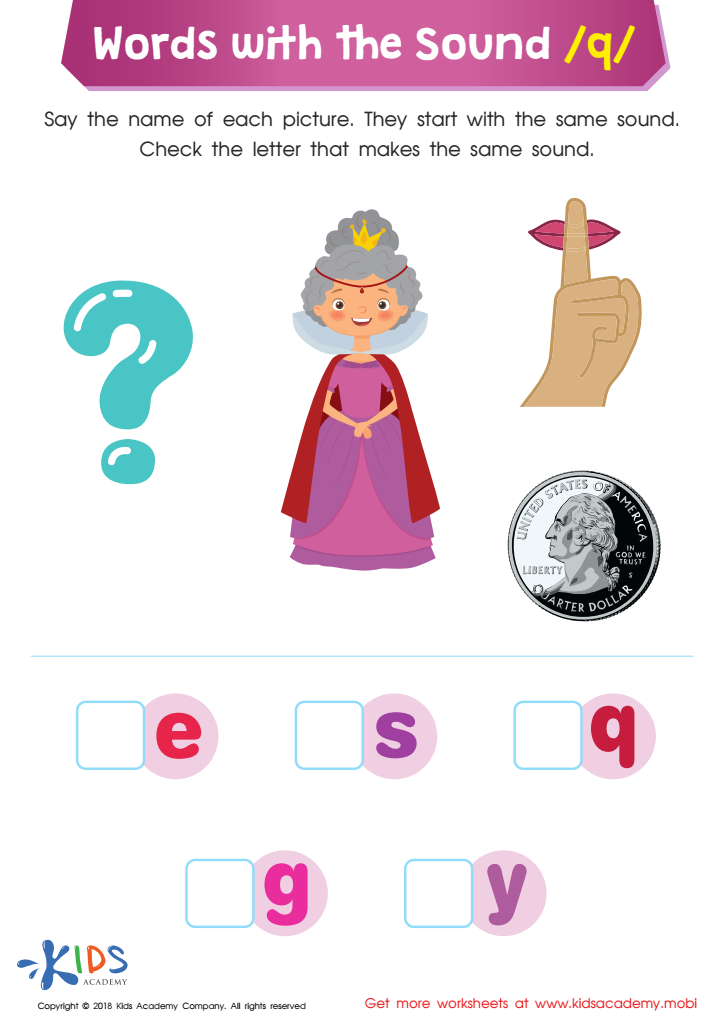
Words with Sound Q Reading Worksheet
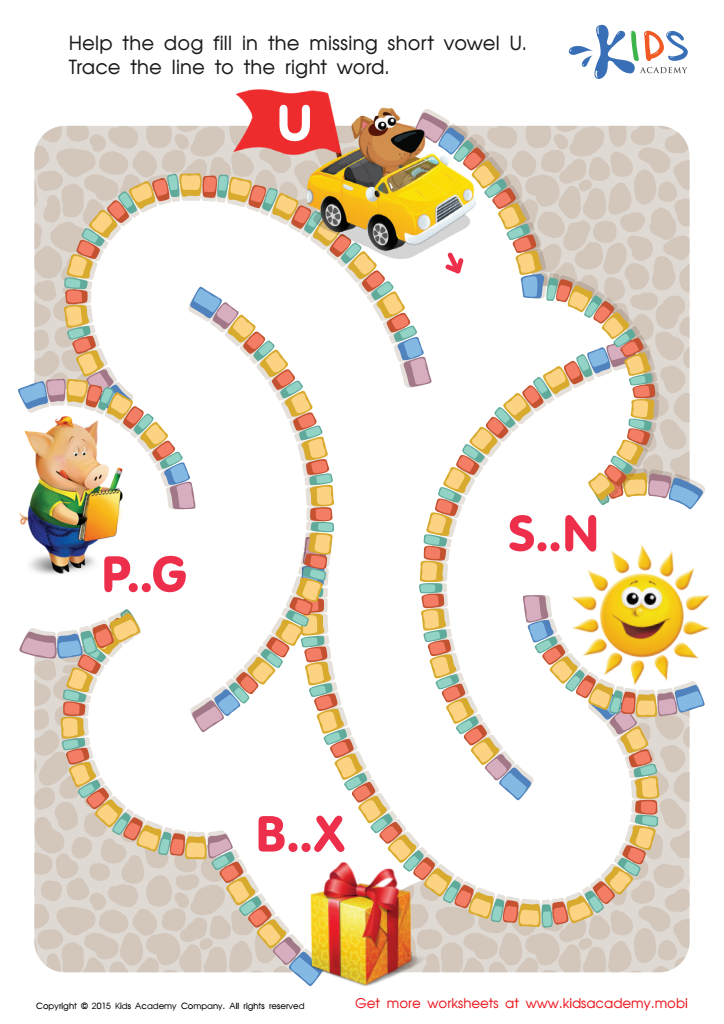
Short Vowel Sound U Worksheet
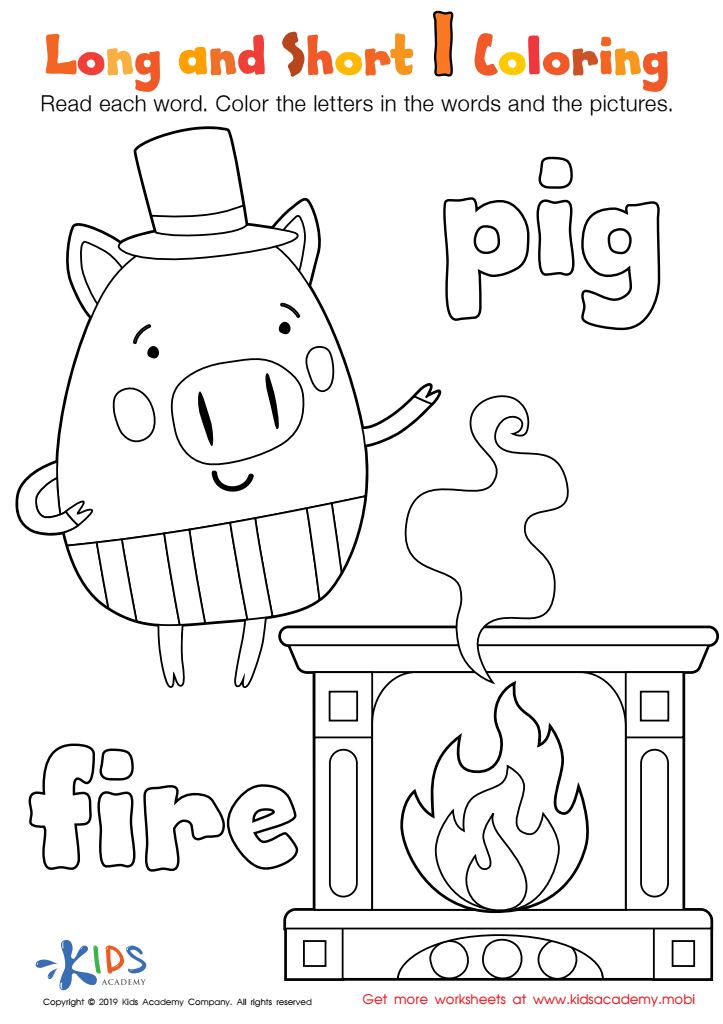
Long and Short I Worksheet
 Assign to My Students
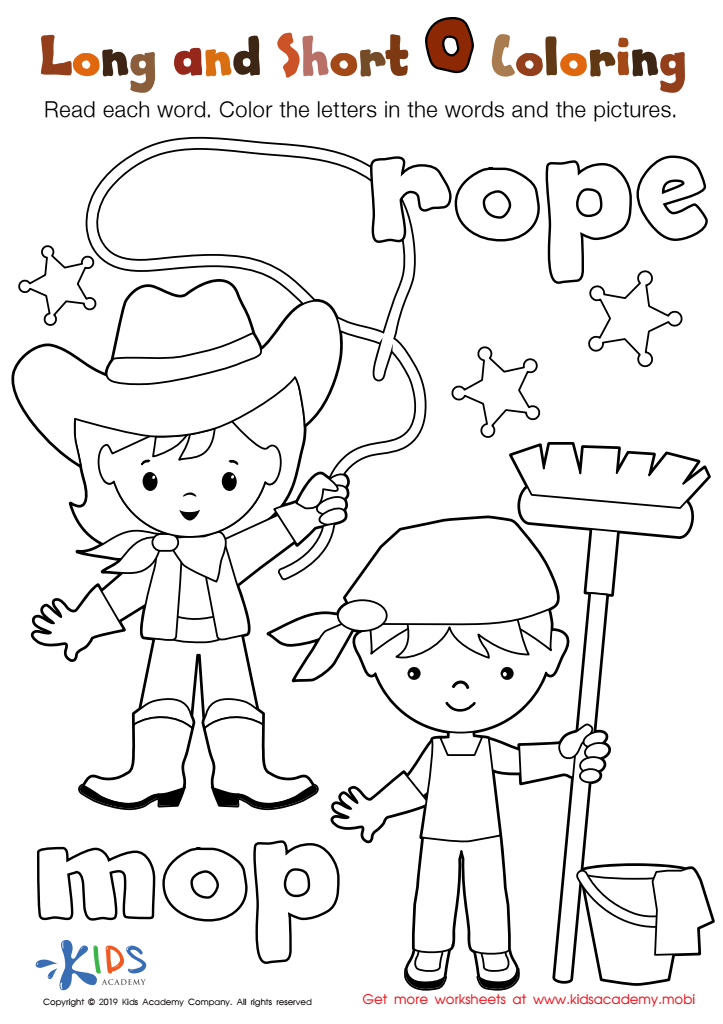
Long and Short O Worksheet
Assign to My Students







Phonics skills development is crucial for children aged 3-5, as it lays the foundation for reading and writing proficiency. Understanding phonics helps young learners connect letters with their corresponding sounds, enabling them to decode words more effectively. This early literacy skill not only enhances reading fluency but also fosters a love for reading, which is essential for lifelong learning.
Parents and teachers play a vital role in supporting phonics development. Instilling confidence through phonemic awareness activities, such as rhyming games, sound hunts, and interactive storytelling, can ignite a child's interest in language. When children are proficient in phonics, they are better equipped to tackle complex texts later on, which is essential for academic success.
Moreover, strong phonics skills contribute to cognitive development, enhancing a child's ability to communicate, think critically, and solve problems. This is particularly important in a rapidly evolving world where literacy is intertwined with success in virtually every field.
In essence, investing time and energy into phonics development during the early years not only boosts a child's academic trajectory but also enriches their overall development, promoting better social interactions and self-esteem. Therefore, prioritizing phonics skills should be a collective effort by parents and educators.







