Spelling practice Short Vowels Worksheets for Ages 3-5
4 filtered results
Difficulty Level
Grade
Age
-
From - To
Subject
Activity
Standards
Unlock your child's potential with our Spelling Practice Short Vowels Worksheets for ages 3-5! Expertly designed for early learners, these engaging resources will help your preschooler master the fundamentals of short vowel sounds. Our fun and interactive worksheets enhance spelling skills through lively illustrations and simple word exercises. Each worksheet aims to build confidence in young readers while keeping them entertained. Ideal for homeschooling or supplemental practice, these printables cater to beginner spellers. Dive into a world of learning today and watch your little one's literacy skills blossom with our thoughtfully crafted short vowels worksheets!
Favorites
With answer key
Interactive
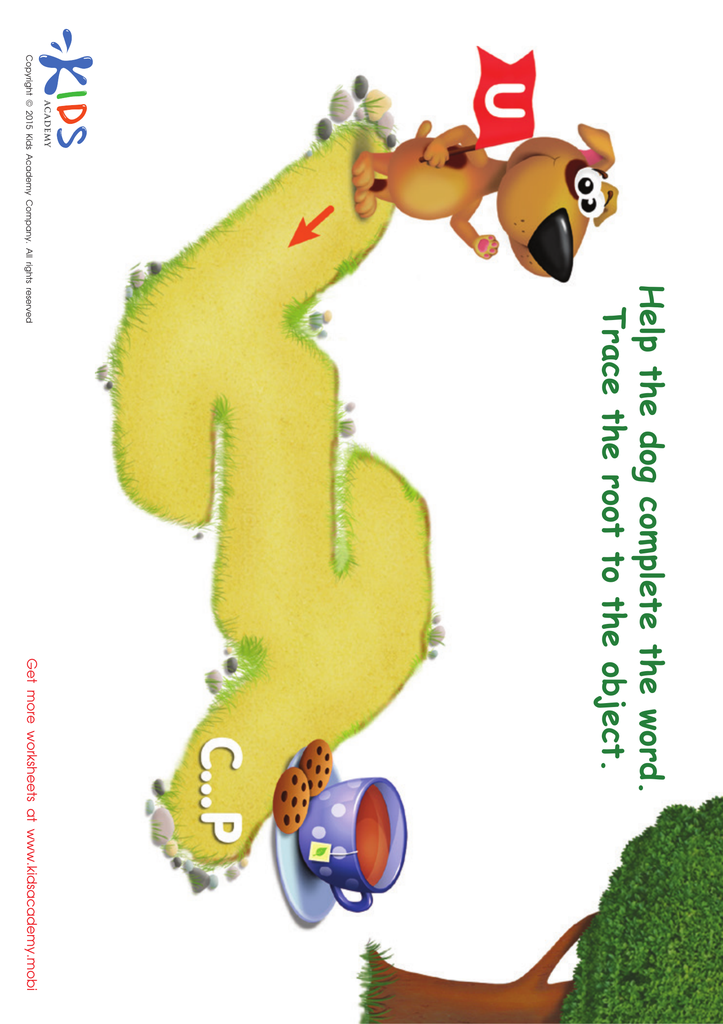
Short Vowel Sound U Worksheet Worksheet
Help your early reader join the adorable dog on his way to the cup of tea with cookies. This traceable worksheet reinforces the short -u sound and strengthens fine motor skills. Kids don't realize they are practicing reading skills while having fun!
Short Vowel Sound U Worksheet Worksheet
Worksheet
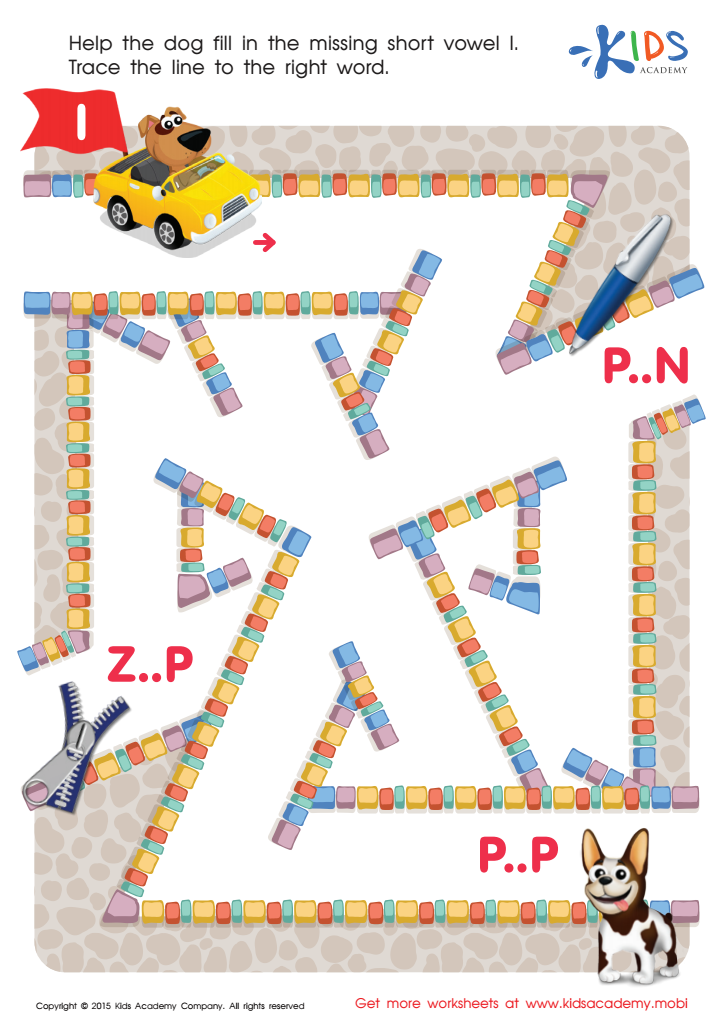
Short Vowel Sound I Worksheet
This free printable phonics worksheet will get your kid prepped for reading! It's a maze to help the dog complete the word “zip” with the missing letter I. Have your kid say the word aloud to learn the I sound. It's a great way to practice reading, writing and spelling skills. Check out here for more phonics worksheets!
 Assign to My Students
Short Vowel Sound I Worksheet
Worksheet
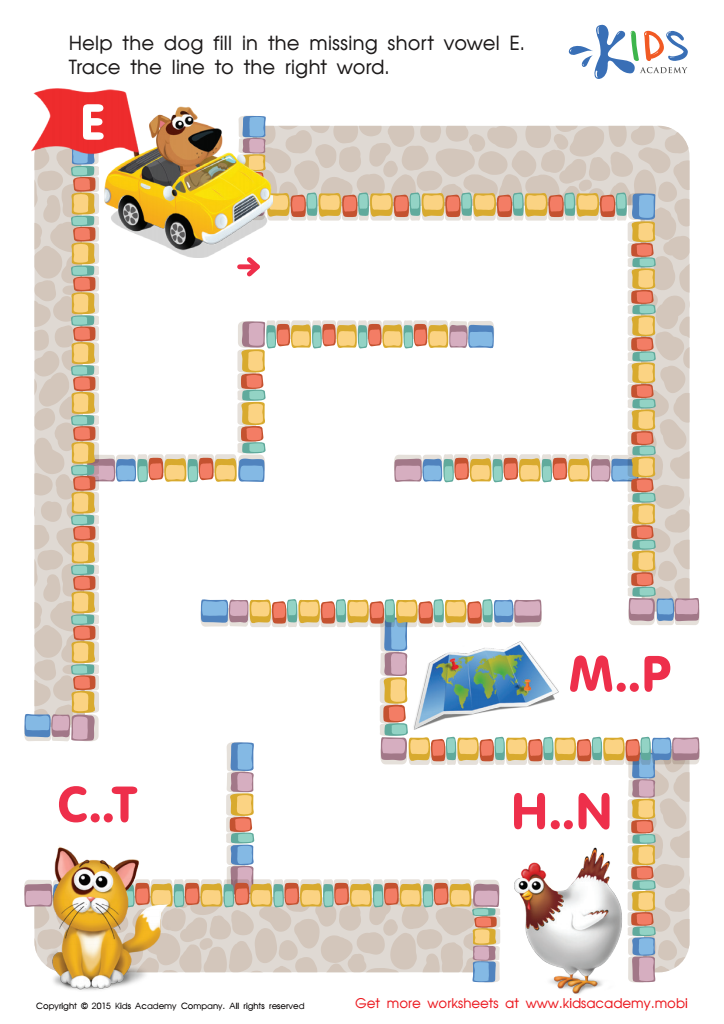
Short Vowel Sound E Worksheet
This free printable phonics worksheet helps kids learn the short vowel sound E. Kids need to help the dog complete the word “hen” by finding their way through a maze. It teaches kids to see the connection between letters and sounds and also strengthens their writing and spelling skills. Fun and educational, this phonics worksheet is great for kids. Want more? Check out here.
Short Vowel Sound E Worksheet
Worksheet
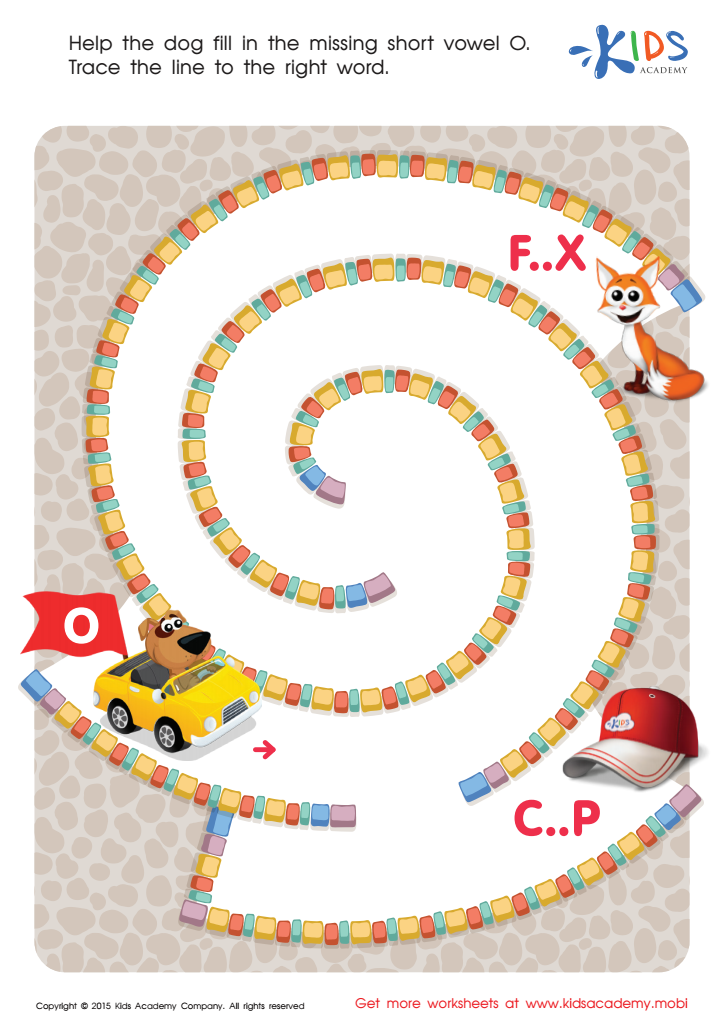
Short Vowel Sound O Worksheet
Help your child learn the short vowel sound O with this fun and free printable phonics worksheet! They'll need to complete the maze to help the dog finish the word "fox" with the missing letter O. Engage their fine motor muscles while they color or trace the maze with crayon or pencil. This educational activity is sure to bring a smile to your little learner's face! For more phonics worksheets, check here.
Short Vowel Sound O Worksheet
Worksheet
Join Kids Academy for Free
Who is primarily going to use this learning content?



Spelling practice with short vowels is crucial for children aged 3-5, laying the foundation for robust reading and writing skills. At this stage, children's brains are highly receptive to new information, and establishing a strong grasp of vowels can greatly influence their language development.
Short vowels, which are present in many simple words (e.g., "cat," "bed," "fin," "pot," "sun"), are the building blocks of both spoken and written English. Mastery of these sounds helps children decode words, enhancing their phonemic awareness—the ability to hear, identify, and manipulate phonemes—and phonics skills. This creates a direct pathway to fluent reading and effective spelling.
Spelling practice with short vowels also feeds into other developmental benefits. For young learners, it strengthens cognitive abilities such as memory and attention to detail. Engaging activities that teach spelling also promote fine motor skills, as children handle writing utensils, and support sequential learning, which is important for problem-solving and logical thinking.
Parents and teachers who prioritize this practice create a supportive learning environment and boost children’s self-confidence as emergent readers and writers. This early competency forms a foundational stepping stone for future academic success, fostering a positive relationship with learning from an early age.