Alphabet Recognition Upper & Lowercase Letters Worksheets for Ages 3-5
19 filtered results
-
From - To
Enhance your child's alphabet learning journey with our Alphabet Recognition Upper & Lowercase Letters Worksheets designed for ages 3-5. These engaging and educational printable worksheets help young learners differentiate between uppercase and lowercase letters, fostering early reading and writing skills. Each worksheet features fun and interactive exercises, like matching letters, tracing, and coloring, ensuring that learning remains enjoyable and stimulating. Crafted by education experts, these activities aim to build a strong foundation in letter recognition, supporting cognitive development and preparing toddlers for future classroom success. Explore a world of fun learning with our expertly designed alphabet worksheets today!
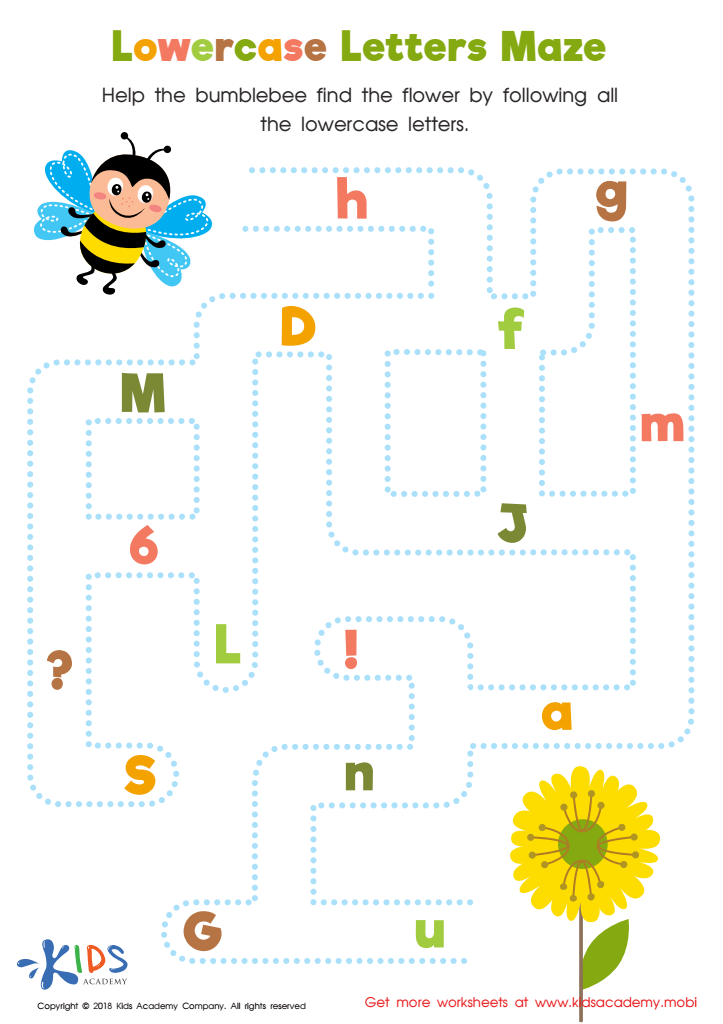
Lowercase Letters Maze Worksheet
 Assign to My Students
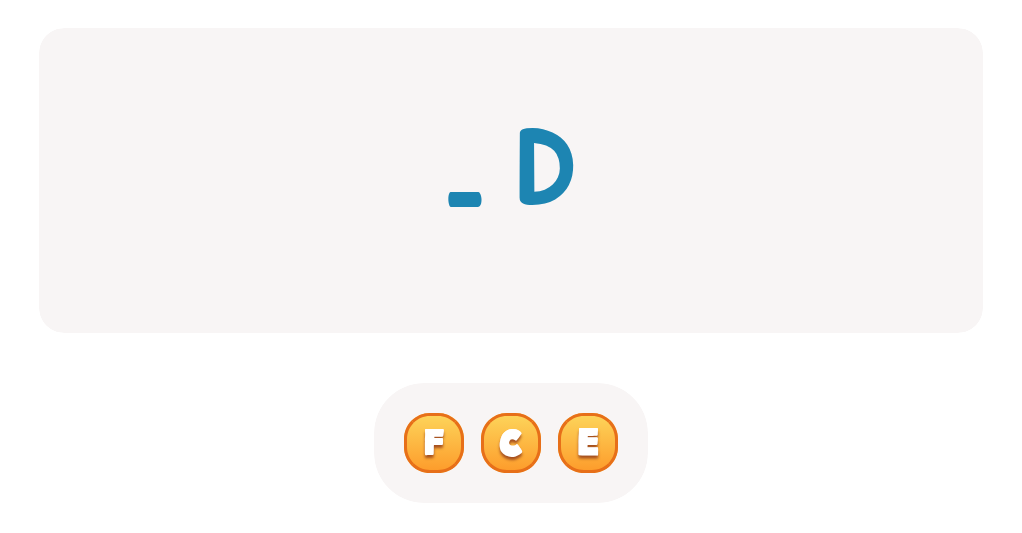

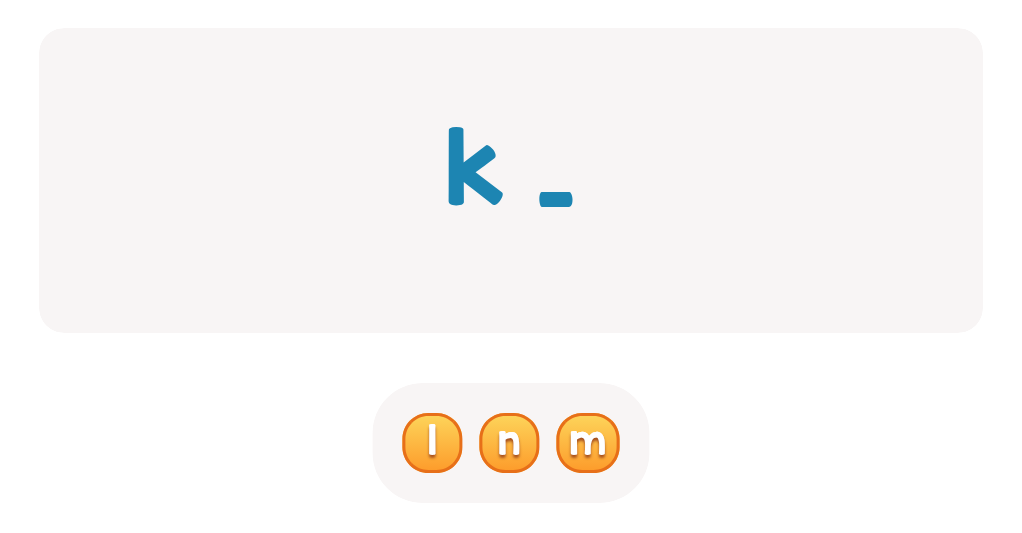
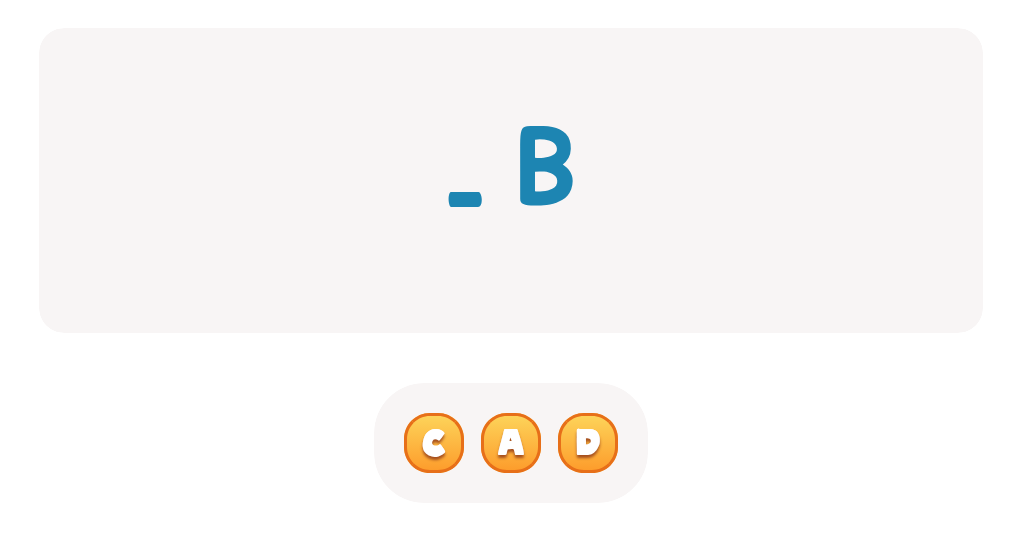
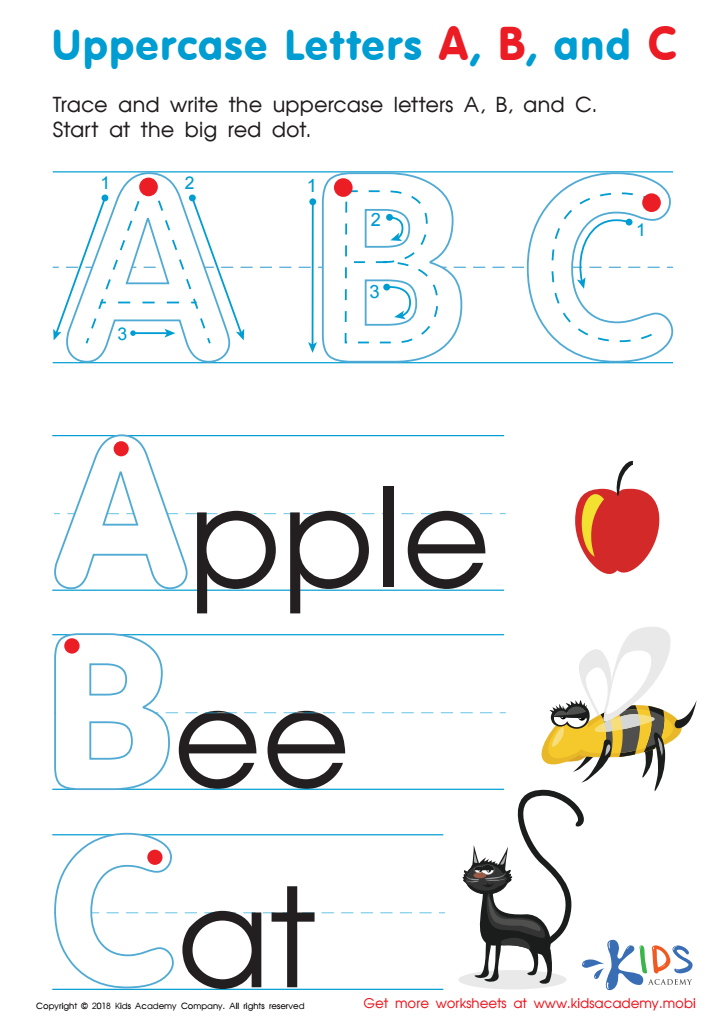
Uppercase Letters A, B, and C Worksheet
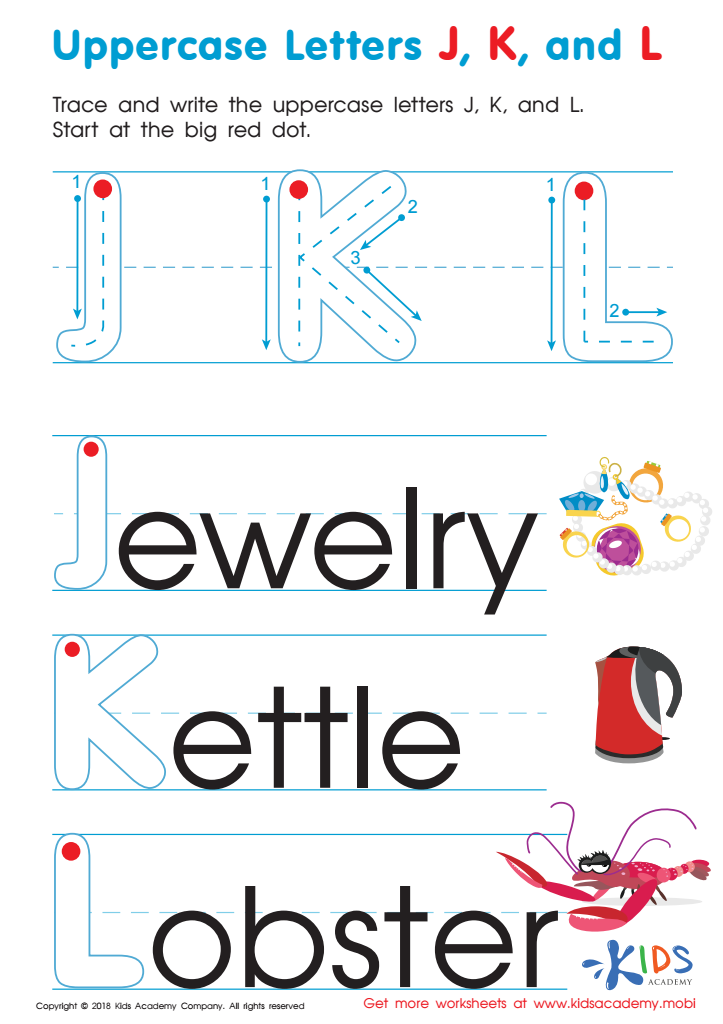
Uppercase Letters J, K, and L Worksheet
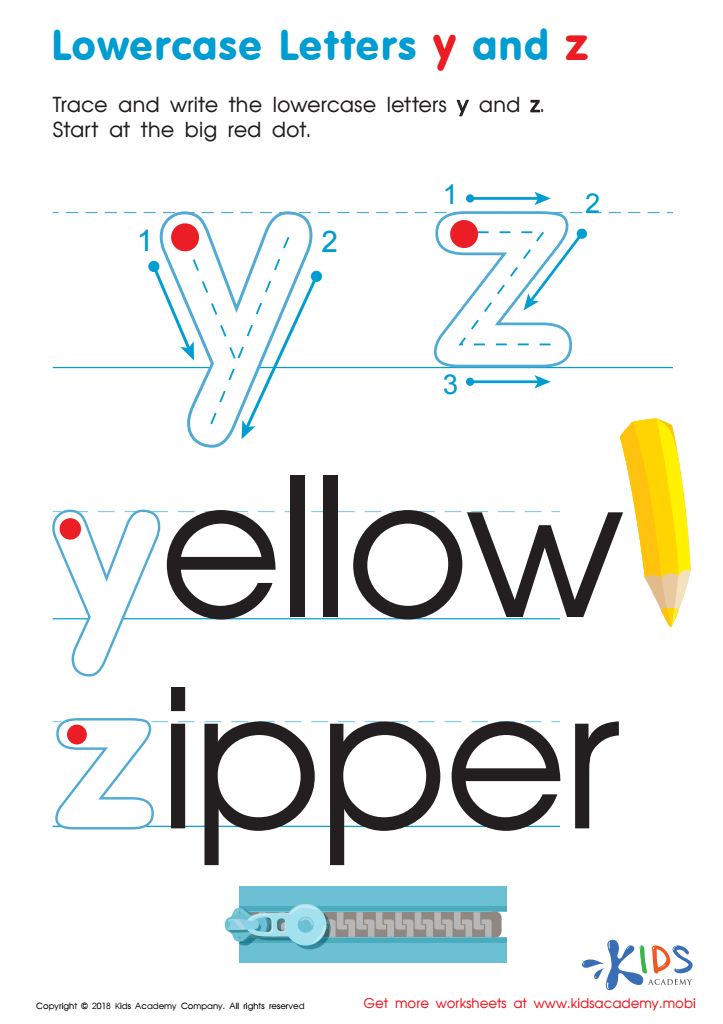
Lowercase Letters y z Worksheet

Lowercase Letters j k l Worksheet
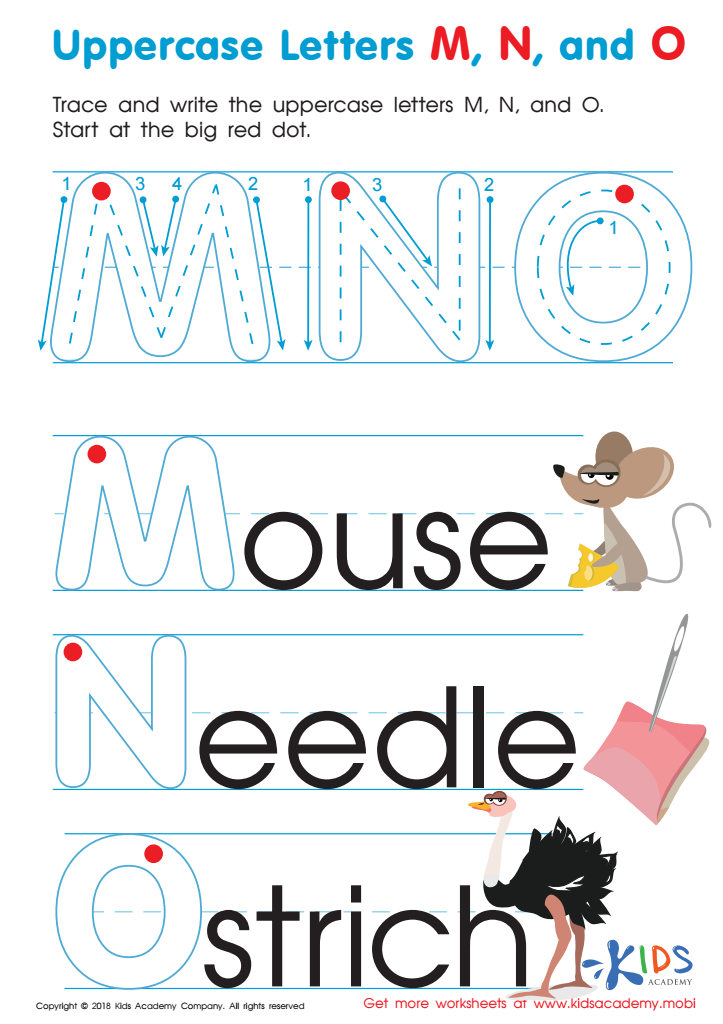
Uppercase Letters M, N, and O Worksheet
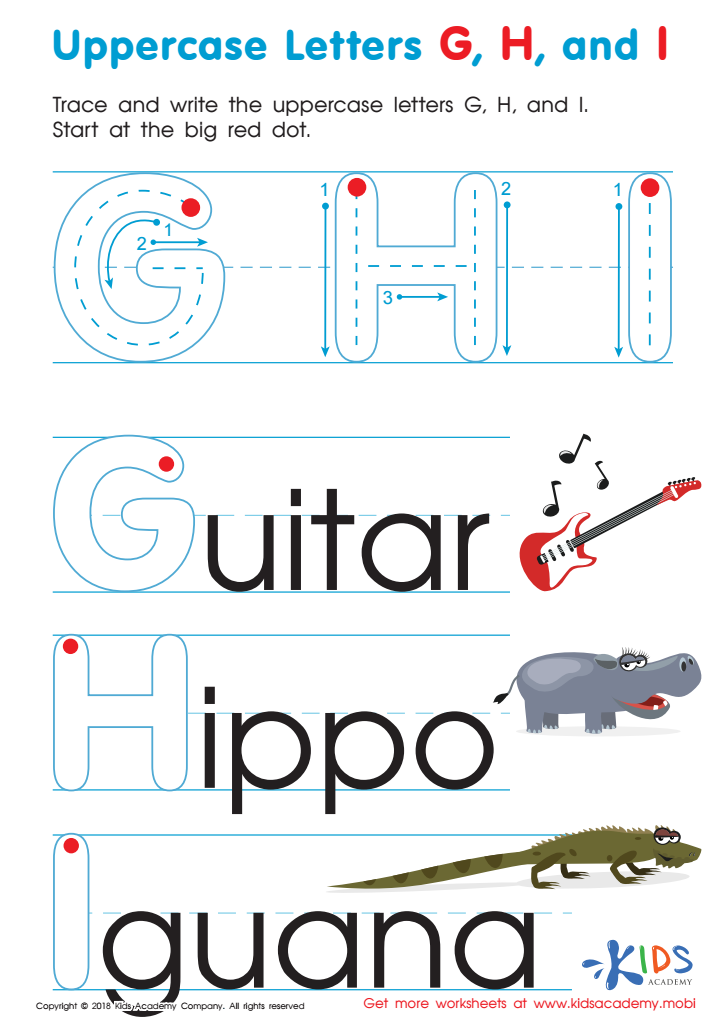
Uppercase Letters G, H, and I Worksheet
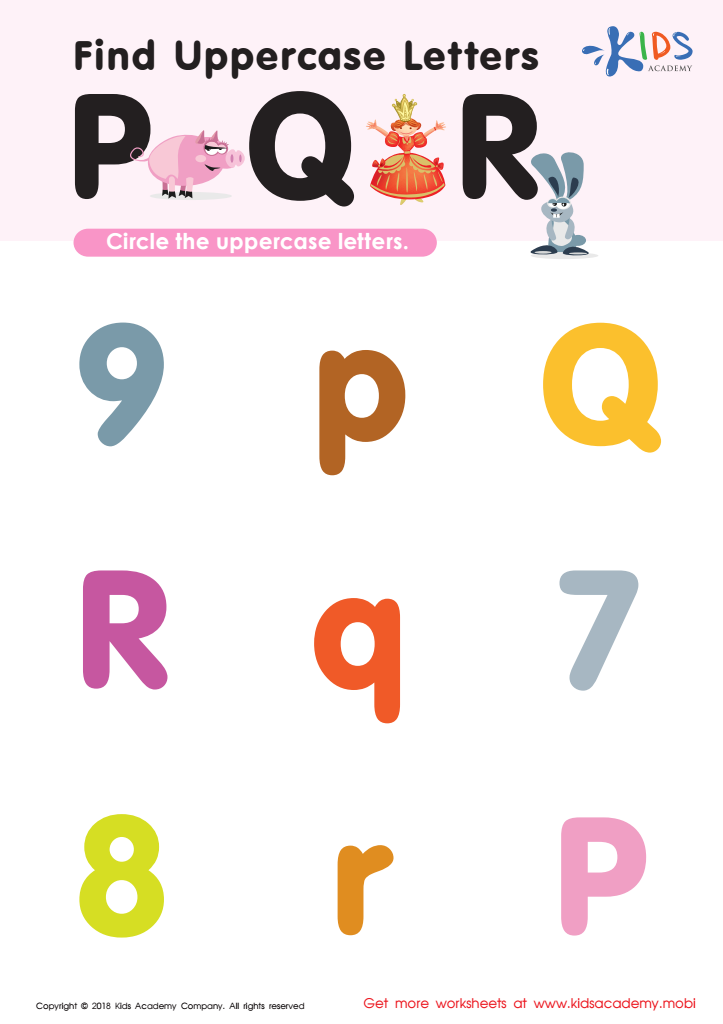
Find Uppercase Letters P, Q, and R Worksheet
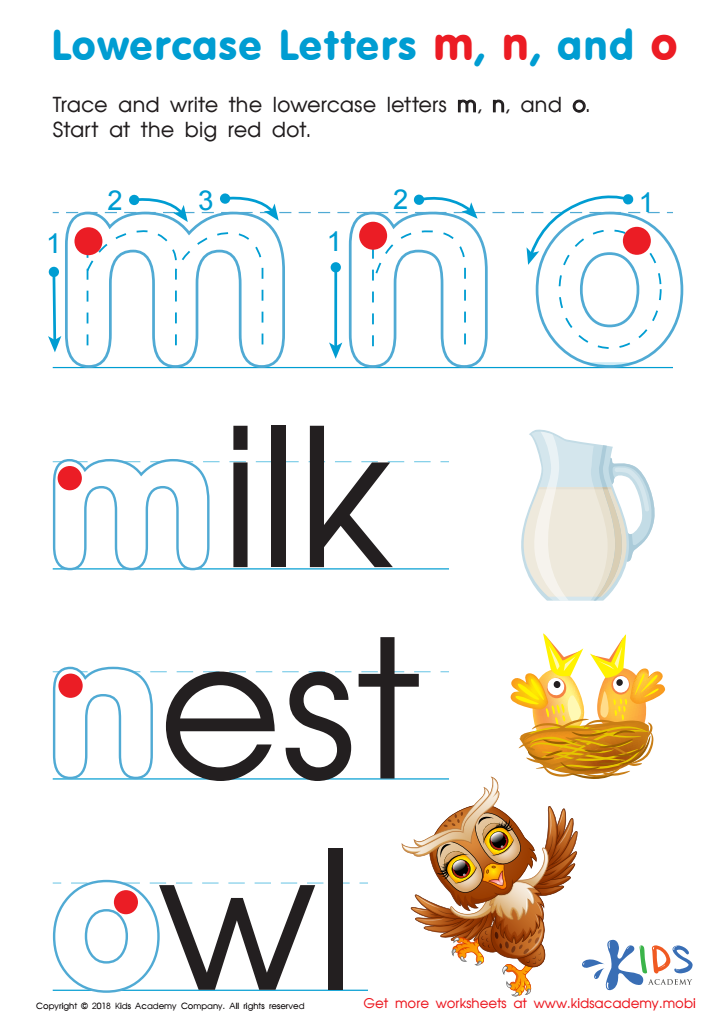
Lowercase Letters m n o Worksheet
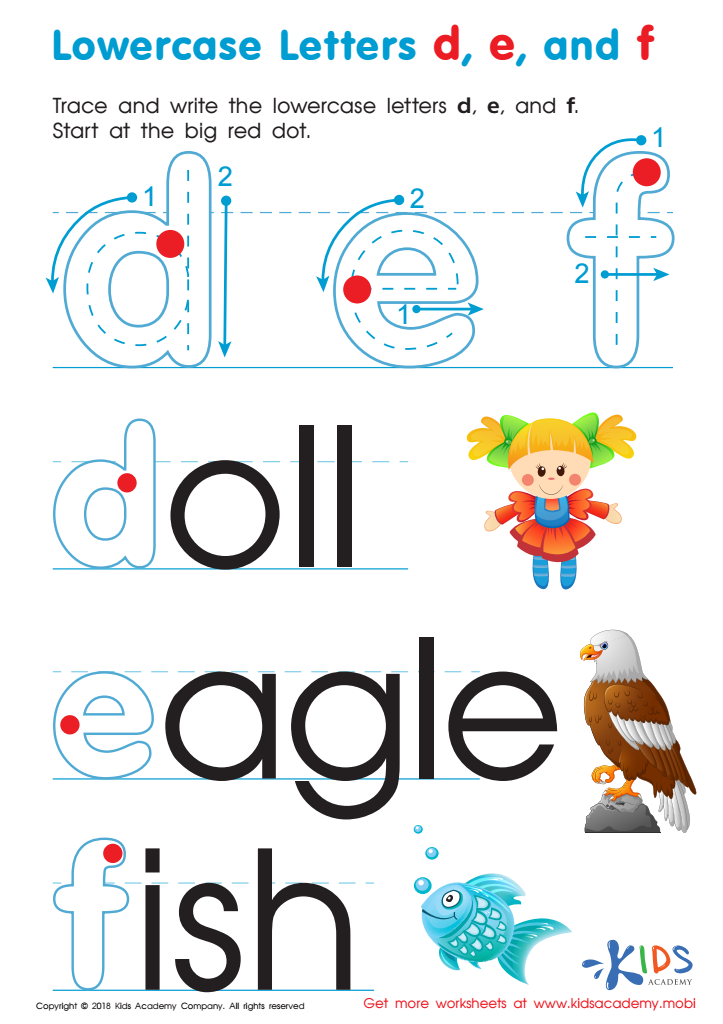
Lowercase Letters d e f Worksheet
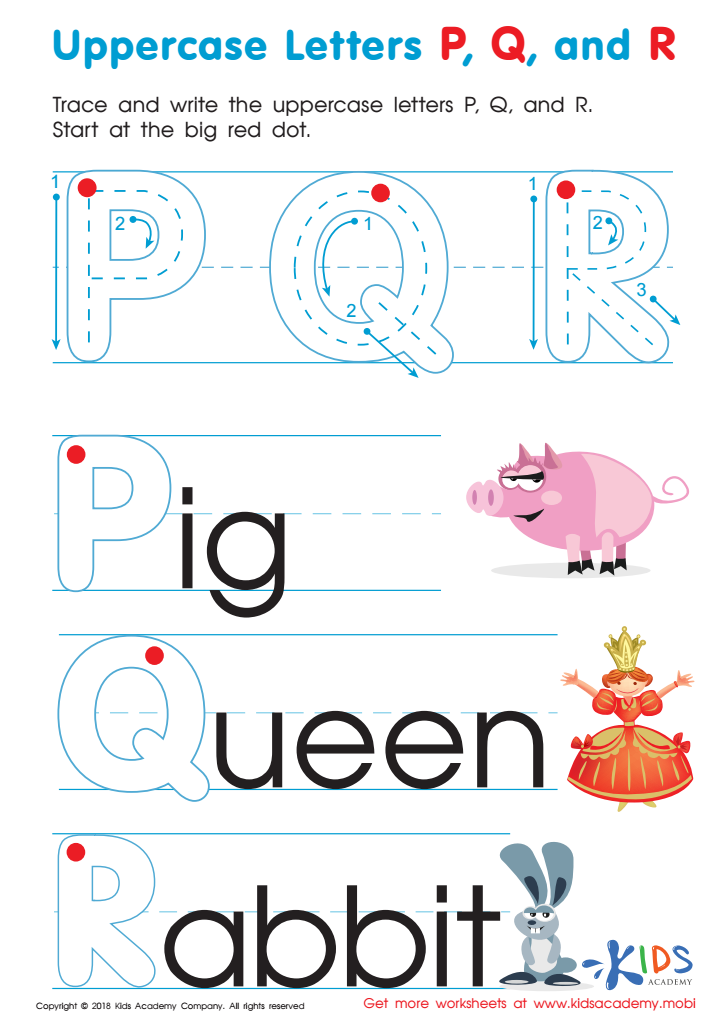
Uppercase Letters P, Q, and R Worksheet
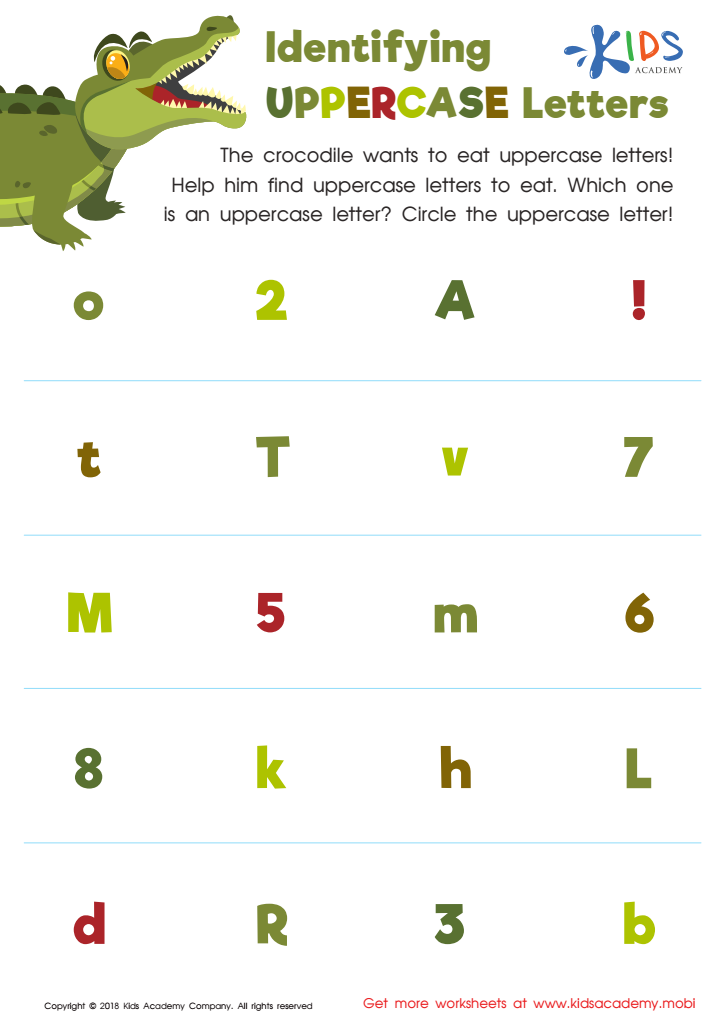
Identifying Uppercase Letters Worksheet
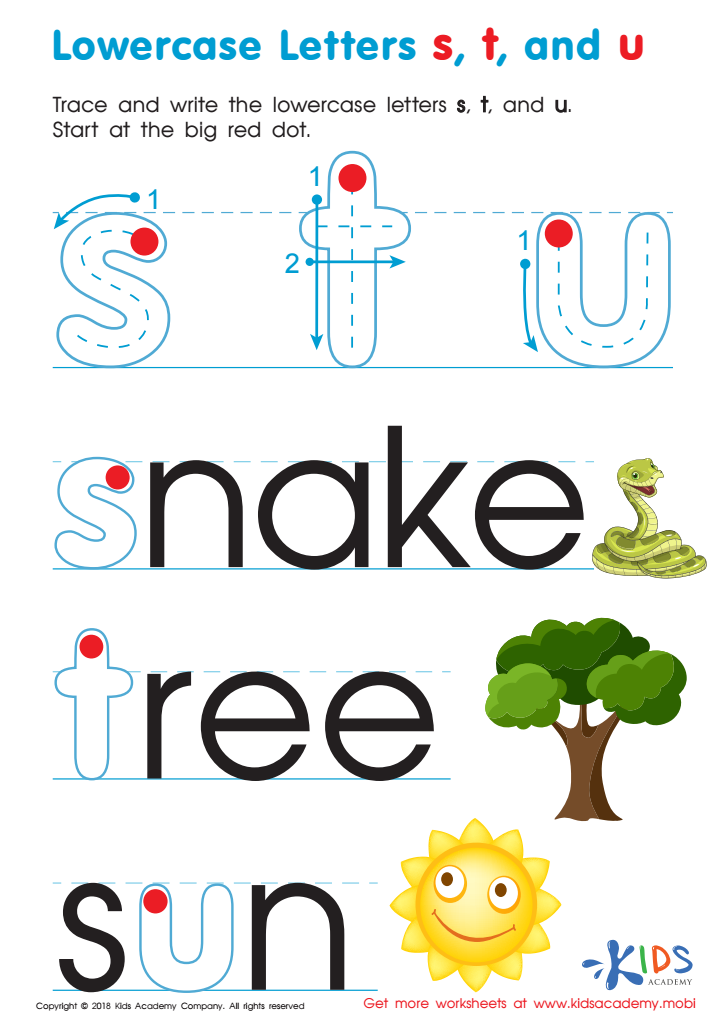
Lowercase Letters s t u Worksheet
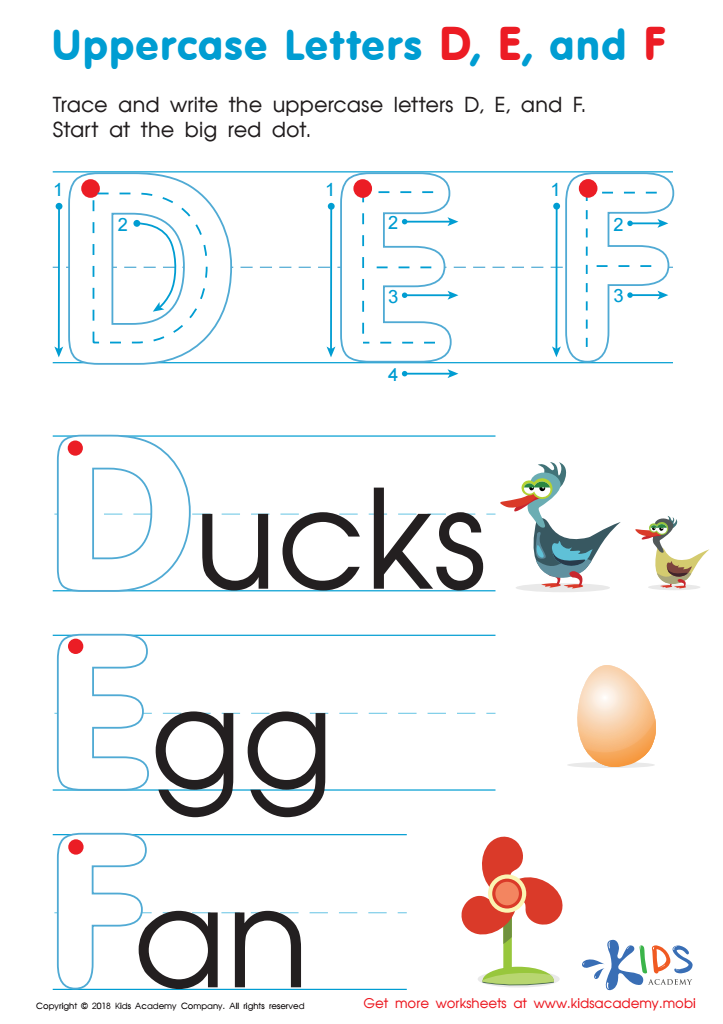
Uppercase Letters D, E, and F Worksheet
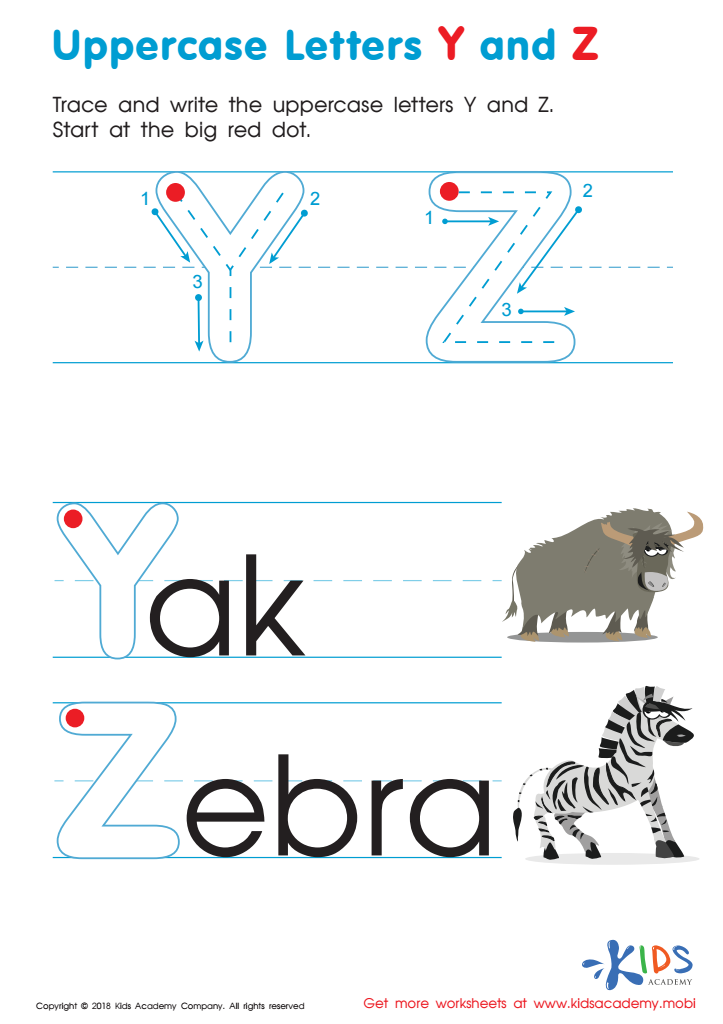
Uppercase Letters Y Z Worksheet
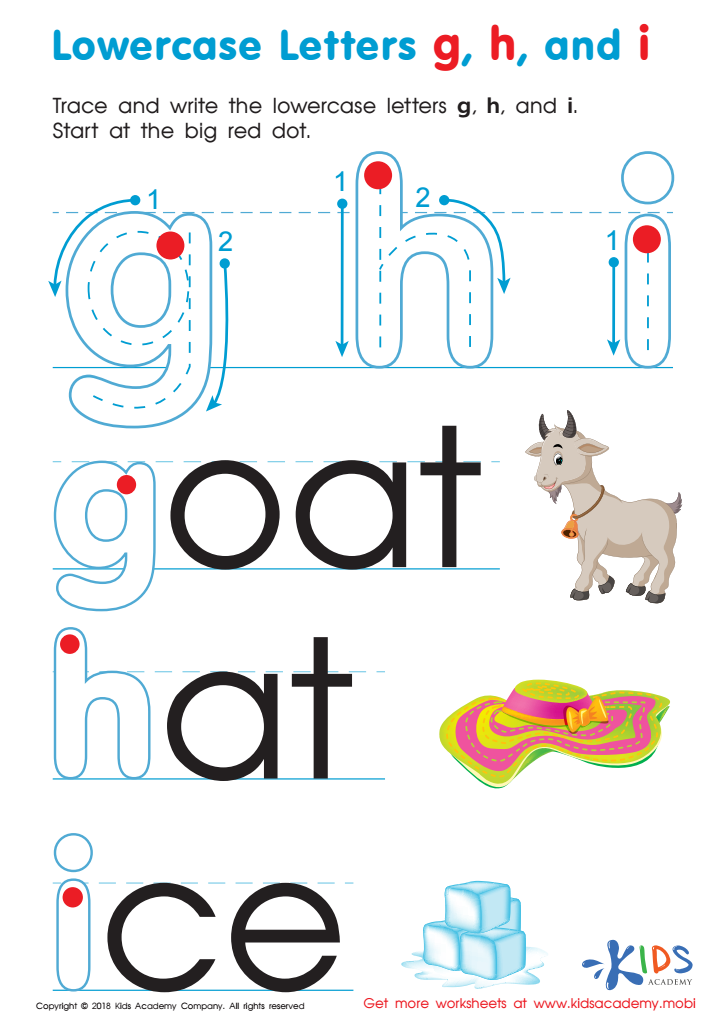
Lowercase Letters g h i Worksheet
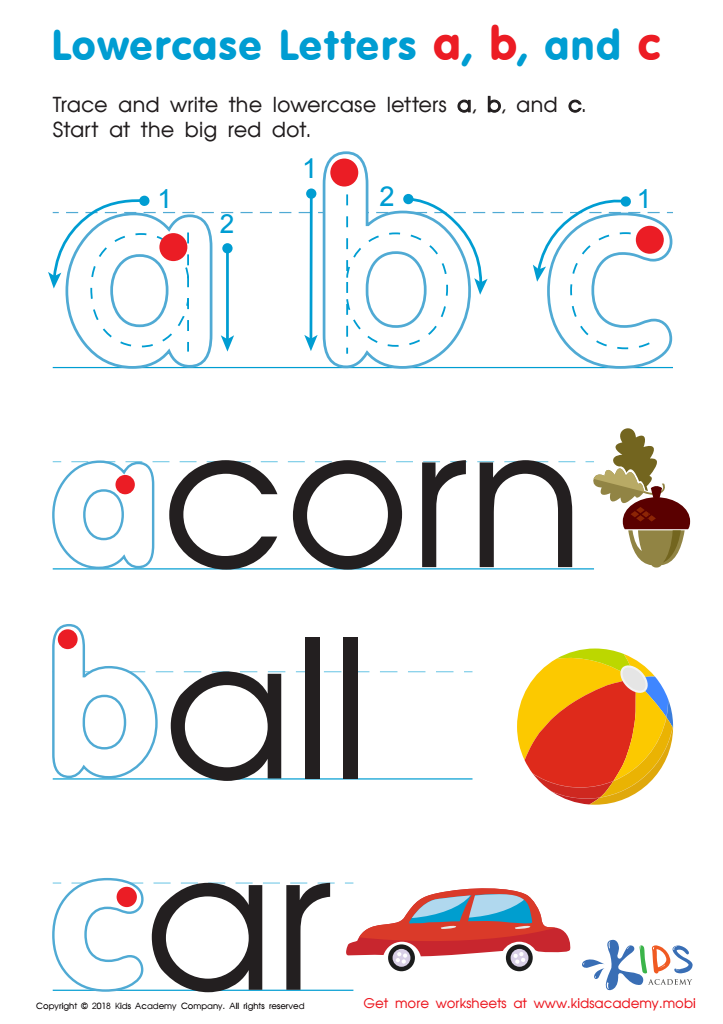
Lowercase Letters a b c Worksheet
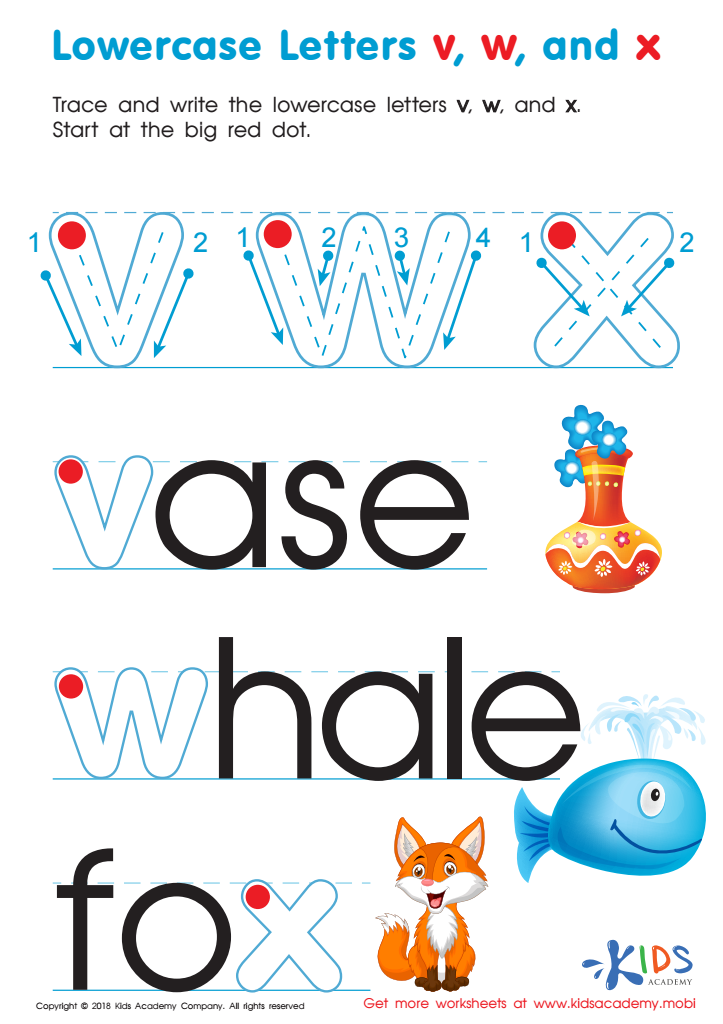
Lowercase Letters v w x Worksheet
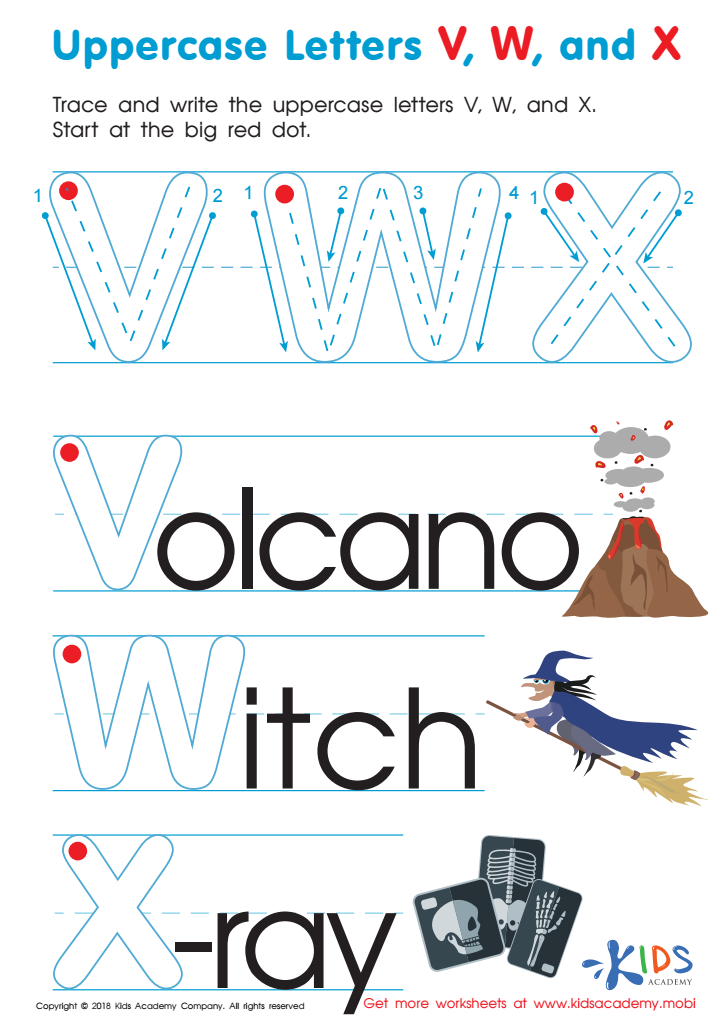
Uppercase Letters V, W, and X Worksheet






Alphabet recognition, including both uppercase and lowercase letters, is fundamental for children ages 3-5. This early literacy skill forms the cornerstone of later reading and writing abilities. When parents and teachers focus on helping children recognize letters, they are essentially laying the groundwork for vital cognitive and communication skills.
At this young age, children's brains are exceptionally receptive to learning and forming neural connections. Early mastery of letter recognition speeds up the process of linking letters to their corresponding sounds, which is essential for phonemic awareness, a critical precursor to successful reading. When children identify that 'A' is the same letter as 'a' despite their different shapes, they enhance their visual discrimination skills, which support overall academic development.
In addition, familiarity with both uppercase and lowercase letters impact daily activities. Books, signs, and written instructions use a mix of cases. If children can easily recognize these, it boosts their confidence and independence as emerging readers. Equally important is the social and emotional aspect; young children derive immense satisfaction and motivation from successfully engagement with text, fostering a positive attitude toward learning.
Therefore, prioritizing alphabet recognition equips children with foundational skills needed for academic achievement and supports their holistic development__.'/







