Handwriting practice Upper & Lowercase Letters Worksheets for Ages 3-5
16 filtered results
-
From - To
Discover our engaging Handwriting Practice Upper & Lowercase Letters Worksheets for children aged 3-5. Designed to help preschoolers master the alphabet, these worksheets provide fun, educational activities that enhance letter recognition, fine motor skills, and early writing abilities. Each sheet encourages kids to trace and write both uppercase and lowercase letters, building essential literacy foundations. Perfect for at-home learning or classroom use, our printable worksheets boast colorful, child-friendly designs that make learning enjoyable. Get your little ones started on the path to reading and writing success today with our expertly crafted handwriting practice resources!
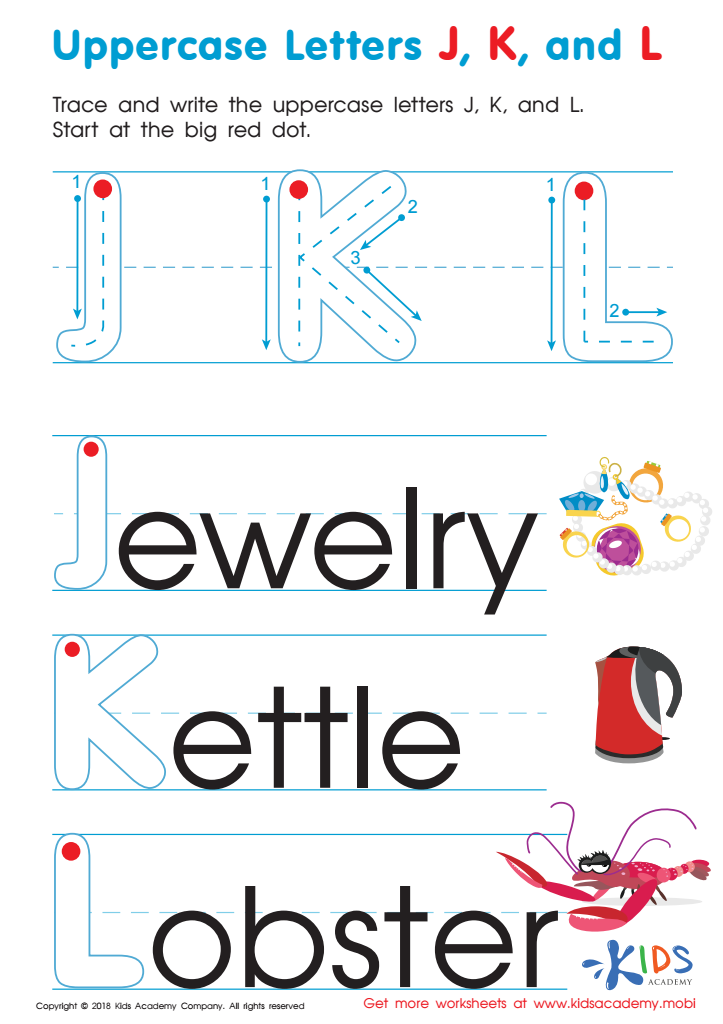
Uppercase Letters J, K, and L Worksheet
 Assign to My Students








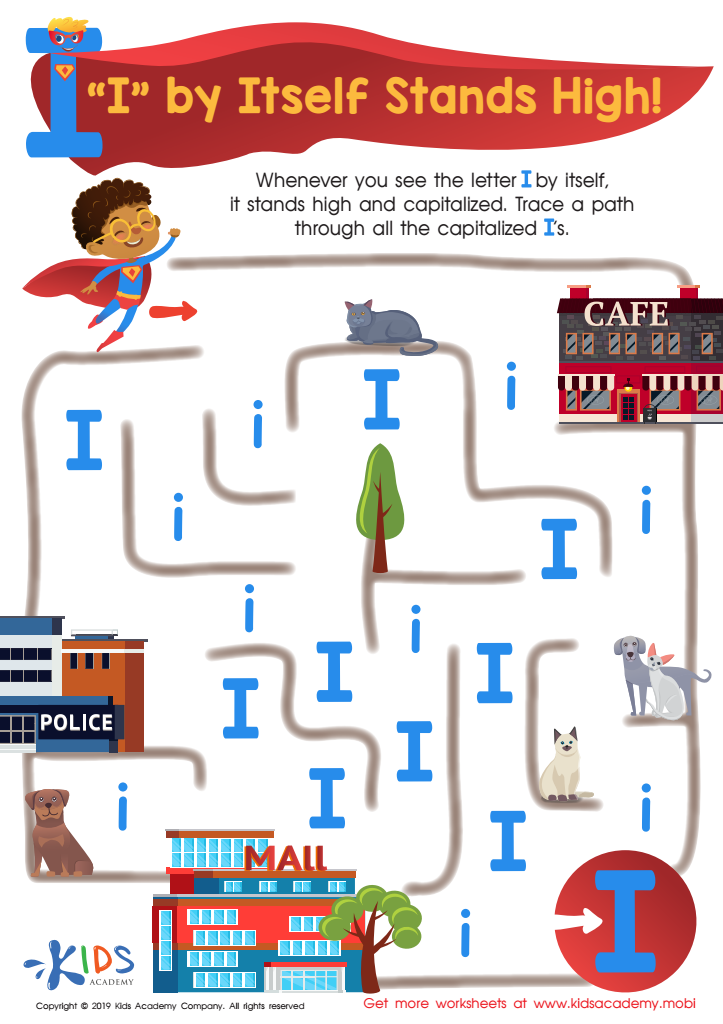
I Stands High Worksheet
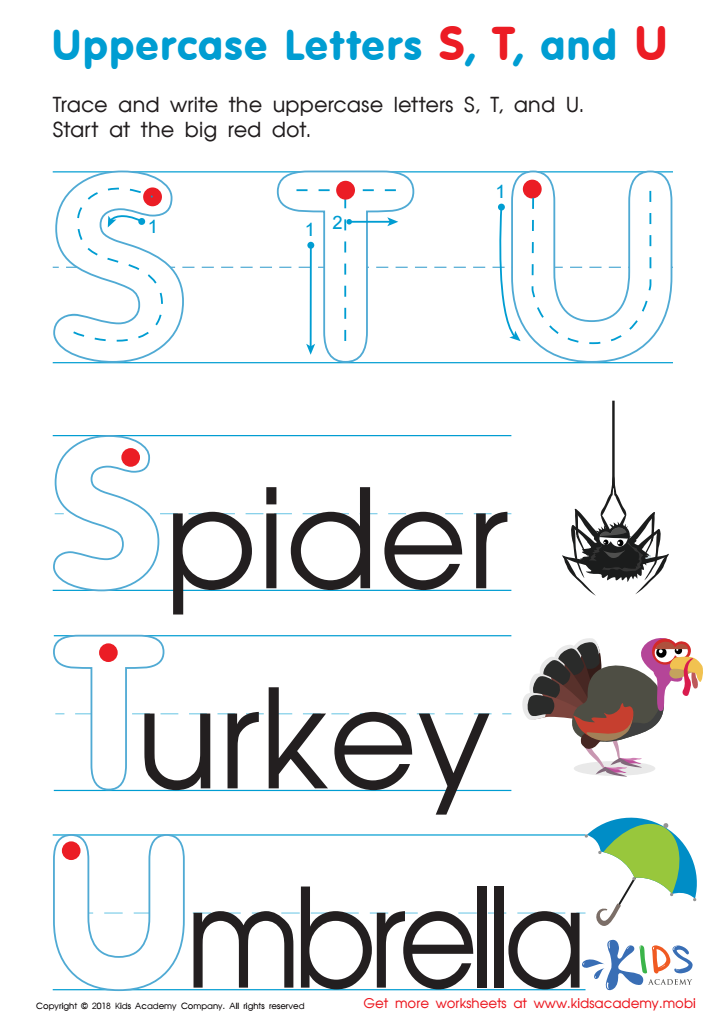
Uppercase Letters S, T, and U Worksheet
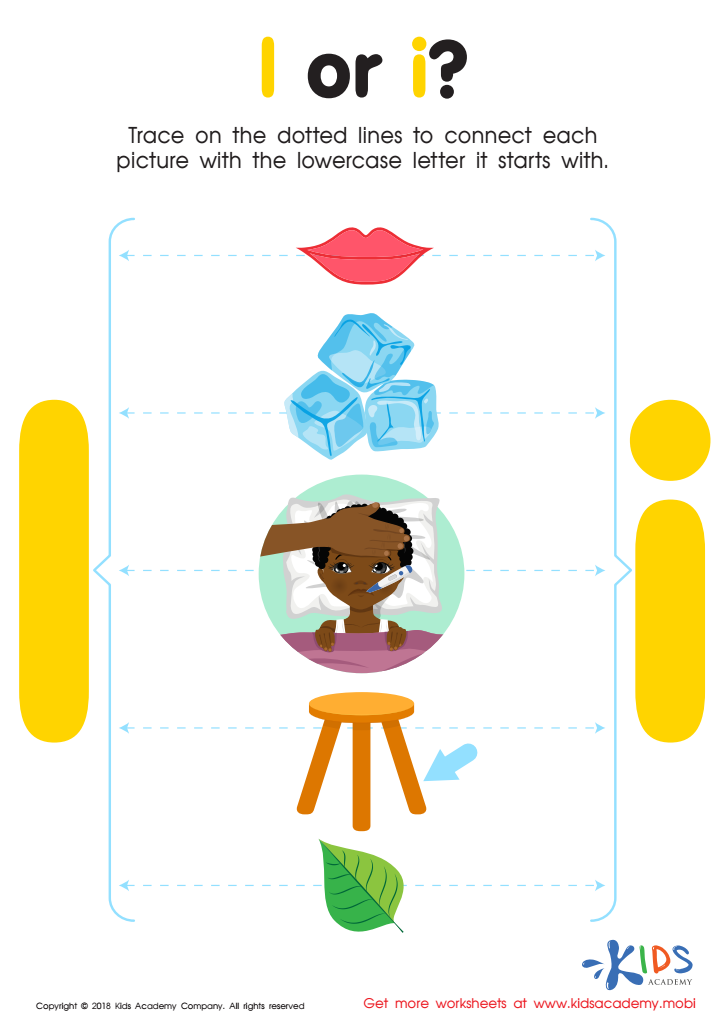
l or i? Worksheet
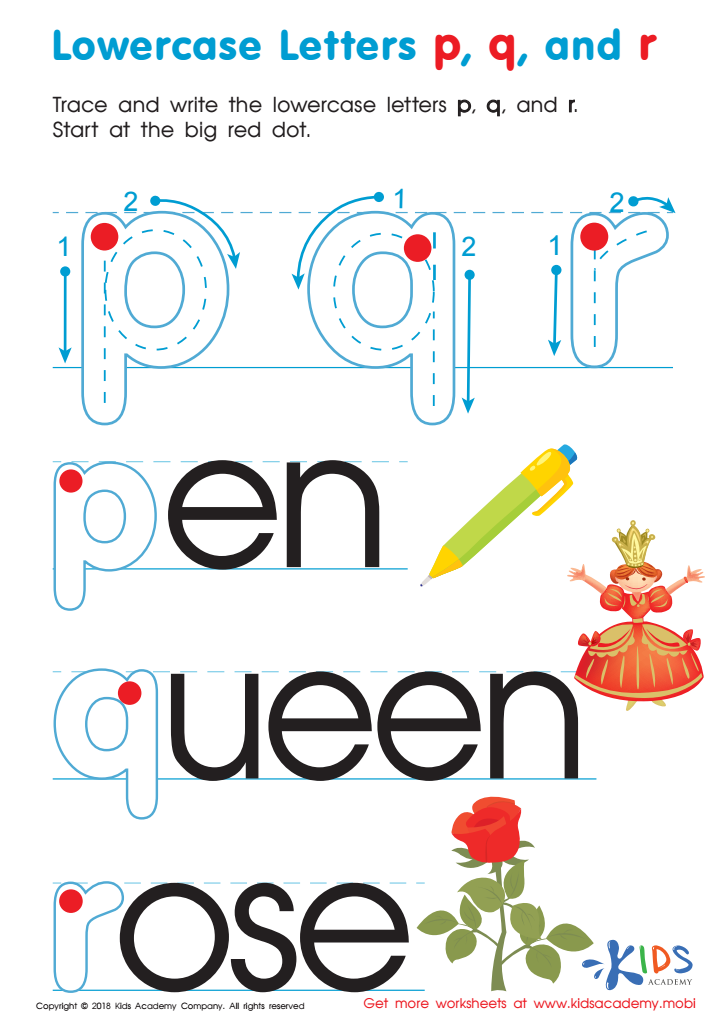
Lowercase Letters p q r Worksheet
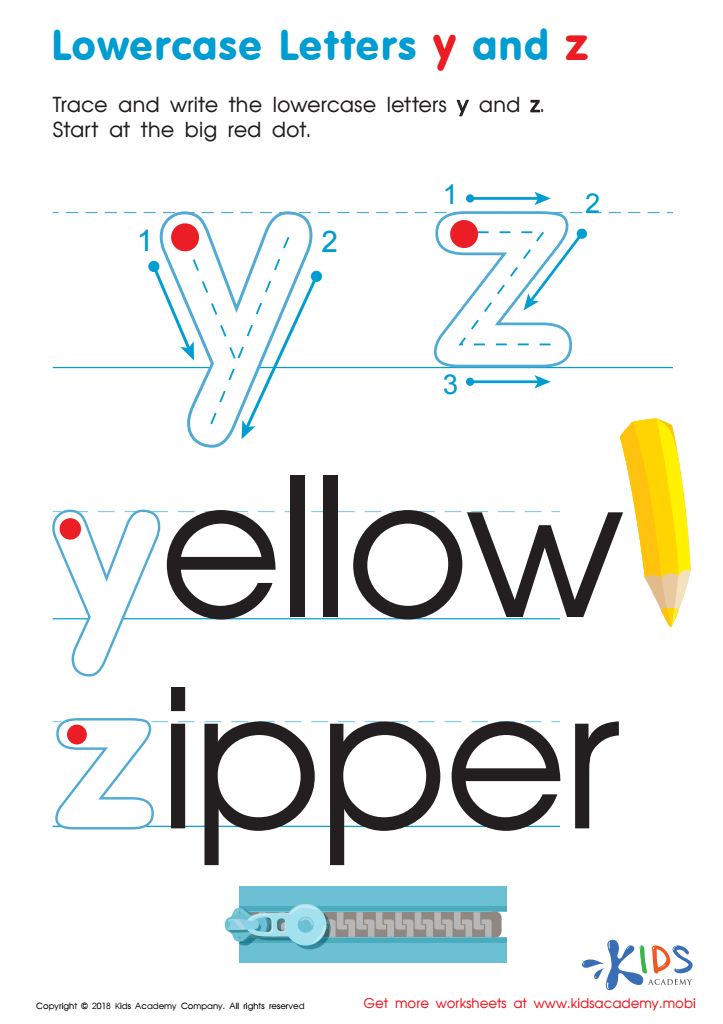
Lowercase Letters y z Worksheet
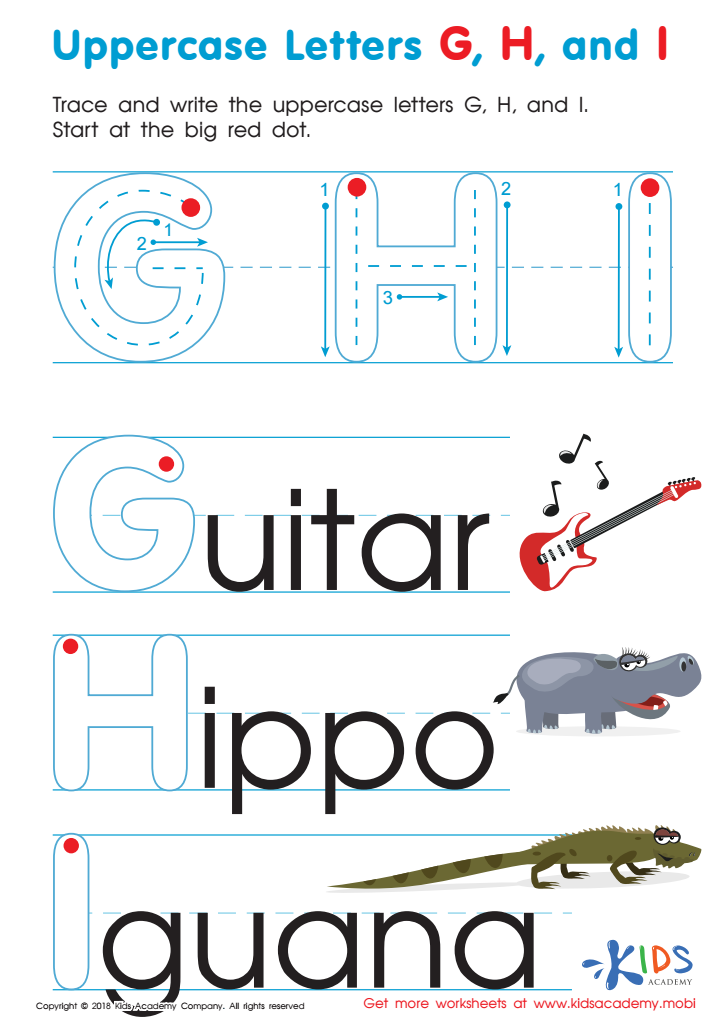
Uppercase Letters G, H, and I Worksheet

Lowercase Letters m n o Worksheet
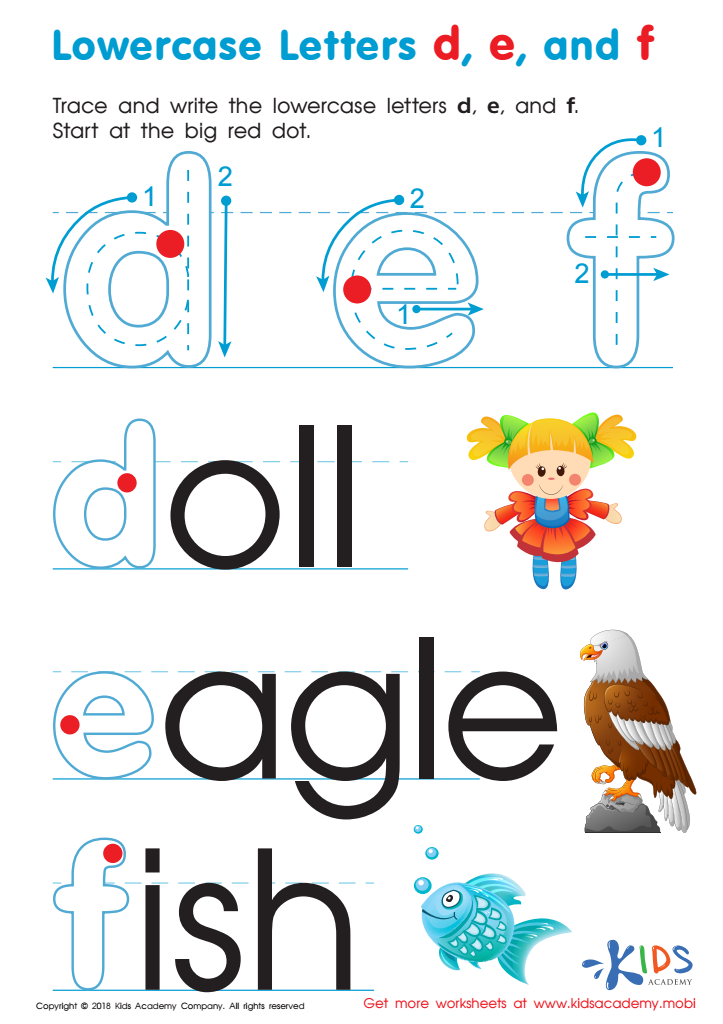
Lowercase Letters d e f Worksheet
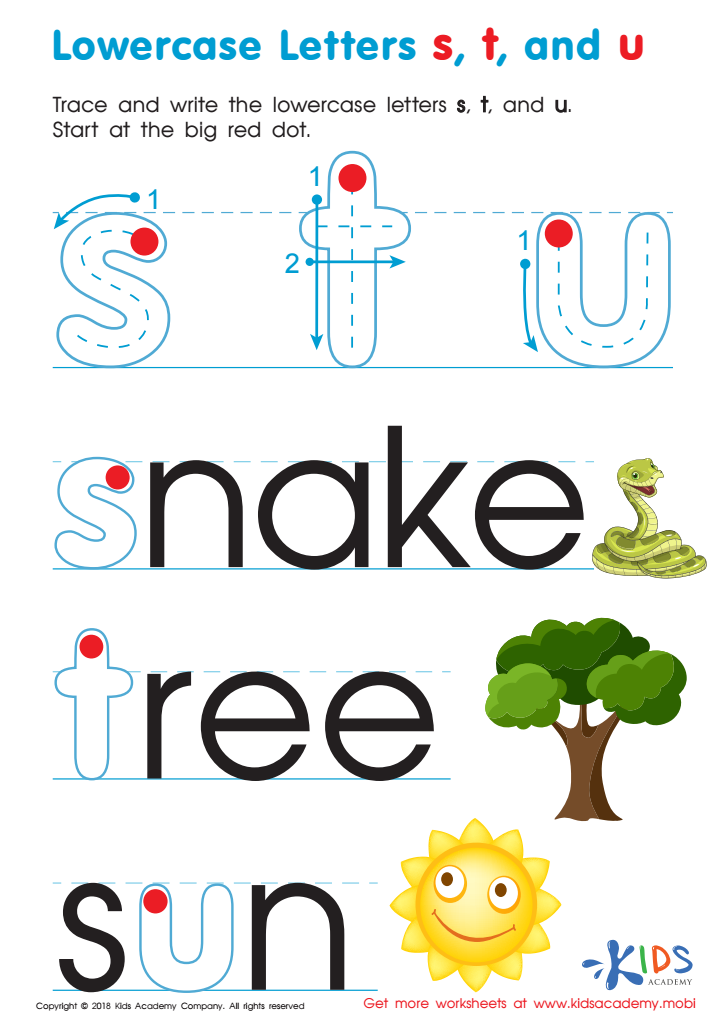
Lowercase Letters s t u Worksheet
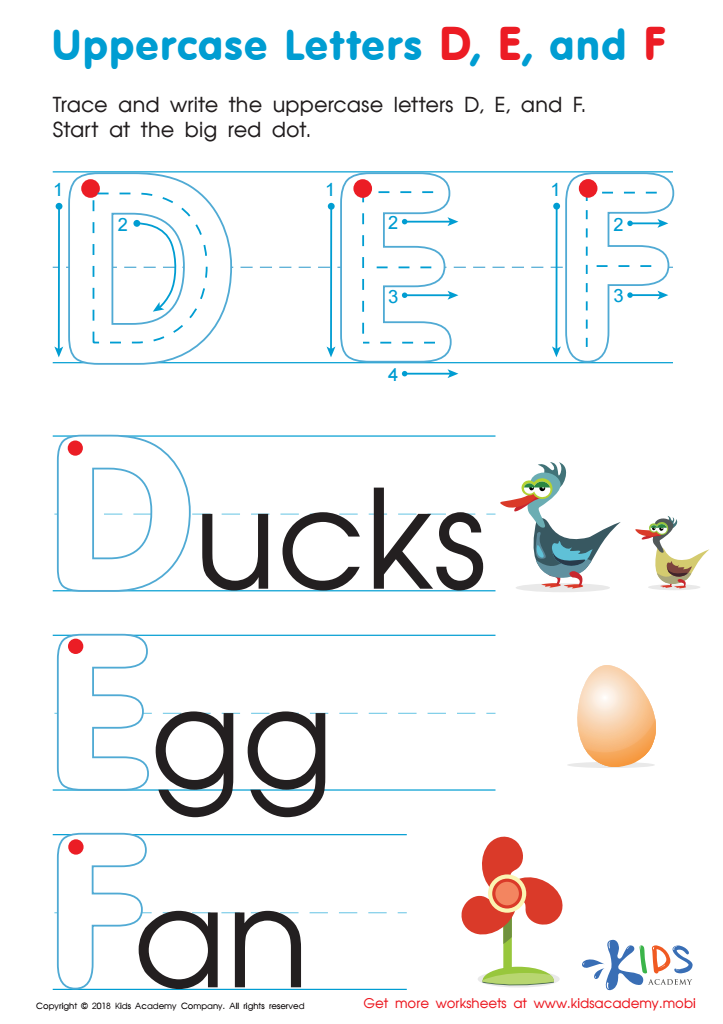
Uppercase Letters D, E, and F Worksheet
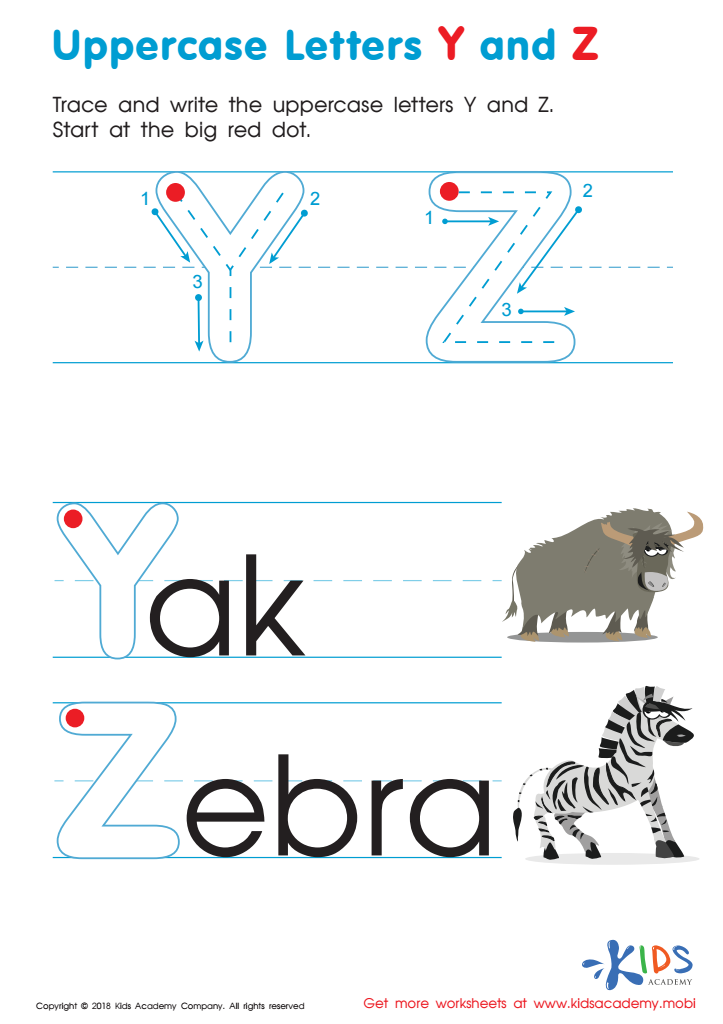
Uppercase Letters Y Z Worksheet
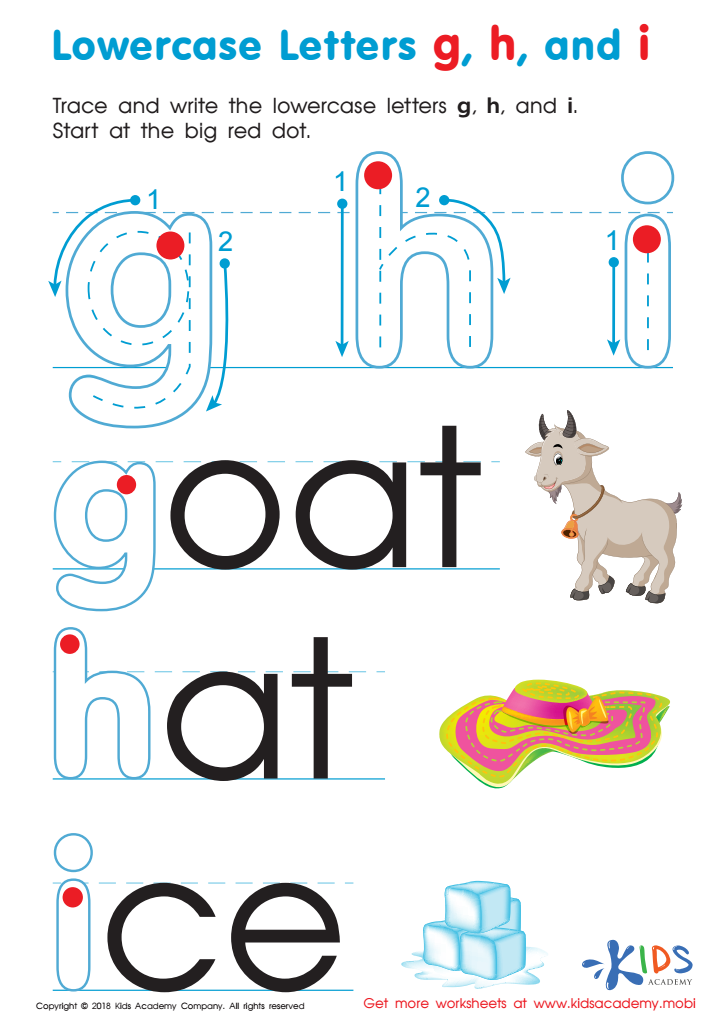
Lowercase Letters g h i Worksheet
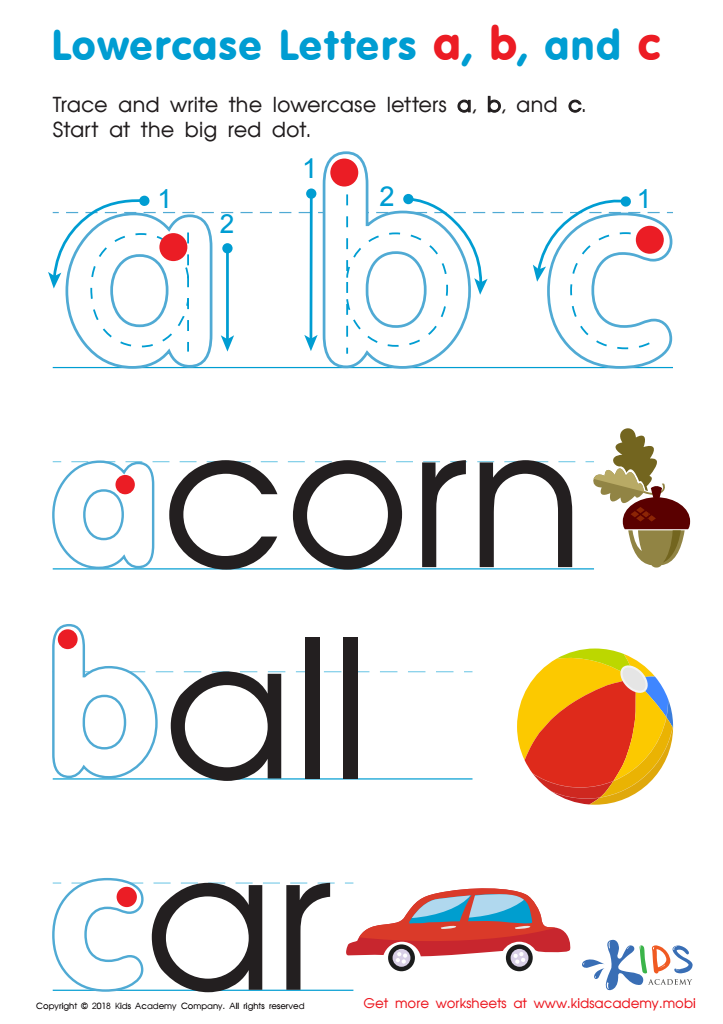
Lowercase Letters a b c Worksheet
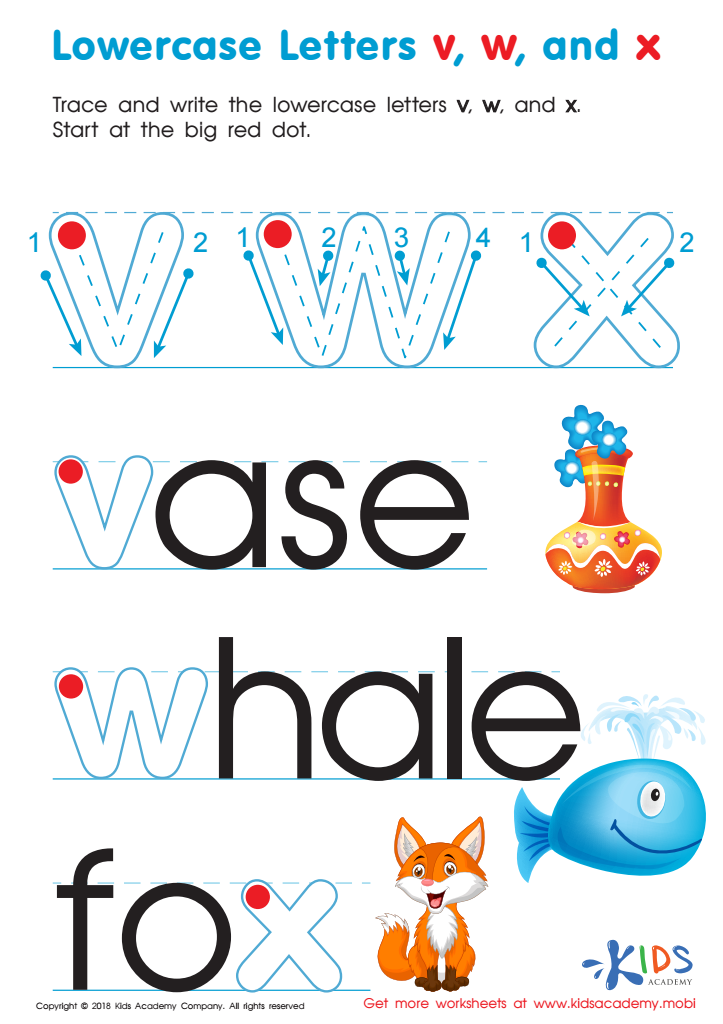
Lowercase Letters v w x Worksheet
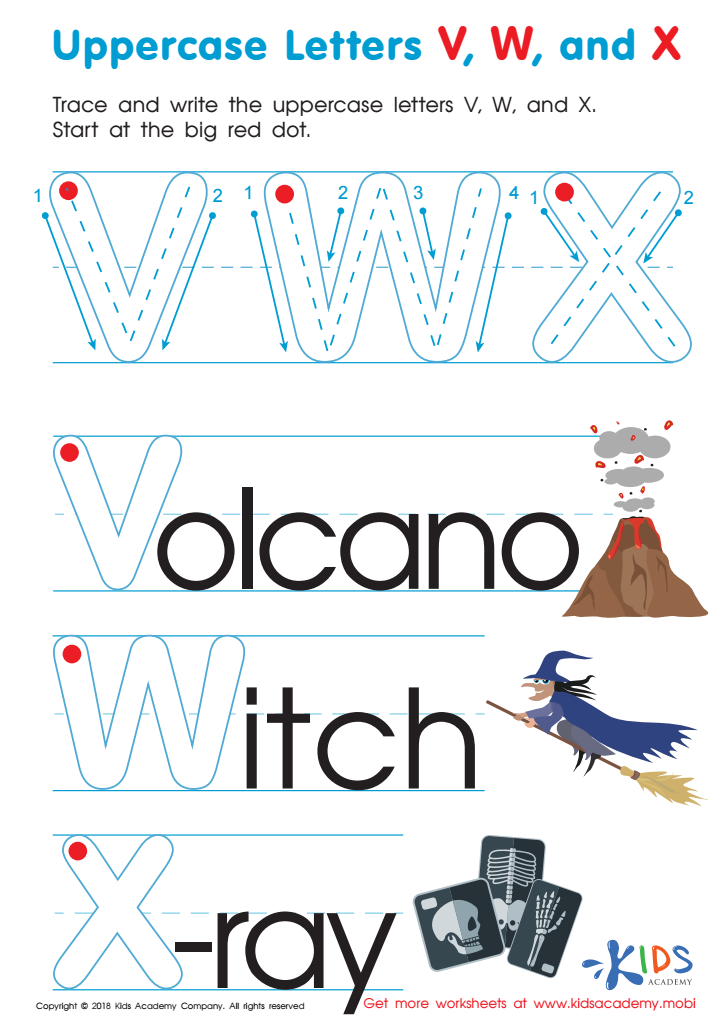
Uppercase Letters V, W, and X Worksheet






Handwriting practice of both uppercase and lowercase letters is essential for young children aged 3-5 as it underpins fundamental aspects of their education and development. At this age, children are in a critical period for developing fine motor skills, which include the coordination of small muscle movements, especially those of the fingers and hands. Regular handwriting practice can significantly enhance these abilities, aiding in tasks requiring precision and control in the future.
Introducing uppercase letters provides a straightforward start due to their simpler, straighter lines and distinct differences between letters. As children grasp these, adding lowercase letters improves their ability to recognize and form more complex characters. This distinction furthers their understanding of the alphabet and its functional uses.
Consistent handwriting practice also bolsters cognitive development. It reinforces letter recognition, critical for reading fluency and comprehension. By recognizing the form of each letter through writing, children solidify their knowledge of the alphabet, which is vital for early literacy skills.
Moreover, the discipline of handwriting fosters persistence, attention to detail, and patience. It is also a precursor for effective communication, enabling children to express themselves clearly as they grow. Overall, cultivating the skill of writing at this stage lays down a solid foundation for academic success and boosts children's self-confidence in their learning journey.







