Number identification Cultures and Holidays Coloring Pages Worksheets for Ages 3-5
3 filtered results
Difficulty Level
Grade
Age
-
From - To
Subject
Activity
Standards
Explore the colorful world of cultures and holidays with our engaging number identification coloring pages, specifically designed for children aged 3-5! These worksheets promote early learning by combining fun, creativity, and number recognition. Kids will delight in coloring festive scenes while enhancing their number identification skills. From traditional celebrations to global festivities, your little ones can embark on a colorful journey celebrating diversity! Each worksheet not only inspires creativity through coloring but also strengthens foundational math skills, making it a perfect educational tool for parents and teachers alike. Start fostering a love for learning and cultural awareness today!
Favorites
With answer key
Interactive
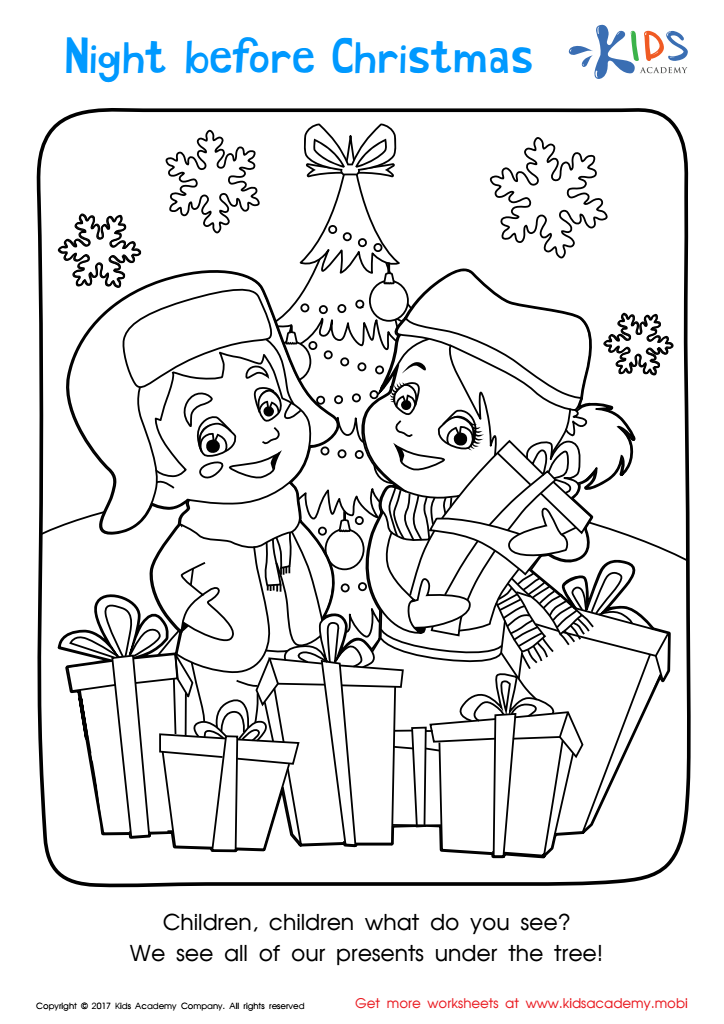
Christmas: Night Before Christmas Printable
Give your kids the gift of coloring this season! Use this boy and girl page to start a conversation on the spirit of giving. Ask your child what they'd like to give and remind them that giving is just as important as receiving. Then, help them pick the perfect colors to bring the image to life! Your child will get in the Christmas spirit while getting ready for Santa's arrival. Print the festive page and spread the joy of the season!
Download (PDF)
 Assign to My Students
Assign to My Students
Christmas: Night Before Christmas Printable
Worksheet
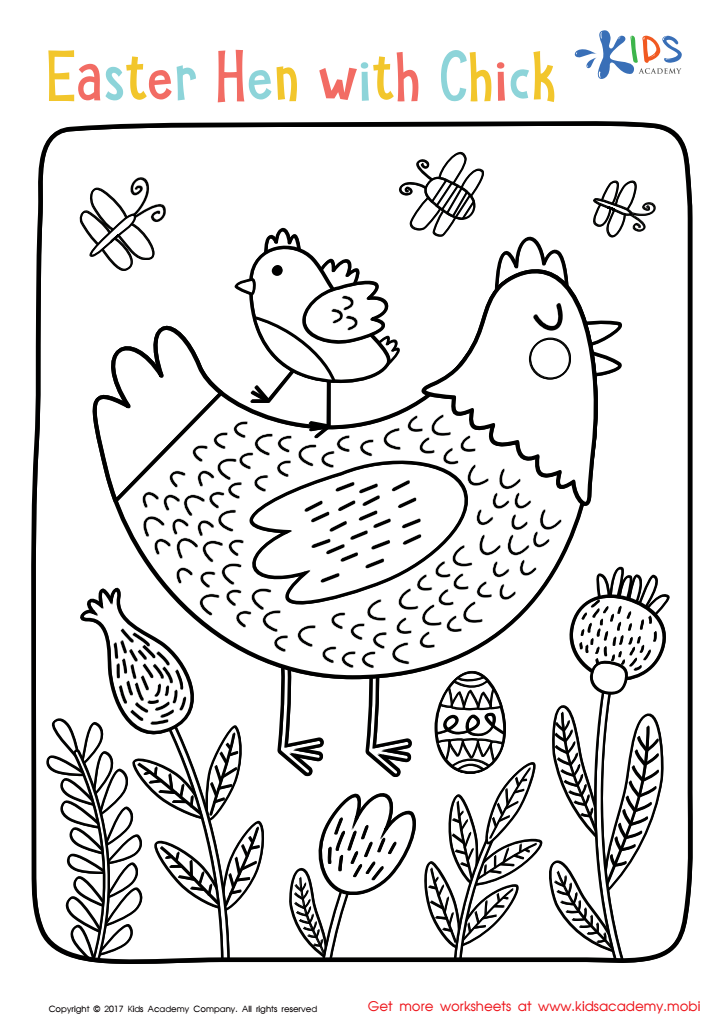
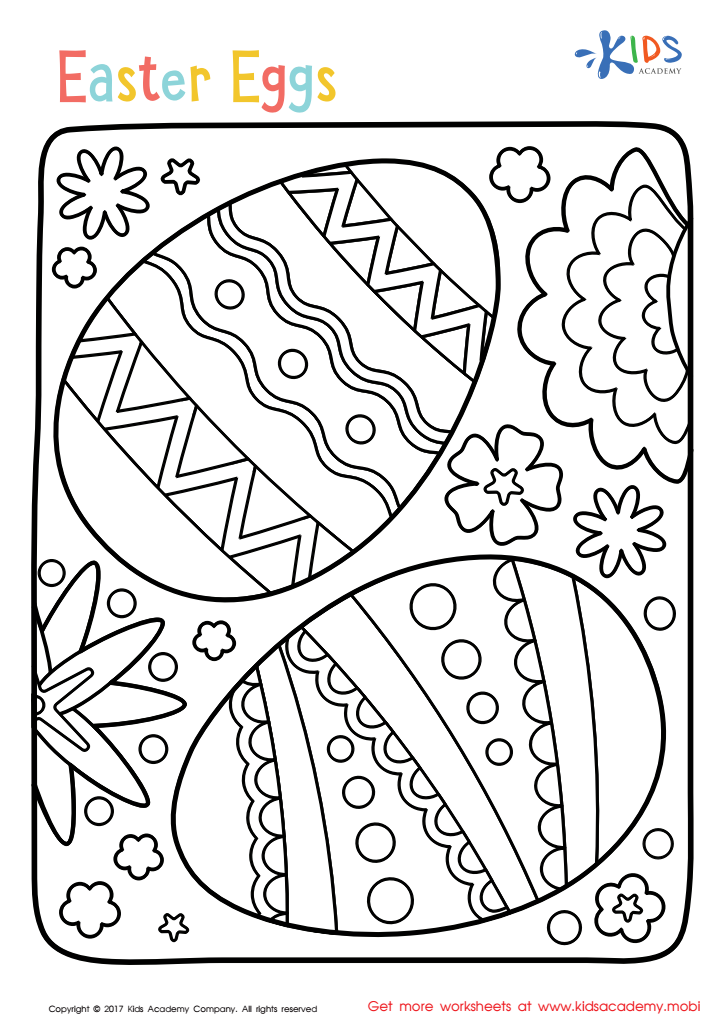
Easter: Easter Eggs Worksheet
Coloring Easter eggs is a beloved global tradition. Kids love to color eggs and hunt for goodies. This Easter, get your child excited with a printable coloring page. Let them use as many colors as they want and use it as inspiration to decorate real eggs. It's a time-honored tradition they'll look forward to each year!
Download (PDF)
Assign to My Students
Assign to My Students
Easter: Easter Eggs Worksheet
Worksheet
Join Kids Academy for Free
Who is primarily going to use this learning content?



Parents and teachers should recognize the significance of Number Identification Cultures and Holidays Coloring Pages for children ages 3-5 because these activities blend fun with early learning. As children engage with coloring pages representing different cultures and holidays, they not only develop fine motor skills but also build number recognition and counting abilities. This early exposure to numbers is essential for laying a solid foundation in mathematics, promoting cognitive growth at a critical developmental stage.
Moreover, incorporating diverse cultural themes fosters inclusivity and broadens children’s perspectives. As they learn about various holidays and customs worldwide, they become more aware of differences and similarities among people, nurturing curiosity and respect for diversity. This is particularly beneficial in today's global society, preparing them for coexistence in a multicultural world.
Furthermore, coloring is a calming activity that promotes creativity, helping children express themselves as they associate numbers with meaningful visuals. This multi-faceted approach to number identification encourages individual expression while enhancing overall comprehension. Ultimately, such enriching activities empower young learners socially, emotionally, and academically, making them valuable for teachers and parents striving to cultivate well-rounded, culturally literate, and numerically proficient children.