Fine Motor Skills English for Beginners Worksheets for Ages 3-5 - Page 3
61 filtered results
-
From - To
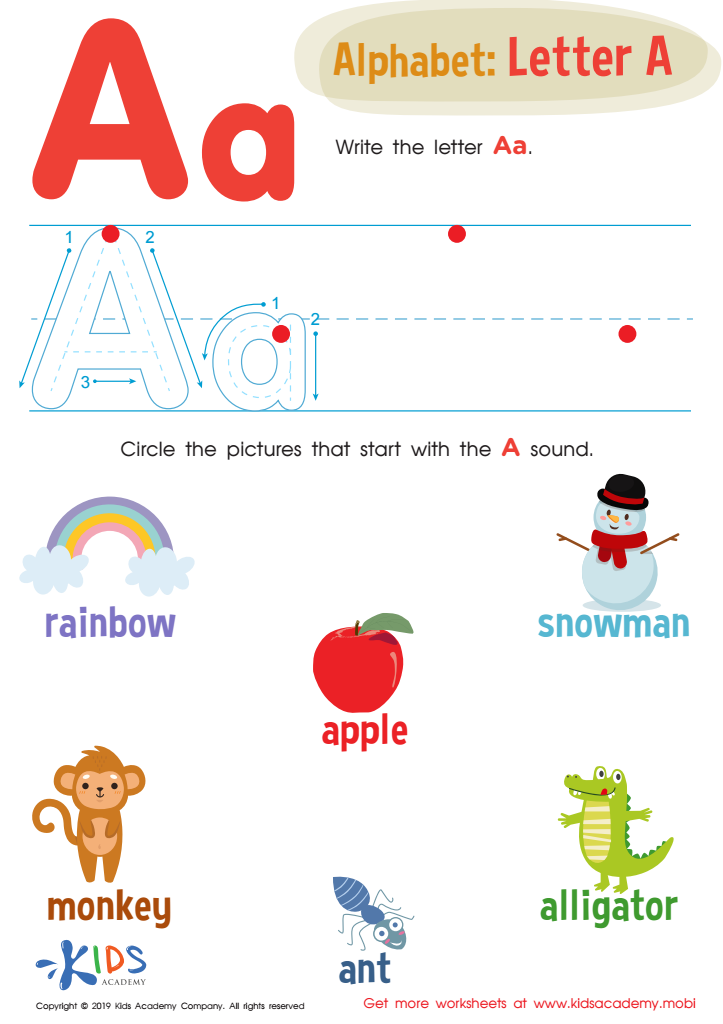
Letter A Tracing Worksheet
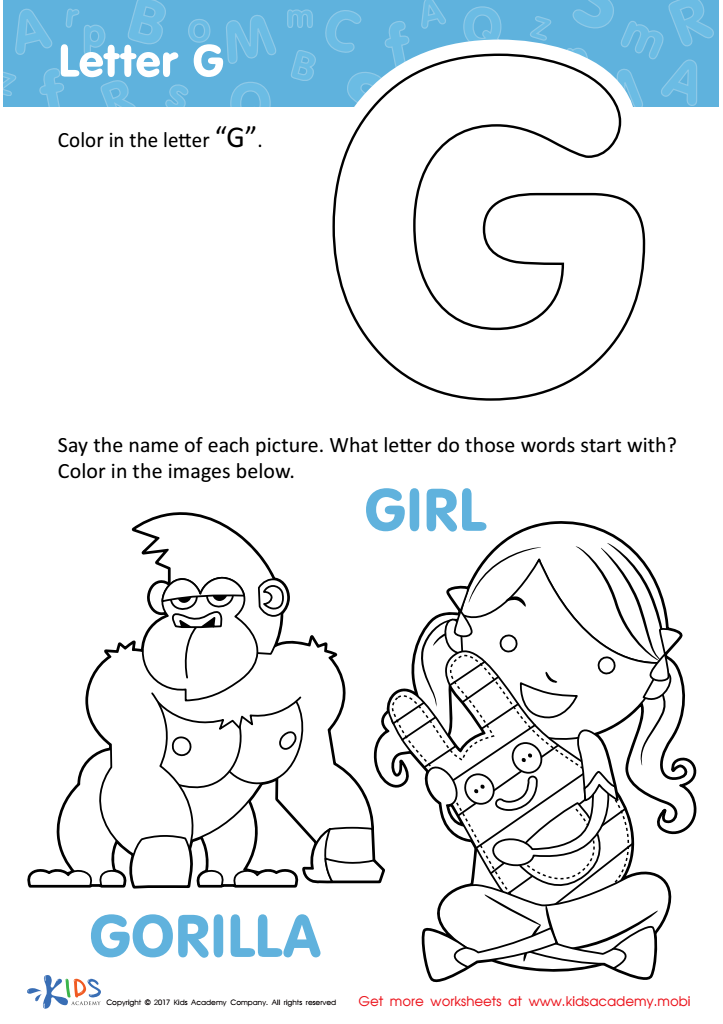
Letter G Coloring Sheet
 Assign to My Students
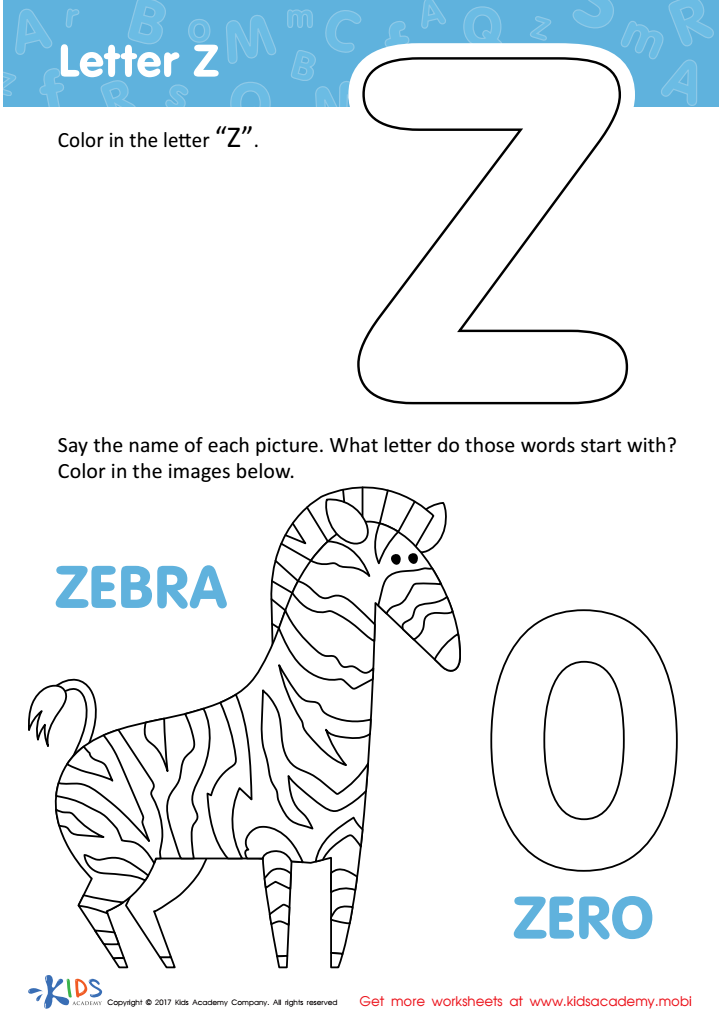
Letter Z Coloring Sheet
Assign to My Students
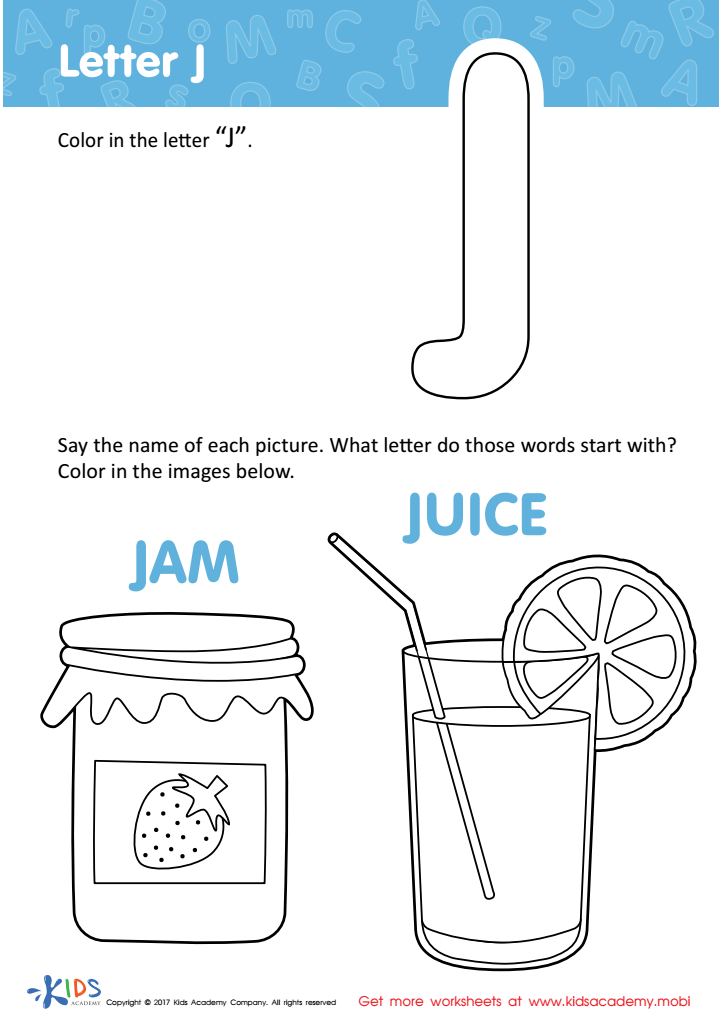
Letter J Coloring Sheet
Assign to My Students
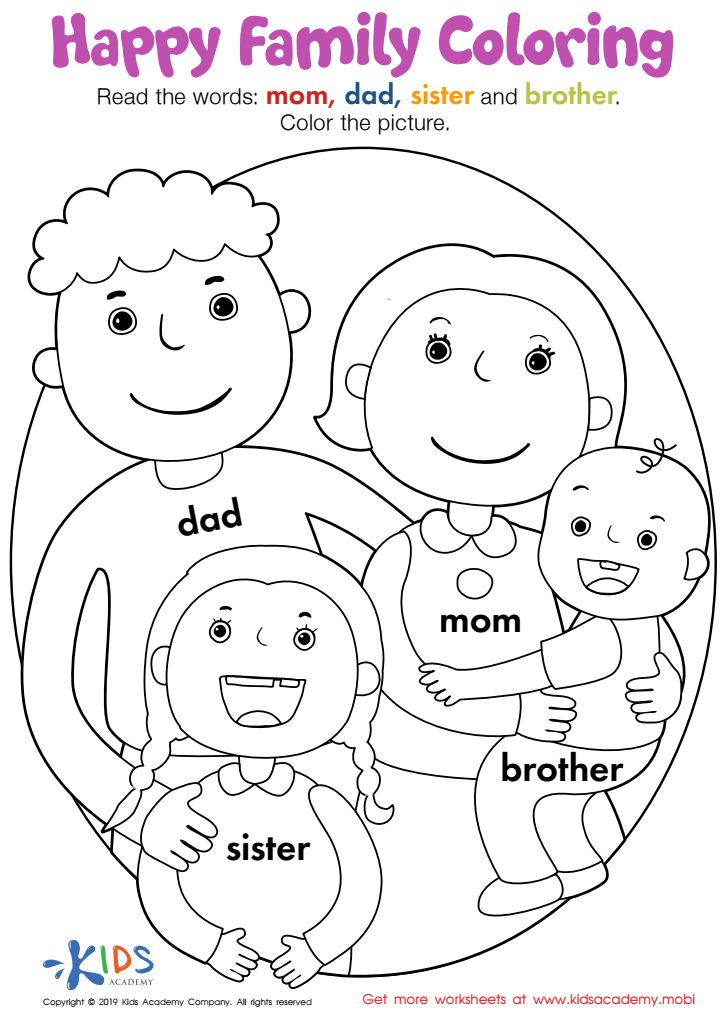
Happy Family Coloring Worksheet
Assign to My Students
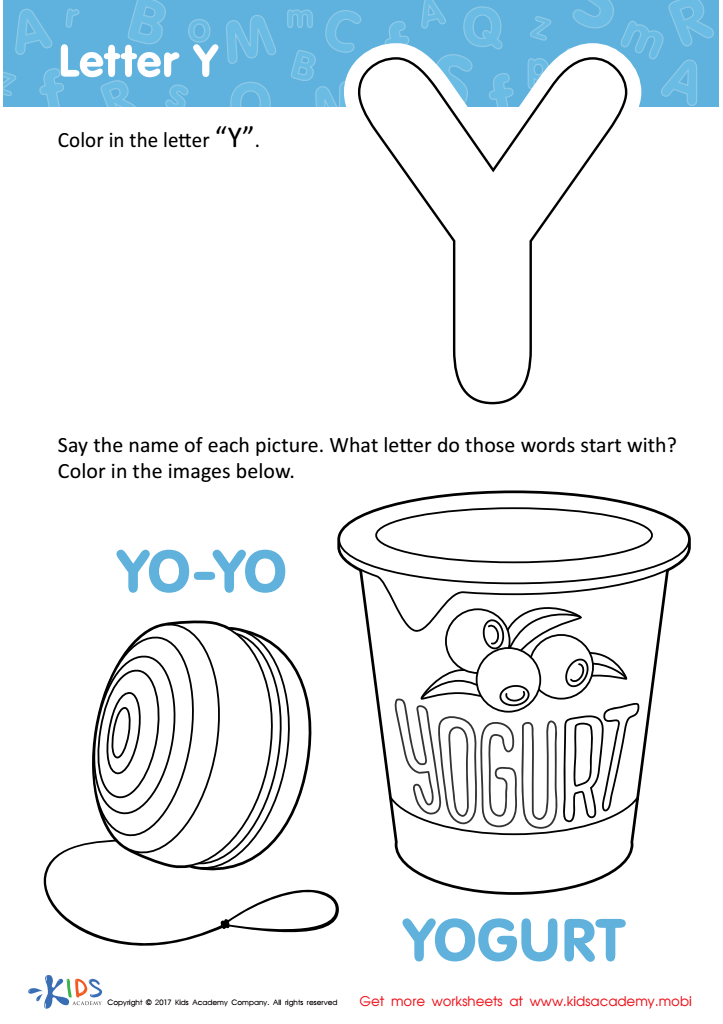
Letter Y Coloring Sheet
Assign to My Students
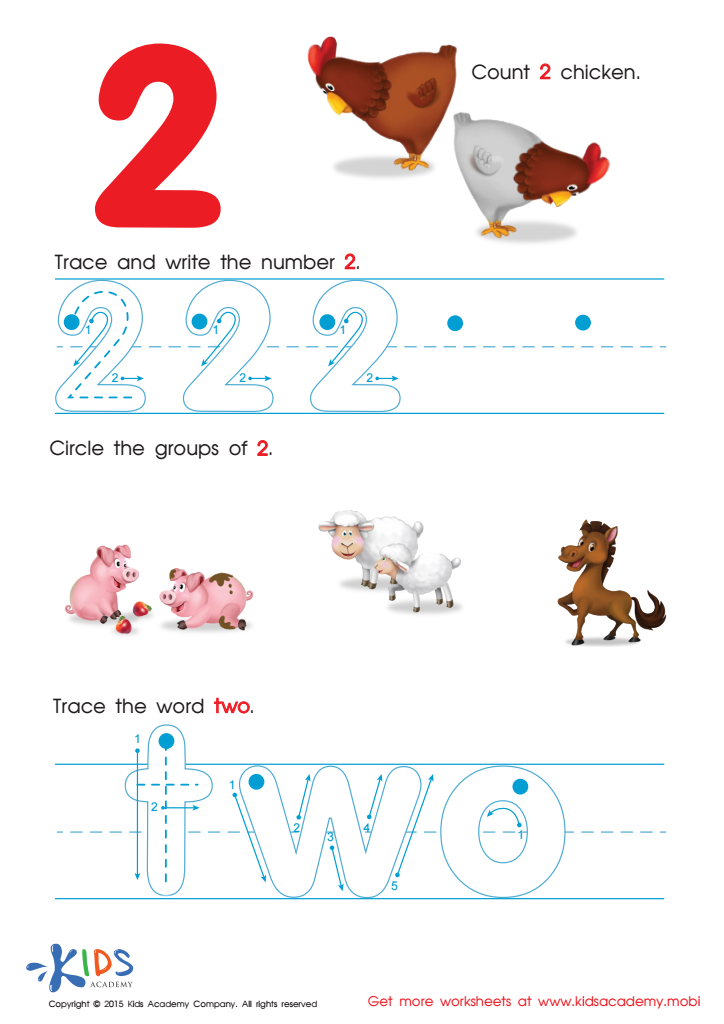
Learn to Write the Number 2 Worksheet

Letter F Tracing Page
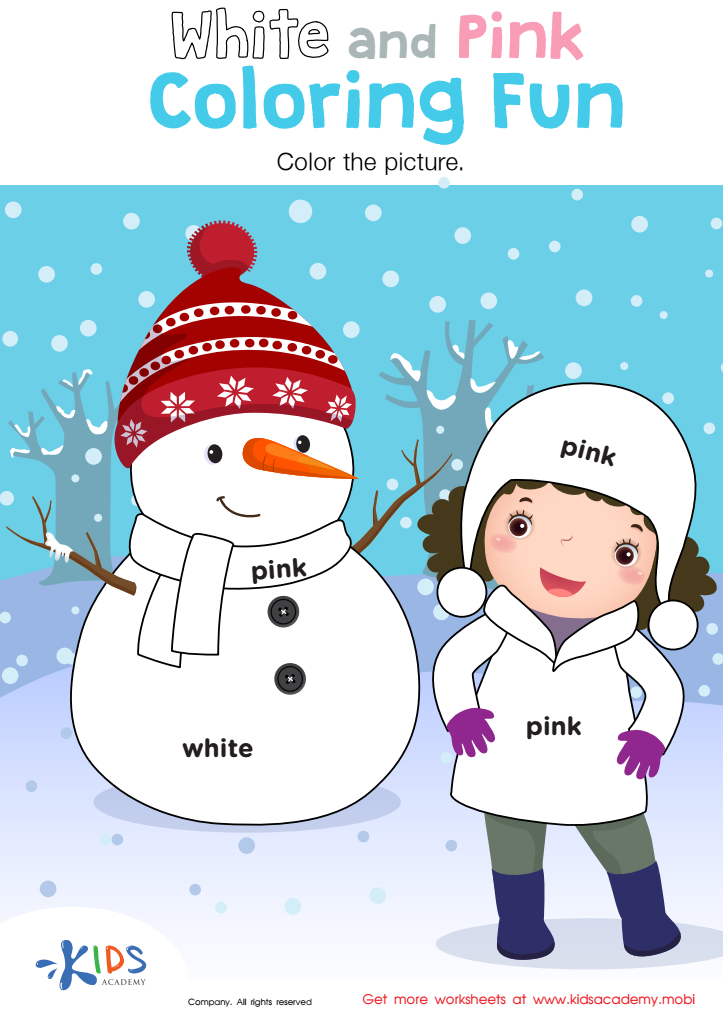
White and Pink Coloring Fun Worksheet
Assign to My Students
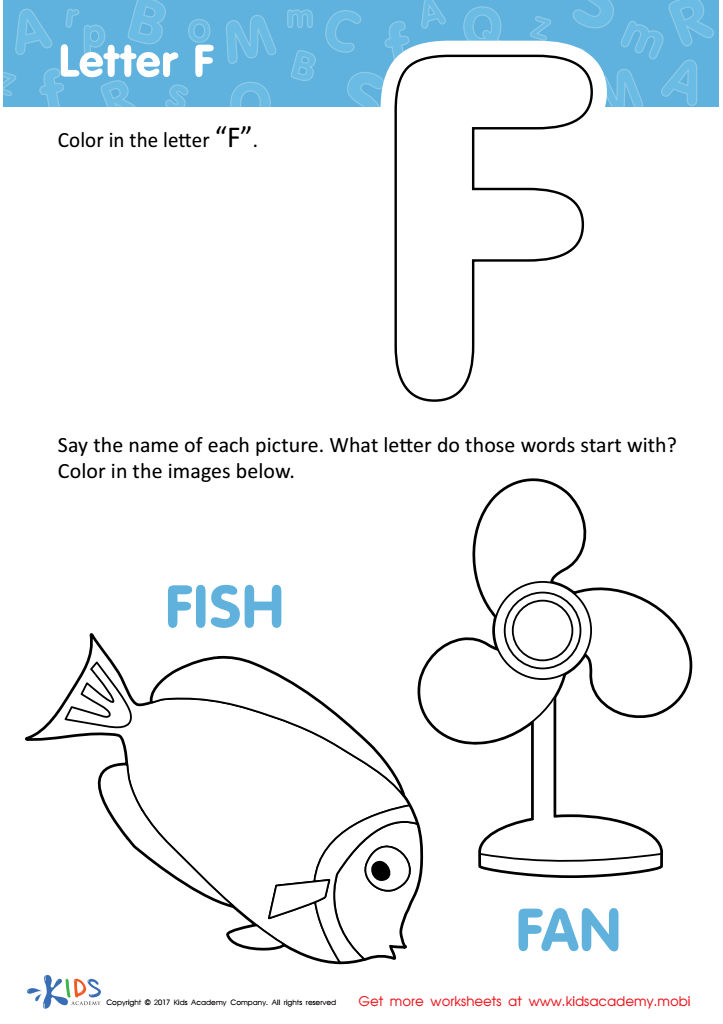
Letter F Coloring Sheet
Assign to My Students
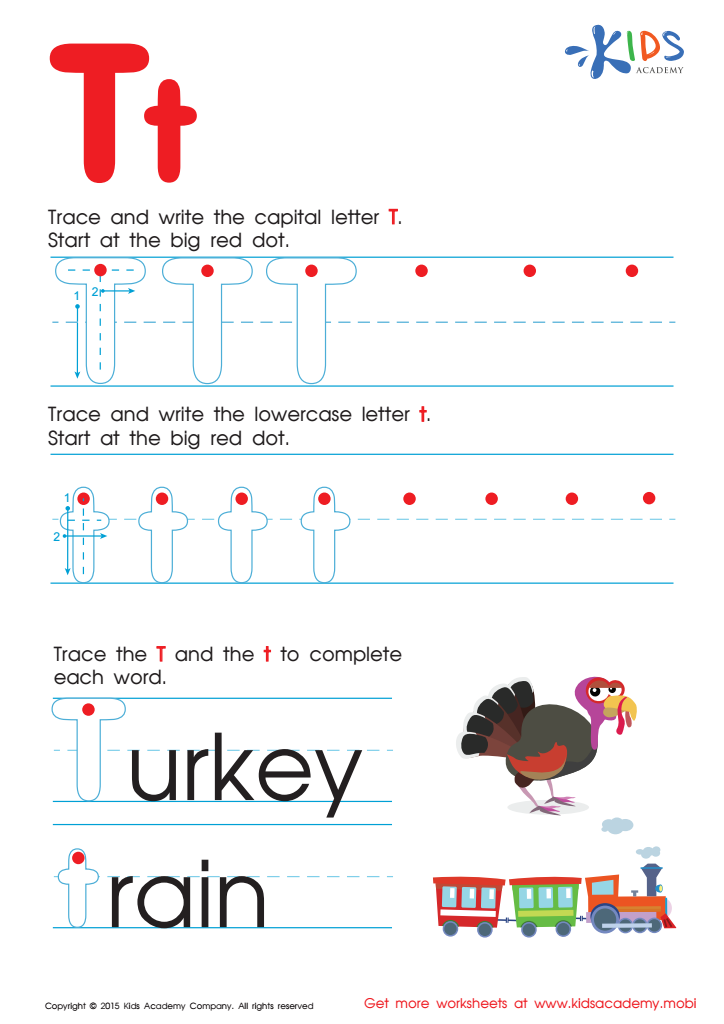
Letter T Tracing Page
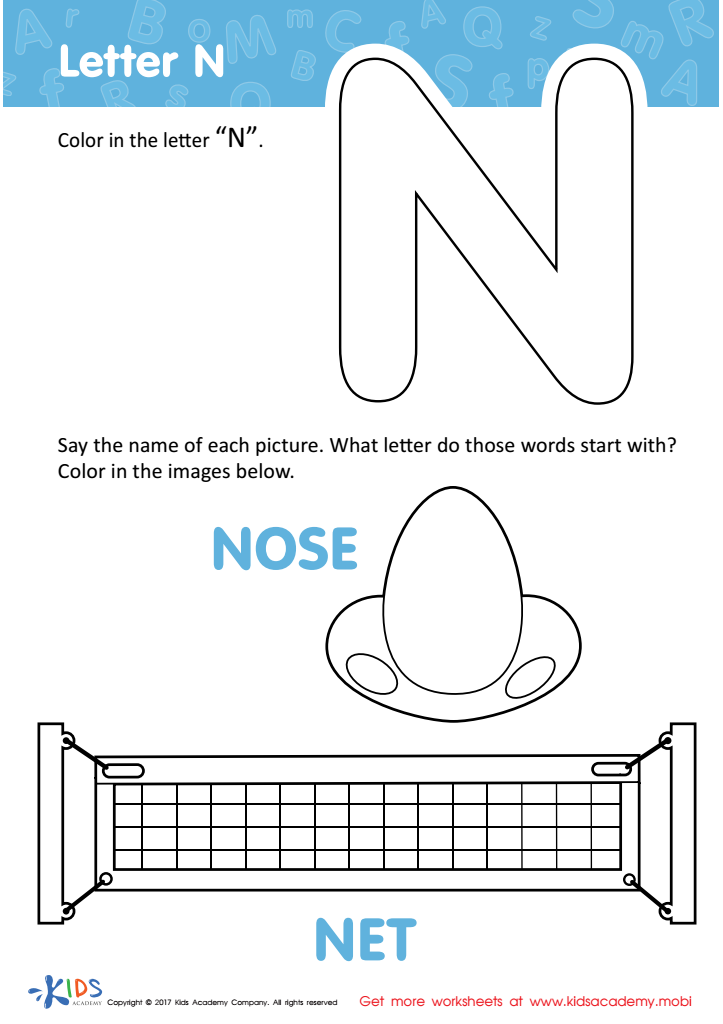
Letter N Coloring Sheet
Assign to My Students

Letter D Tracing Page





Parents and teachers should care about fine motor skills for children ages 3-5 because these skills form the foundation for essential everyday tasks and school readiness. Fine motor skills involve the coordination of small muscles in the hands and fingers, enabling children to perform tasks such as holding a pencil, using scissors, buttoning clothes, and tying shoelaces. Developing these skills early on not only promotes independence but also enhances cognitive development through activities that require focus and hand-eye coordination.
In the context of learning English for beginners, fine motor skills are crucial for penmanship, such as forming letters and numbers accurately. Proficient fine motor control allows children to express their thoughts through writing more effectively, aiding in literacy development. Moreover, activities that improve fine motor skills also foster creativity and problem-solving abilities, as children manipulate objects, draw, and create.
For parents and teachers, emphasizing fine motor skills through engaging, age-appropriate activities can make learning a more enjoyable and successful experience for young children. Activities like playing with playdough, threading beads, or completing puzzles are fun and beneficial. Prioritizing fine motor development thus lays the groundwork for academic success and the growth of essential life skills.