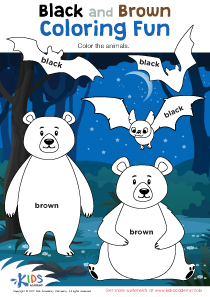
Word Recognition English for Beginners Worksheets for Ages 3-5
4 filtered results
-
From - To
Discover our engaging Word Recognition English Worksheets tailored for beginners aged 3-5! These fun and interactive resources are designed to enhance early literacy skills through colorful activities that make learning enjoyable. Perfect for young learners, our worksheets focus on key vocabulary and sight words, helping to build a strong foundation in reading. With a variety of exercises like matching, tracing, and coloring, children will develop essential word recognition skills while fostering a love for language. Ideal for parents, educators, and homeschoolers, these worksheets are a valuable tool to support English language learning in a playful and effective way. Explore and watch your little ones thrive!
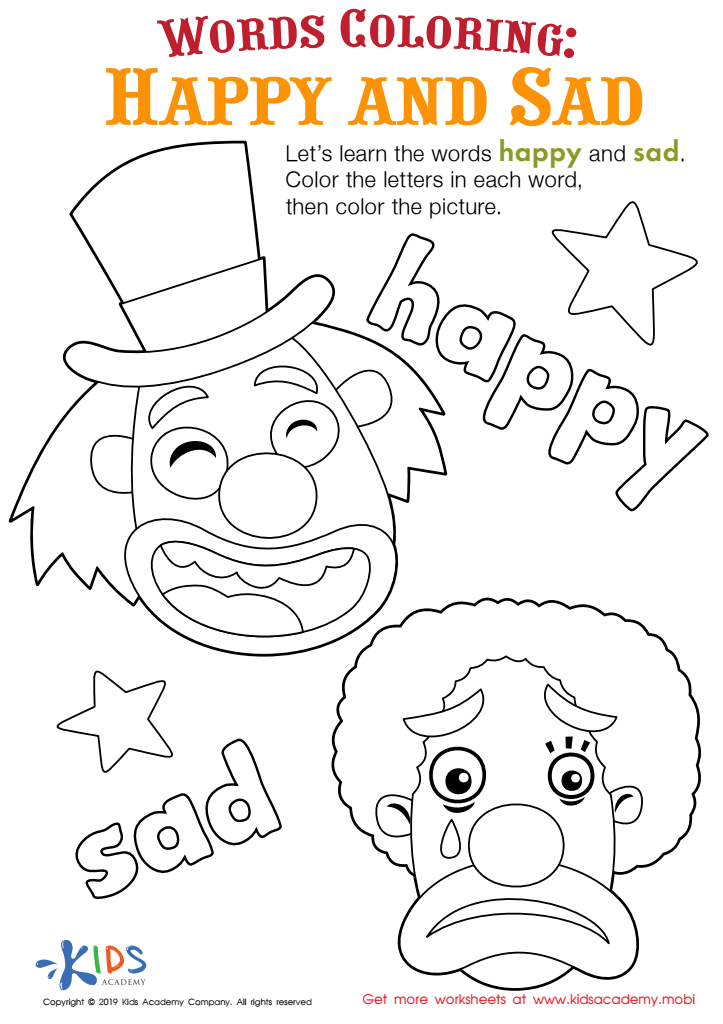
Happy and Sad Words Coloring Worksheet
 Assign to My Students
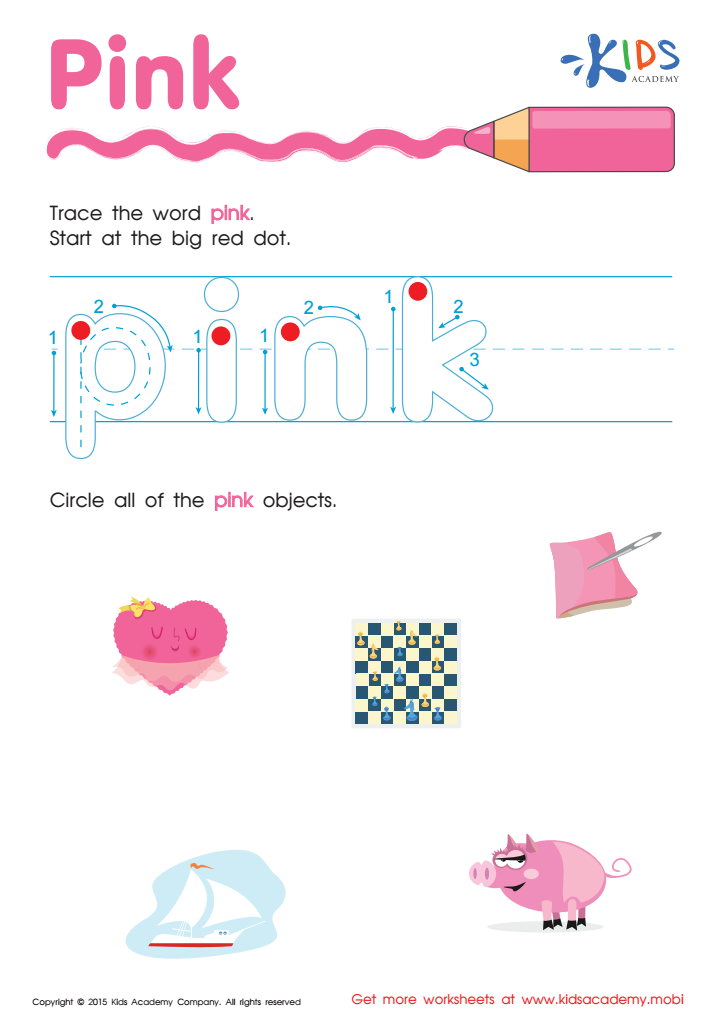
Pink Tracing Color Words Worksheet
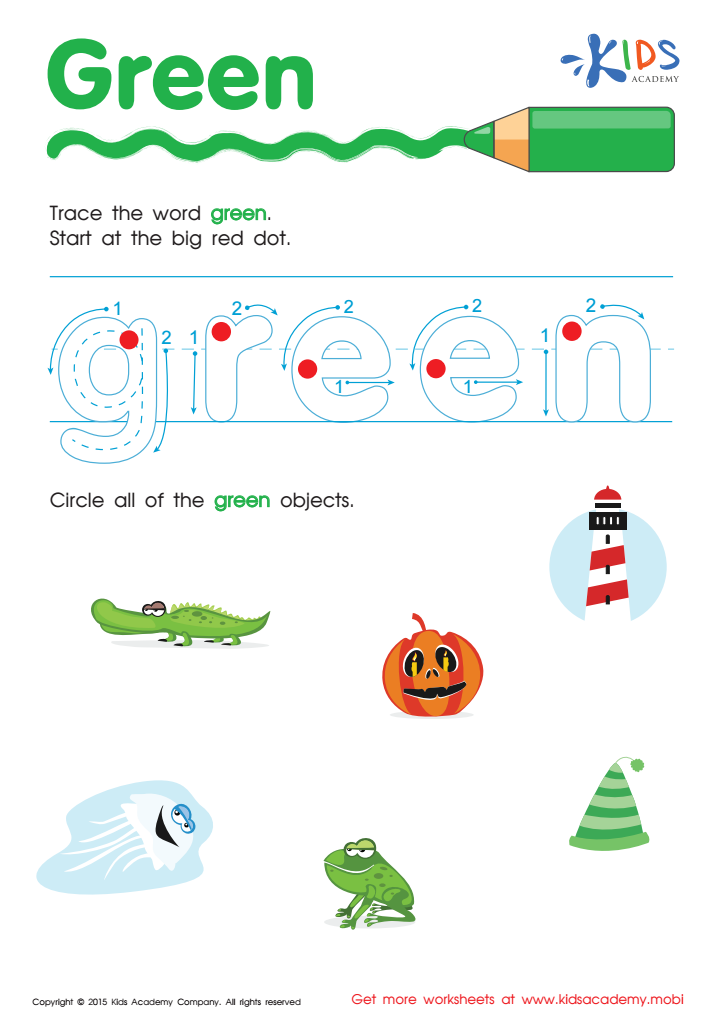
Green Tracing Color Words Worksheet
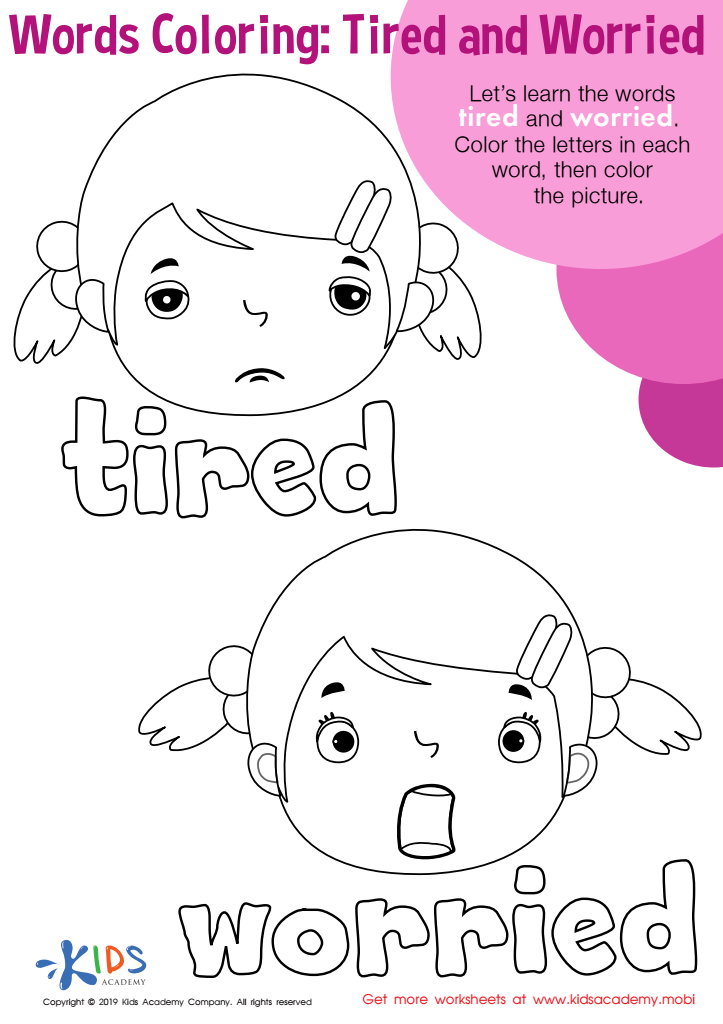
Tired and Worried Words Coloring Worksheet
Assign to My Students





Word recognition is a foundational literacy skill that significantly impacts early language development and later academic success. For parents and teachers of children ages 3-5, fostering word recognition is essential for several reasons.
Firstly, early word recognition enables young learners to identify and understand words, fostering their ability to read and communicate effectively. This critical skill helps them build their vocabulary and understand the world around them, laying the groundwork for more complex language skills.
Moreover, promoting word recognition during these formative years boosts children’s confidence and enthusiasm for reading. Children who grasp the basics of reading and can recognize familiar words often develop a lifelong love for books, which is vital for future learning. Engaging with text at an early age also enhances cognitive skills, including memory and comprehension.
Additionally, word recognition supports early literacy assessments in educational settings. Parents and teachers who prioritize this skill can help identify children's strengths and areas for improvement early on. Consequently, they can provide tailored support that caters to individual learning needs, ensuring every child has the tools necessary for success in school and beyond. Overall, fostering word recognition not only nurtures a child’s language skills but also cultivates a habit of lifelong learning.