Alphabet familiarity Worksheets for Ages 3-5
9 filtered results
-
From - To
Boost your child's early literacy skills with our Alphabet Familiarity Worksheets designed for ages 3-5! These engaging and colorful worksheets help little learners identify letters and understand their sounds through fun activities. Whether it’s tracing, coloring, or matching letters with corresponding images, each worksheet promotes hands-on learning and enhances fine motor skills. Perfect for homeschooling or classroom settings, our worksheets guide children on their journey to reading and writing readiness. Download now and watch your child's confidence grow as they explore the exciting world of letters in a playful and interactive way! Start their literacy adventure today!
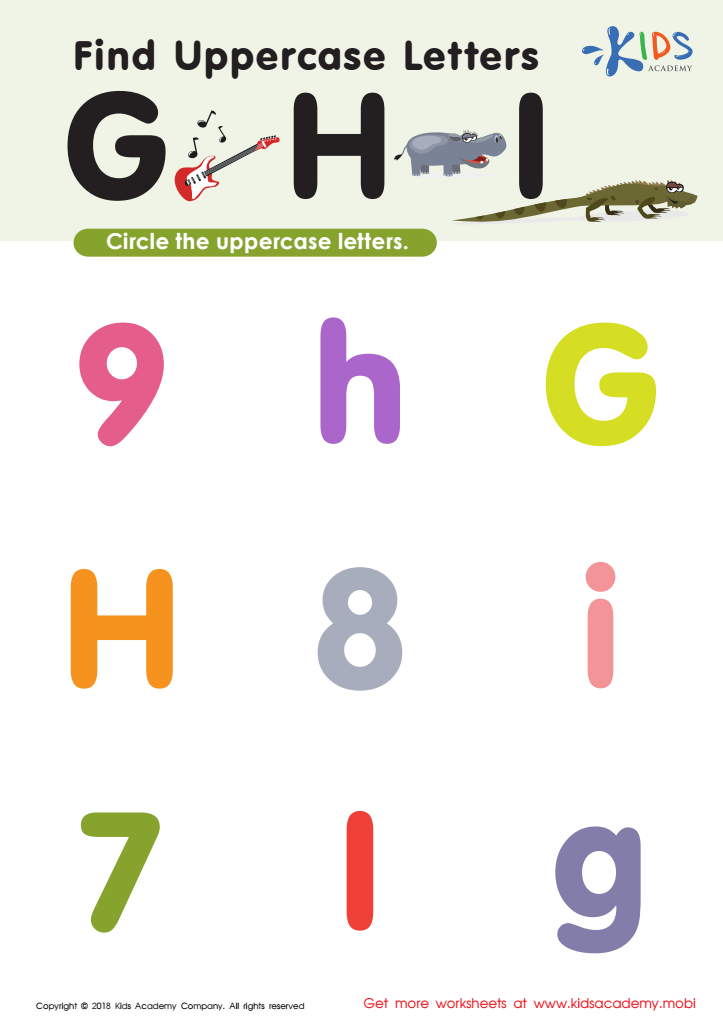
Find Uppercase Letters G, H, and I Worksheet
 Assign to My Students
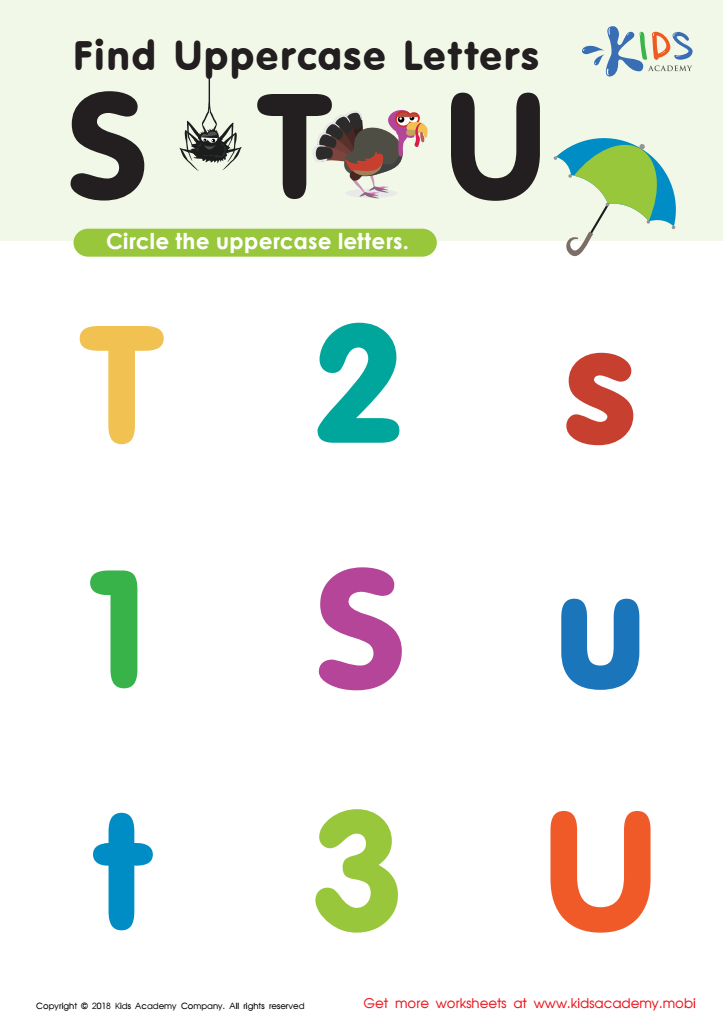
Find Uppercase Letters Worksheet
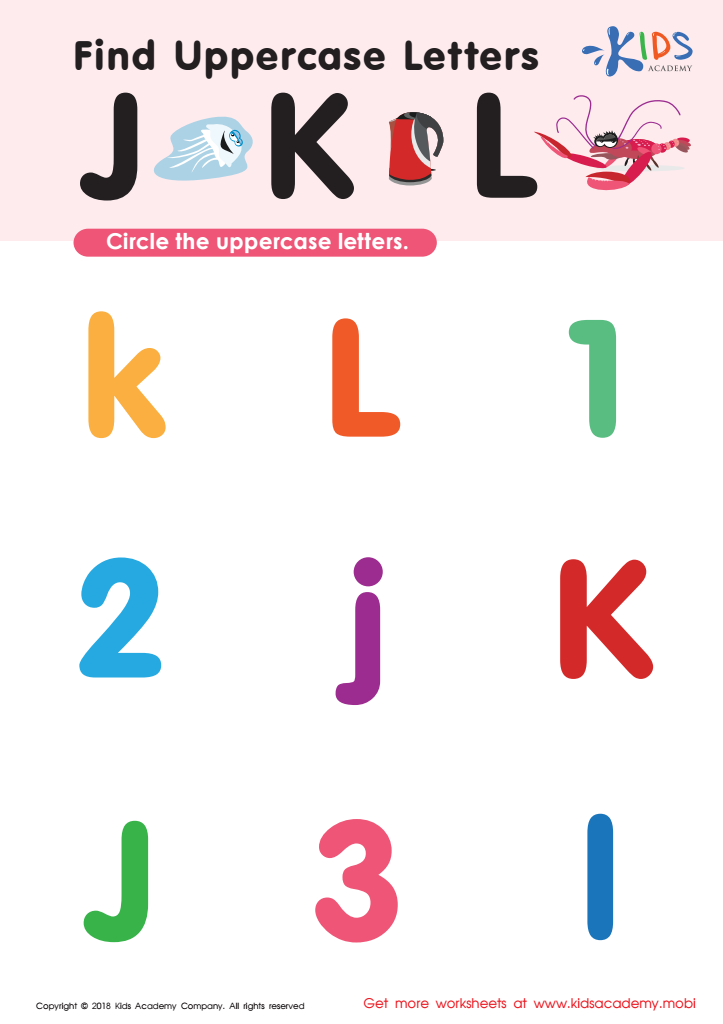
Find Uppercase Letters J, K, and L Worksheet
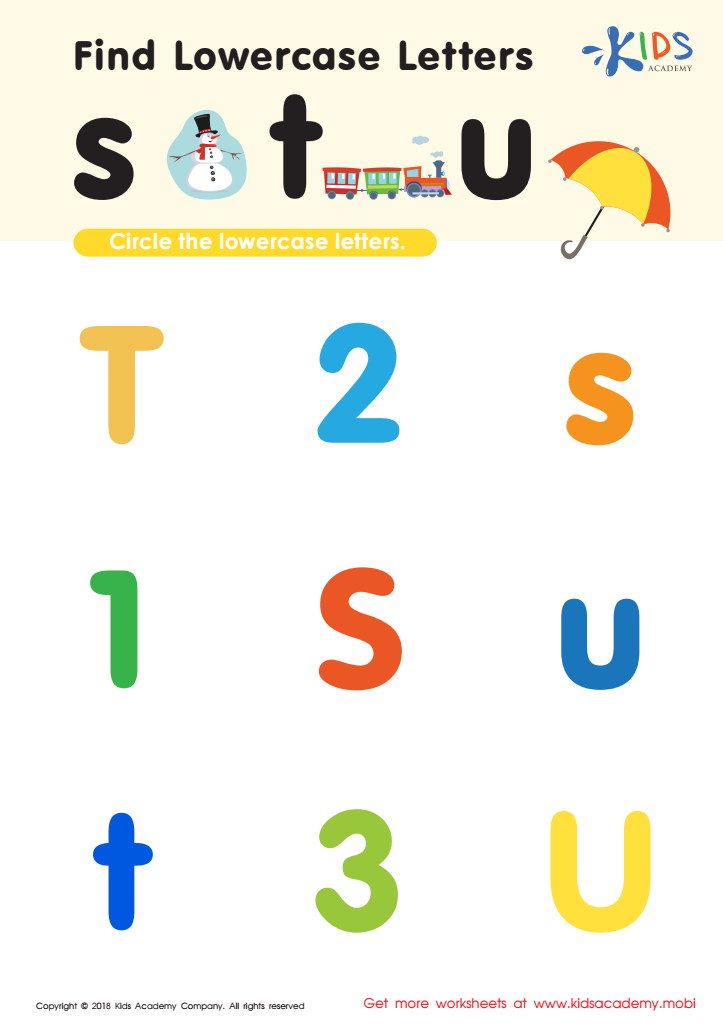
Find lowercase Letters s t u Worksheet
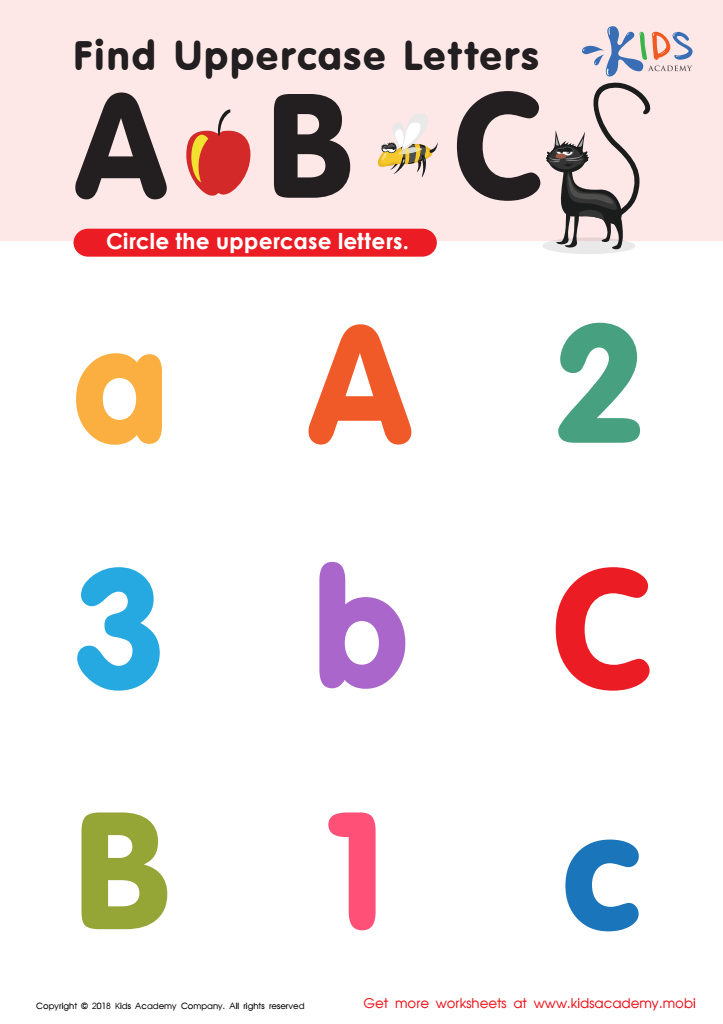
Find Uppercase Letters A, B, and C Worksheet
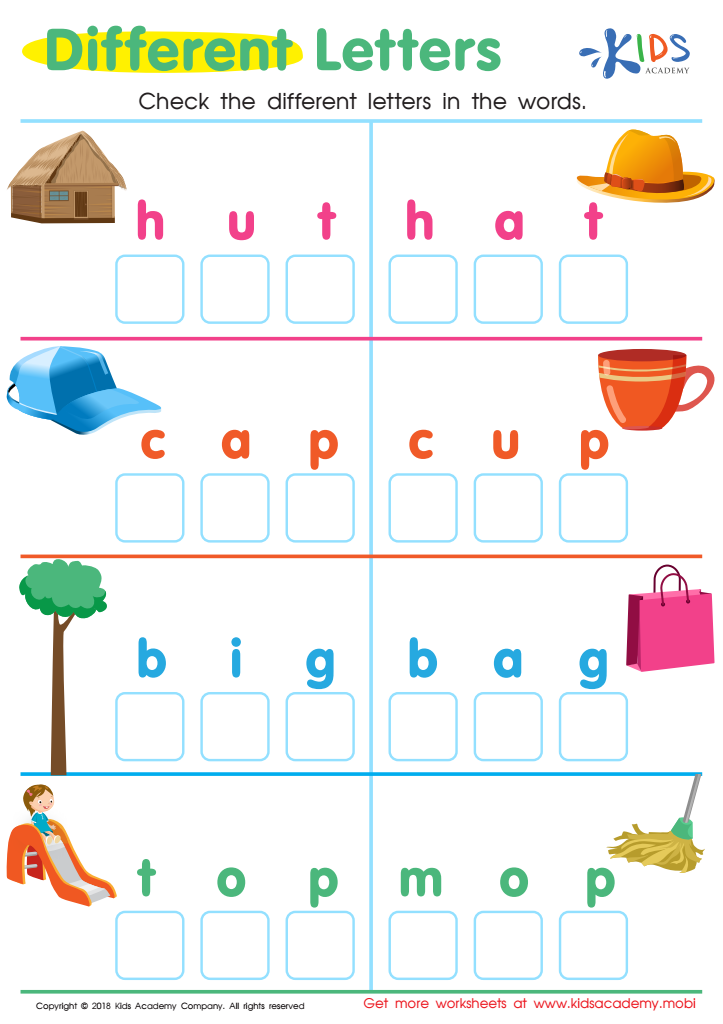
Different Letters Reading Worksheet
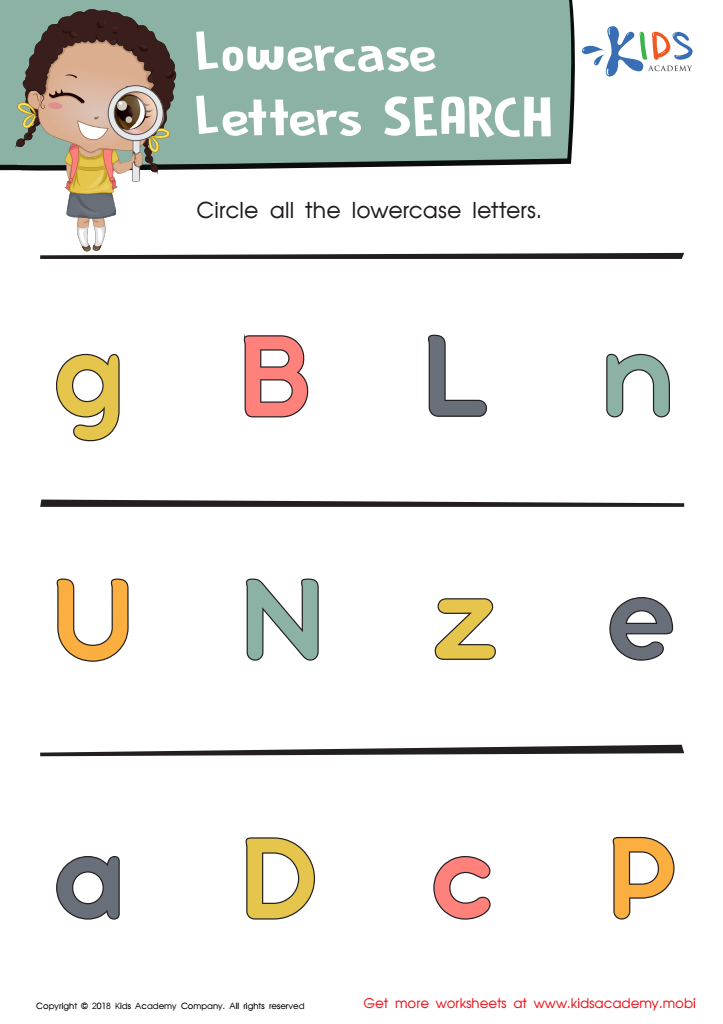
Lowercase Letters Search: Assessment Worksheet
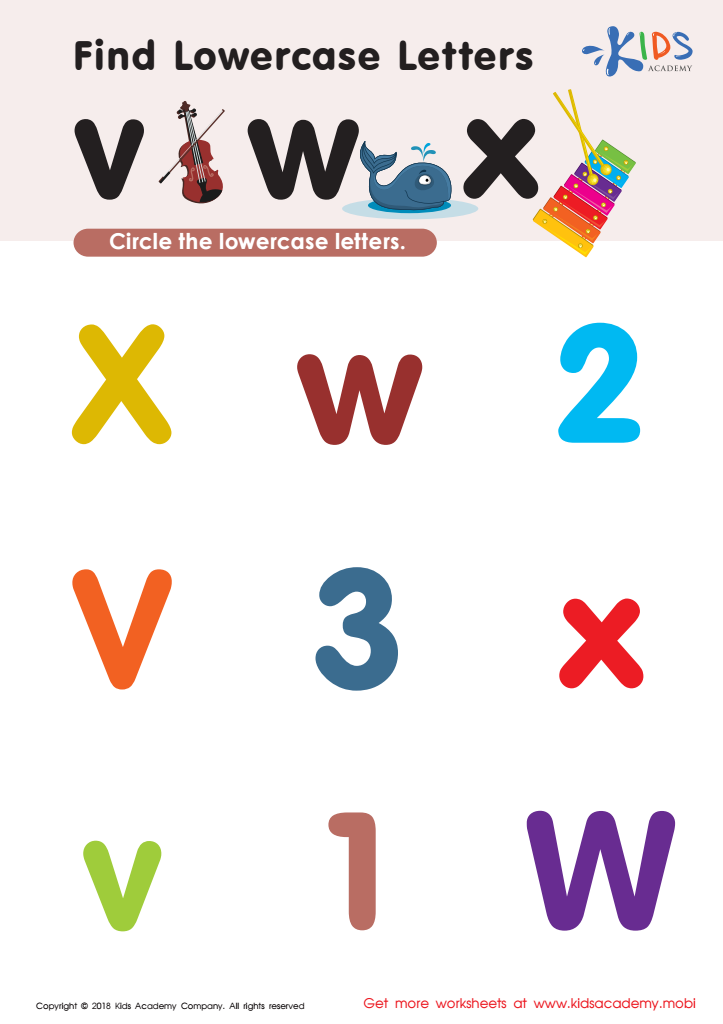
Find Lowercase Letters v w x Worksheet
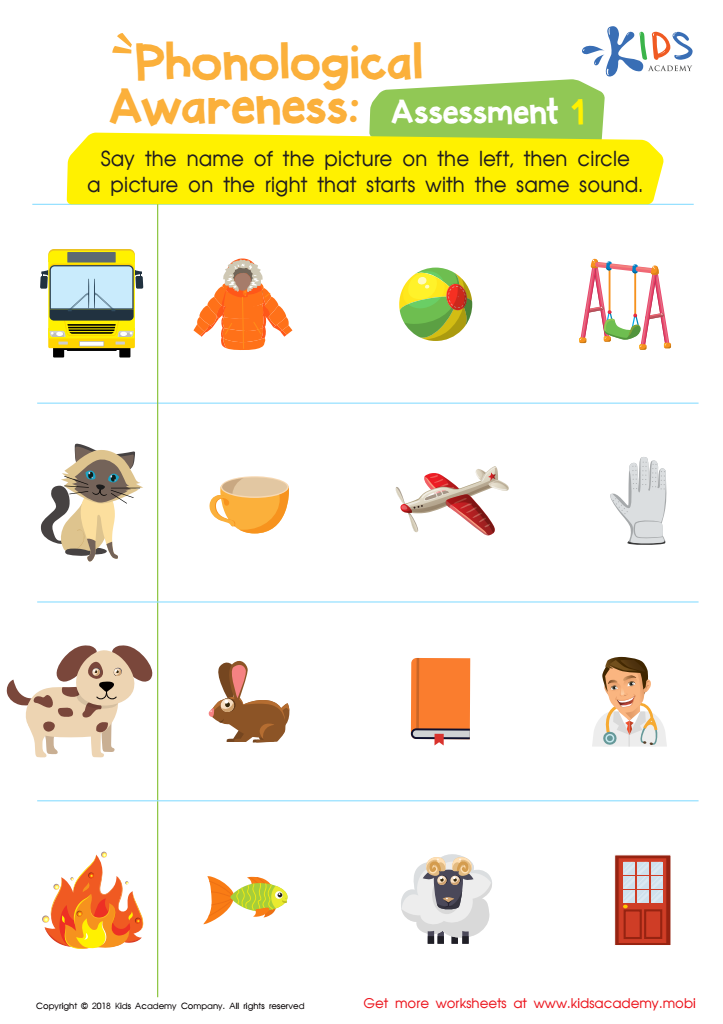
Phonological Awareness: Assessment 1 Worksheet







Alphabet familiarity is crucial for children ages 3-5 as it lays the foundation for early literacy development. At this stage, young learners are beginning to make connections between letters and sounds, which are essential skills for reading and writing. Understanding the alphabet enhances their vocabulary, phonemic awareness, and cognitive skills.
Parents and teachers should prioritize alphabet familiarity because it fosters language development and boosts children's confidence in their ability to communicate. Children who are familiar with letters are more likely to engage with books, participate in language-rich activities, and express themselves effectively, setting the stage for future academic success.
Additionally, early exposure to letters helps develop fine motor skills as children practice writing, drawing, and manipulating letters through playful activities. This holistic approach supports not just literacy but also social-emotional growth, as children feel a sense of achievement and belonging within a learning community.
By integrating alphabet recognition in daily routines—like reading, singing, and games—parents and teachers can nurture a lifelong love for learning and ensure that children are well-equipped for the challenges of formal education. Careful attention to alphabet familiarity thus serves as a vital building block for a child's overall development.








