Alphabetical understanding Worksheets for Ages 3-5
3 filtered results
-
From - To
Unlock early literacy skills with our engaging Alphabetical Understanding Worksheets for Ages 3-5! Specifically designed for preschoolers, these worksheets introduce young learners to the world of letters and sounds. Featuring a variety of activities, from tracing and matching to coloring and identifying, our worksheets help strengthen alphabetical recognition and phonemic awareness. Perfect for classroom use or at-home practice, these printable resources ensure a fun and effective learning experience, laying the foundation for reading and writing success. Help your child embark on an exciting educational journey while reinforcing essential early learning skills effortlessly. Download and start learning today!
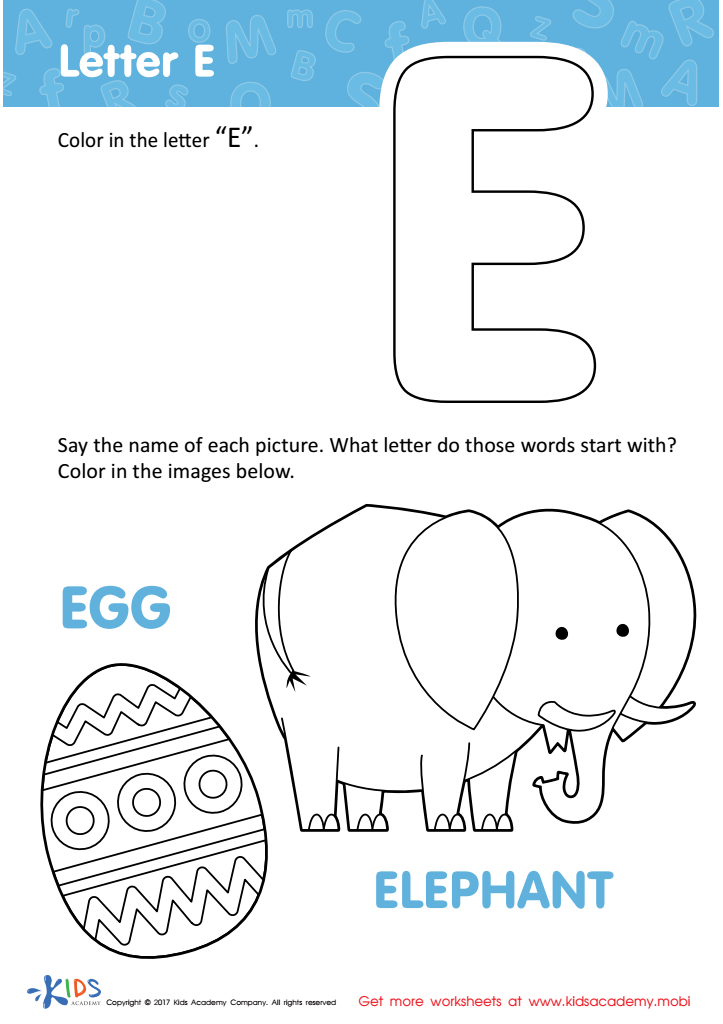
Letter E Coloring Sheet
 Assign to My Students
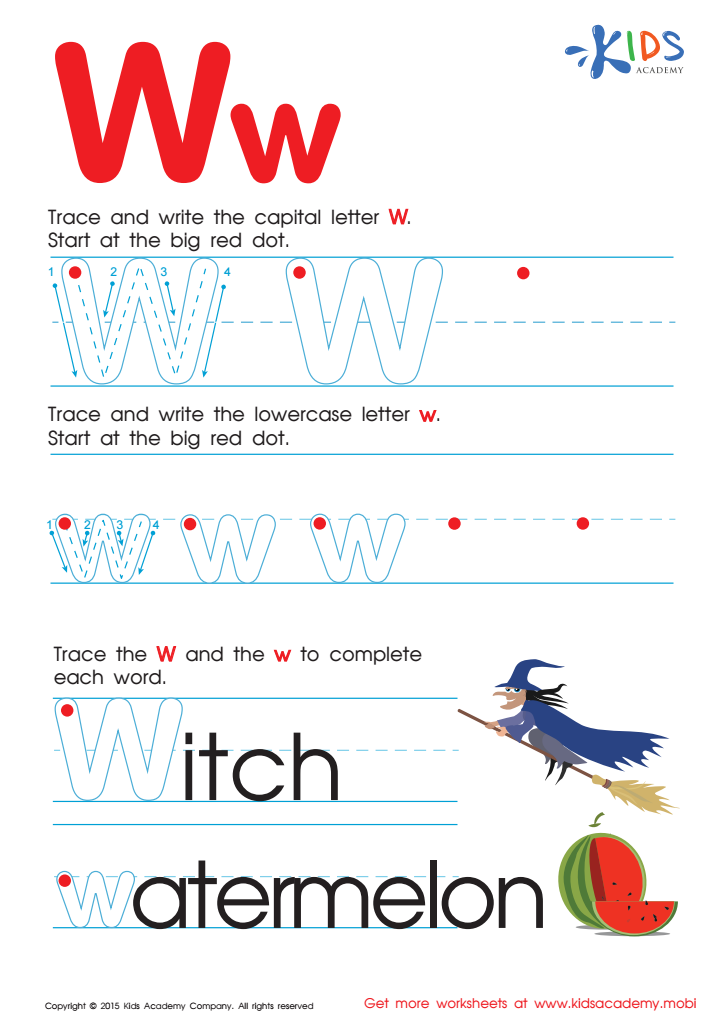
Letter W Tracing Page
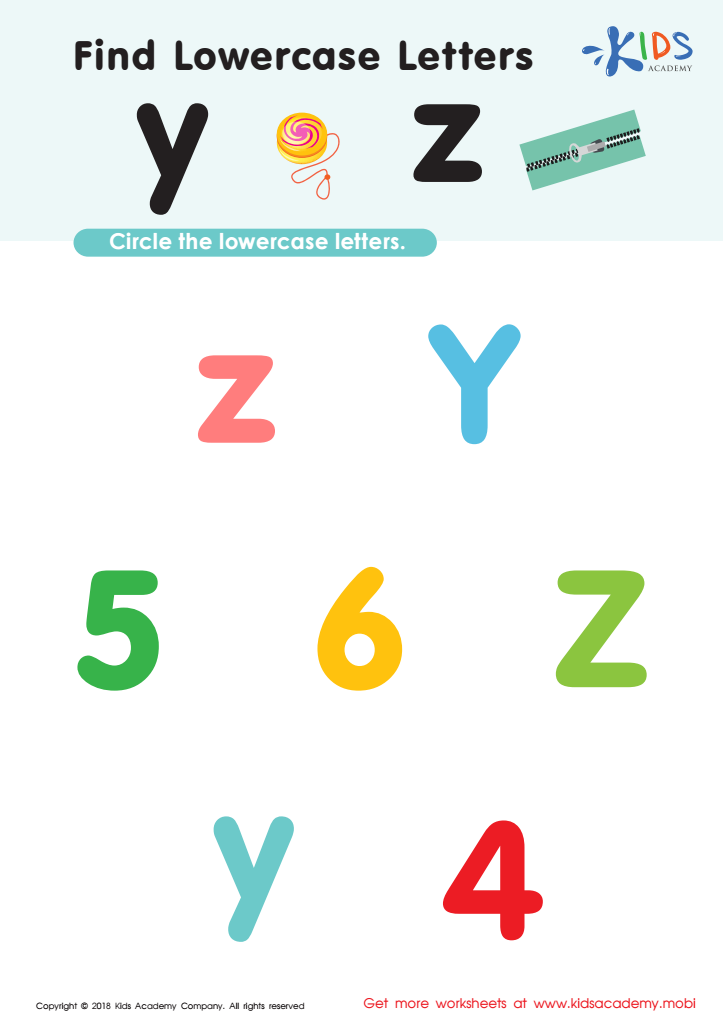
Find Lowercase Letters y z Worksheet








Alphabetical understanding is a crucial foundation for young children, especially those aged 3-5. During these early years, children's brains are highly receptive to learning new concepts, which makes it an ideal time for them to grasp the basics of the alphabet. Knowing the alphabet is a fundamental step towards developing strong reading and writing skills—capabilities that will be essential throughout their education and beyond.
First, understanding the alphabet helps children recognize letters, distinguish their sounds, and begin to understand the building blocks of words. This early phonemic awareness is integral for later reading fluency and comprehension. When children can identify and pronounce letters and their associated sounds, they are better equipped to decode words when they start reading.
Moreover, alphabet knowledge supports fine motor skills through activities like writing. Practicing how to write each letter helps children control their hand movements, strengthening their ability to write legibly in the future.
Alphabetical understanding also builds confidence and fosters a love for learning. When children know their letters, they are more likely to enjoy storytime, participate in classroom activities, and engage in playful word games. This enthusiasm for learning often translates into a smoother academic journey, setting the stage for future success.
Parents and teachers play a crucial role in nurturing this understanding, often through simple, fun activities like singing the ABCs, playing with letter blocks, or reading alphabet books.








