Analytical thinking Worksheets for Ages 3-5
3 filtered results
-
From - To
Unlock the power of analytical thinking in young learners with our engaging Analytical Thinking Worksheets for ages 3-5! Designed to cultivate critical cognitive skills, these worksheets challenge children to identify patterns, solve puzzles, and make connections through fun activities. Each worksheet promotes creativity and encourages children to think systematically, enhancing their problem-solving abilities from an early age. Ideal for parents and educators alike, our printable resources make learning a delightful experience. Foster curiosity and a love for learning as your little ones explore foundational concepts, build confidence, and embark on exciting educational adventures. Perfect for at-home practice or classroom enrichment!
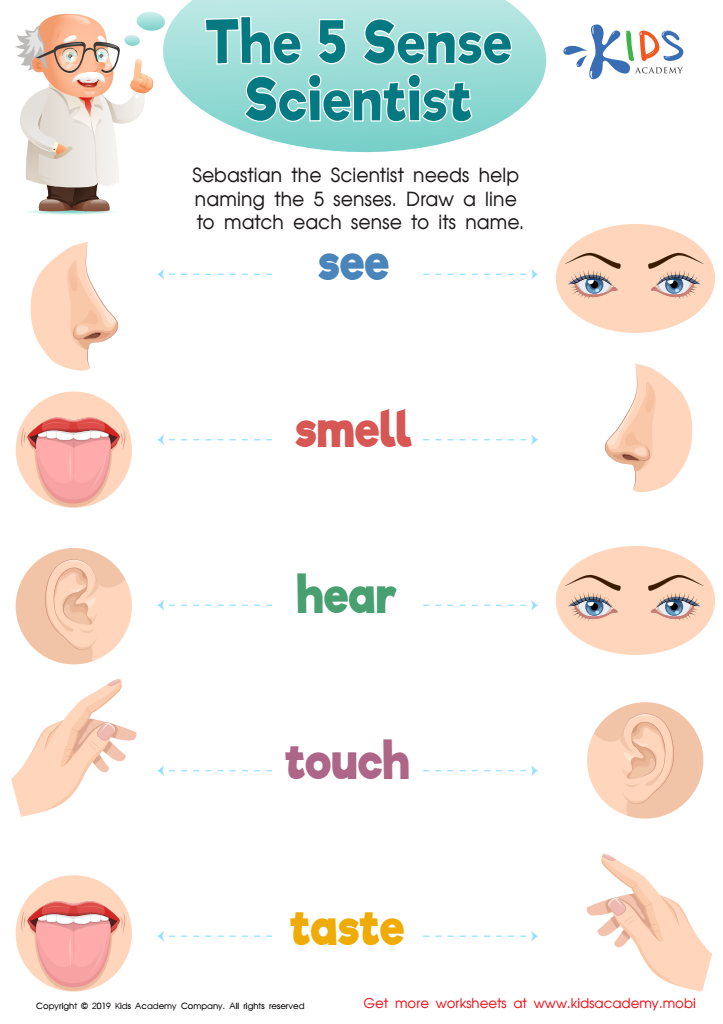
The 5 Sense Scientist Worksheet
 Assign to My Students
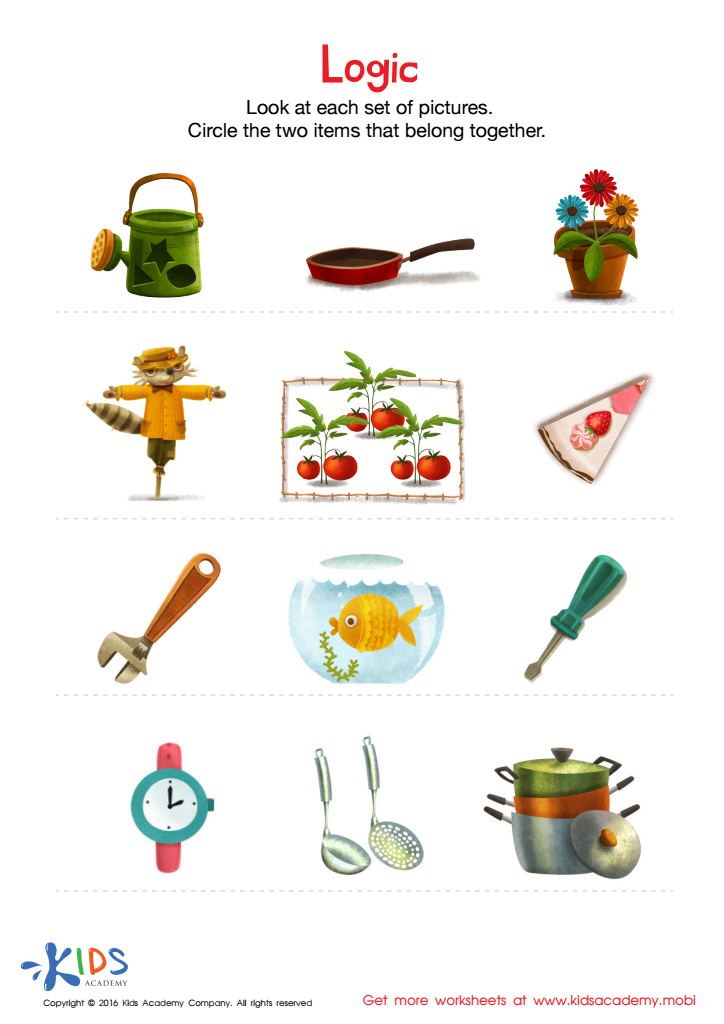
Logic Game Sorting Worksheet
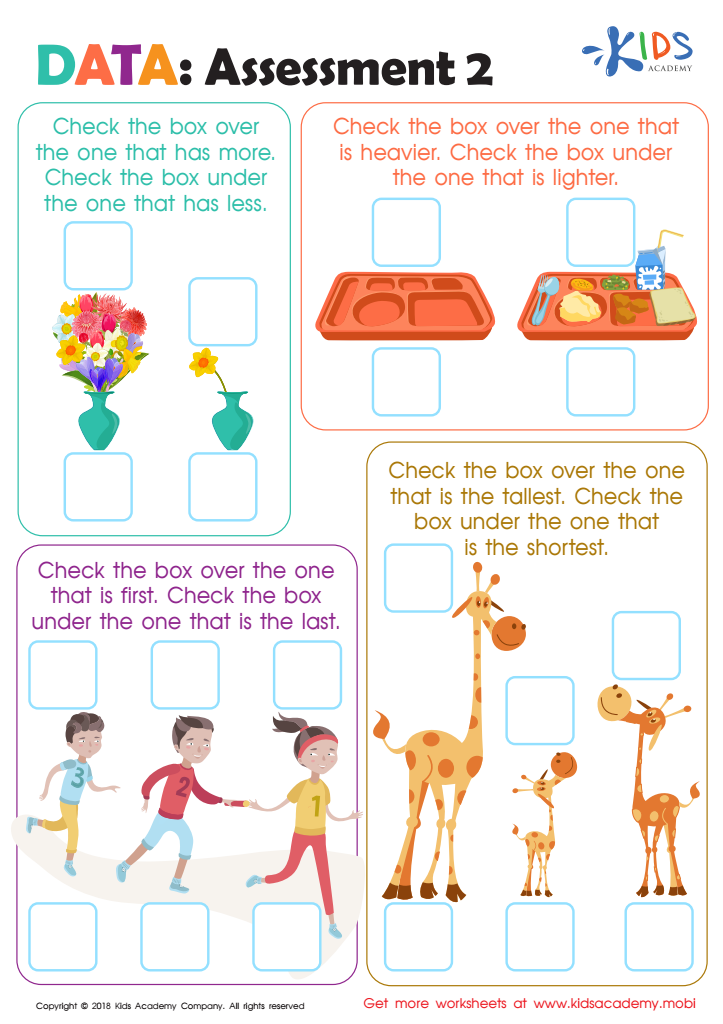
Data: Assessment 2 Worksheet








Analytical thinking is a foundational skill for young children, particularly between the ages of 3-5, as it lays the groundwork for problem-solving and cognitive development. Parents and teachers should prioritize fostering this skill for several reasons.
Firstly, analytical thinking encourages curiosity. At this age, children begin to explore the world more deeply, asking questions and seeking to understand their surroundings. By nurturing this thinking style, adults can stimulate children's inherent curiosity, promoting exploration and learning.
Secondly, analytical thinking aids in decision-making. Young children who practice this skill learn to weigh options and predict outcomes, enabling them to make more informed choices as they navigate social interactions and everyday situations.
Additionally, fostering analytical skills helps build emotional intelligence. When children analyze their own feelings and those of others, they develop empathy and stronger relational skills.
Moreover, as children learn to break down tasks into smaller, manageable parts, they enhance their ability to focus and persevere, essential skills for academic success.
Incorporating activities that promote analytical thinking—such as puzzles, storytelling, and open-ended questions—creates a rich learning environment. Therefore, recognizing the significance of analytical thinking at this stage is crucial for setting children on the path to lifelong learning and effective problem-solving.








