Basic Counting Worksheets for Ages 3-5
6 filtered results
-
From - To
Explore our engaging “Basic Counting Worksheets for Ages 3-5” to help your little learners develop foundational math skills! Designed specifically for young minds, these worksheets make learning to count fun and interactive. Featuring vibrant illustrations and various activities, children will enjoy tracing numbers, counting objects, and enhancing their recognition skills. Our resources cater to diverse learning styles, ensuring a well-rounded approach to early math education. Encourage your child's curiosity and confidence while they embark on their counting journey! Perfect for use at home or in the classroom, our worksheets are an essential tool for preschoolers preparing for more advanced math concepts.
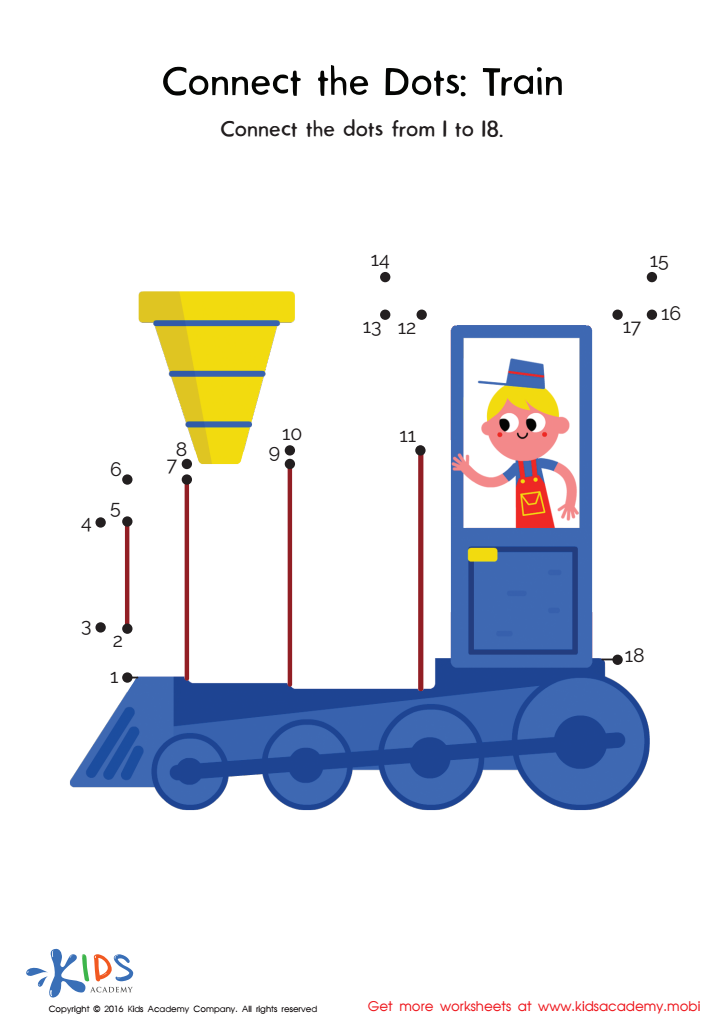
 Assign to My Students
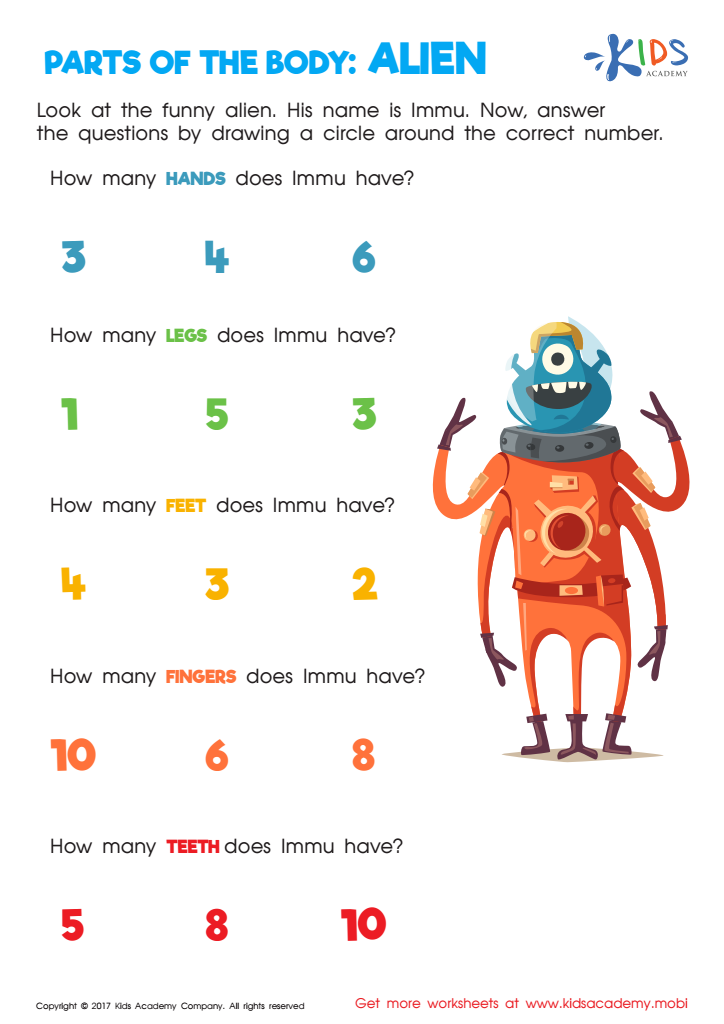
Alien Worksheet
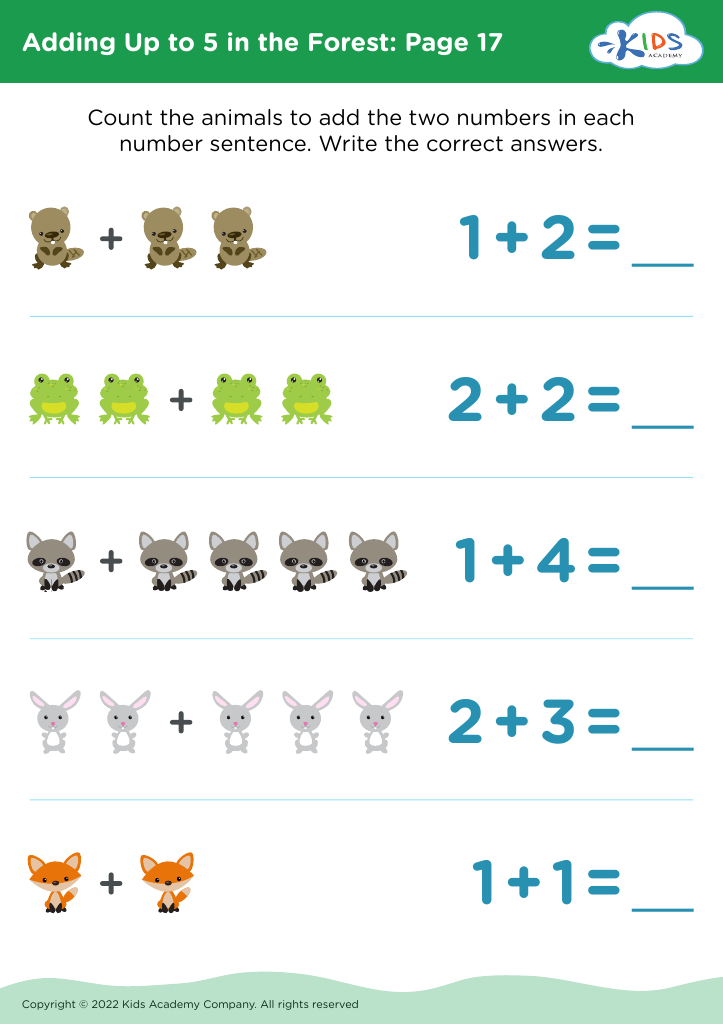
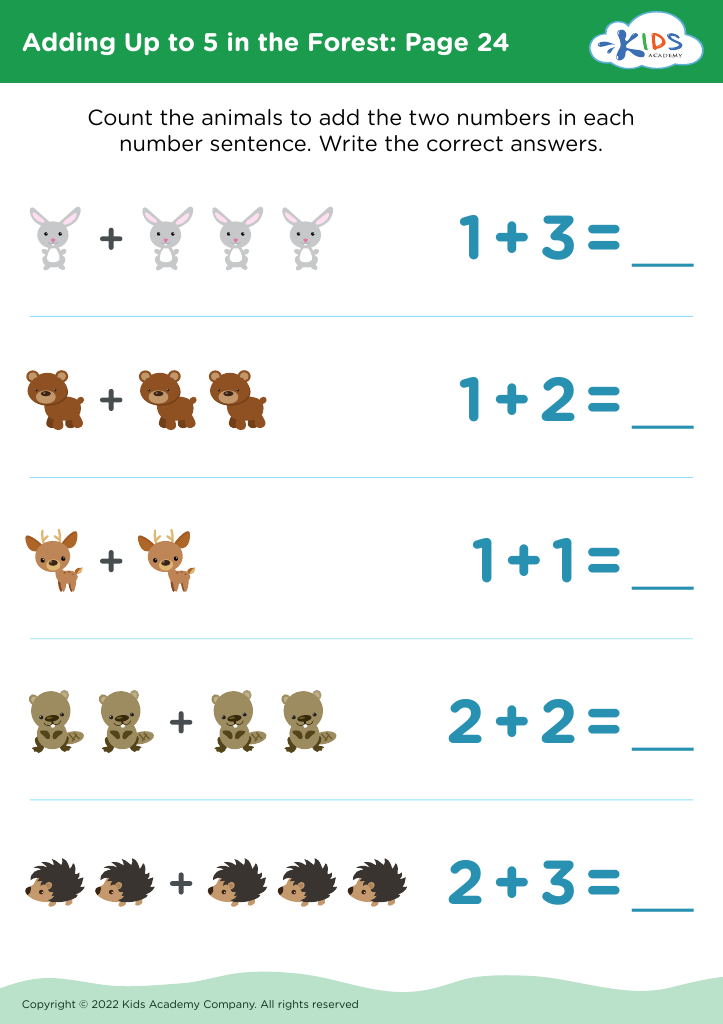
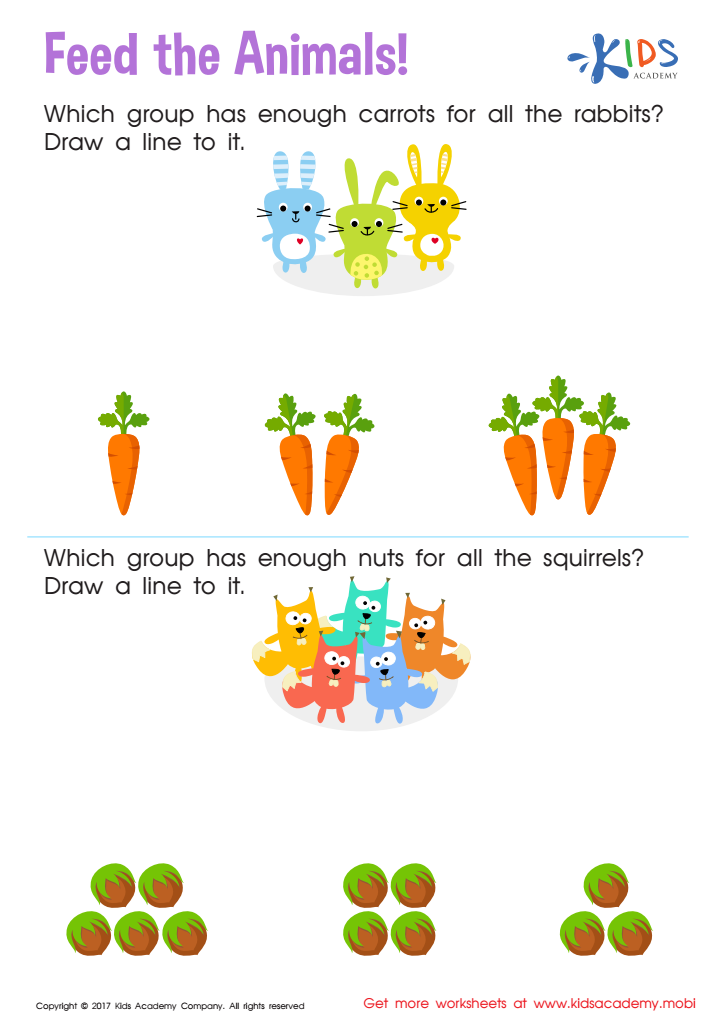
Count and Match: Feed the Animals Worksheet
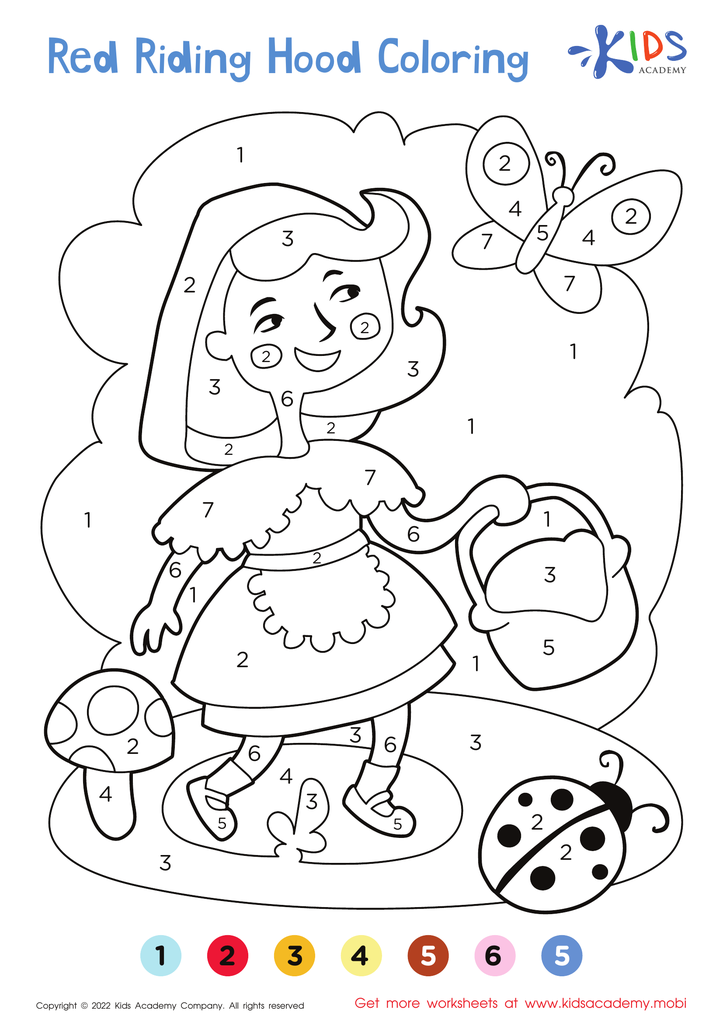
Little Red Riding Hood – Coloring by Numbers








Basic counting is a foundational skill crucial for young children's cognitive development, especially for those aged 3-5. During this developmental stage, children are like sponges, absorbing everything around them, making it the perfect time to introduce fundamental math concepts. Parents and teachers should care about basic counting for several reasons.
First, counting develops critical thinking and problem-solving skills. As children learn to count, they begin to understand quantities, order, and patterns, which are essential for later math concepts. These skills enhance their ability to make connections and logically approach problems.
Moreover, counting helps in language development. As children verbalize numbers, they enrich their vocabulary and improve communication skills, fostering confidence in expressing their thoughts.
Engaging in counting activities also nurtures a sense of accomplishment and boosts self-esteem. When children grasp counting, they feel motivated to learn more complex concepts. Lastly, early counting activities lay the groundwork for future mathematical learning, influencing success in school and everyday life.
In summary, fostering basic counting skills in early childhood is vital for cognitive and language development, enhances problem-solving abilities, builds self-esteem, and prepares children for more advanced learning down the line.








