Basic Math Skills Worksheets for Ages 3-5 - Page 3
91 filtered results
-
From - To
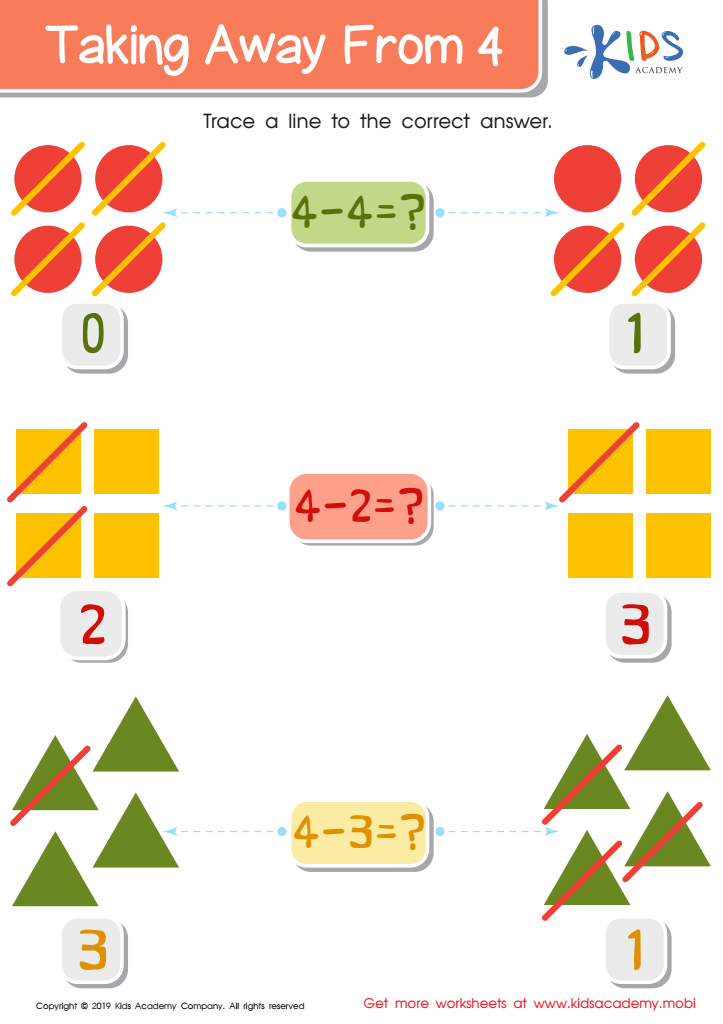
Taking Away from 4 Worksheet
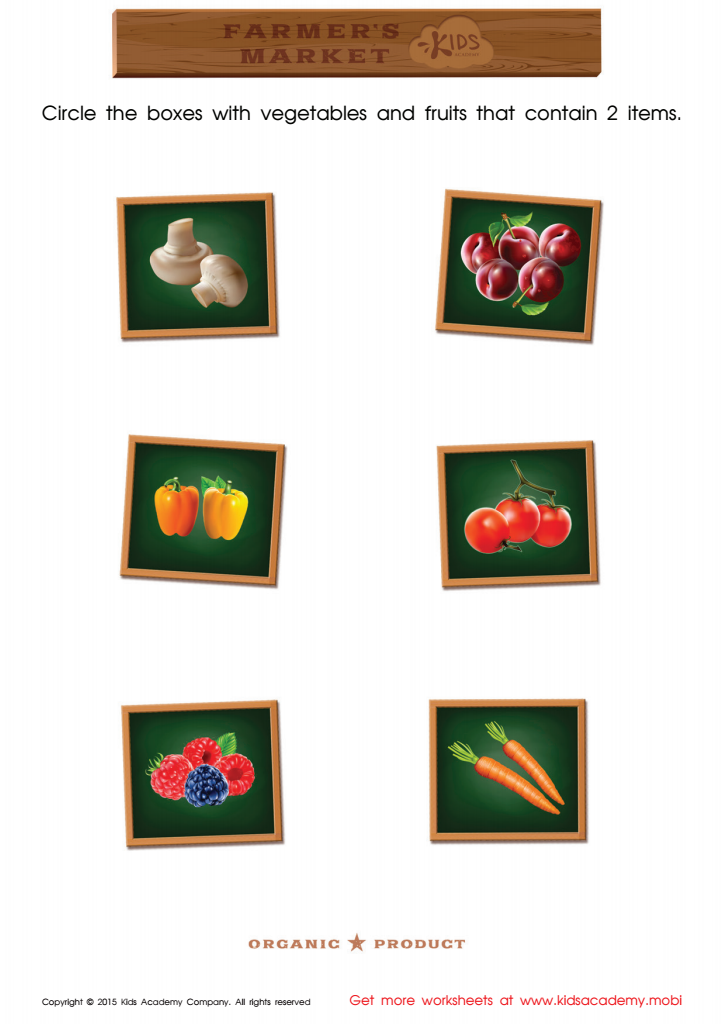
Count and Match Vegetables and Points Math Worksheet
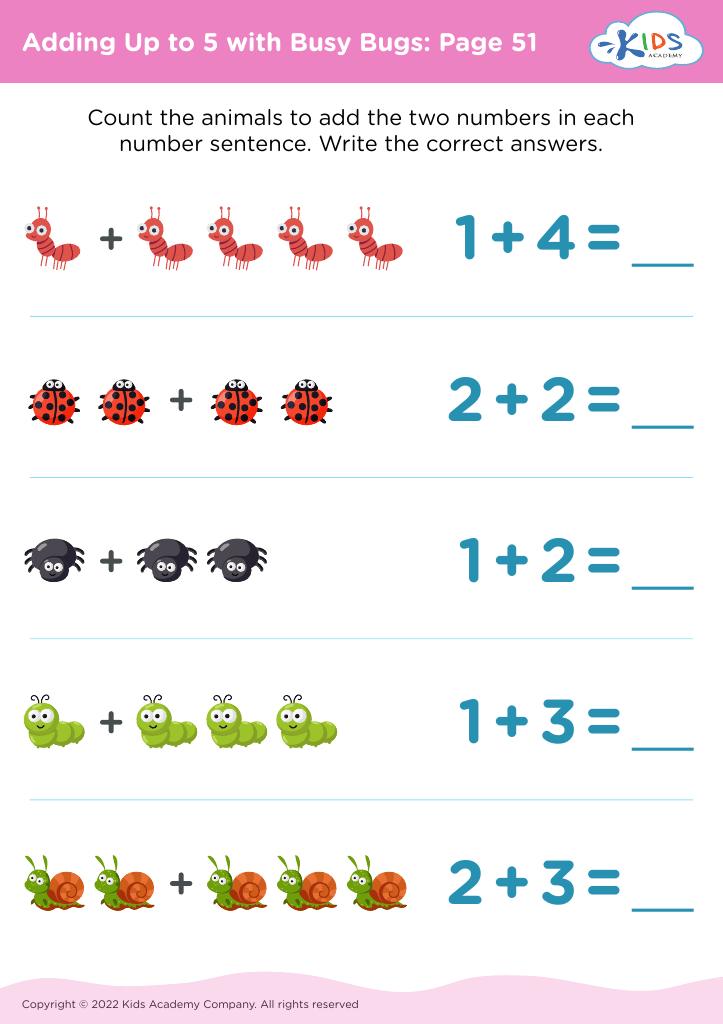
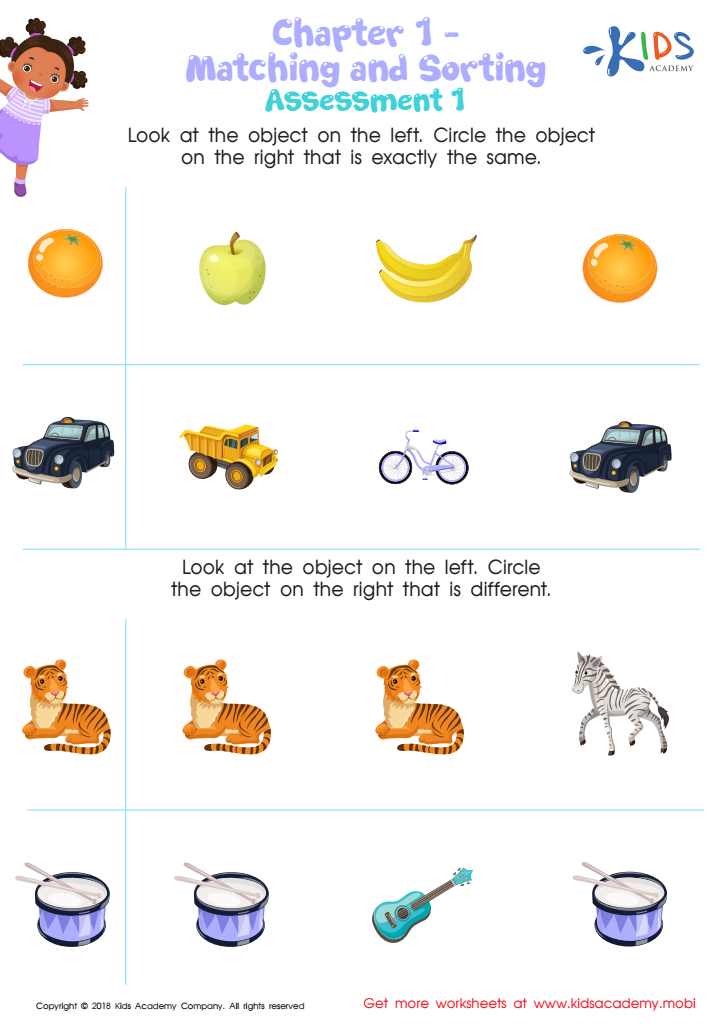
Matching and Sorting for Preschool: Assessment 1 Worksheet
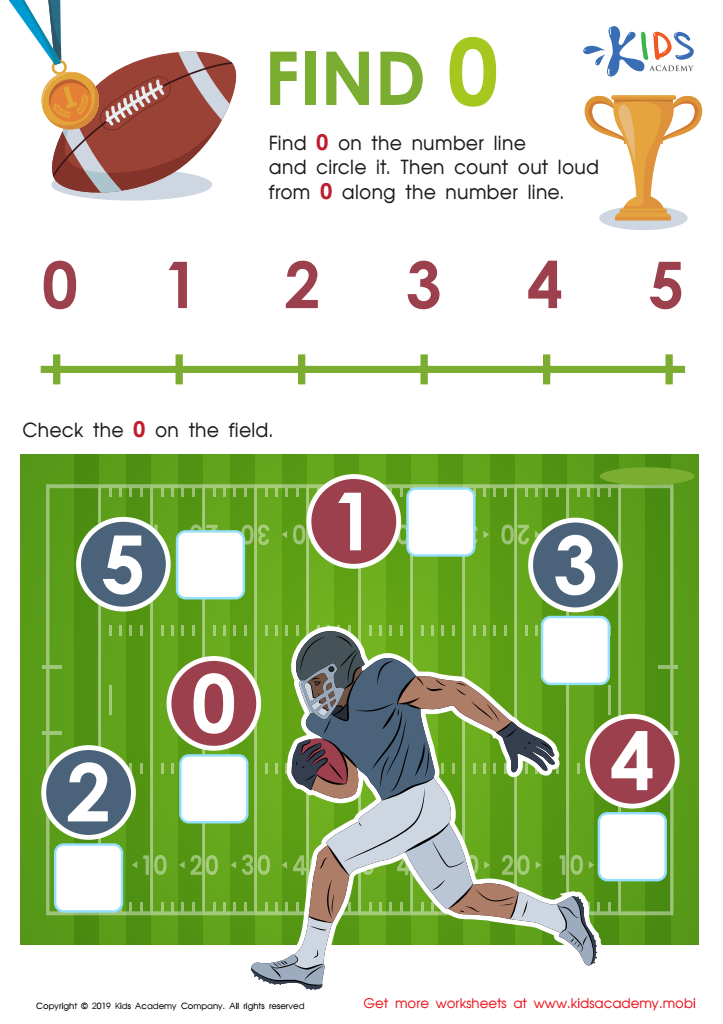
Find 0 Worksheet
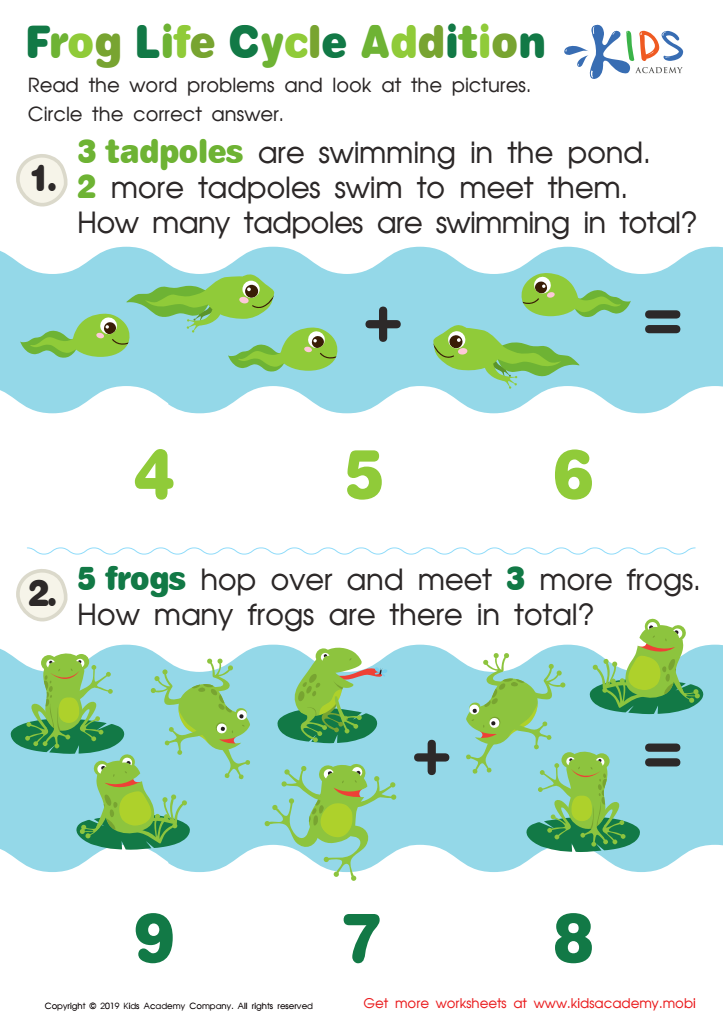
Frog Life Cycle Addition Worksheet
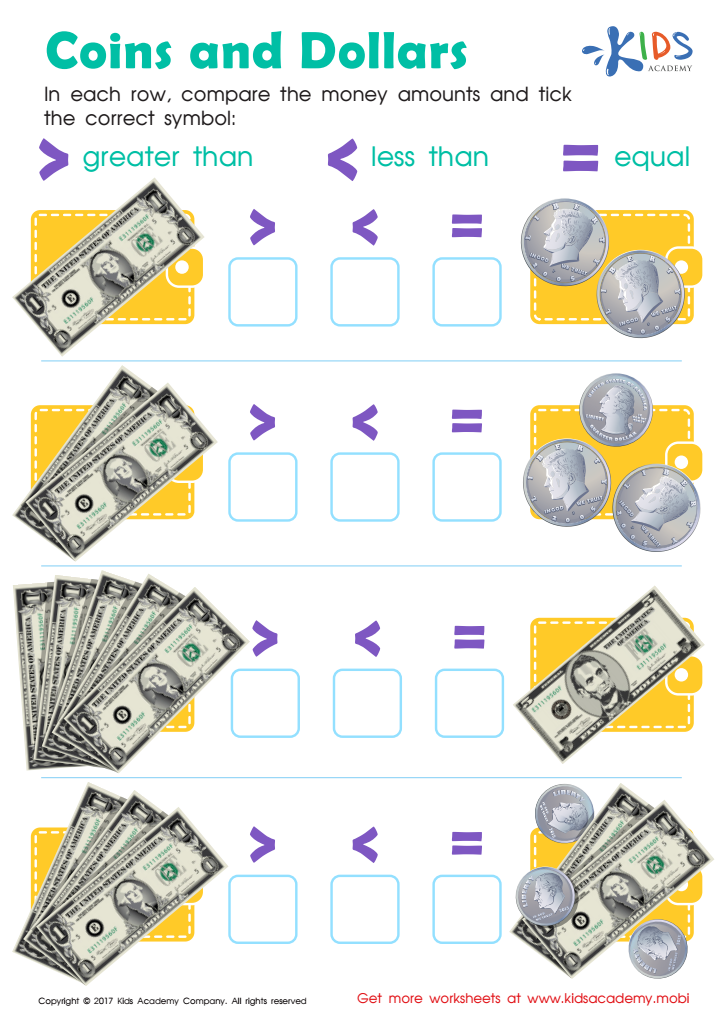
Money: Coins Dollars Printable
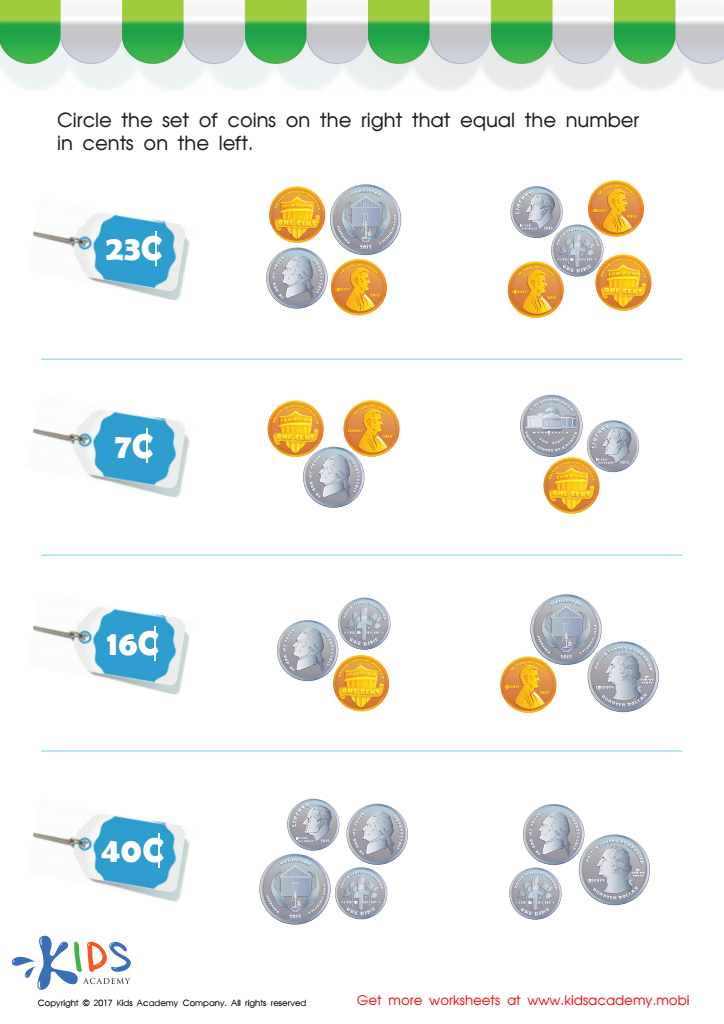
Picking the Coins You Need Money Worksheet
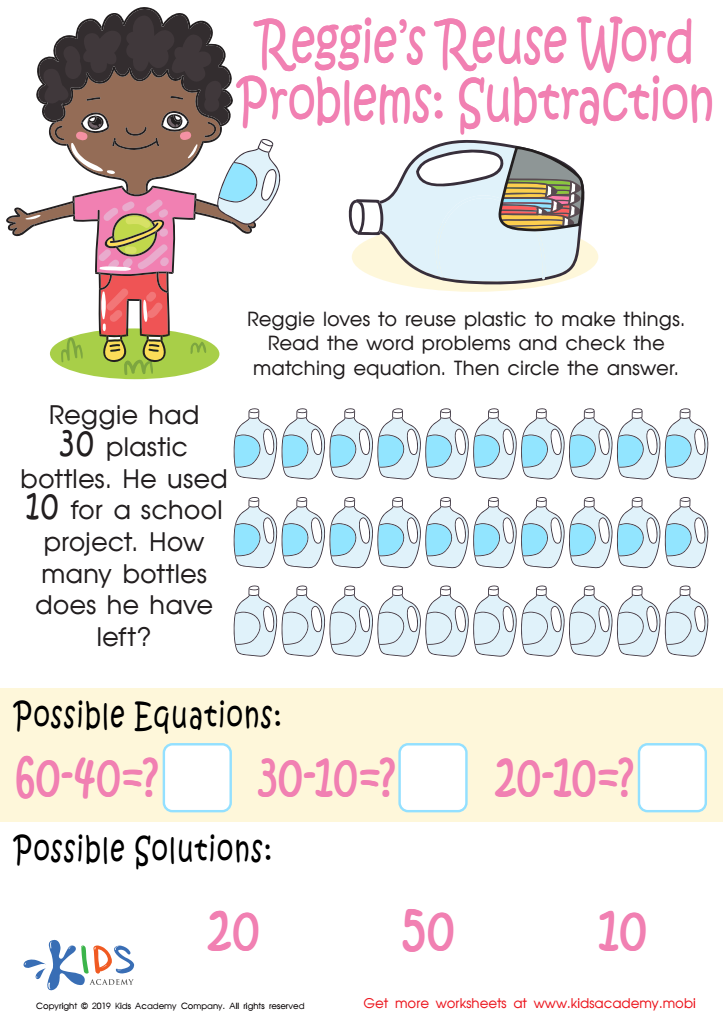
Reggie's Reuse Word Problems: Subtraction Worksheet
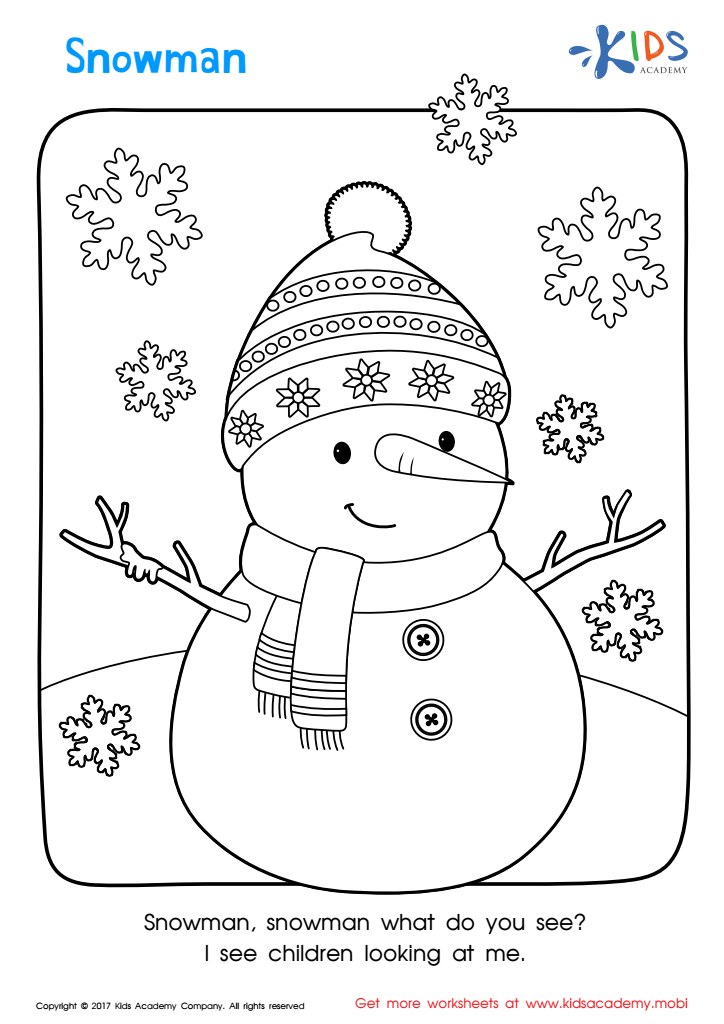
Christmas: Snowman Printable
 Assign to My Students
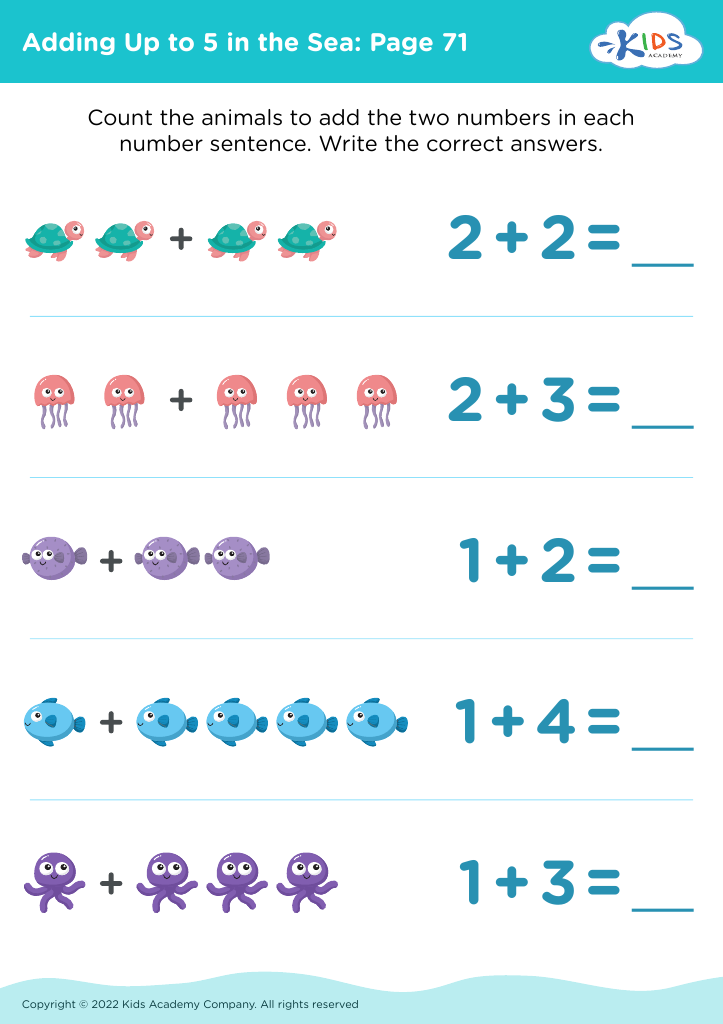
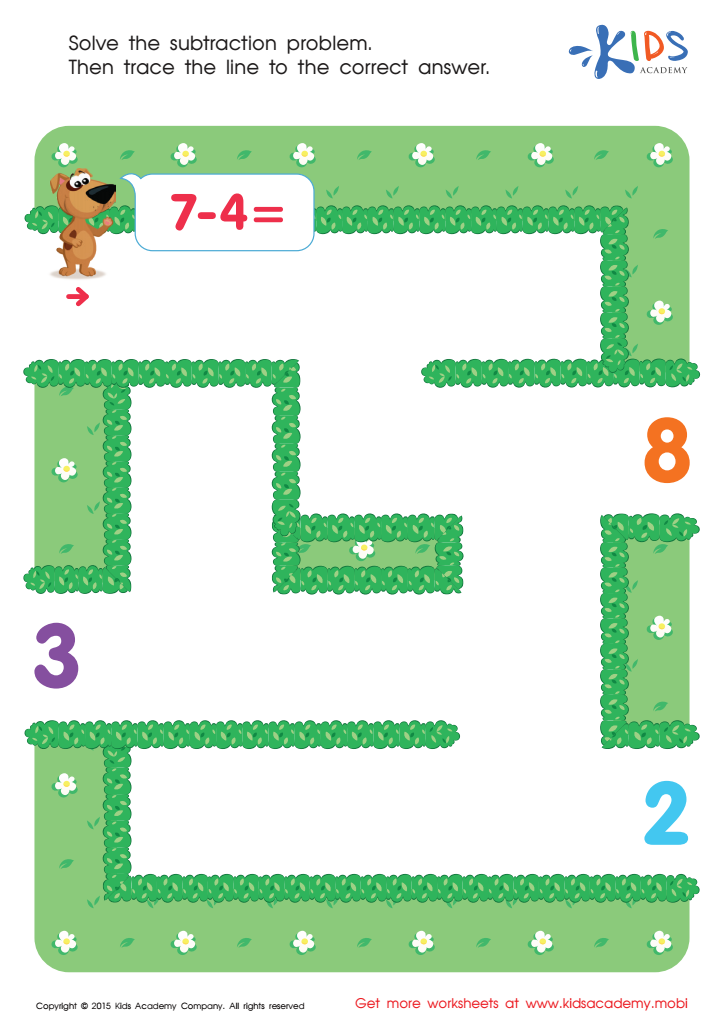
Subtraction Seven Minus Four Worksheet
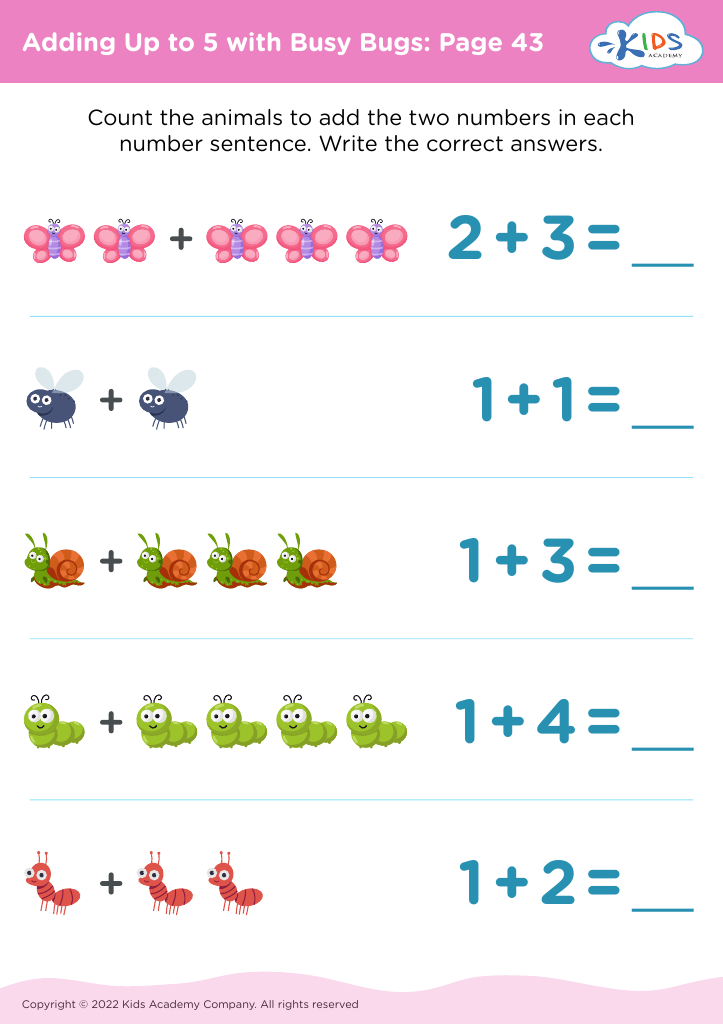
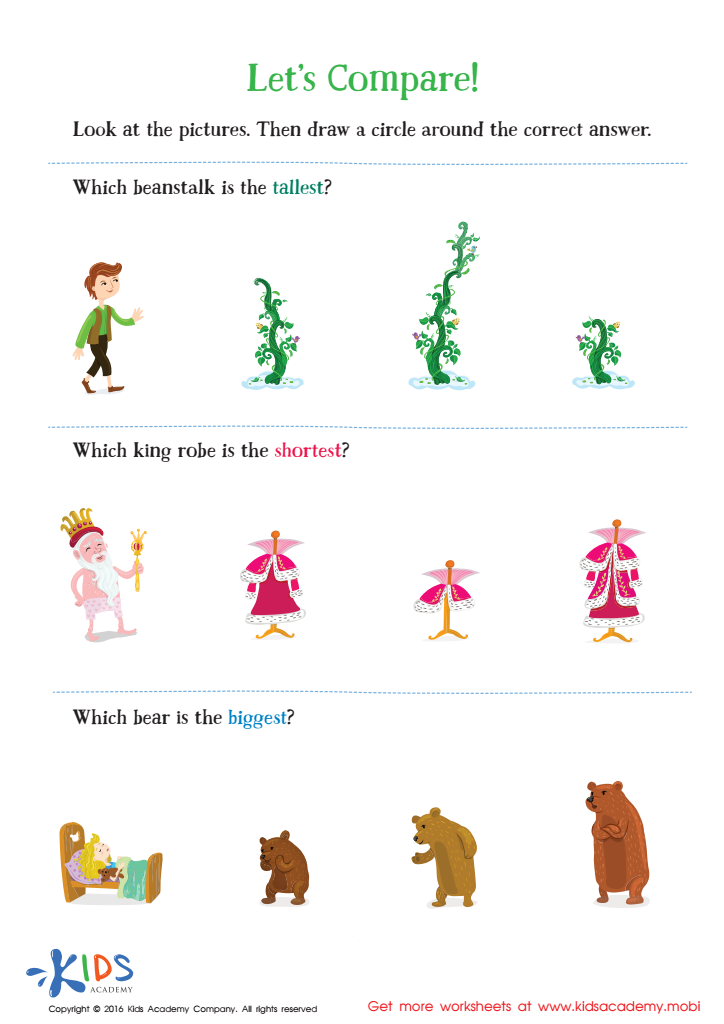
Fairy Tale Worksheet: Let's Compare
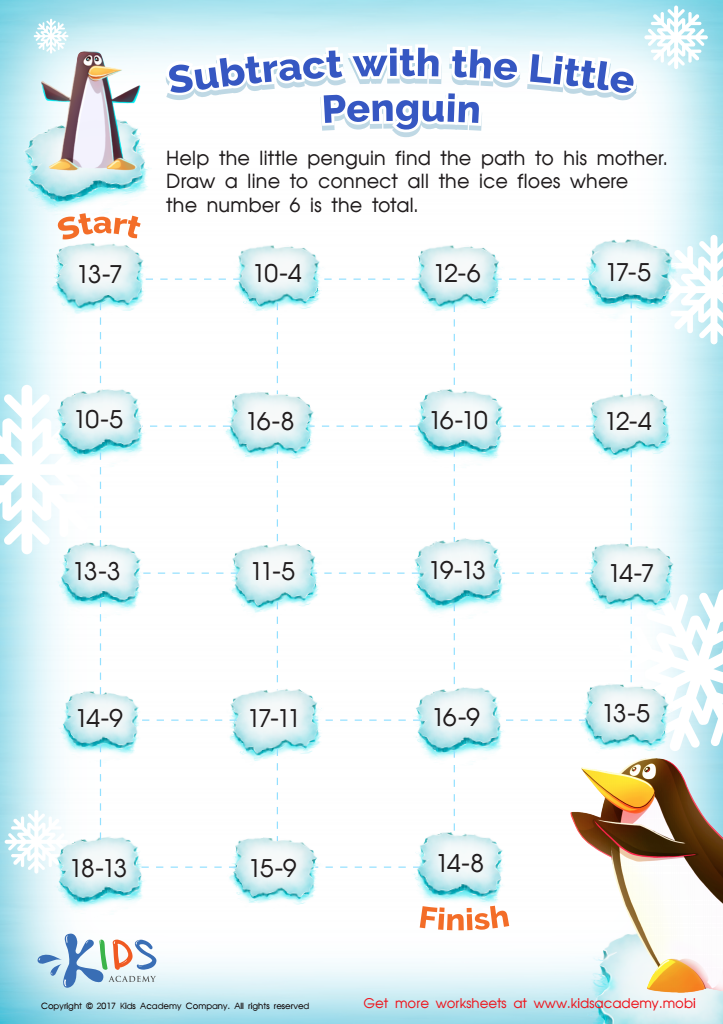
Subtract With The Little Penguin Substraction Worksheet
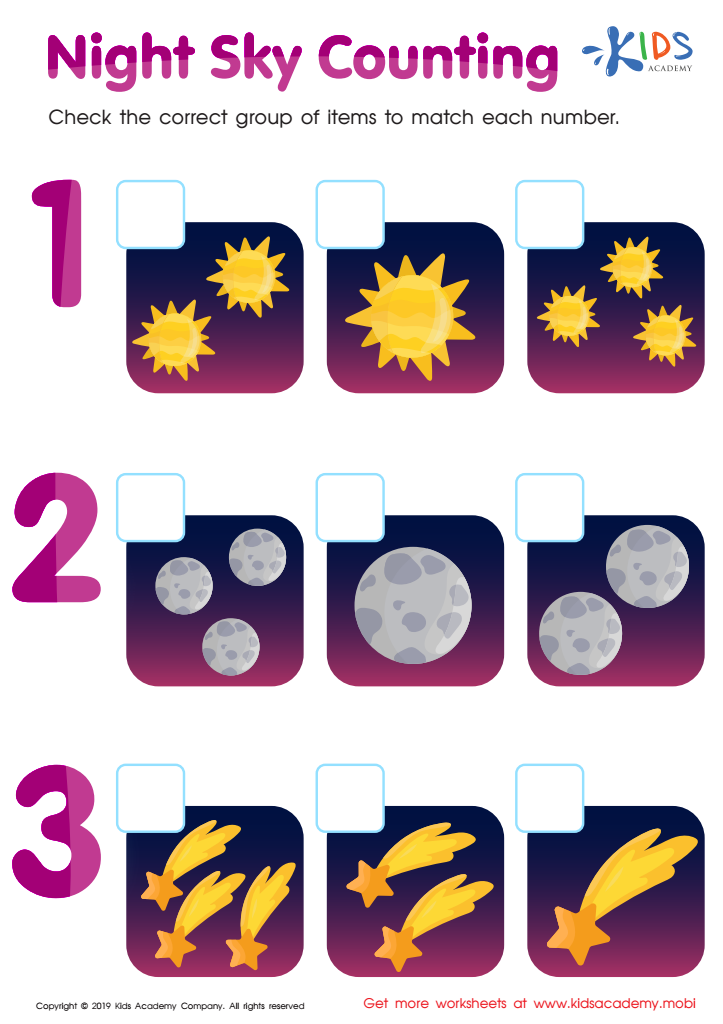
Night Sky Counting Worksheet
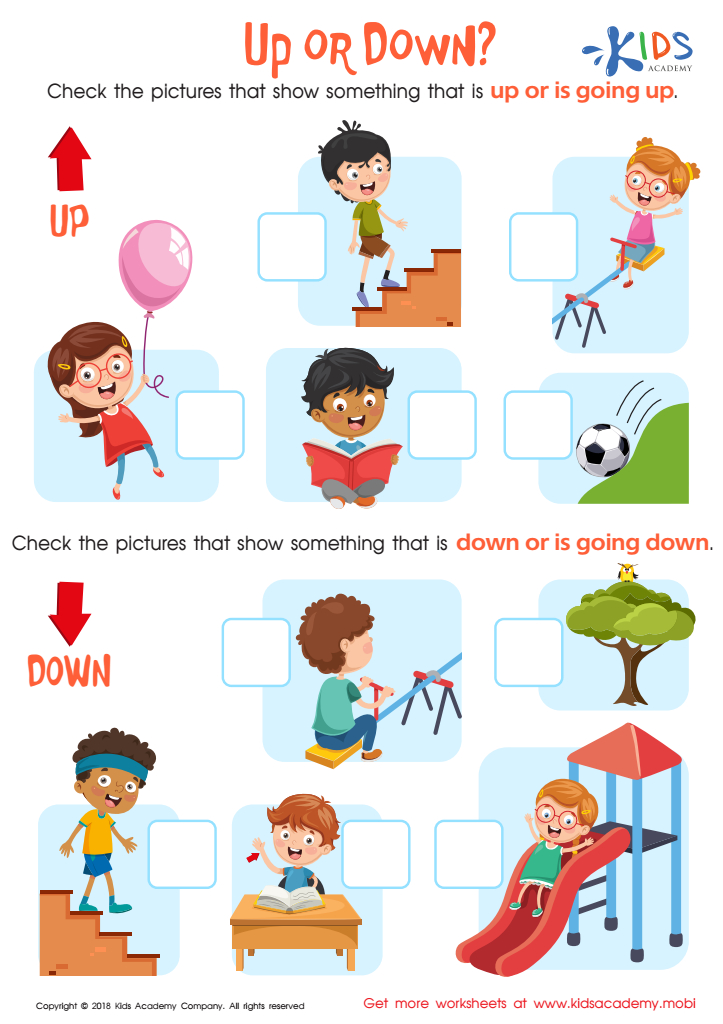
Up or Down Worksheet
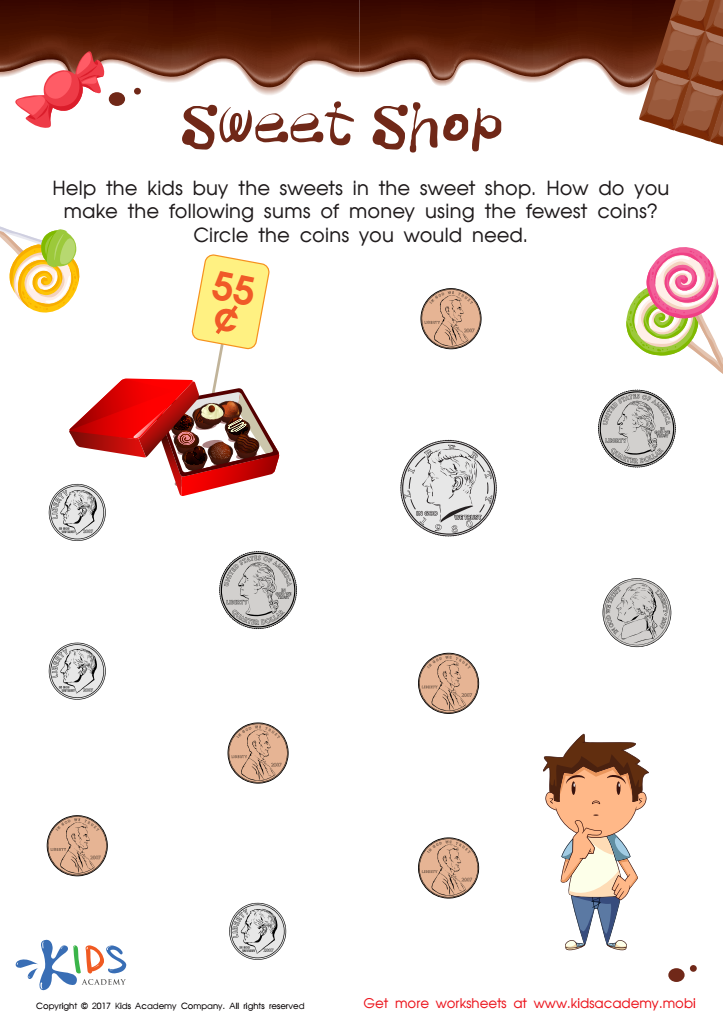
Sweet Shop – Counting Coins Worksheet
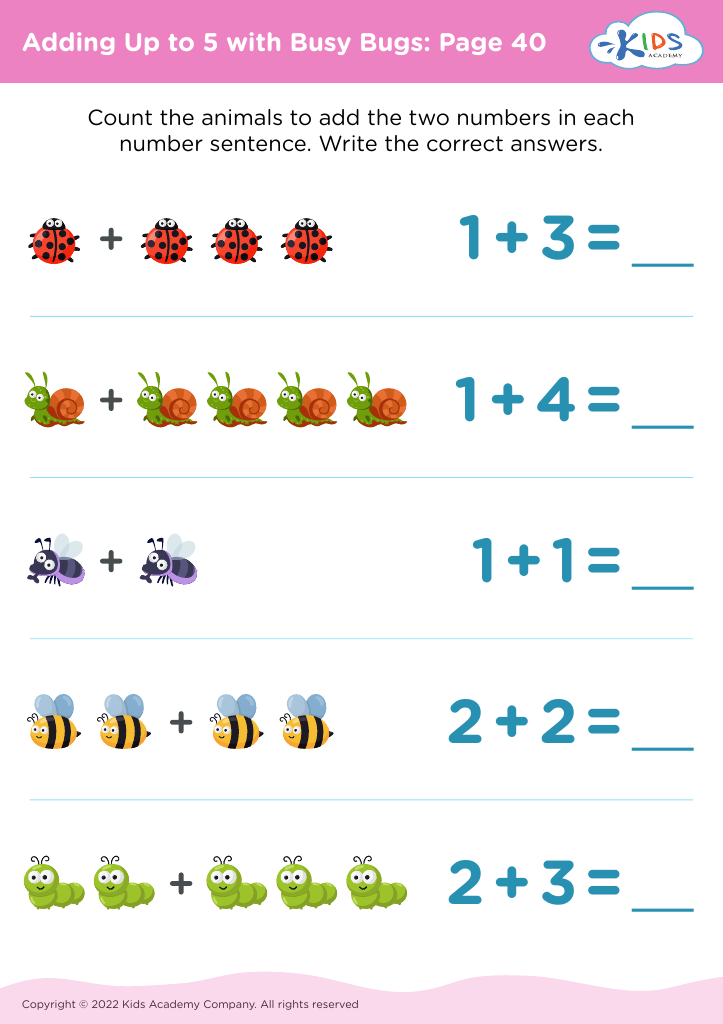
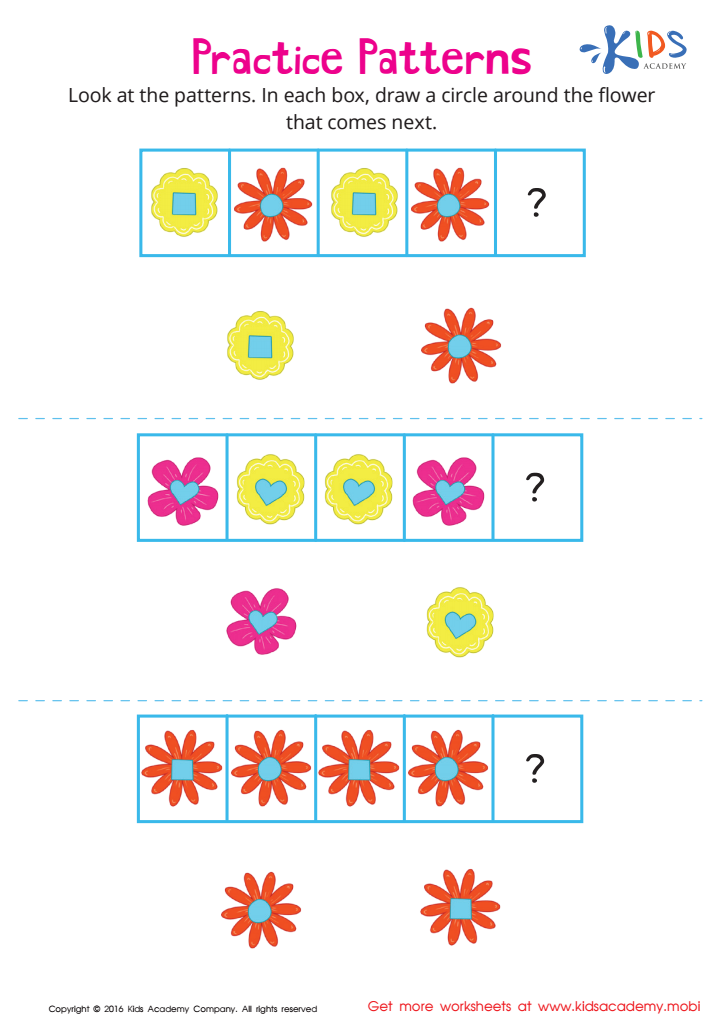
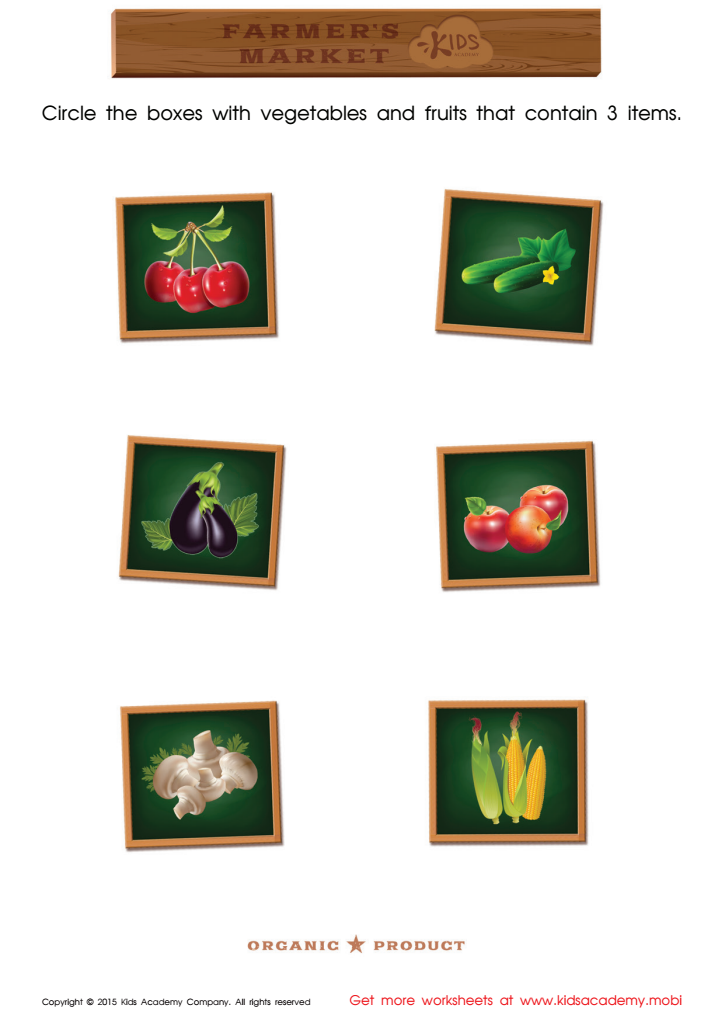
Count and Match Vegetables 1 – 5 Math Worksheet







Basic math skills for ages 3-5 form the foundation for a child’s future academic success and everyday life. During these formative years, children begin to grasp essential concepts such as counting, number recognition, and basic shapes, which provide a framework for more complex mathematical ideas later on. Engaging children in math activities at a young age enhances their cognitive development, critical thinking, and problem-solving abilities.
Parents and teachers should care about these skills because early mathematical knowledge is linked to later success in school. Children who develop a strong mathematical foundation tend to perform better in later grades, reducing the likelihood of math anxiety and fostering a more positive attitude toward learning. Additionally, early exposure to math in fun and interactive ways can improve a child's confidence, equipping them with the tools to navigate more advanced concepts as they progress through their education.
Furthermore, math skills play a practical role in everyday life, such as understanding time, money, and measurements. By prioritizing early math learning, adults can help children build a toolkit that will serve them in both academic and real-world situations, ultimately contributing to their overall development and success.








