Color recognition Worksheets for Ages 3-5 - Page 2
97 filtered results
-
From - To
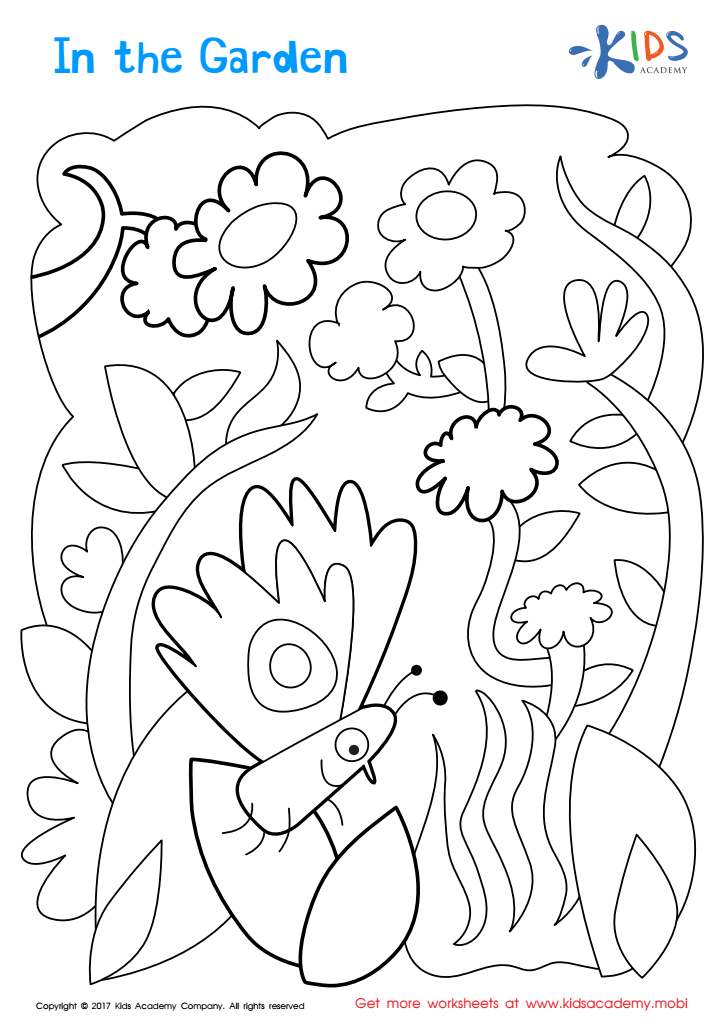
In The Garden Coloring Page
 Assign to My Students
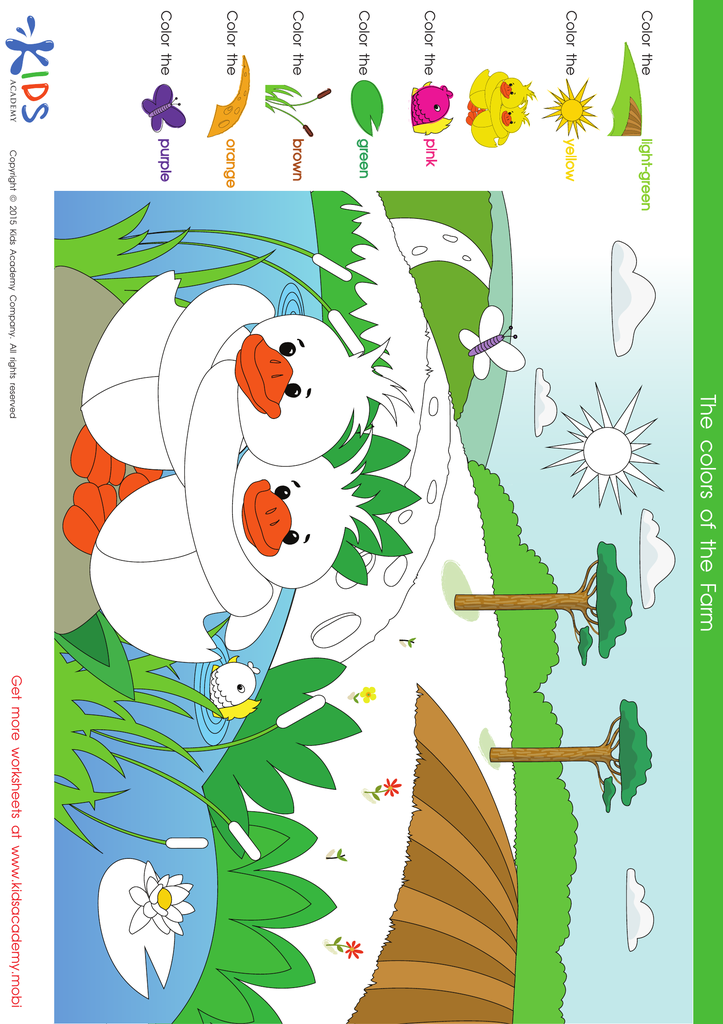
Color the Ducklings near the Pond Coloring Pages
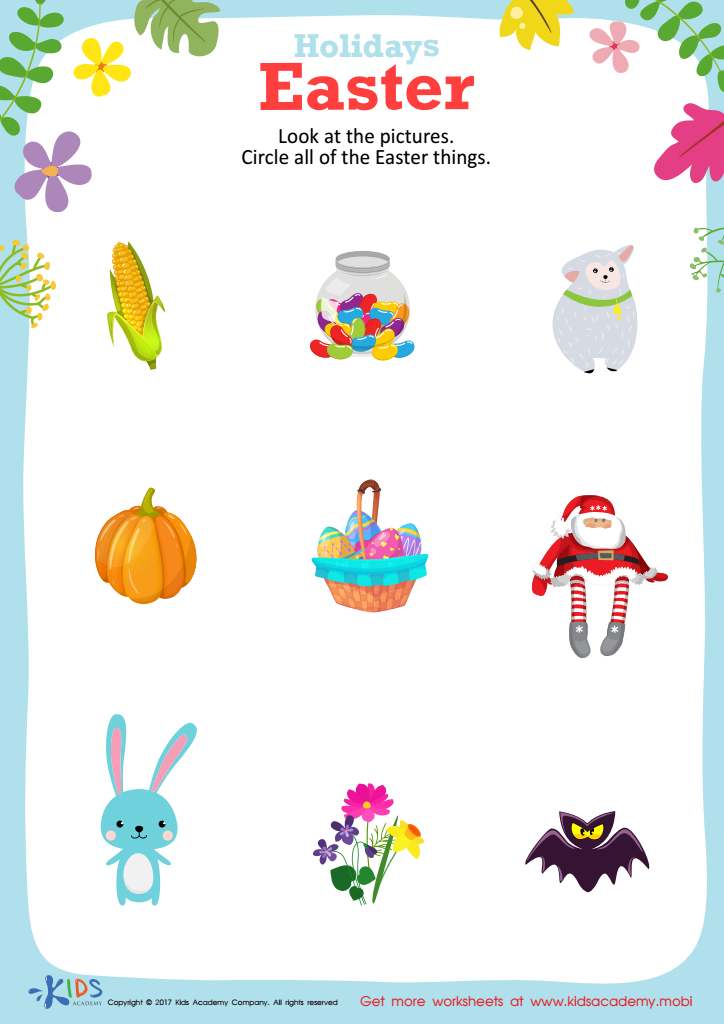
Easter Holiday Printable

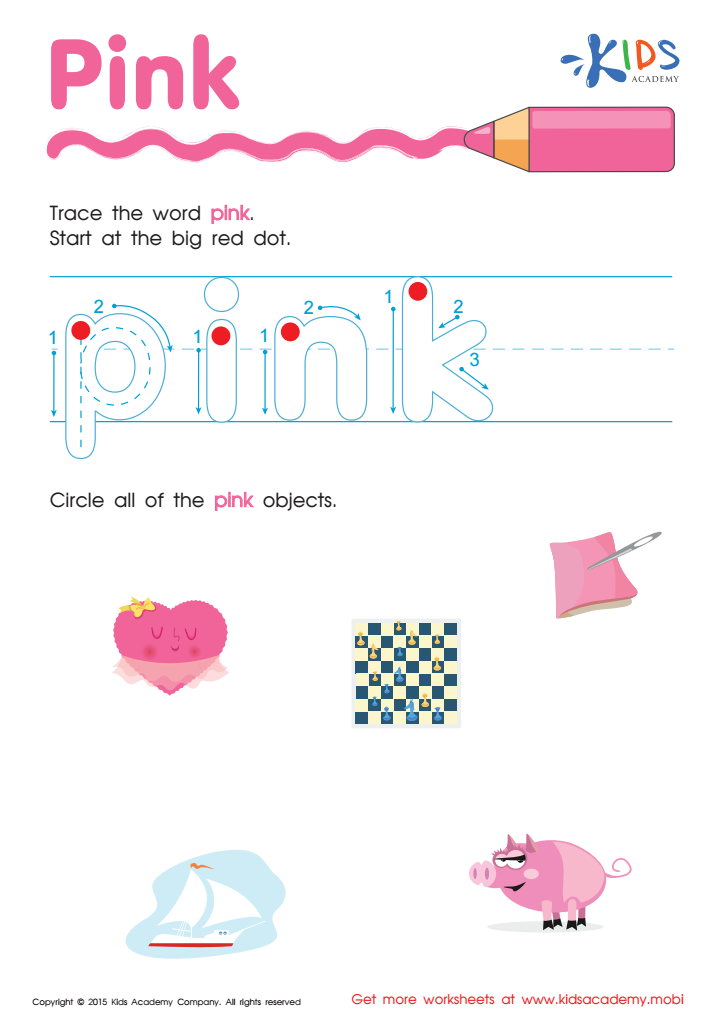
Pink Tracing Color Words Worksheet
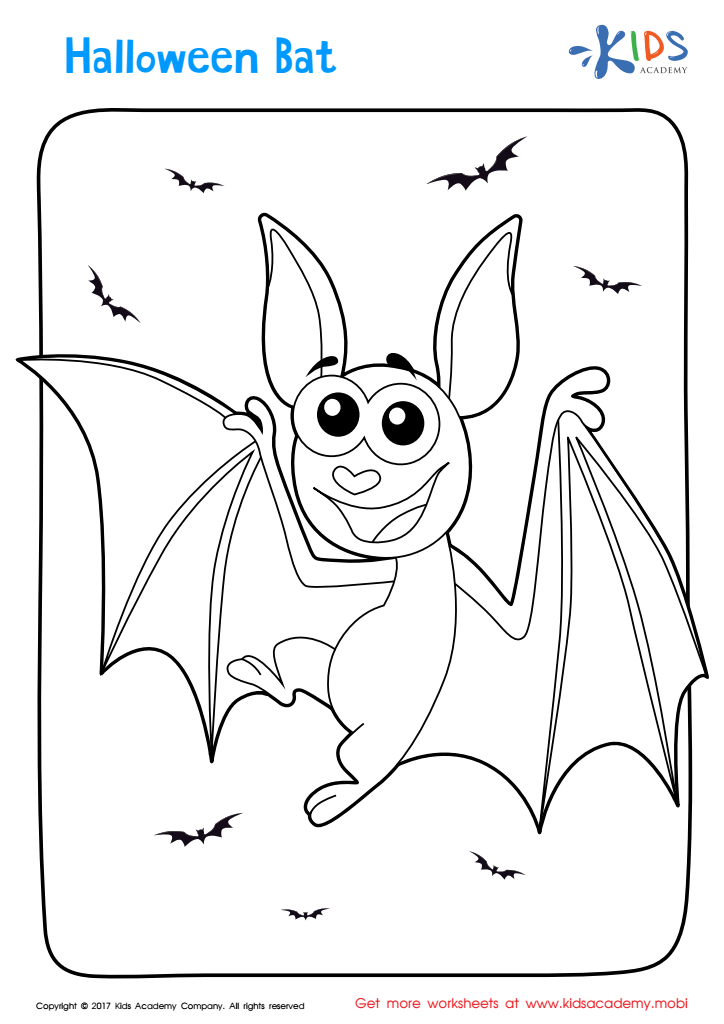
Halloween: A Bat Printable
Assign to My Students
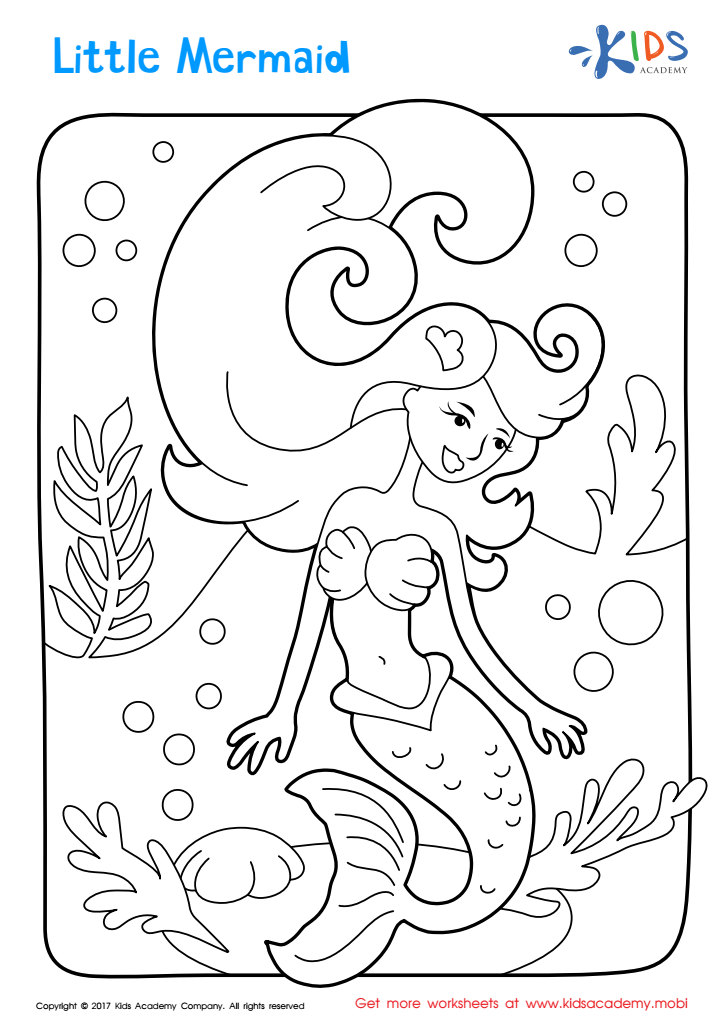
Little Mermaid Coloring Page
Assign to My Students
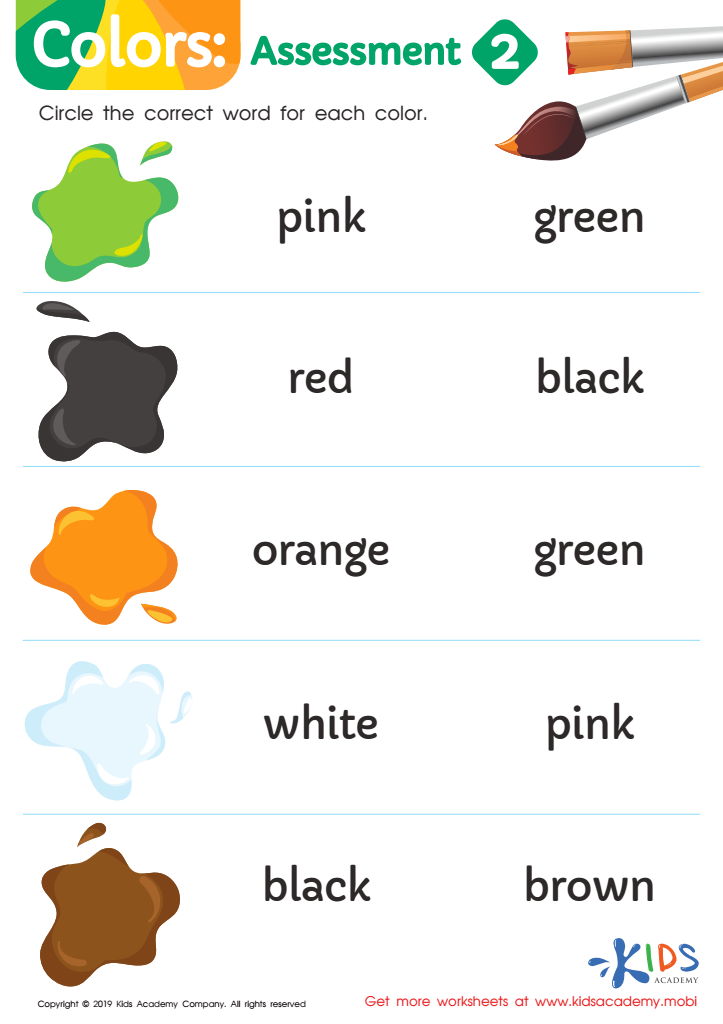
Colors: Assessment 2 Worksheet
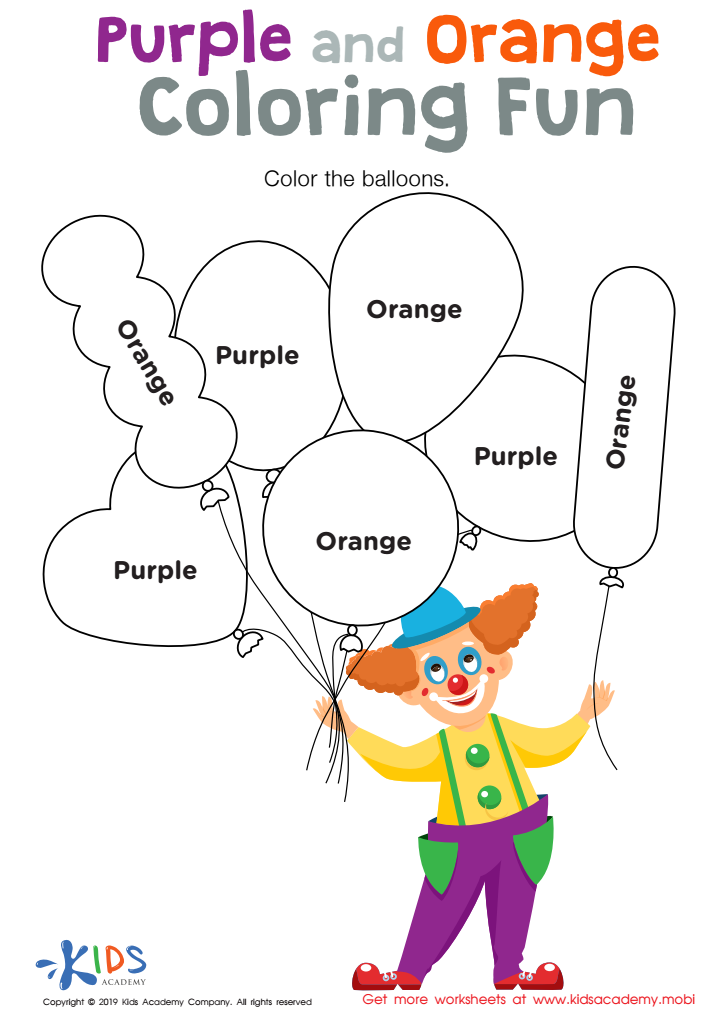
Purple and Orange Coloring Fun Worksheet
Assign to My Students
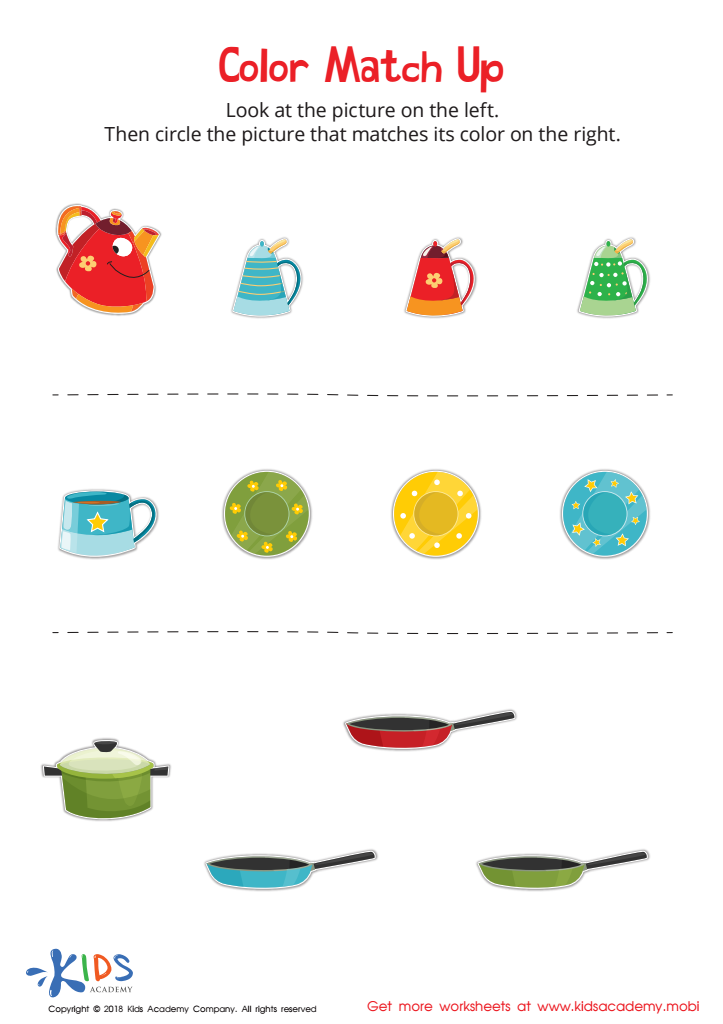
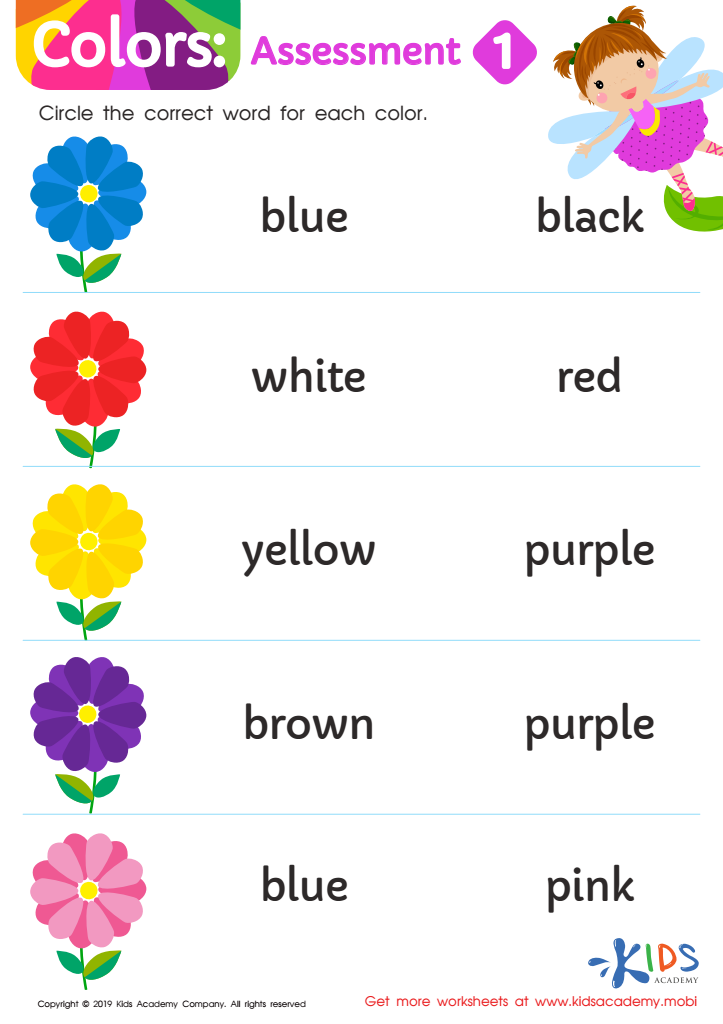
Colors: Assessment 1 Worksheet
The Wheels on the Bus Coloring Page
Assign to My Students
Hickory Dickory Dock Coloring Page
Assign to My Students
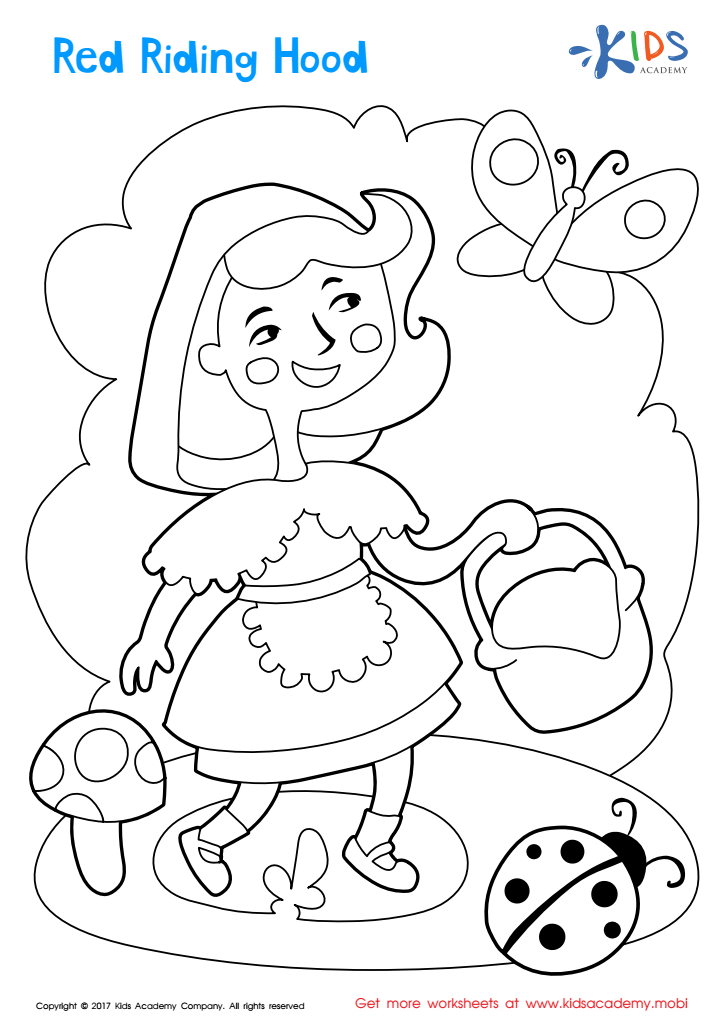
Red Riding Hood Coloring Page
Assign to My Students
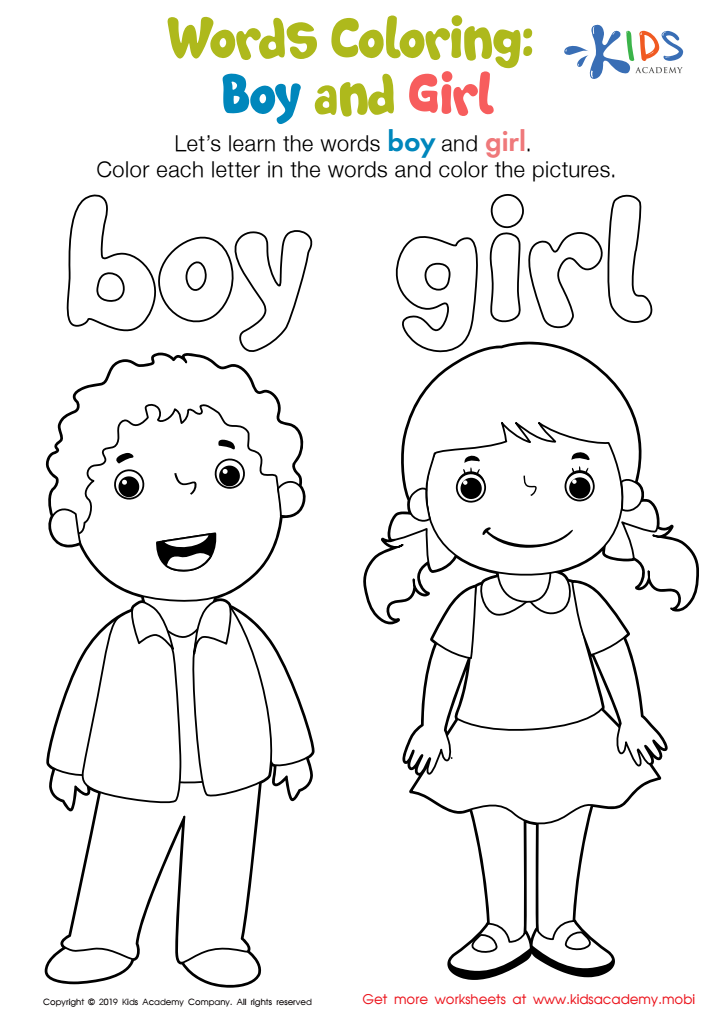
Boy and Girl Words Coloring Worksheet
Assign to My Students

Color the Pigs in the Yard Coloring Pages
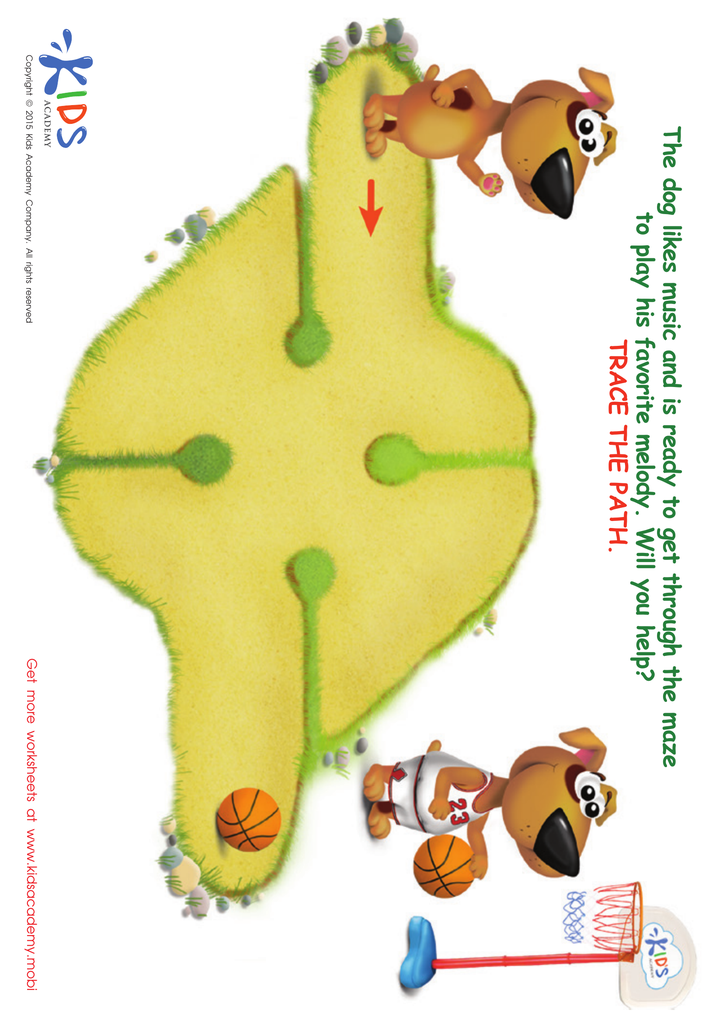
Basketball Player Maze Worksheet
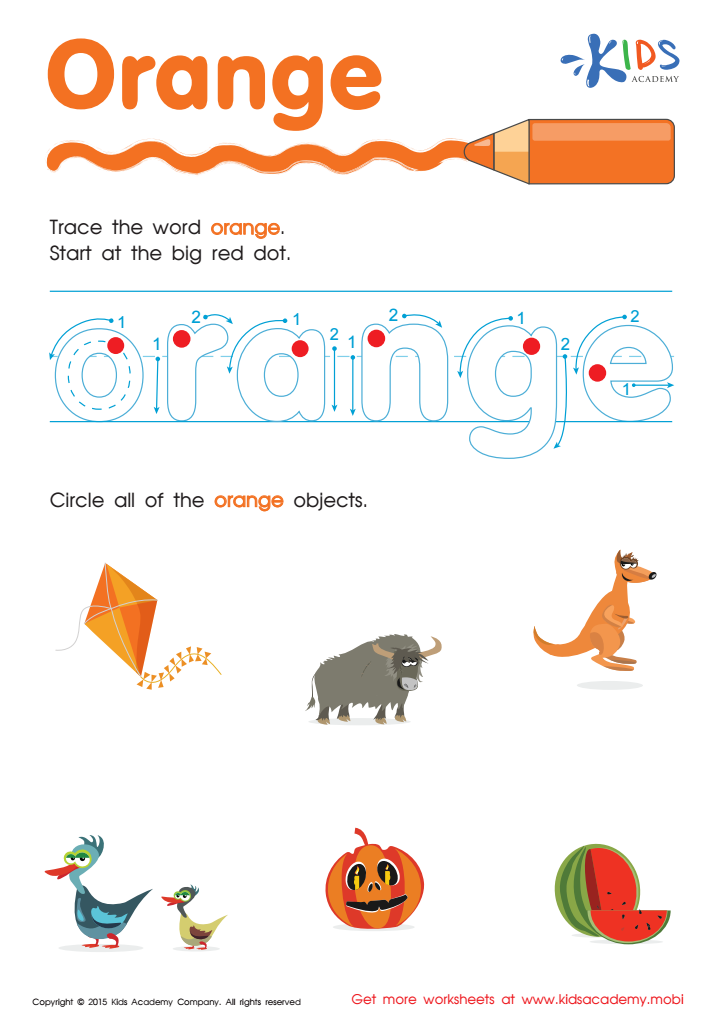
Orange Tracing Color Words Worksheet
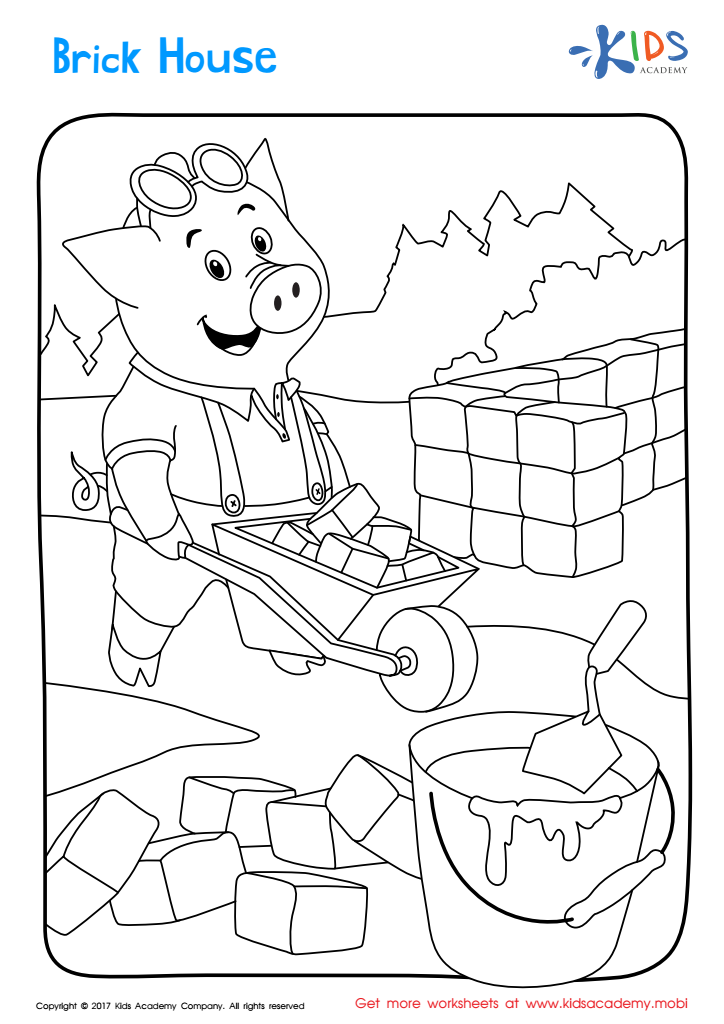
Brick House Printable Coloring Page
Assign to My Students
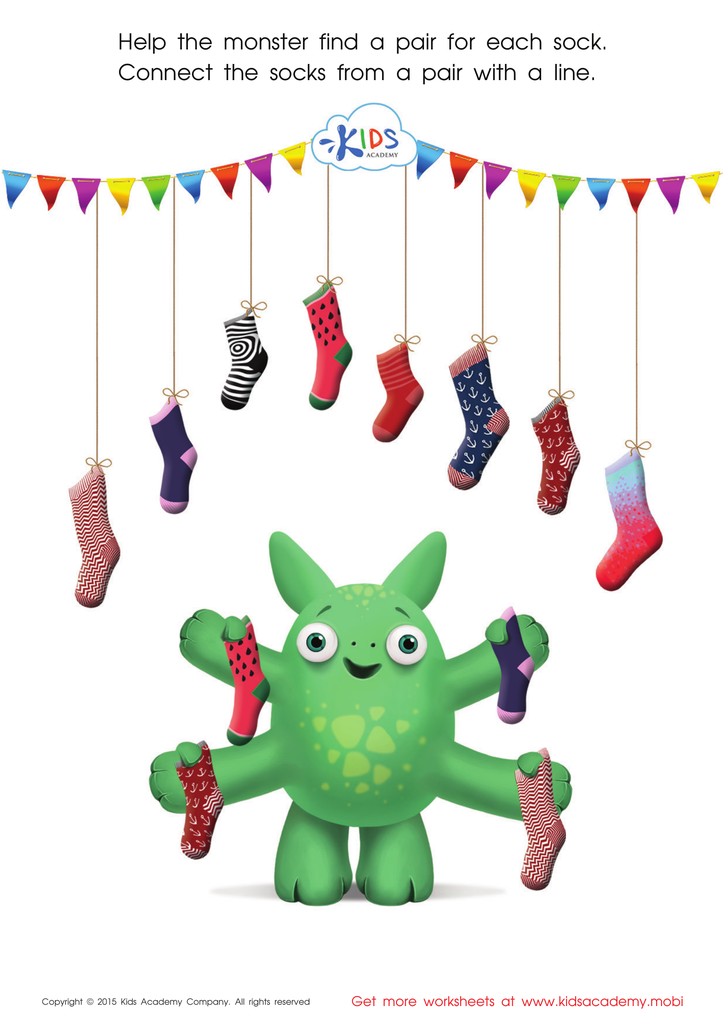
Math Matching Game: Monsterв's Socks Worksheet
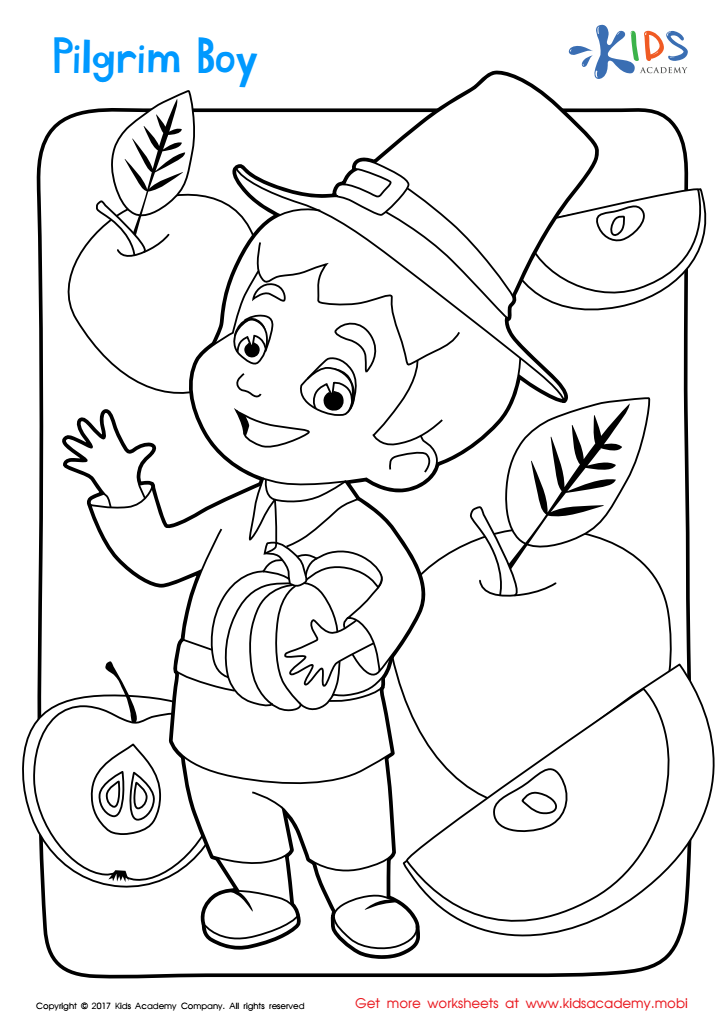
Pilgrim Boy Printable
Assign to My Students
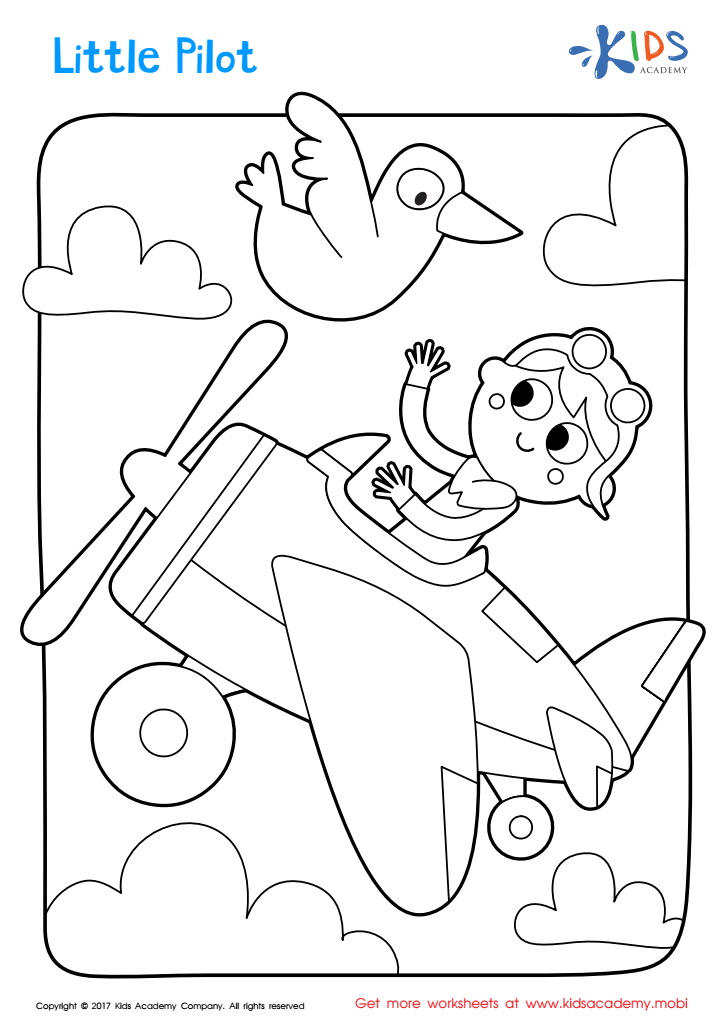
Little Pilot Coloring Page
Assign to My Students
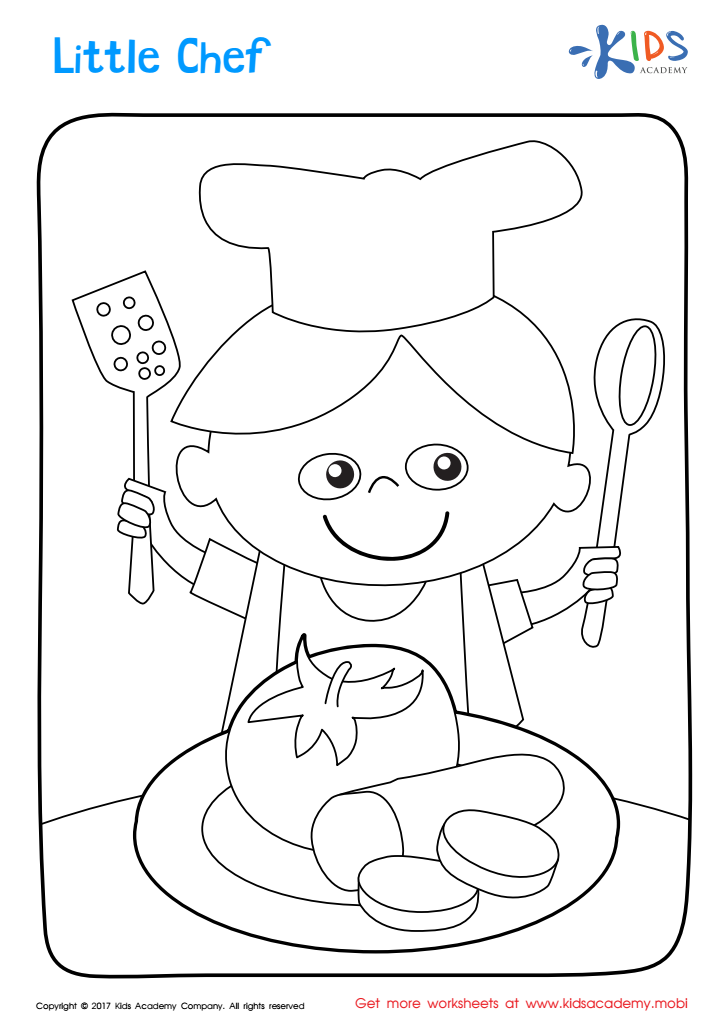
Little Chef Coloring Page
Assign to My Students
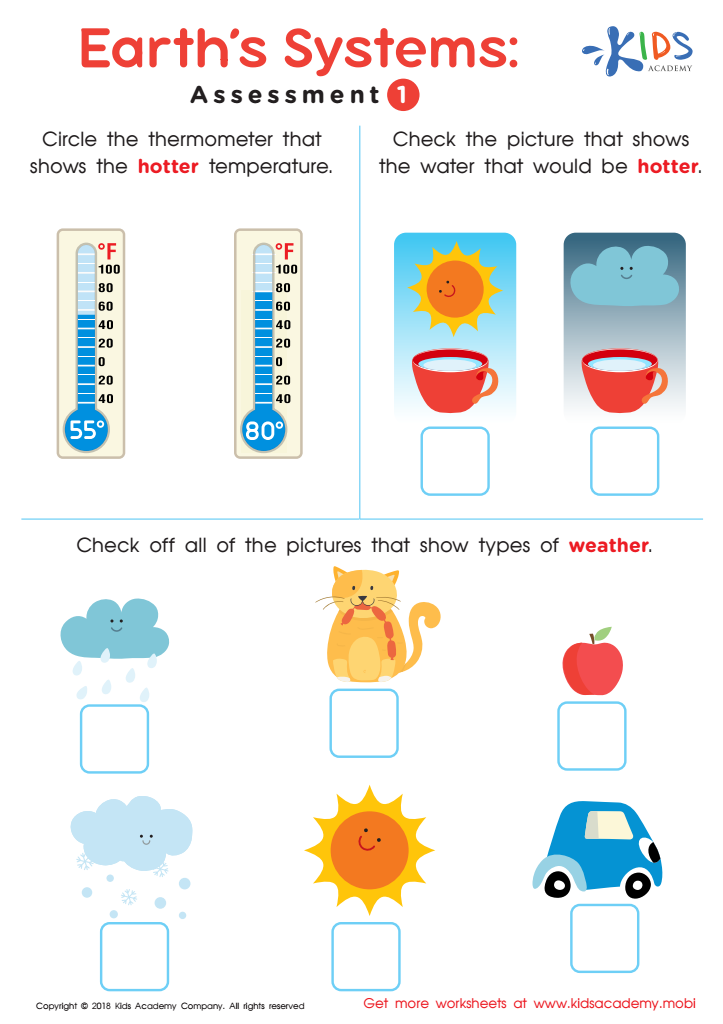
Earth's Systems: Assessment 1







Color recognition is a fundamental skill for children ages 3-5, forming a critical part of their cognitive and emotional development. Parents and teachers should prioritize this skill because it supports several areas of growth essential for early childhood education and overall development.
Firstly, color recognition aids in improving both vocabulary and language skills. When children learn the names and characteristics of colors, they expand their descriptive language and improve their communication abilities. This skill also boosts early literacy as many learning activities involve colorful objects and illustrations.
Cognitive development is another critical area benefiting from color recognition. Understanding colors helps with problem-solving tasks and logical thinking. It’s the foundation for categorizing and organizing information, which can improve mathematical skills like sorting, patterns, and sequencing.
Moreover, color recognition is crucial for emotional growth. Colors often have emotional and psychological significance; for example, understanding that red can represent alert or excitement while blue may be calming helps children communicate their feelings more effectively.
Finally, color recognition promotes creativity. It allows children to express themselves through art and imaginative play, fostering creativity which is essential for holistic development.
By focusing on color recognition, parents and teachers can help set the foundation for important developmental milestones, ensuring children receive a well-rounded early education.








