Creativity stimulation Worksheets for Ages 3-5
17 filtered results
-
From - To
Enhance your child's imagination and critical thinking skills with our "Creativity Stimulation Worksheets for Ages 3-5." These engaging, age-appropriate activities are designed to inspire young minds through art, storytelling, and exploration. Our worksheets encourage children to express themselves, solve problems, and discover new ideas while having fun. With colorful illustrations and easy-to-follow instructions, your child will develop essential learning skills in a playful and exciting way. Ideal for both classroom and home use, these worksheets make creativity an integral part of early childhood education. Fuel imagination and foster creativity in your little one today!
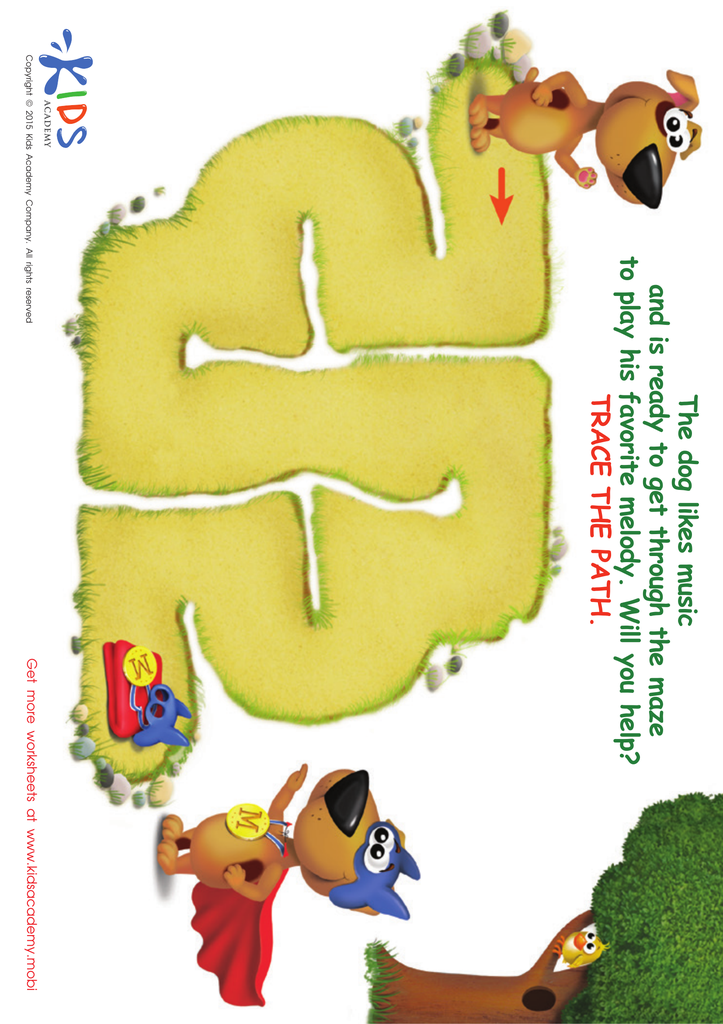
Superman Maze Worksheet
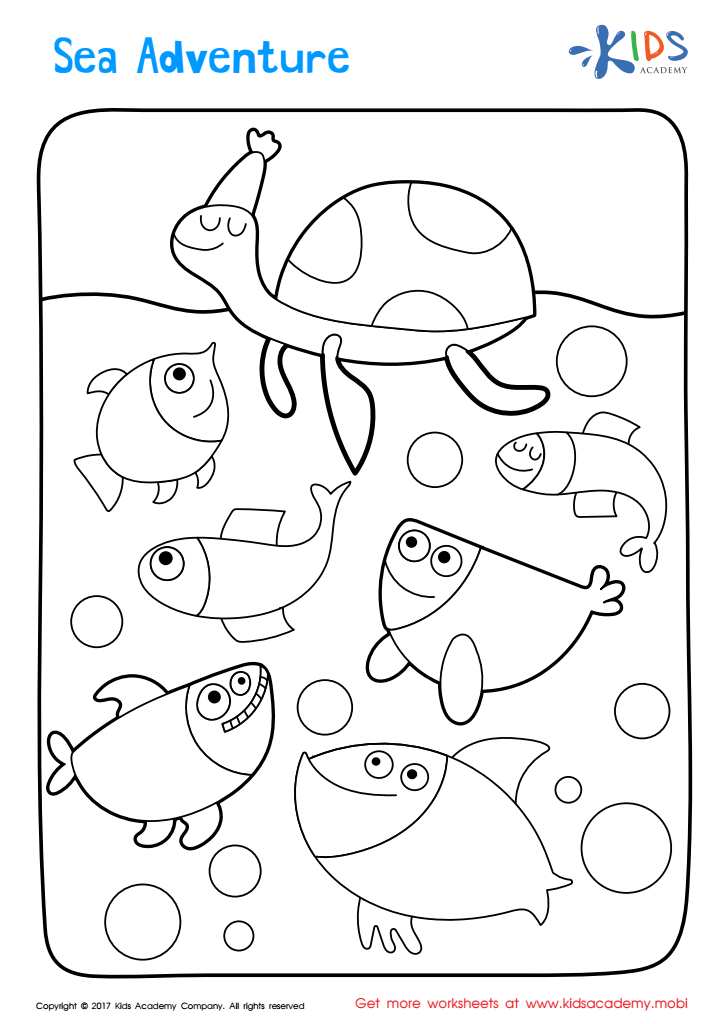
Sea Adventure Coloring Page
 Assign to My Students
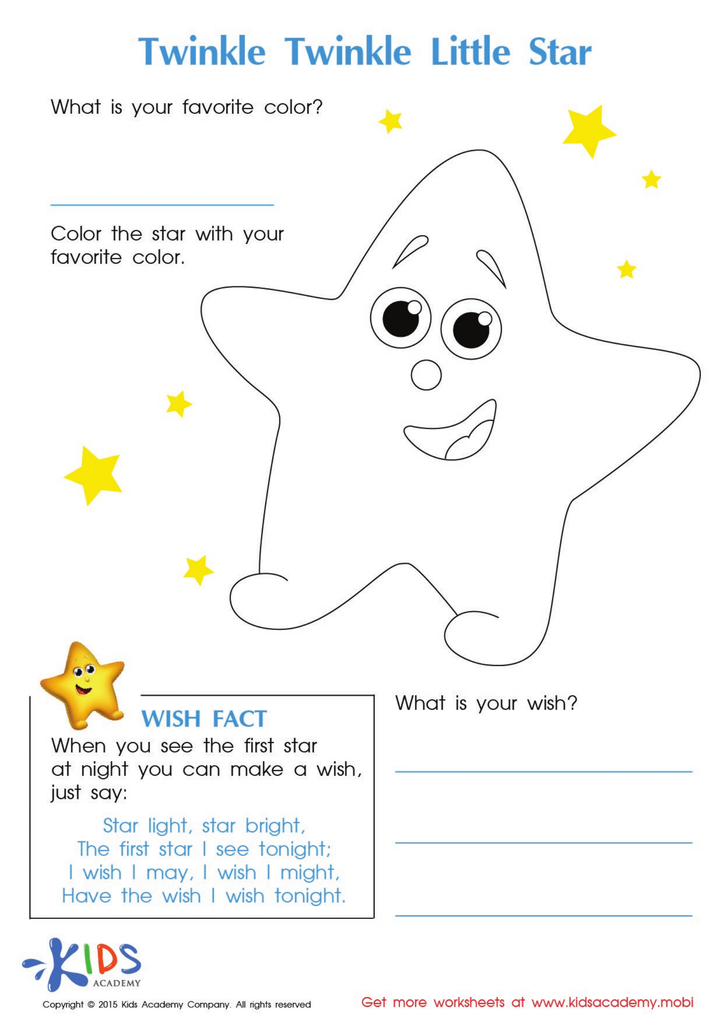
Twinkle Little Star Coloring Worksheet
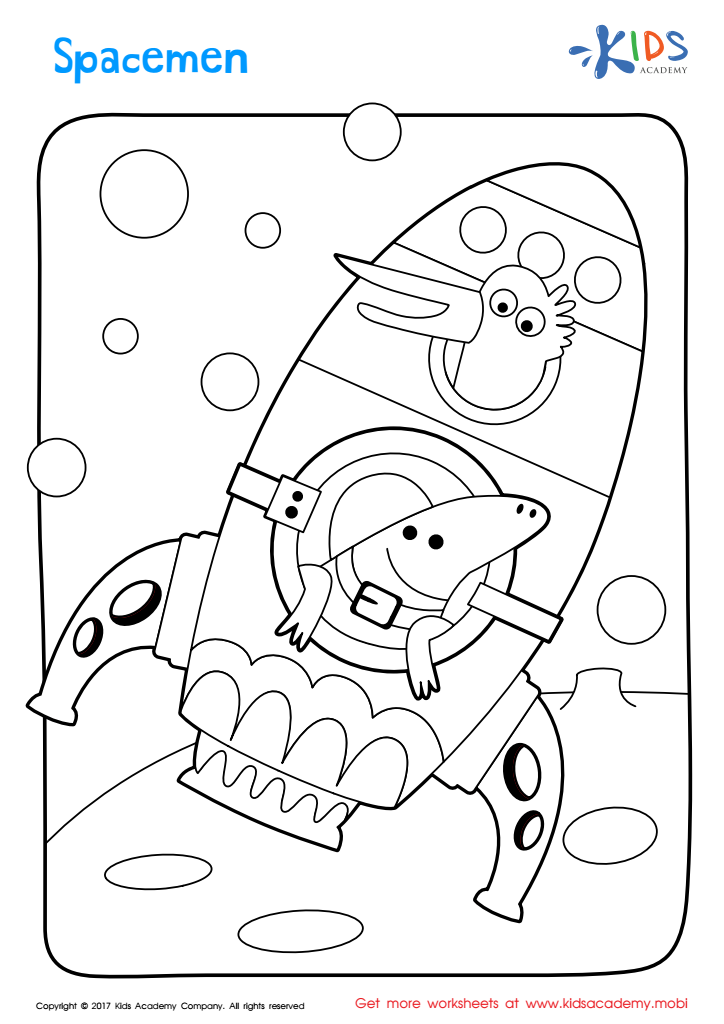
Spacemen Coloring Page
Assign to My Students
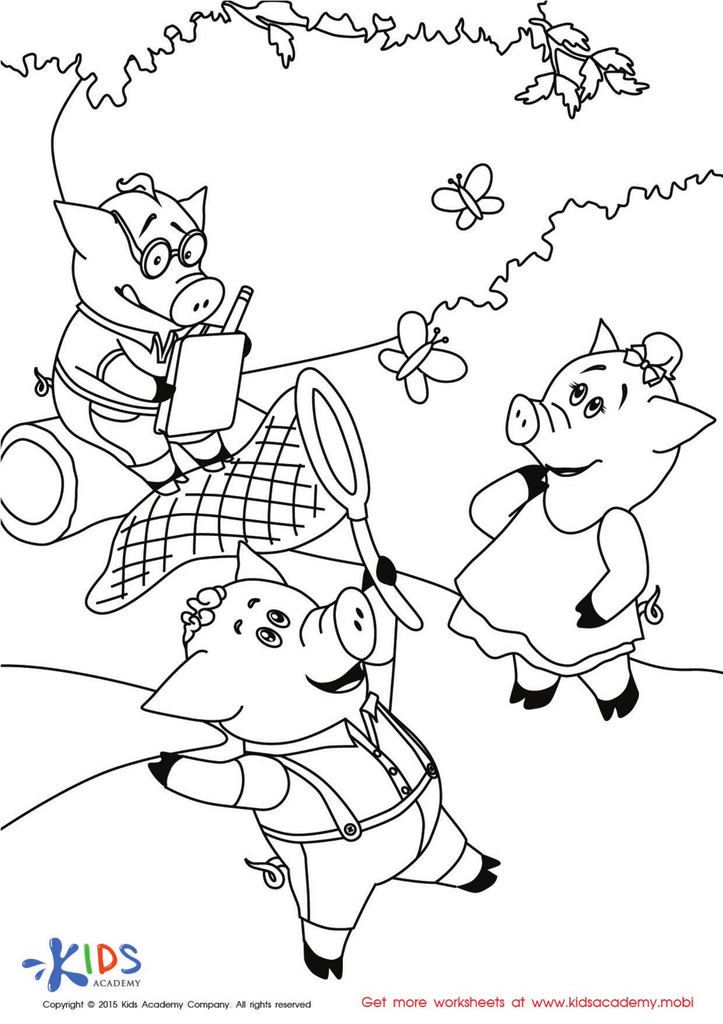
The Three Little Pigs Coloring Worksheet
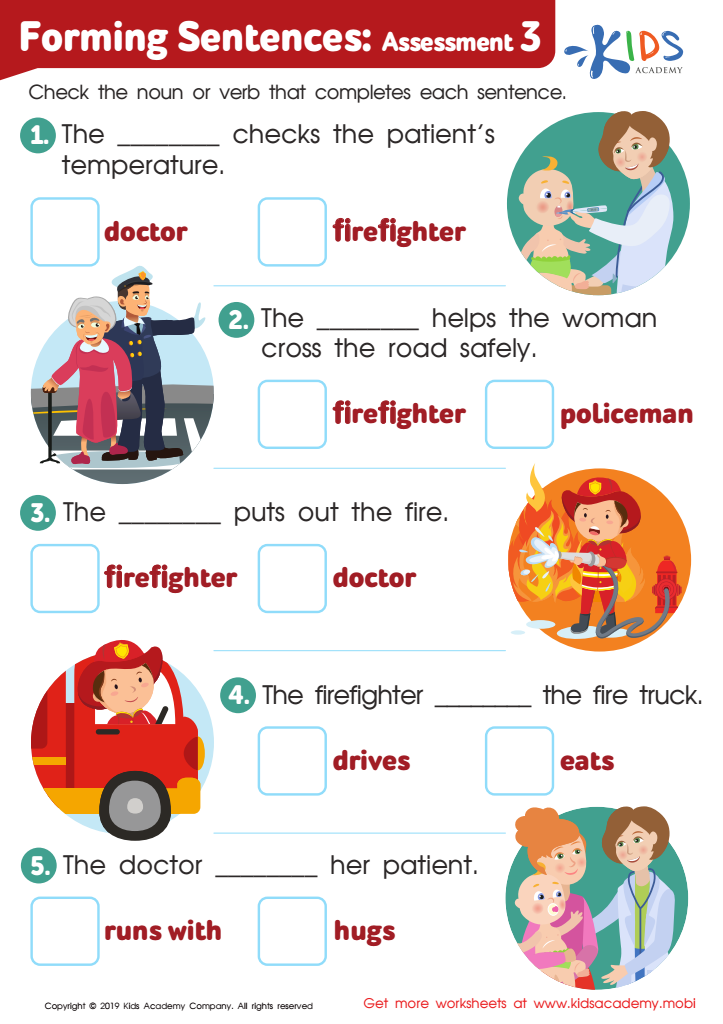
Forming Sentences: Assessment 3 Worksheet
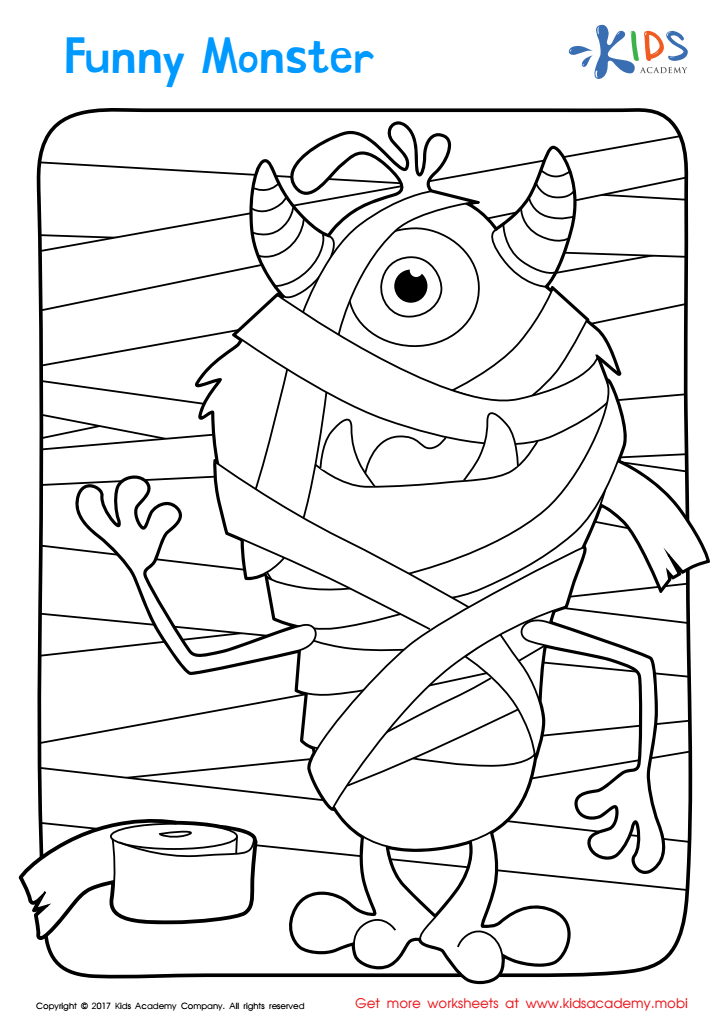
Halloween: A Funny Monster Worksheet
Assign to My Students
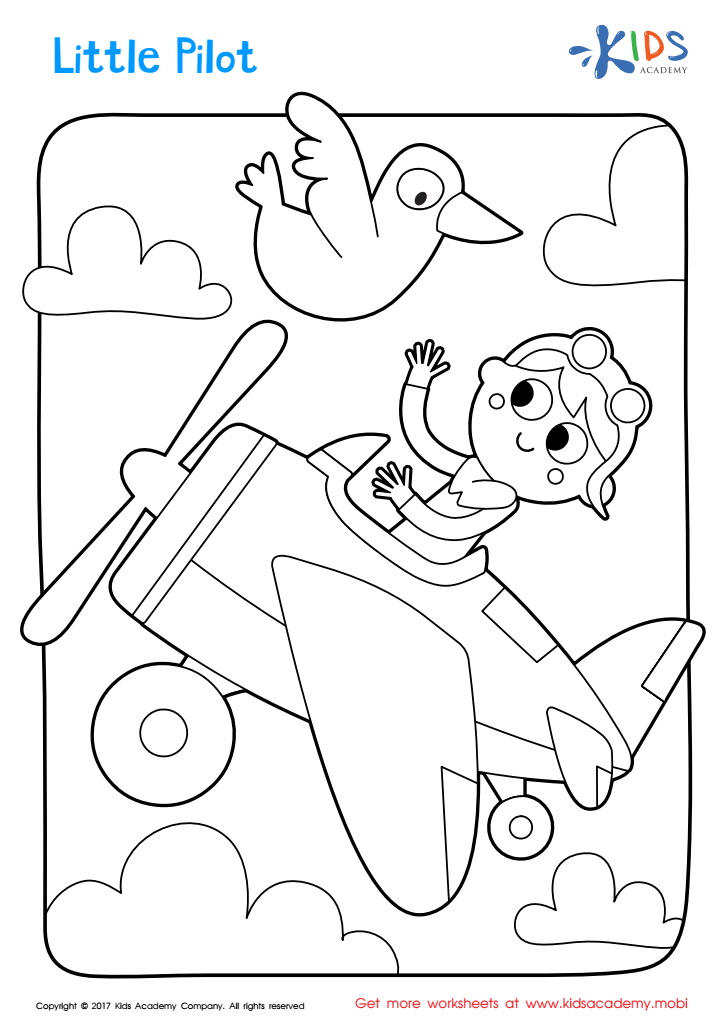
Little Pilot Coloring Page
Assign to My Students
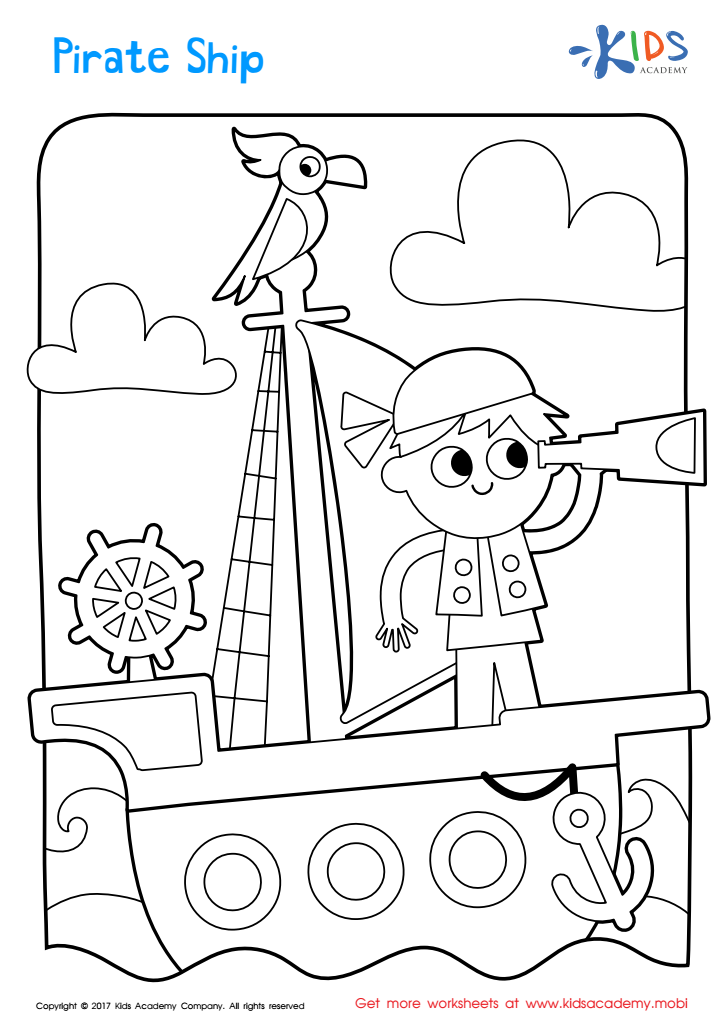
Pirate Ship Coloring Page
Assign to My Students
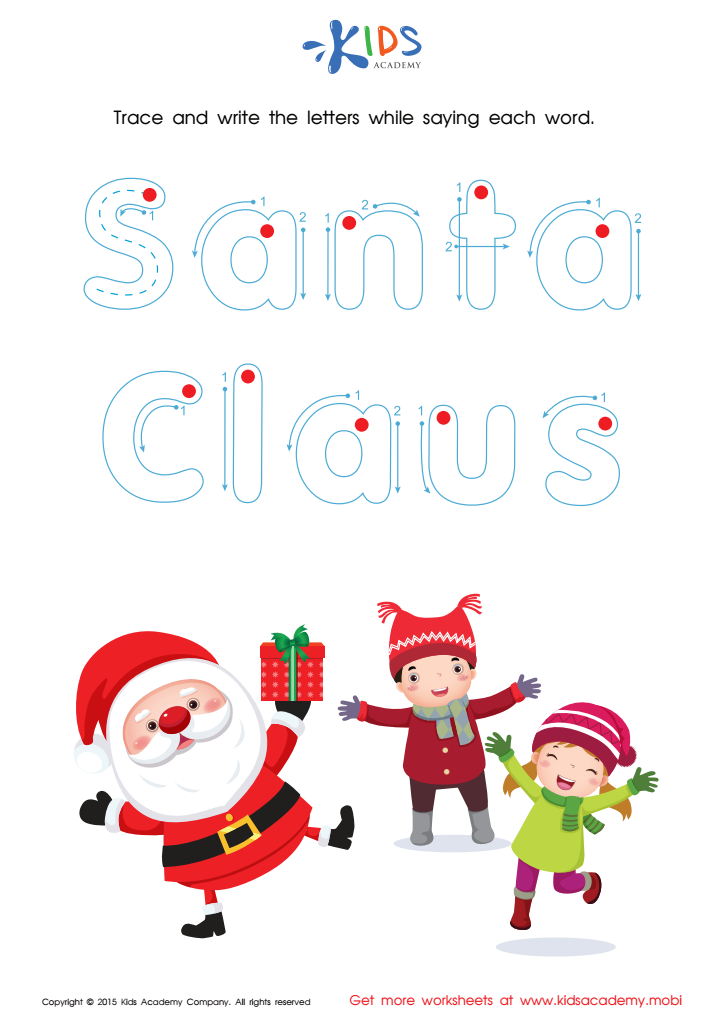
Santa Claus Tracing Winter Words Worksheet
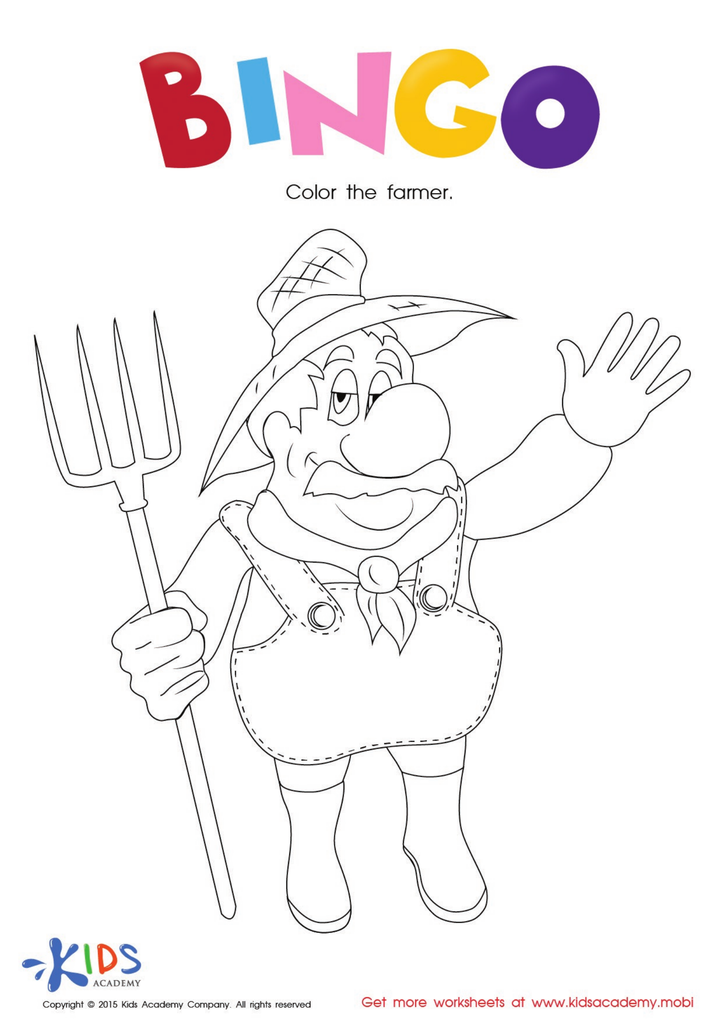
The Bingo Song: Coloring The Farmer Worksheet
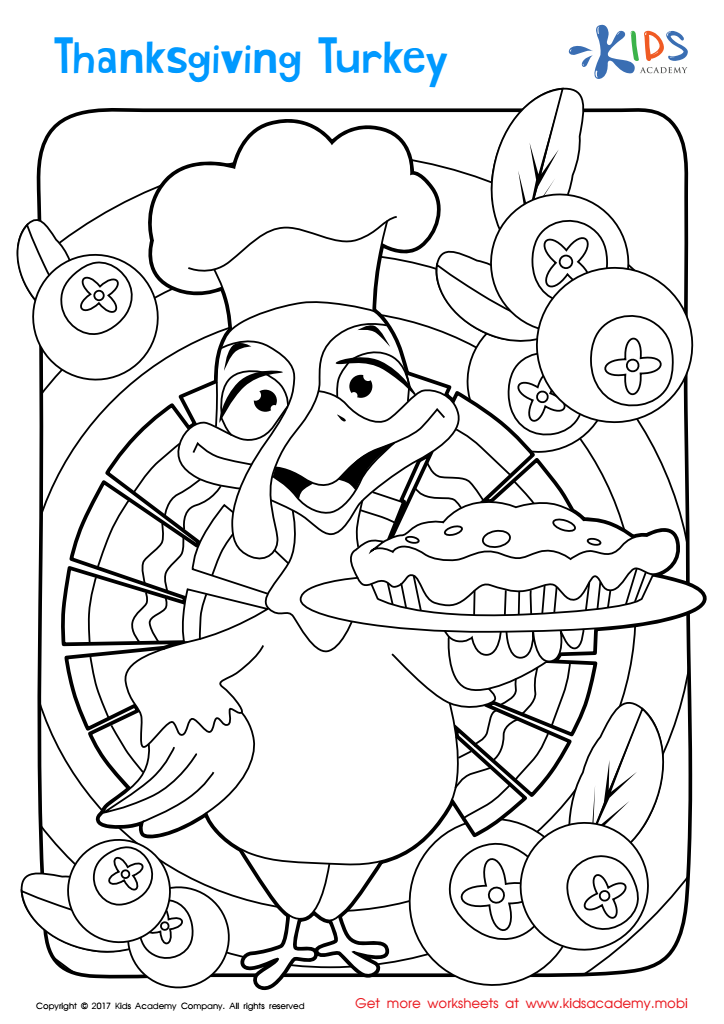
Turkey Thanksgiving Day Worksheet
Assign to My Students
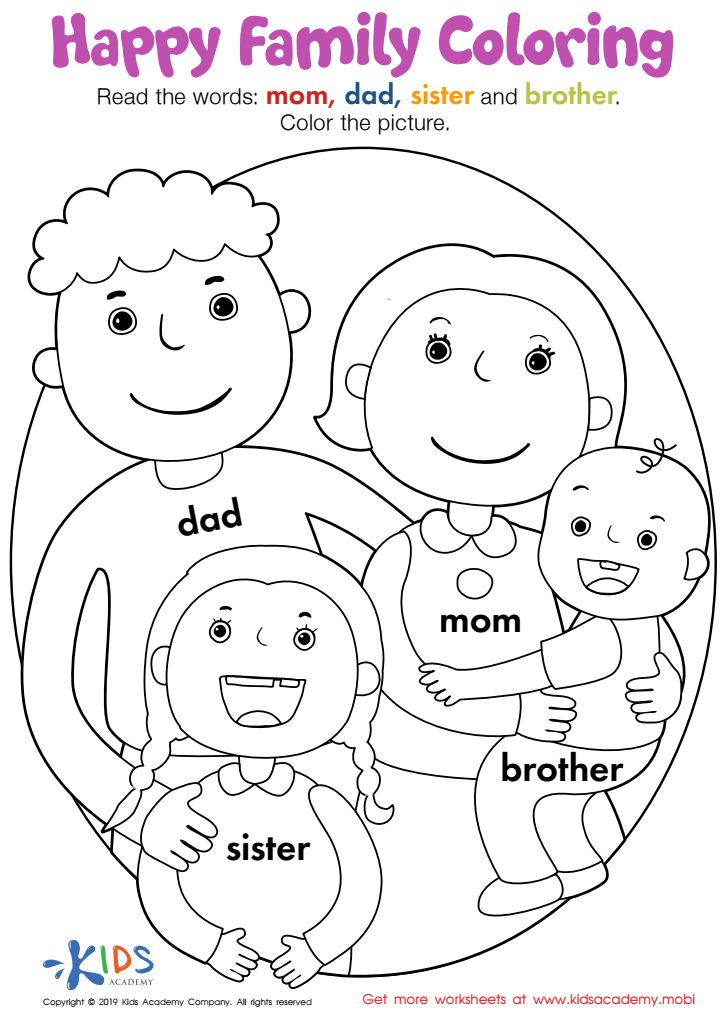
Happy Family Coloring Worksheet
Assign to My Students
In the Treetops Coloring Page
Assign to My Students
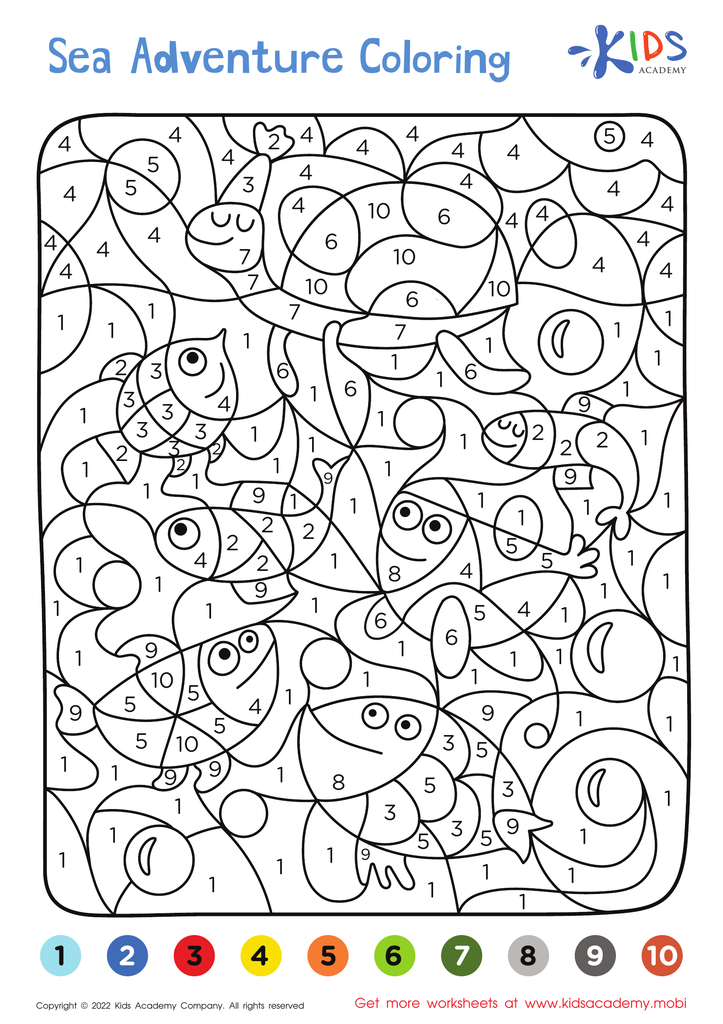
Sea Adventure – Coloring by Numbers




.jpg)


Creativity stimulation for children aged 3-5 is essential for multiple critical developmental reasons. During this stage, children's brains are incredibly malleable, making it a prime time for growth and learning. Encouraging creativity helps to develop cognitive skills like problem-solving and critical thinking. For instance, engaging in imaginative play can enhance a child's ability to think outside the box and approach problems from different angles.
Additionally, stimulating creativity supports emotional well-being. Activities that involve storytelling, drawing, or role-playing allow children to express their emotions and develop empathy by putting themselves in various scenarios or characters. This helps them understand their own feelings and the feelings of others, fostering emotional intelligence.
Creativity also promotes social skills. Group activities requiring collaboration, such as building structures with blocks or creating a group art project, help young children learn to communicate and work as a team. These interactions strengthen their ability to share, negotiate, and resolve conflicts.
Furthermore, nurturing creativity prepares children for academic success. Early creative experiences can lead to a lifelong love of learning by making education enjoyable and engaging. This foundation can benefit them throughout their educational journey and beyond.
Teachers and parents should, therefore, prioritize creativity stimulation to support mental, emotional, and social development, setting a strong foundation for a well-rounded future.








