Developing Concentration Worksheets for Ages 3-5
6 filtered results
-
From - To
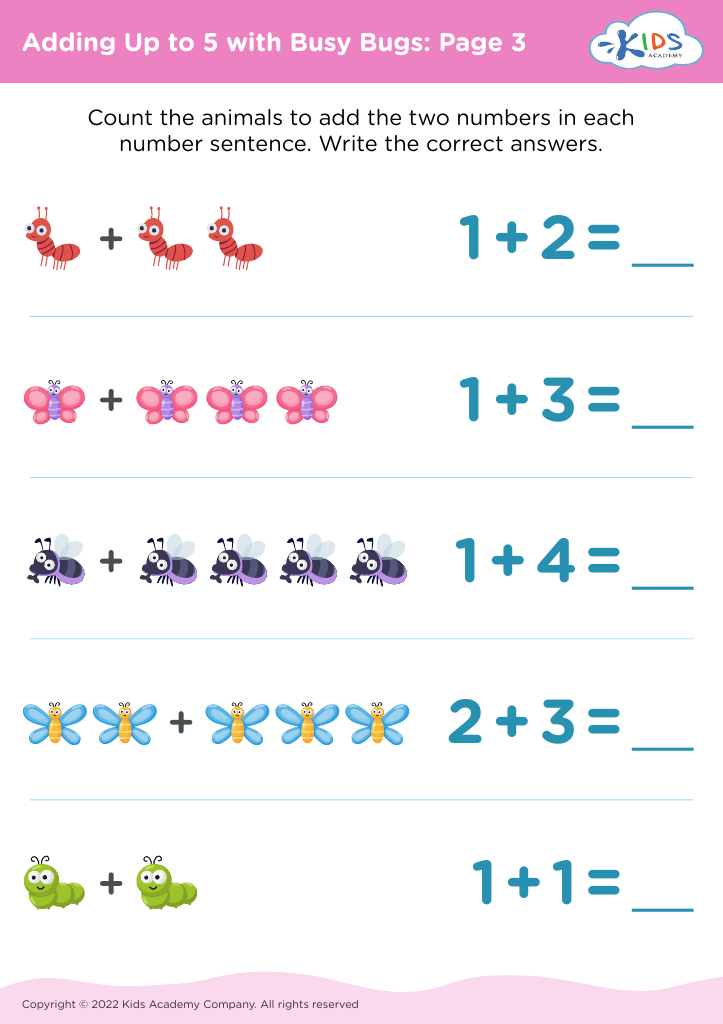
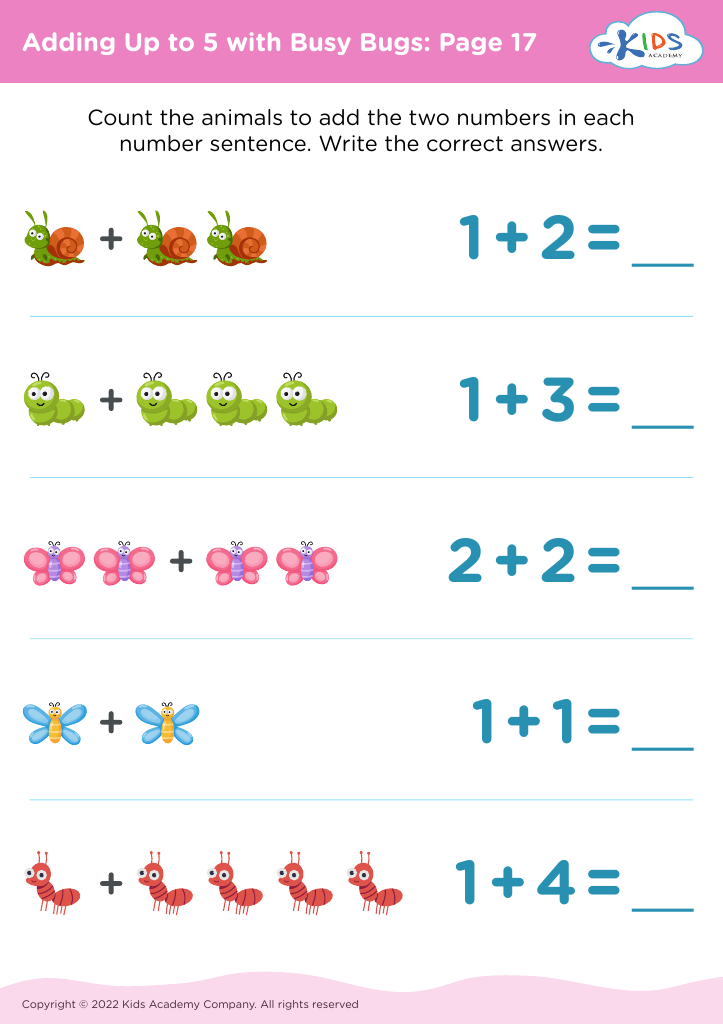
Welcome to our collection of "Developing Concentration Worksheets for Ages 3-5"! These engaging and interactive worksheets are designed to help young children build essential concentration skills through fun activities. With puzzles, matching games, and colorful illustrations, our materials keep kids focused while enhancing their cognitive abilities. Perfect for home or classroom use, these worksheets encourage critical thinking, memory retention, and attention span development in little learners. Watch as your child grows more confident and capable! Browse our extensive selection today and support your child's journey toward improved concentration, laying the foundation for lifelong learning success.
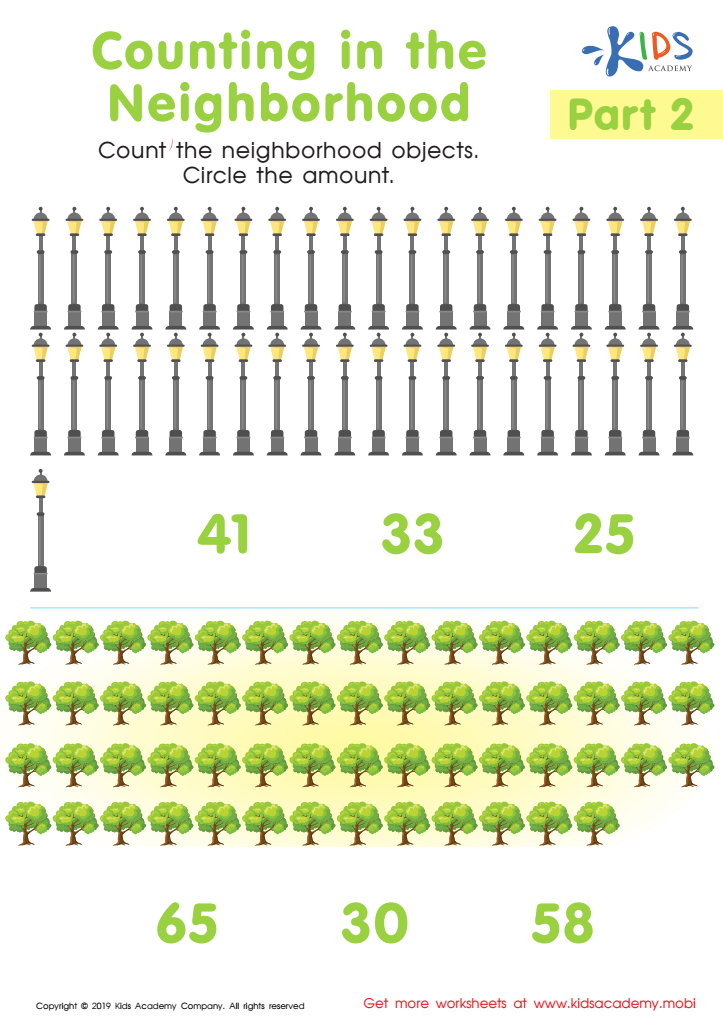
Counting In The Neighborhood Part 2 Worksheet
 Assign to My Students
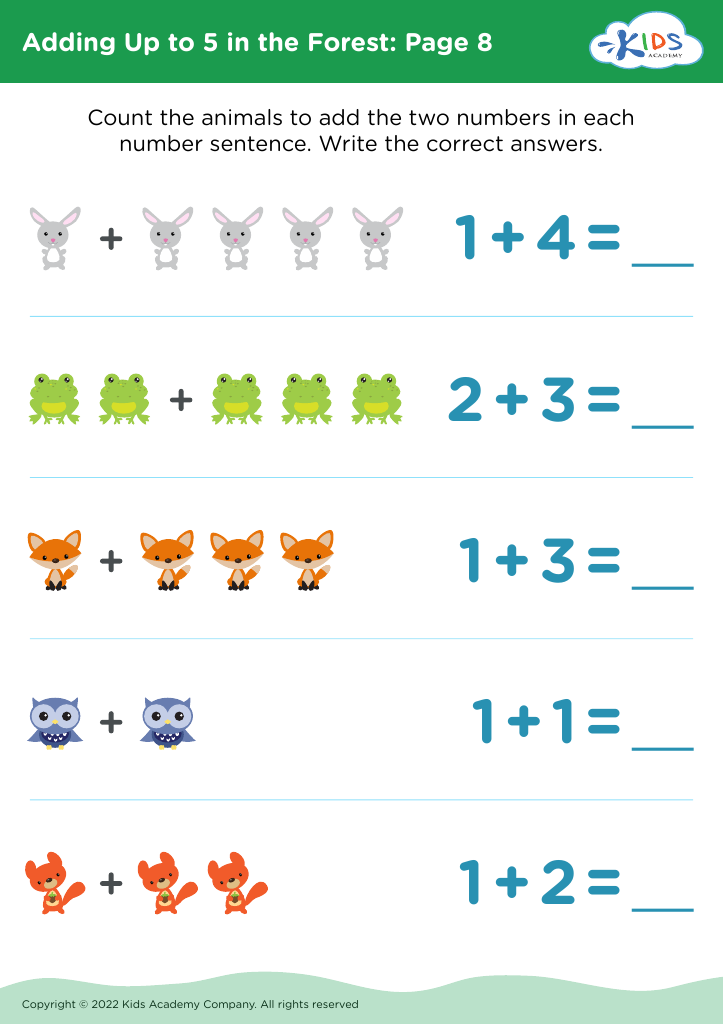
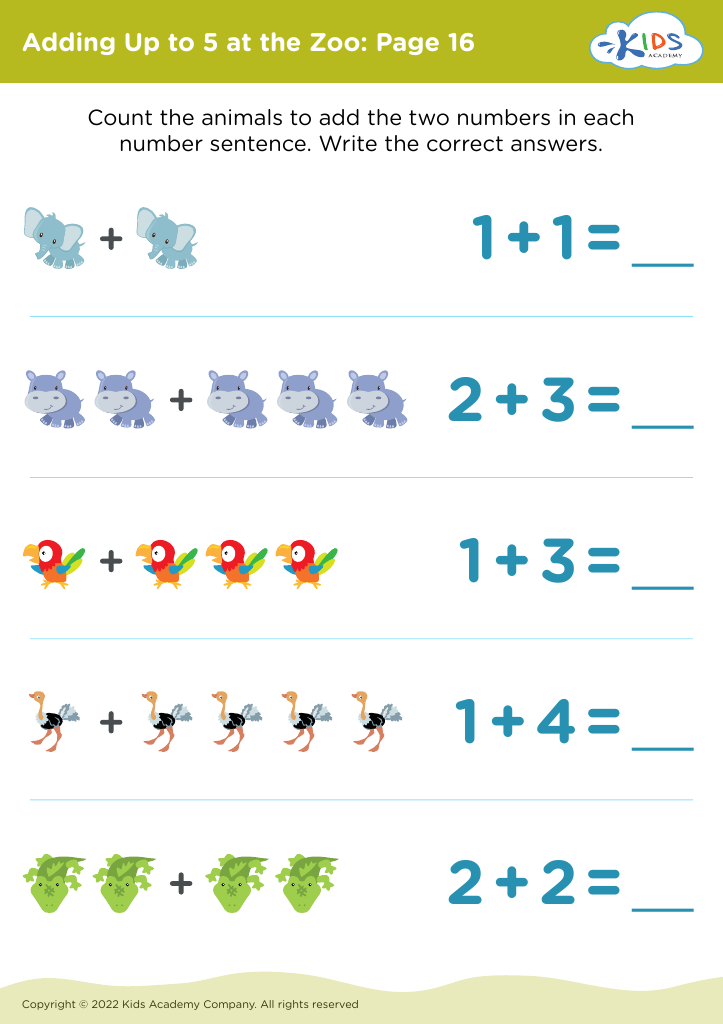
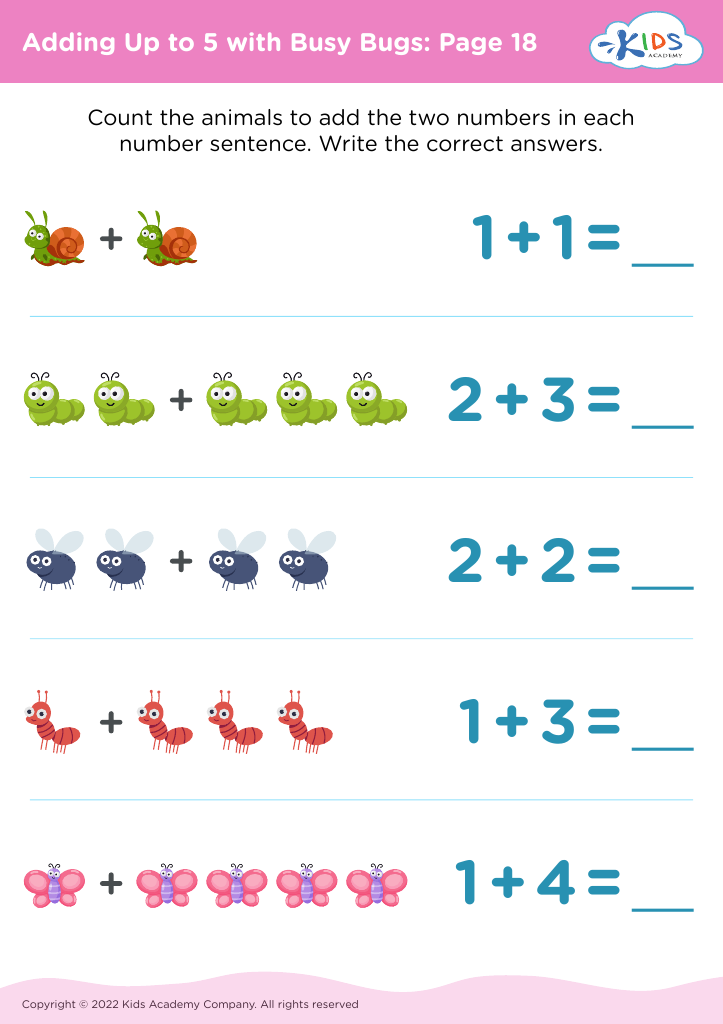






Developing concentration in children aged 3-5 is crucial for several reasons. During these formative years, children are building the foundational skills essential for their future learning experiences. Concentration enhances cognitive development, allowing children to focus on tasks, absorb new information, and engage in problem-solving. When children learn to maintain attention, they become better equipped to follow instructions, participate in activities, and interact with their peers, fostering social skills and emotional intelligence.
Furthermore, cultivating concentration in early childhood prepares children for the structure of formal schooling. It helps them transition smoothly into more rigorous academic environments where attentiveness is key to success. Parents and teachers can promote concentration through engaging activities, such as storytelling, puzzles, and creative play, which hold children's interest and encourage them to focus for extending periods.
Additionally, by recognizing and addressing challenges with concentration early on, caregivers can instill self-regulation skills and bolster a child's confidence, setting them on a path toward lifelong learning. Supporting concentration is not only about enhancing academic readiness but also about fostering a child's overall development, making it a vital focus for parents and educators alike. Investing in these skills early paves the way for brighter futures.








