Letter Tracing Worksheets for Ages 3-5
8 filtered results
-
From - To
Welcome to our Letter Tracing Worksheets for Ages 3-5! These engaging and interactive worksheets are designed to help young learners develop essential handwriting and fine motor skills. Each worksheet features large, clear letters for your child to trace, fostering recognition and ease in writing. Perfect for preschool and kindergarten activities, our letter tracing resources facilitate learning through play, making it enjoyable for kids. You can download and print these fun worksheets anytime, ensuring a productive learning experience. Boost your child's confidence with their writing ability while reinforcing letter sounds and shapes! Discover the joy of learning with our delightful tracing worksheets today!
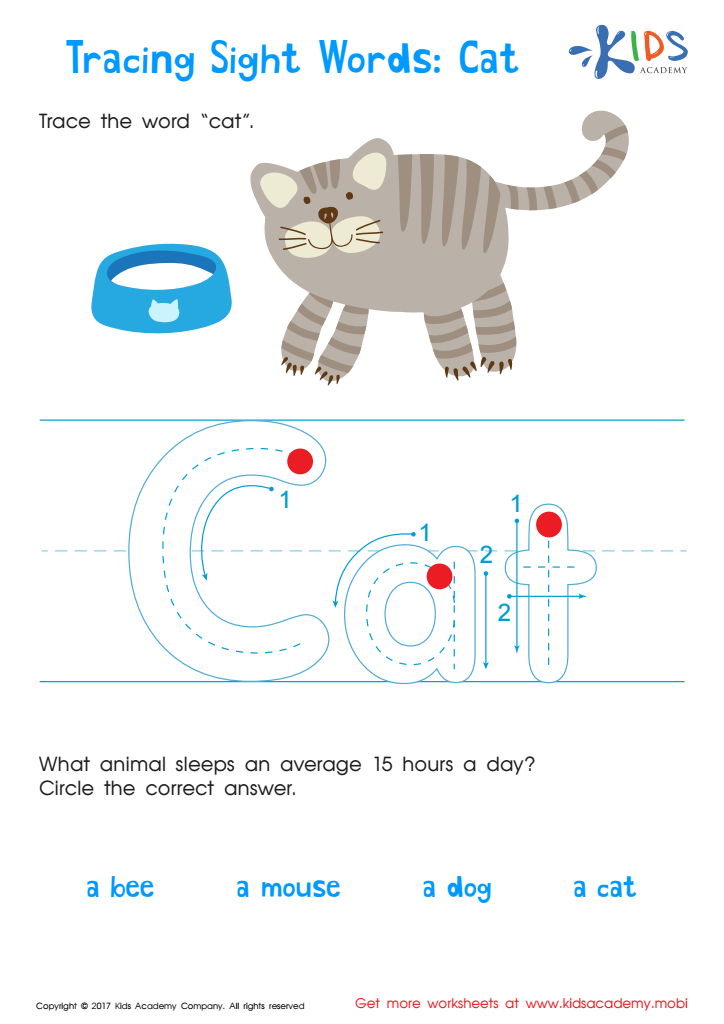
Cat Printable Sight Words Worksheet
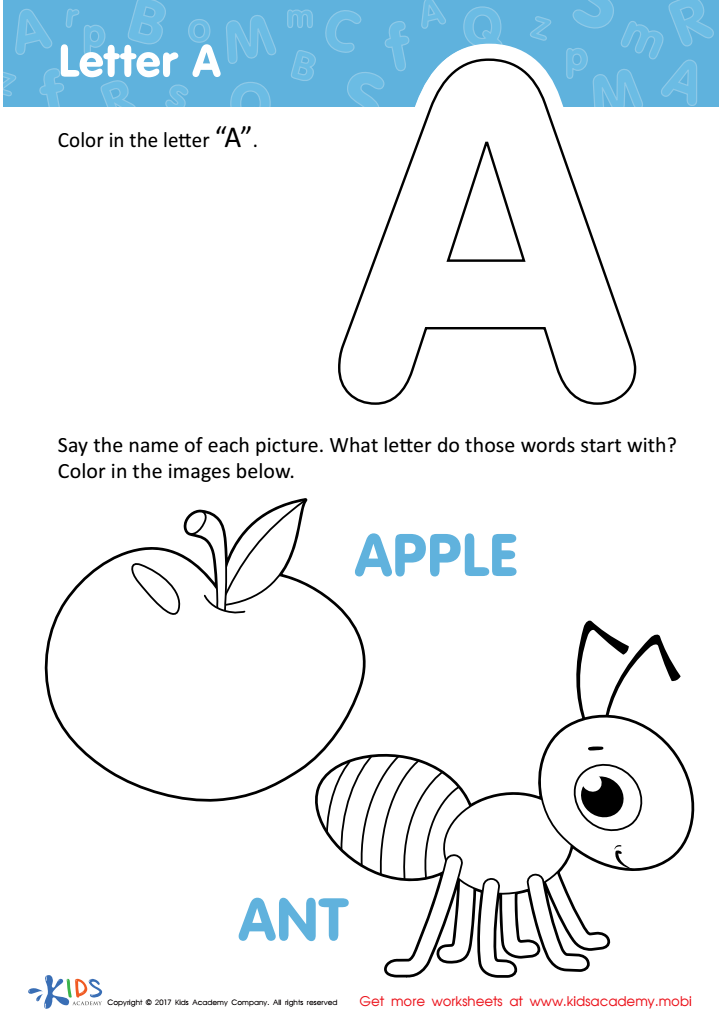
Letter A Coloring Sheet
 Assign to My Students
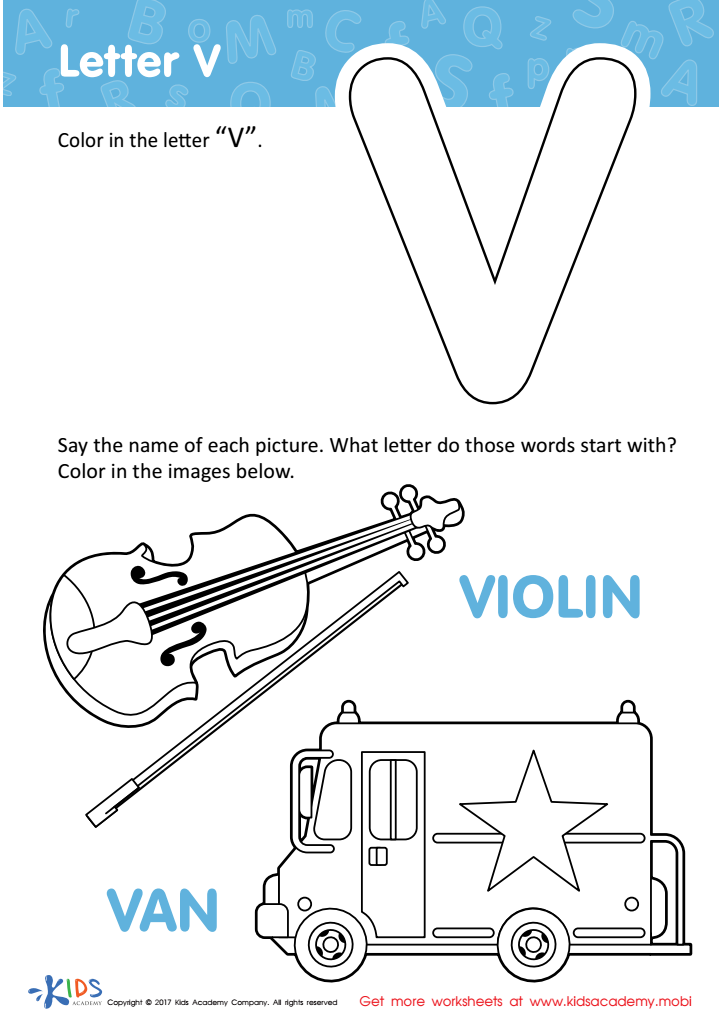
Letter V Coloring Sheet
Assign to My Students
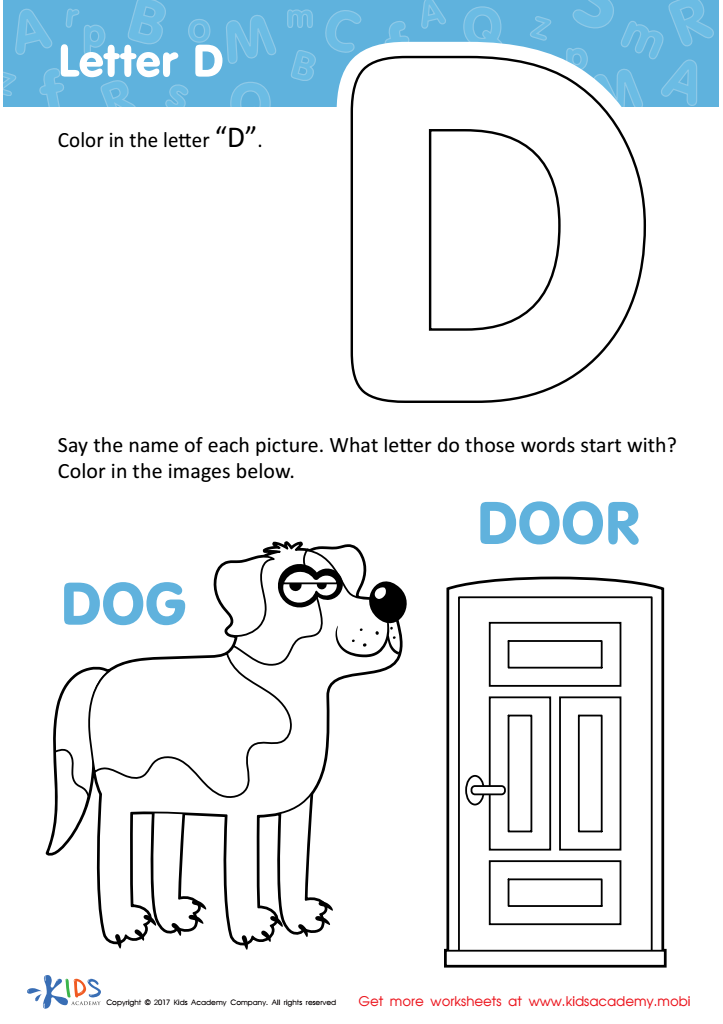
Letter D Coloring Sheet
Assign to My Students
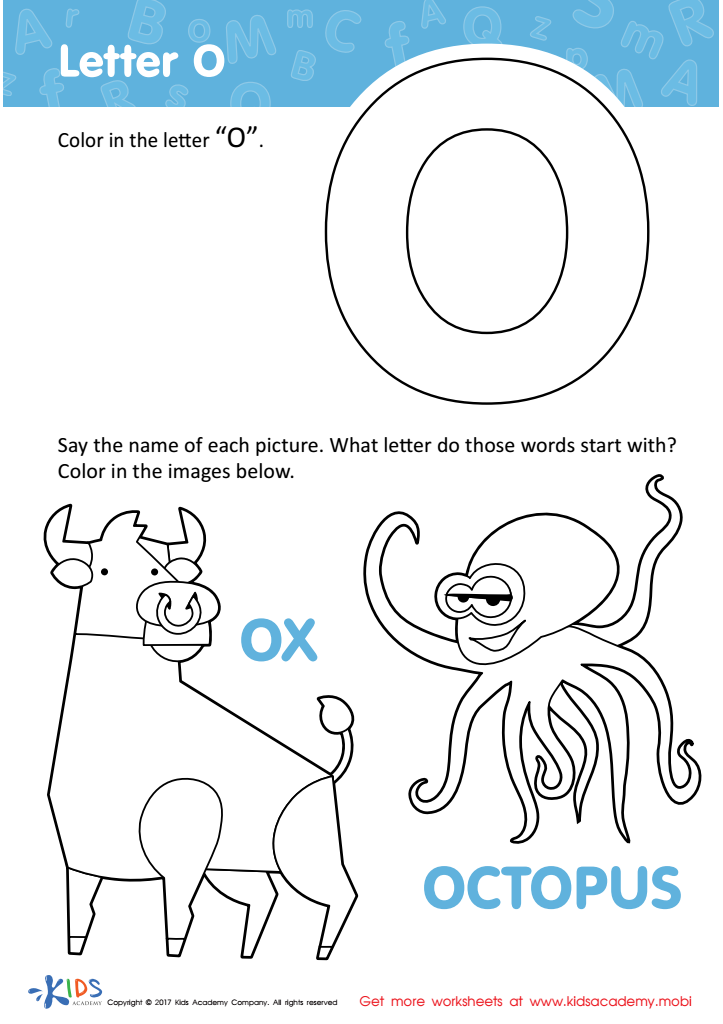
Letter O Coloring Sheet
Assign to My Students
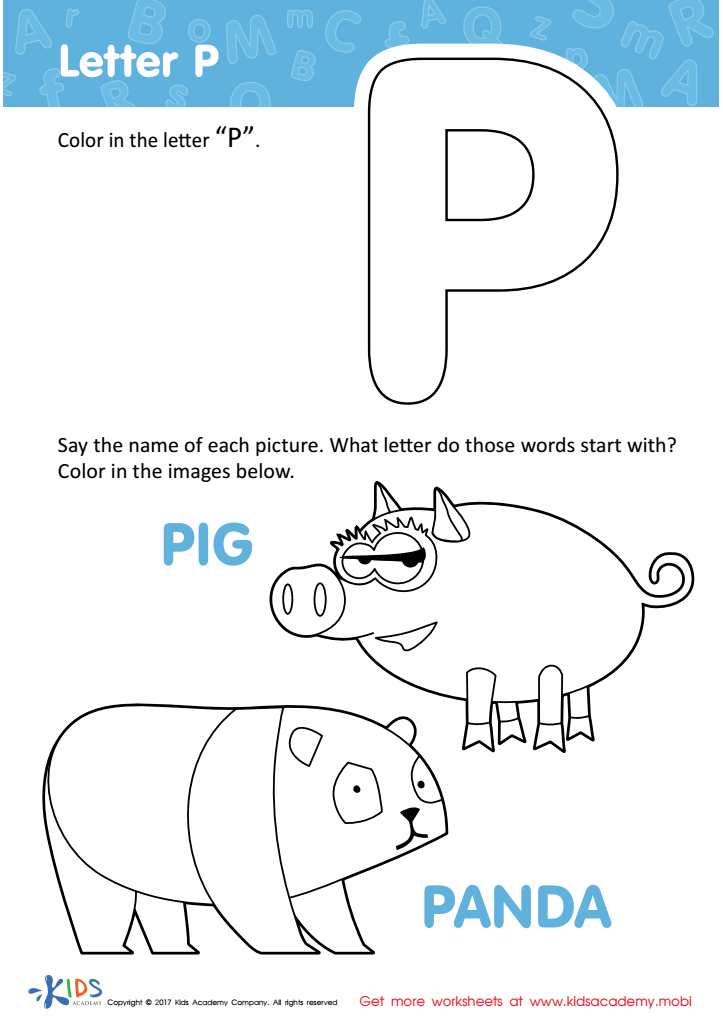
Letter P Coloring Sheet
Assign to My Students
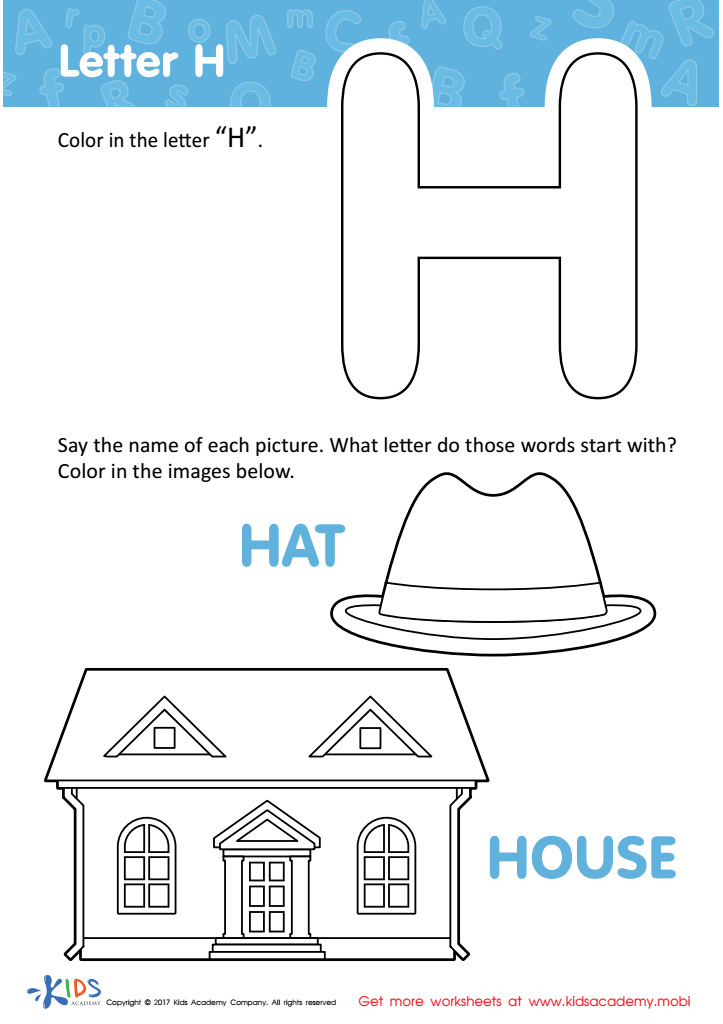
Letter H Coloring Sheet
Assign to My Students
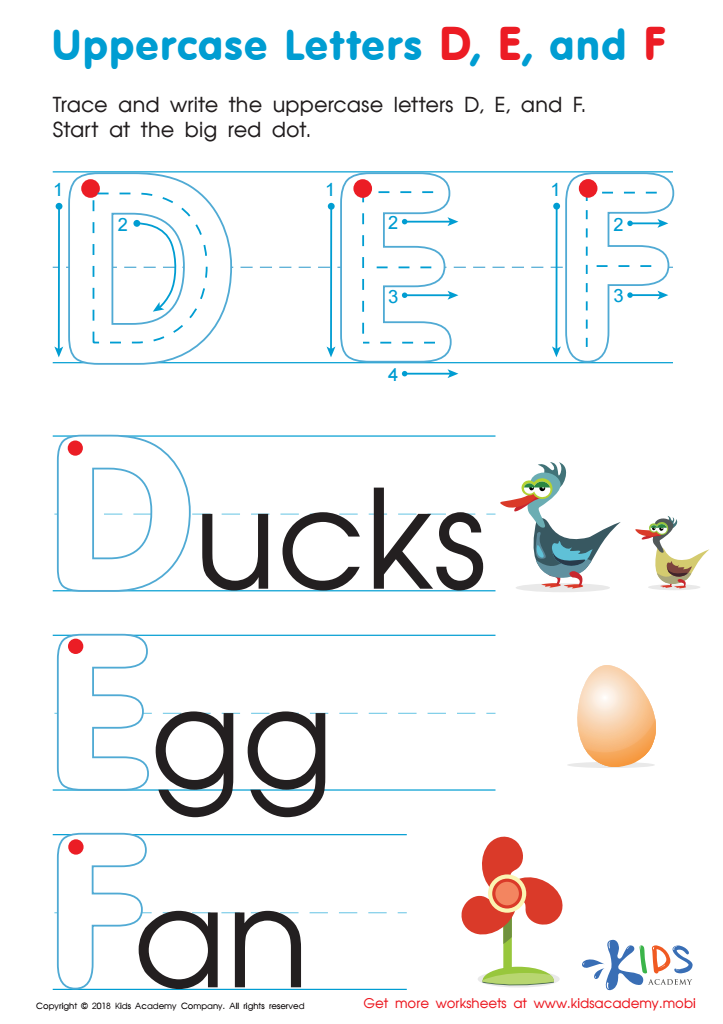
Uppercase Letters D, E, and F Worksheet






Letter tracing is a fundamental activity for children aged 3-5, serving as a critical building block in their early literacy development. Parents and teachers should care about this practice for several compelling reasons.
Firstly, letter tracing aids in developing fine motor skills, essential for tasks like writing, drawing, and using scissors. By following the lines, children enhance their hand-eye coordination and dexterity, which are vital for school readiness.
Secondly, it fosters letter recognition, helping young learners identify letters and understand their shapes. This recognition is paramount as it lays the groundwork for reading and writing. When children trace letters, they engage in multisensory learning: they see the letters, feel the movement of forming them, and often hear associated sounds, enhancing memory retention.
Moreover, tracing promotes focus and concentration. As children follow the lines, they learn the importance of precision and patience—skills beneficial throughout all aspects of learning.
Lastly, it boosts confidence. Successfully tracing letters gives young children a sense of accomplishment, motivating them to continue exploring their writing abilities. Ultimately, encouraging letter tracing supports holistic development in literacy, motor skills, and self-esteem, making it an invaluable practice for parents and teachers in nurturing young learners.








