Logical reasoning skills Worksheets for Ages 3-5
5 filtered results
-
From - To
Enhance your child's cognitive development with our engaging Logical Reasoning Skills Worksheets for ages 3-5. Designed to stimulate young minds, these worksheets help little learners develop critical thinking and problem-solving skills in a fun and interactive way. Each activity promotes pattern recognition, categorization, and sequencing—key components of logical reasoning. With colorful illustrations and age-appropriate challenges, children will become more confident in their ability to think logically. Perfect for parents and educators, these printable resources can be used at home or in the classroom to foster a love for learning while building foundational reasoning skills. Unlock your child's potential today!
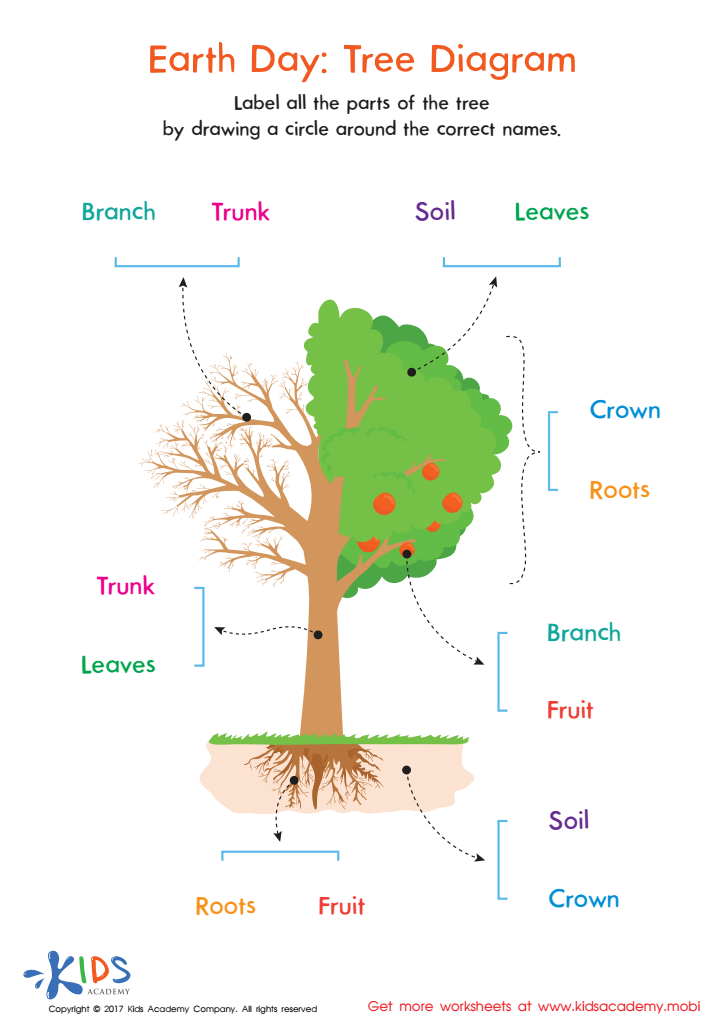
Earth Day: Tree Diagram Worksheet
 Assign to My Students
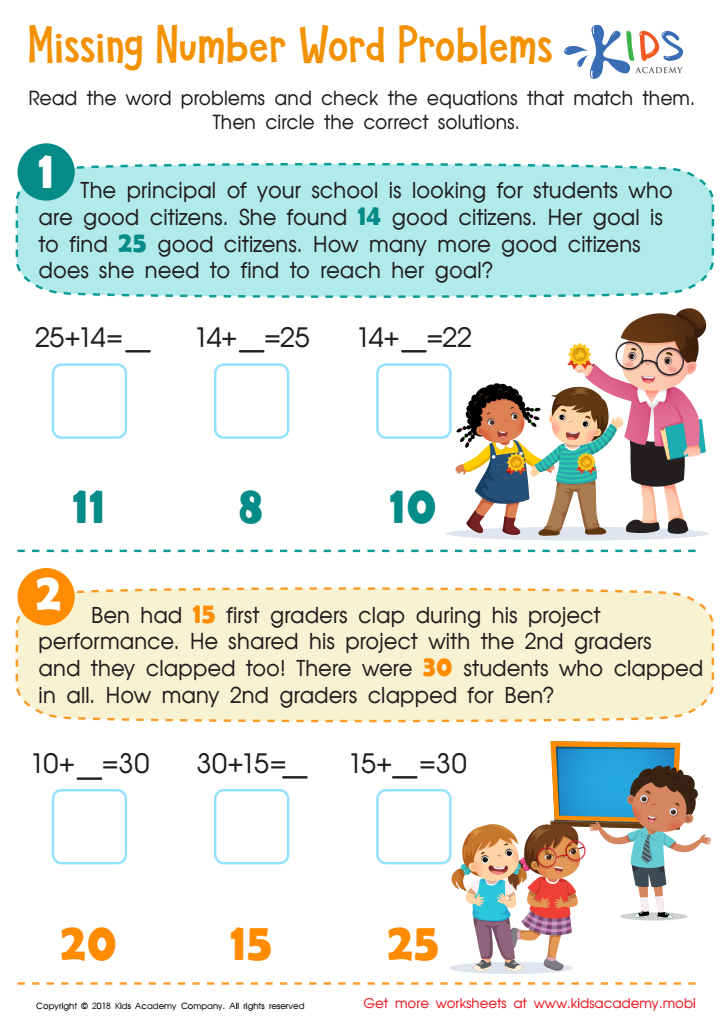
Missing Number Word Problems Worksheet
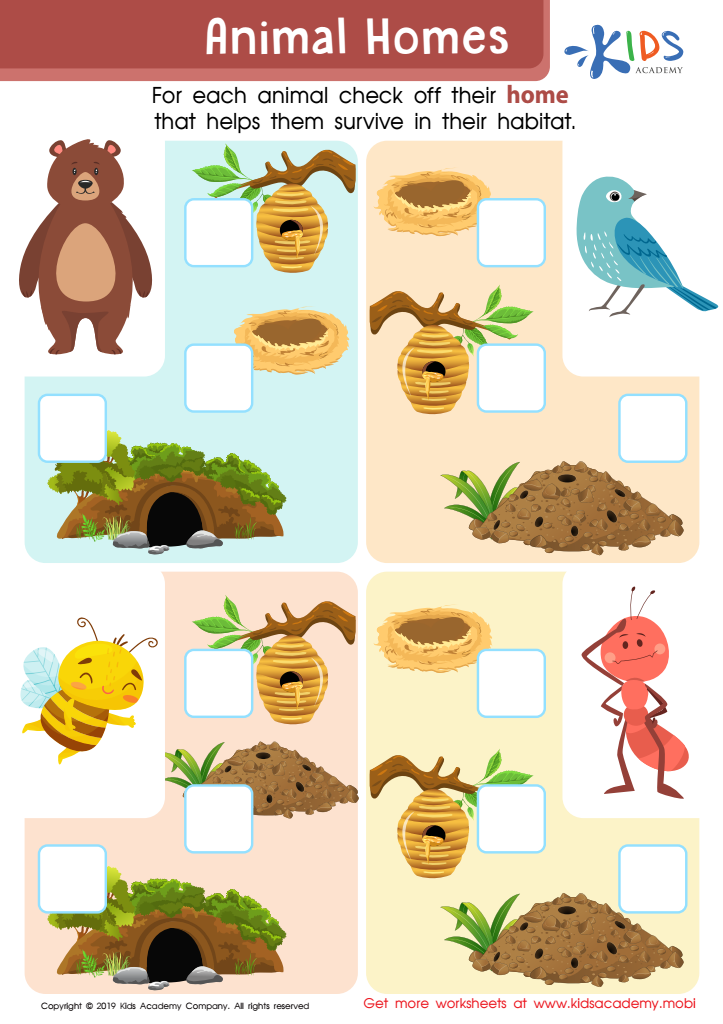
Animal Homes Worksheet
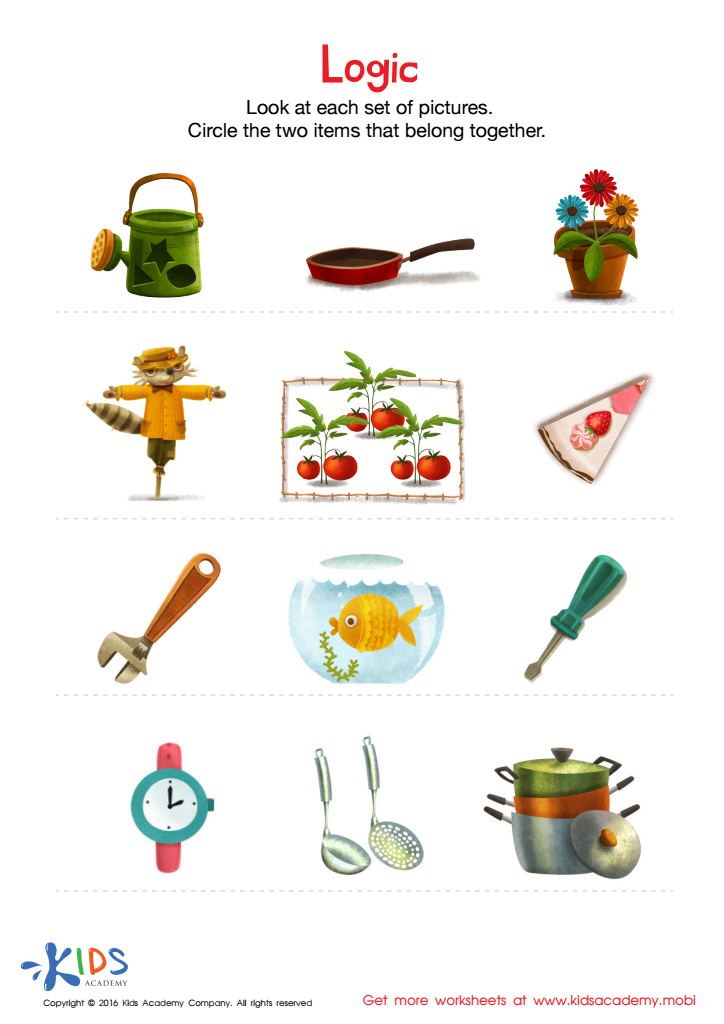
Logic Game Sorting Worksheet

Sudoku Worksheet


.jpg)




Logical reasoning skills are essential for children ages 3-5 as they lay the foundation for critical thinking and problem-solving abilities later in life. During these formative years, young children are naturally curious and eager to explore their environment. Parents and teachers who nurture logical reasoning can enhance a child's cognitive development by encouraging them to think systematically.
Developing logical reasoning helps children understand cause and effect, identify patterns, and make predictions based on observations. These skills contribute to numeracy and literacy, as children learn to categorize, compare, and make connections between concepts. For instance, when children engage in sorting activities, they practice organizing information, a vital step in mathematical reasoning.
Furthermore, logical reasoning fosters social skills. As children learn to negotiate, share, and resolve conflicts, they employ reasoning to understand others' perspectives and feelings. This capability boosts empathy and communication skills, essential for building relationships.
Investing in logical reasoning education during this critical period helps create confident learners who approach challenges with curiosity and problem-solving skills, ensuring they are better prepared for school and future academic endeavors. By prioritizing these skills, parents and teachers can enable children to navigate the world more effectively and make informed decisions.








