Problem-solving practice Worksheets for Ages 3-5
8 filtered results
-
From - To
Discover our engaging Problem-Solving Practice Worksheets designed for children ages 3-5! These worksheets are perfect for helping young learners develop essential critical thinking and problem-solving skills through fun, interactive activities. Each sheet features colorful illustrations and age-appropriate challenges that encourage kids to explore concepts like patterns, sequencing, and logic. Ideal for both classroom settings and home practice, our worksheets provide a strong foundation for future learning. Foster your child’s ability to think independently while they enjoy solving puzzles and tasks. Empower your little ones with the skills they need for effective problem-solving and build their confidence through playful learning!
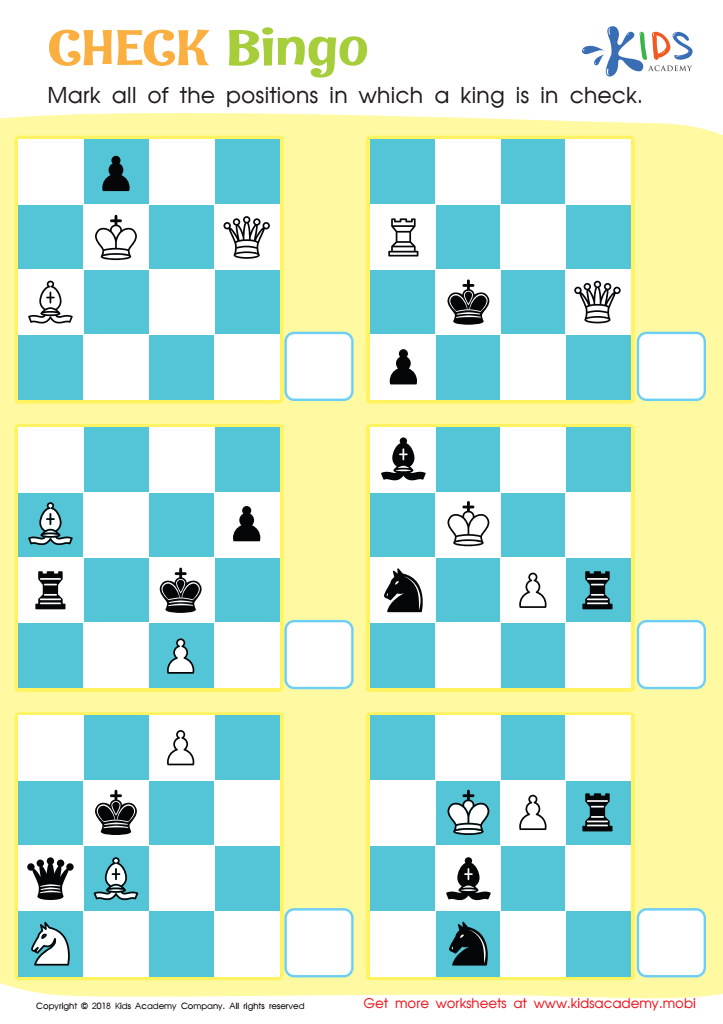
Check Bingo Worksheet
 Assign to My Students
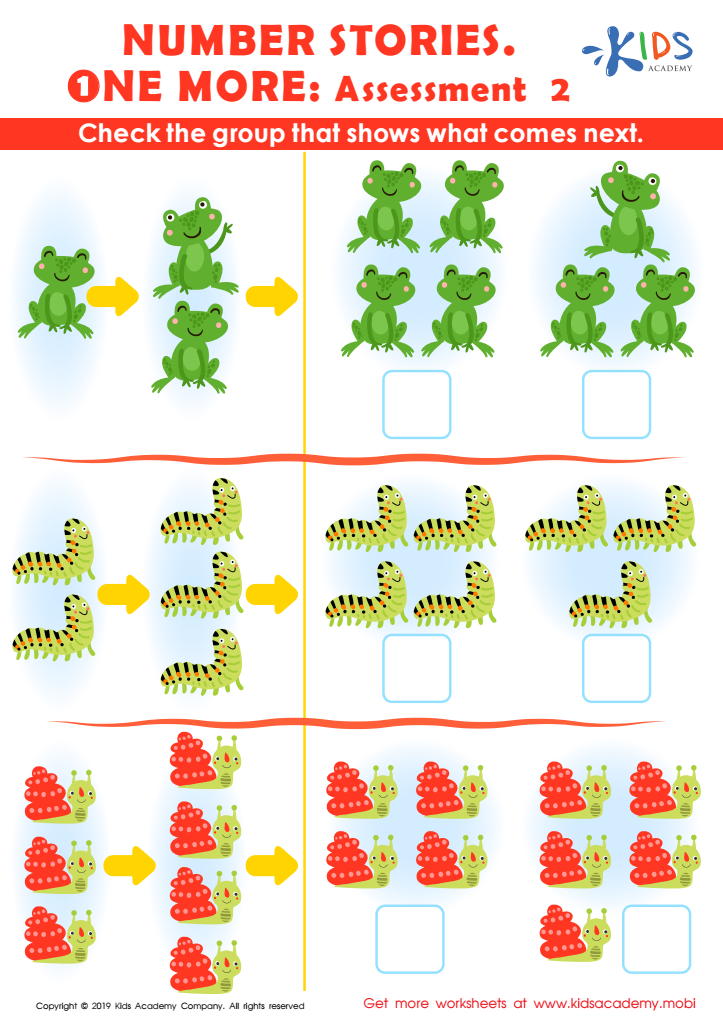
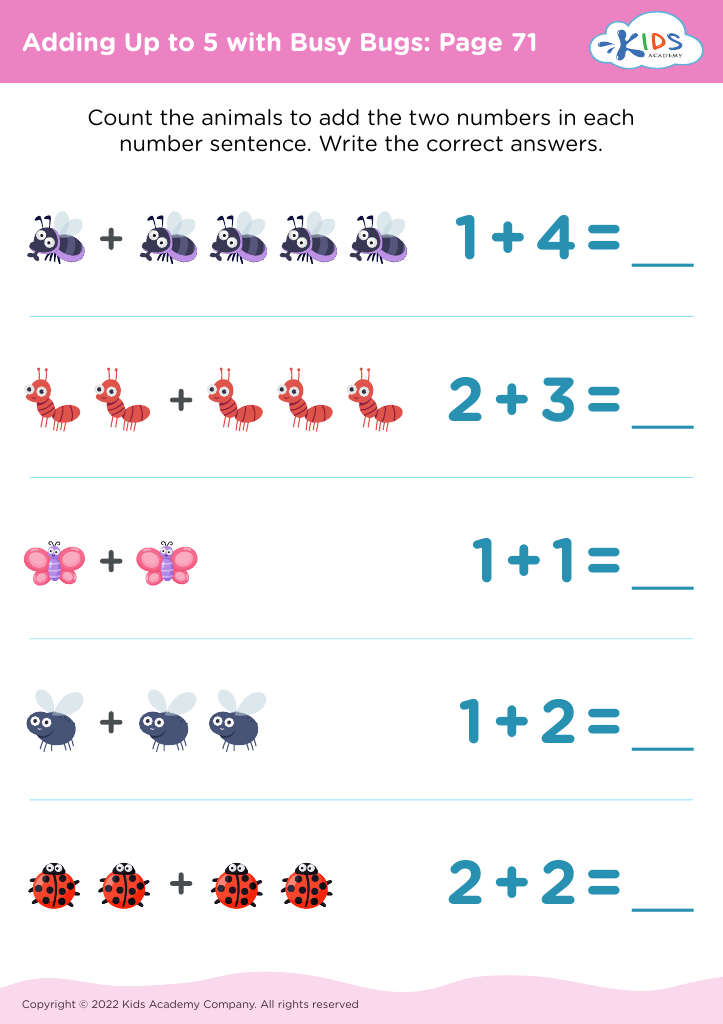
Number Stories One More – Assessment 2 Worksheet
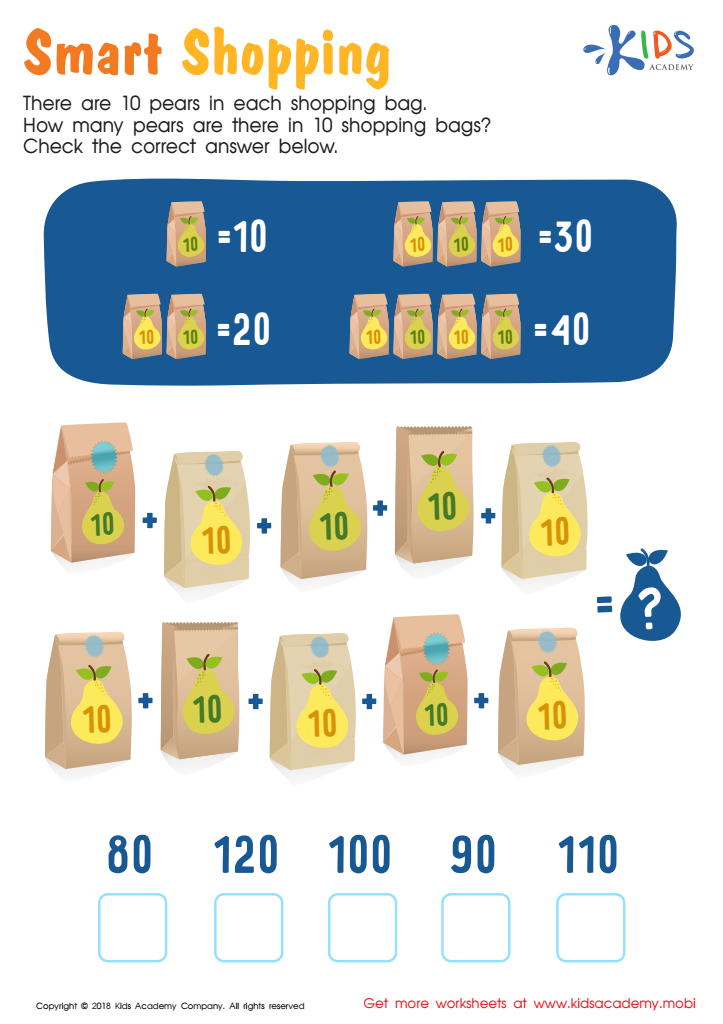
Smart Shopping: Trade Tens for a Hundred Worksheet
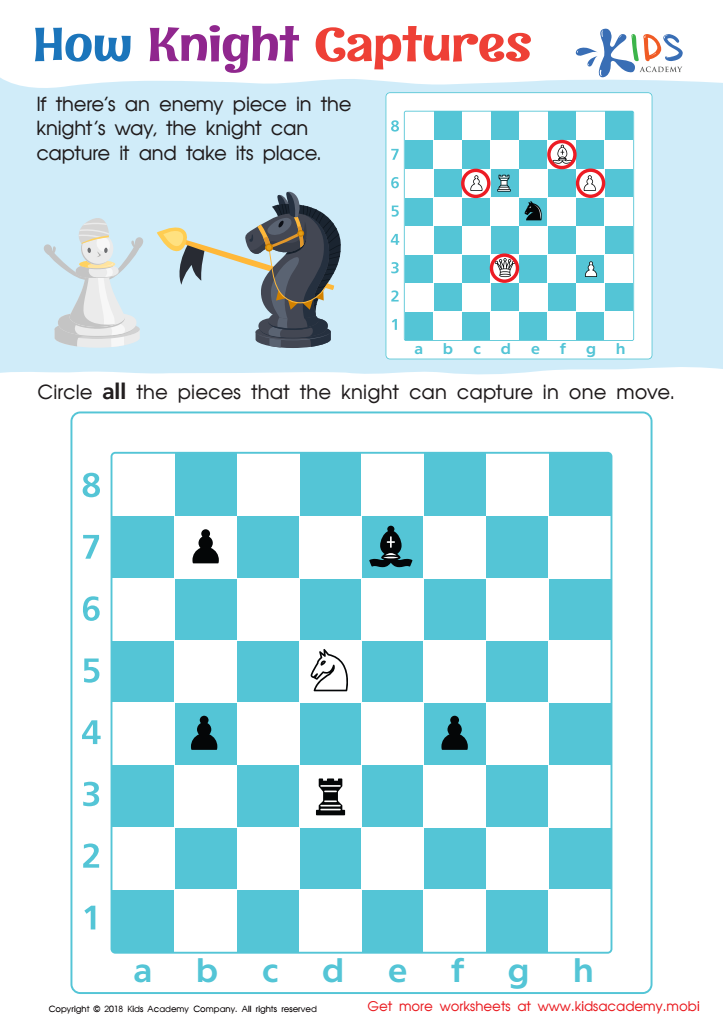
How Knight Captures Worksheet
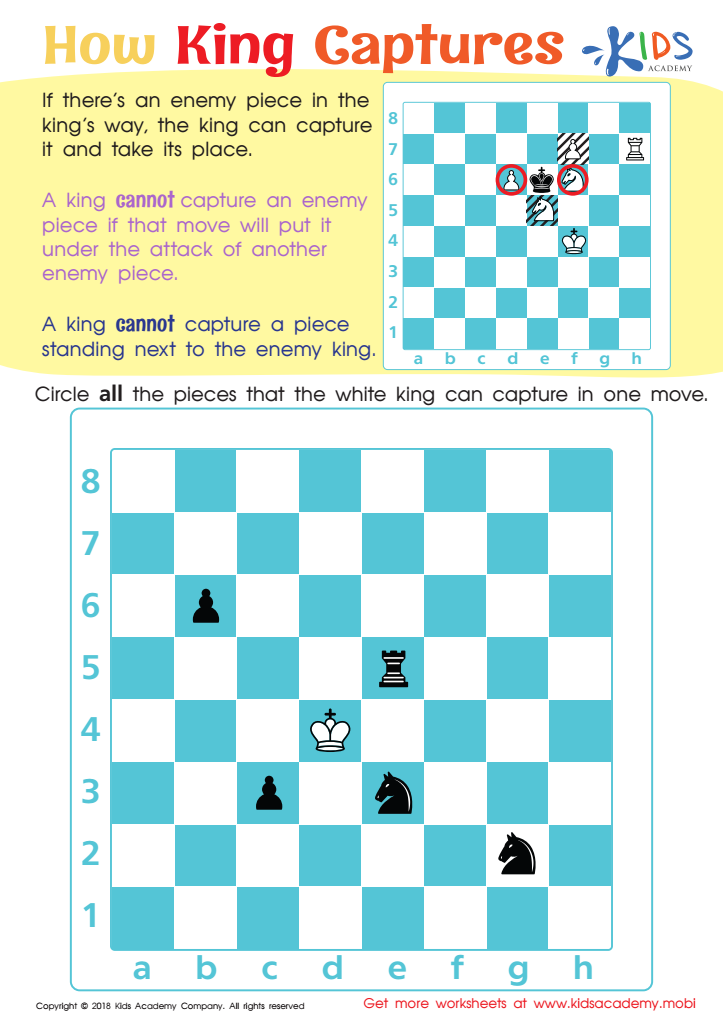
How King Captures Worksheet





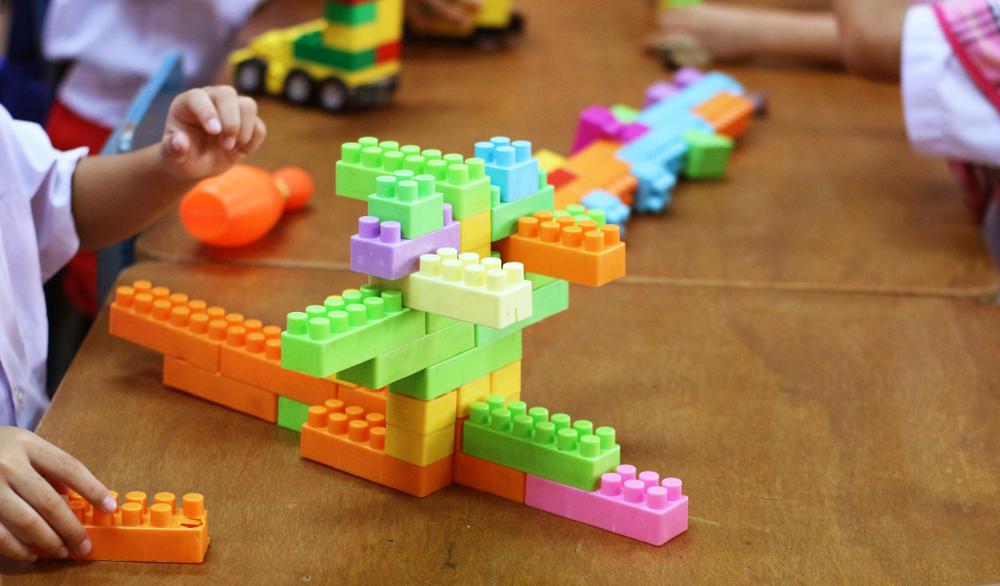


Problem-solving practice for children aged 3-5 is essential in building foundational cognitive skills that serve as the cornerstone for future learning. At this age, children's brains are rapidly developing, making it a critical period to foster skills such as critical thinking, reasoning, and creativity. Engaging in problem-solving activities enhances their ability to navigate challenges, think independently, and develop resilience.
Parents and teachers should care because these early experiences can positively influence a child's self-confidence and ability to effectively face obstacles throughout their academic journey and beyond. Problem-solving practice also encourages collaboration and communication, helping children learn to express their thoughts and ideas while respecting others' perspectives.
Incorporating playful, hands-on approaches to problem-solving is not only engaging but aligns with the developmental stage of young children, who learn best through play. These practices cultivate a love for learning and exploration, making children more eager and motivated to face new challenges. Ultimately, investing time and energy into problem-solving skills during early childhood benefits not only the individual child but also lays the groundwork for a more innovative and adaptable society. Thus, parents and teachers must prioritize and celebrate these formative experiences.








