Understanding context Worksheets for Ages 3-5
5 filtered results
-
From - To
Discover our engaging "Understanding Context Worksheets" designed specifically for children aged 3-5. These worksheets help young learners develop essential language skills by encouraging them to recognize how words and phrases fit together in various contexts. Through fun activities, kids will enhance their comprehension abilities and vocabulary, fostering a deeper understanding of language. Whether it’s matching words to images or filling in the blanks, each worksheet is tailored to provide a supportive learning experience. Perfect for parents and educators, these resources aim to spark curiosity and promote early literacy while making learning enjoyable! Start exploring today to nurture your child's language development!
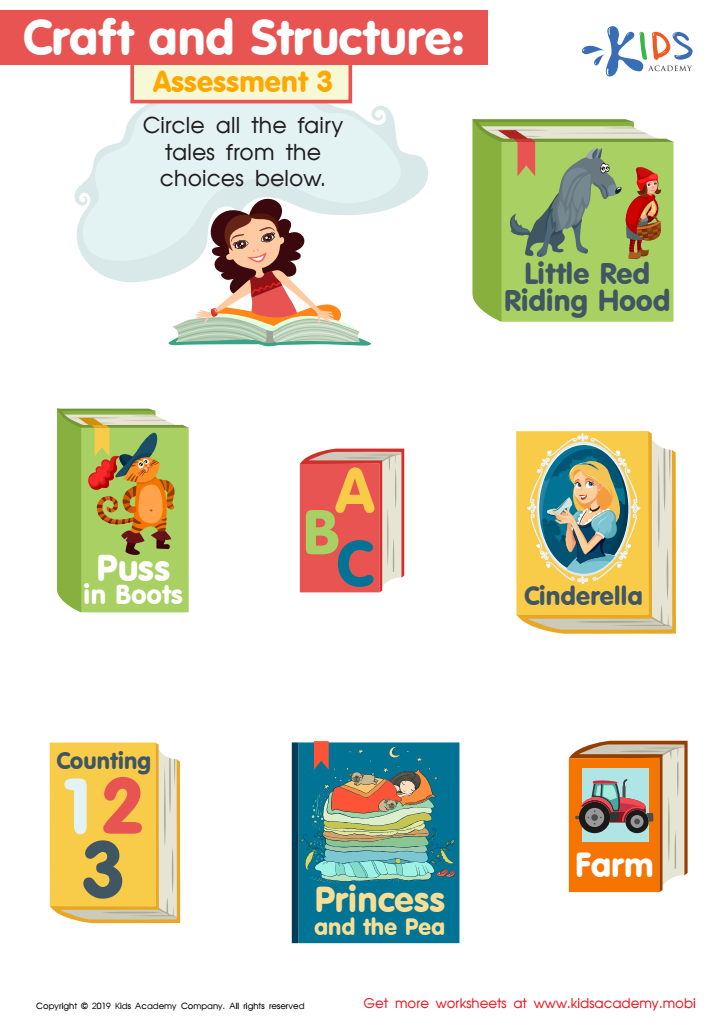
Craft and Structure: Assessment 3 Worksheet
 Assign to My Students
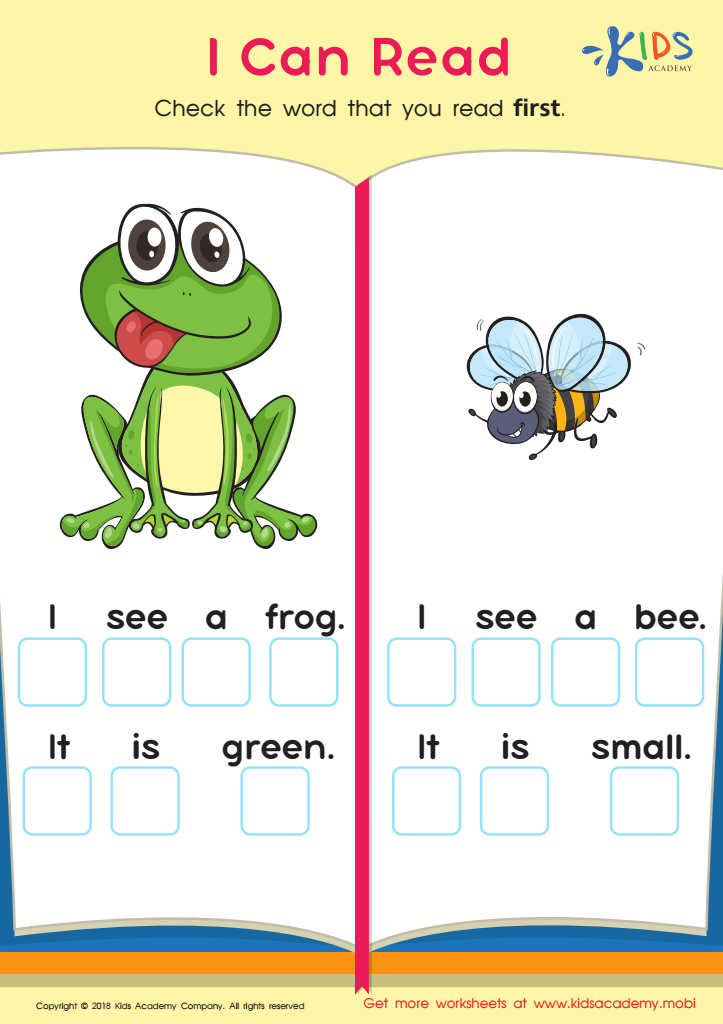
I Can Read Worksheet
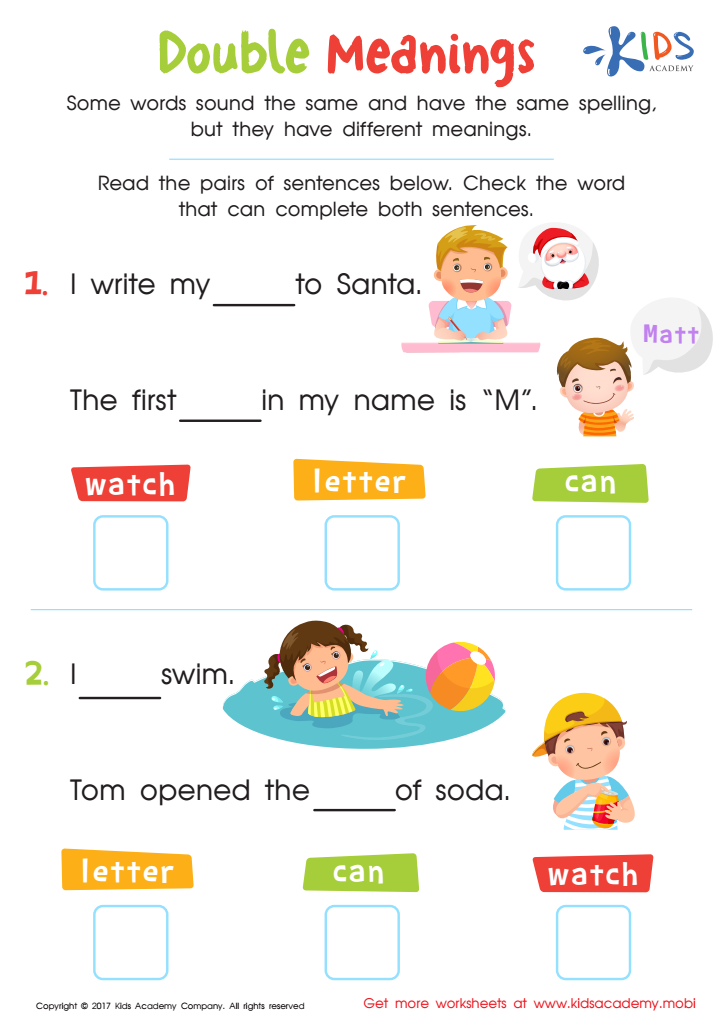
Double Meanings Worksheet
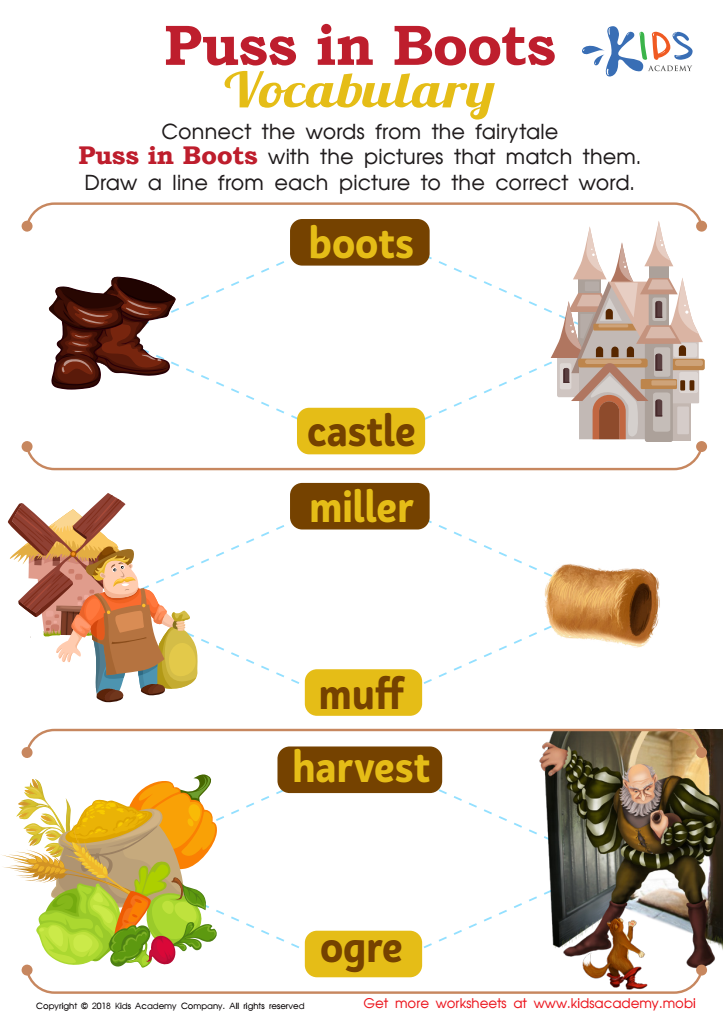
Puss in Boots Vocabulary Worksheet
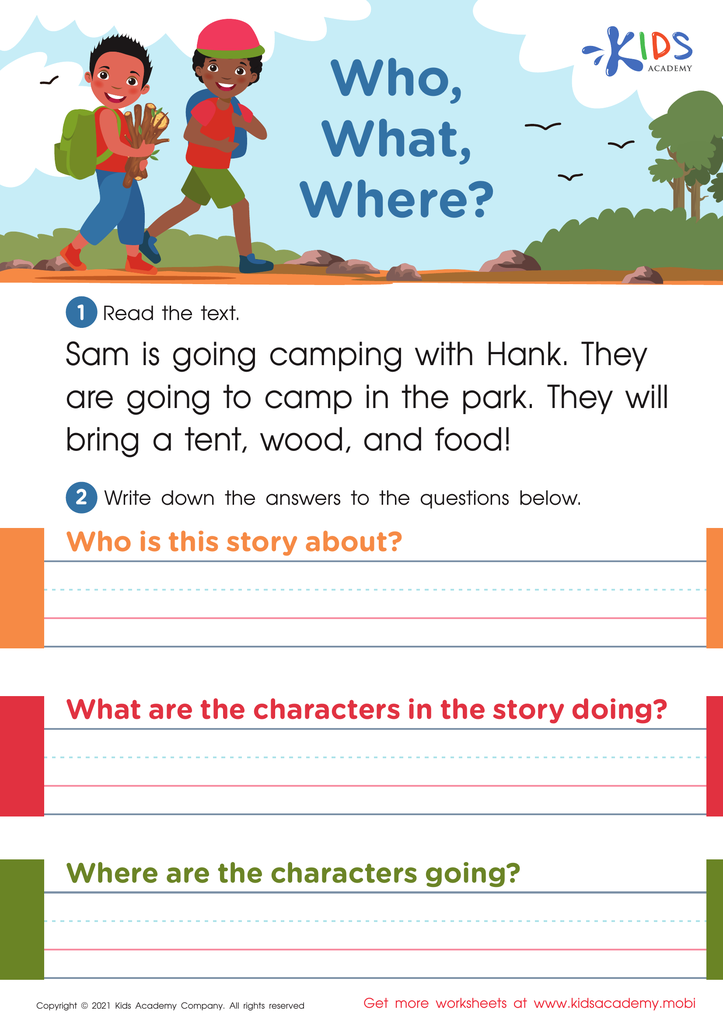
Who, What, Where? Worksheet


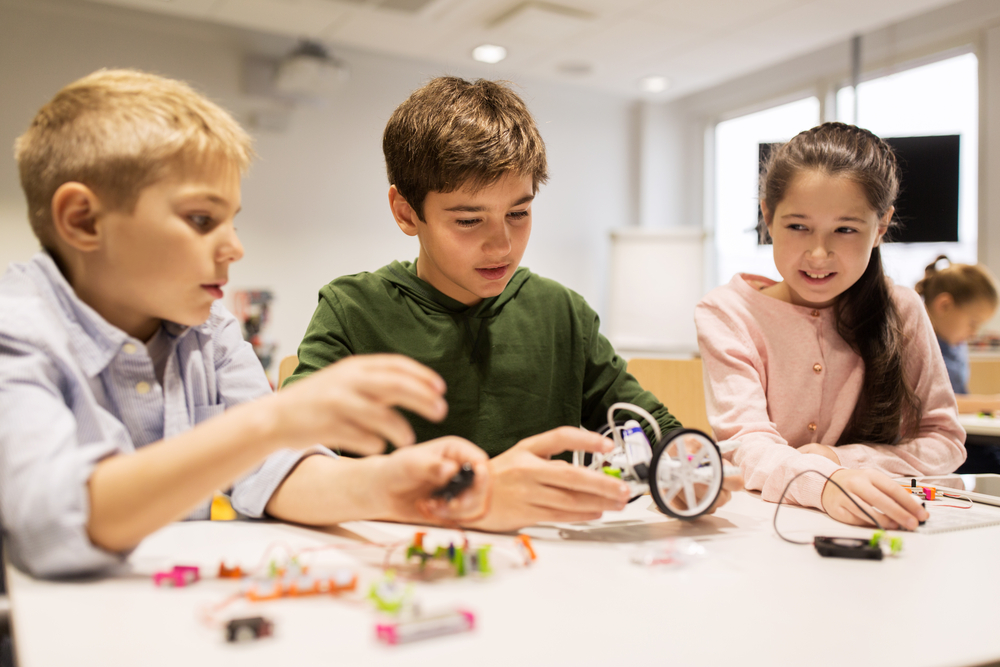





Understanding context is crucial for the development of children aged 3-5, as it shapes their ability to learn, communicate, and engage with the world around them. At this early stage, children are naturally curious and try to make sense of their environment. Context helps them to connect new vocabulary and concepts to their everyday experiences, making learning more meaningful and effective.
Parents and teachers should care about understanding context because it directly influences children's social and emotional development. When adults acknowledge the background or circumstances surrounding a child's behavior or learning, they can provide targeted support that addresses specific needs. For example, a child acting out during group activities may have underlying issues that reflect their home life or social anxieties, which context can help to identify.
Moreover, teaching children to comprehend context enhances their critical thinking and comprehension skills. It encourages them to ask questions, seek clarification, and relate their narratives to broader societal themes. Providing a rich, contextual learning environment equips young learners with essential skills for future learning and social interactions, fostering resilience, empathy, and adaptability. Ultimately, understanding context lays the foundation for lifelong academic and personal growth.








