Understanding ecosystems Worksheets for Ages 3-5
4 filtered results
-
From - To
Explore the wonders of nature with our "Understanding Ecosystems Worksheets" designed specifically for ages 3-5. These engaging, age-appropriate worksheets introduce young learners to the fascinating world of ecosystems, from forests to oceans. With colorful illustrations and simple activities, children will develop a foundational understanding of plant and animal life, their habitats, and the interdependence in nature. Perfect for home or classroom use, these worksheets foster curiosity and a love for the environment while supporting early literacy and critical thinking skills. Start your child's journey into the natural world today and watch them thrive as young scientists and environmental stewards!
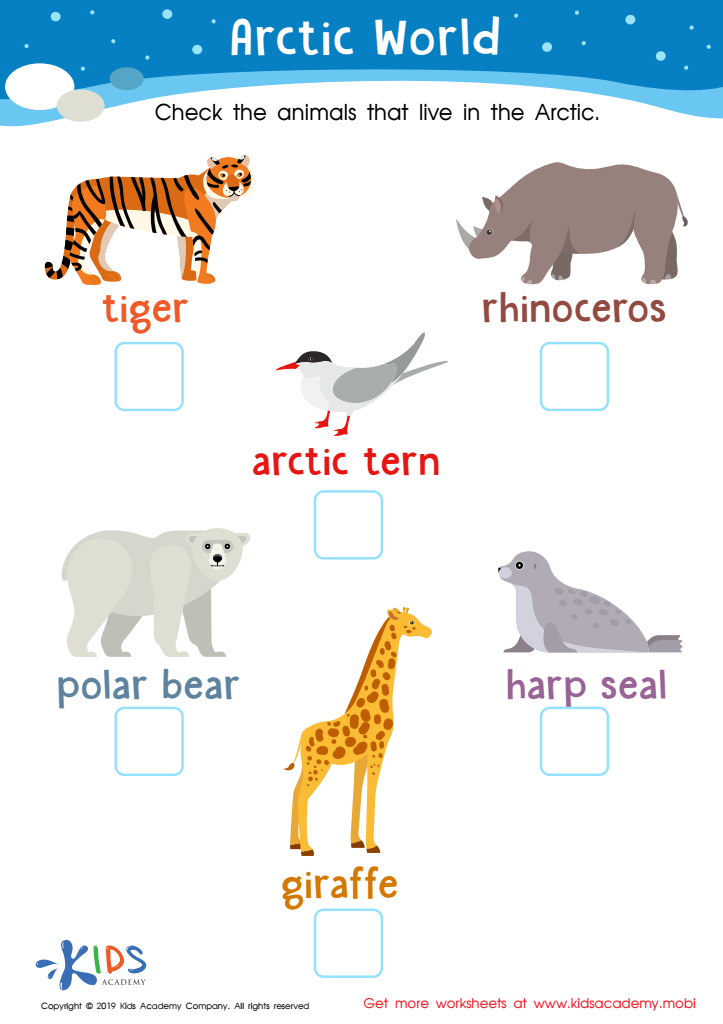
Arctic World Worksheet
 Assign to My Students
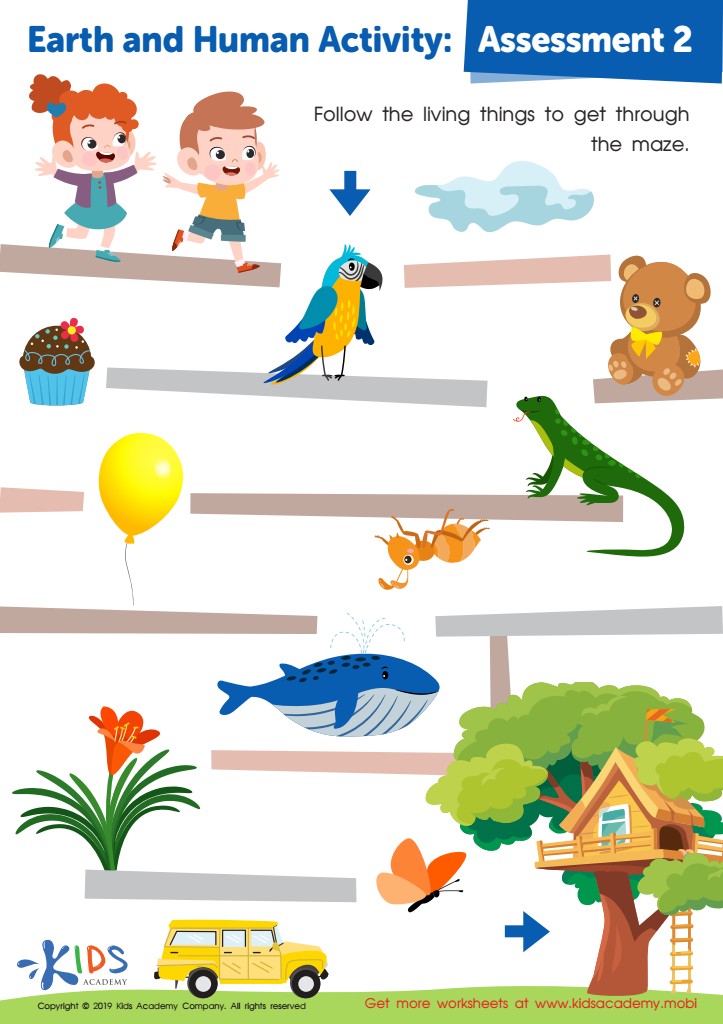
Earth and Human Activity: Assessment 2 Worksheet
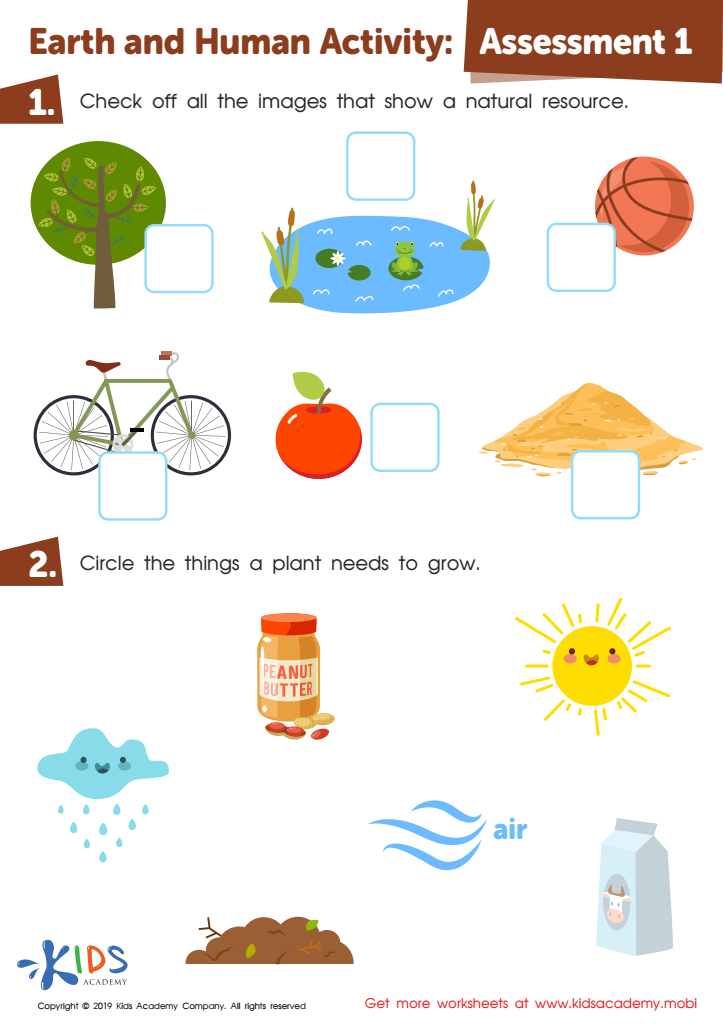
Earth and Human Activity: Assessment 1 Worksheet
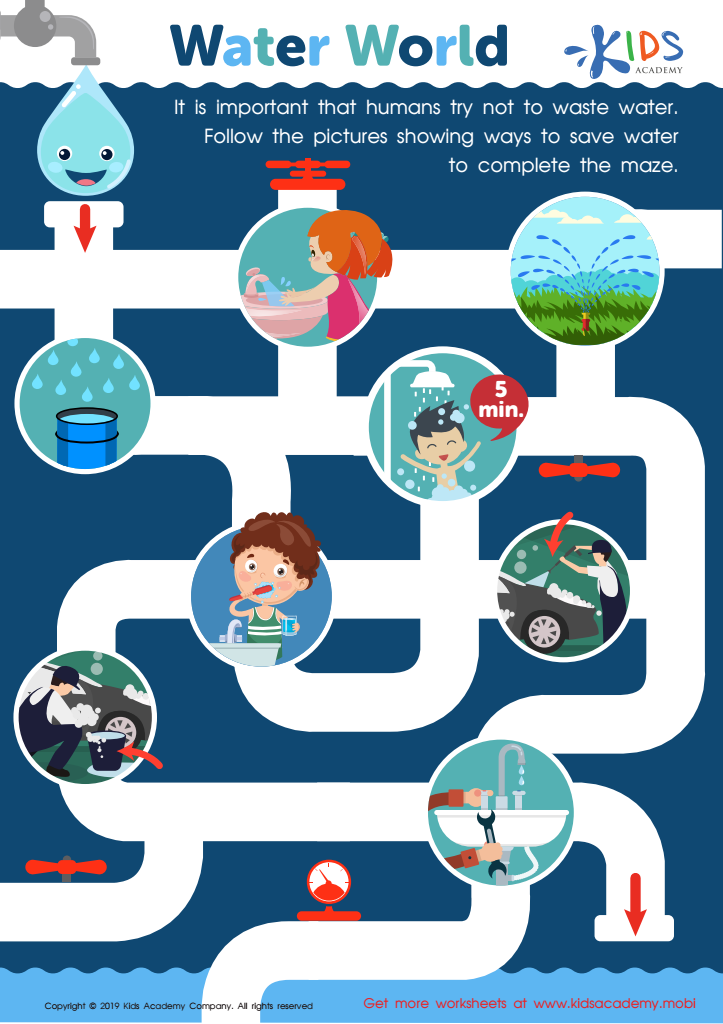
Water World Worksheet




.jpg)



Understanding ecosystems is vital for children ages 3-5 because it forms the foundation for curiosity about the natural world and promotes environmental stewardship from a young age. At this developmental stage, children are naturally inquisitive. Teaching them about ecosystems helps cultivate a sense of wonder about plants, animals, and their habitats, laying the groundwork for future learning.
Parents and teachers can introduce basic concepts of ecosystems through playful activities, stories, and nature explorations. Engaging young learners in discussions about how living things interact—from food chains to habitats—encourages critical thinking and empathy toward other life forms.
Moreover, understanding ecosystems fosters social and emotional development. Children learn the importance of cooperation, as they discover how different species rely on each other for survival. Discussions about environmental protection can instill values of respect and responsibility for our planet.
Lastly, early exposure to these concepts aligns with educational standards and helps develop a holistic understanding of science. By nurturing an awareness of ecosystems, we empower children to become responsible, environmentally-conscious adults who appreciate and take care of the world around them. This knowledge not only enriches their childhood experiences but shapes a more sustainable future.








