Understanding numerical values Worksheets for Ages 3-5
4 filtered results
-
From - To
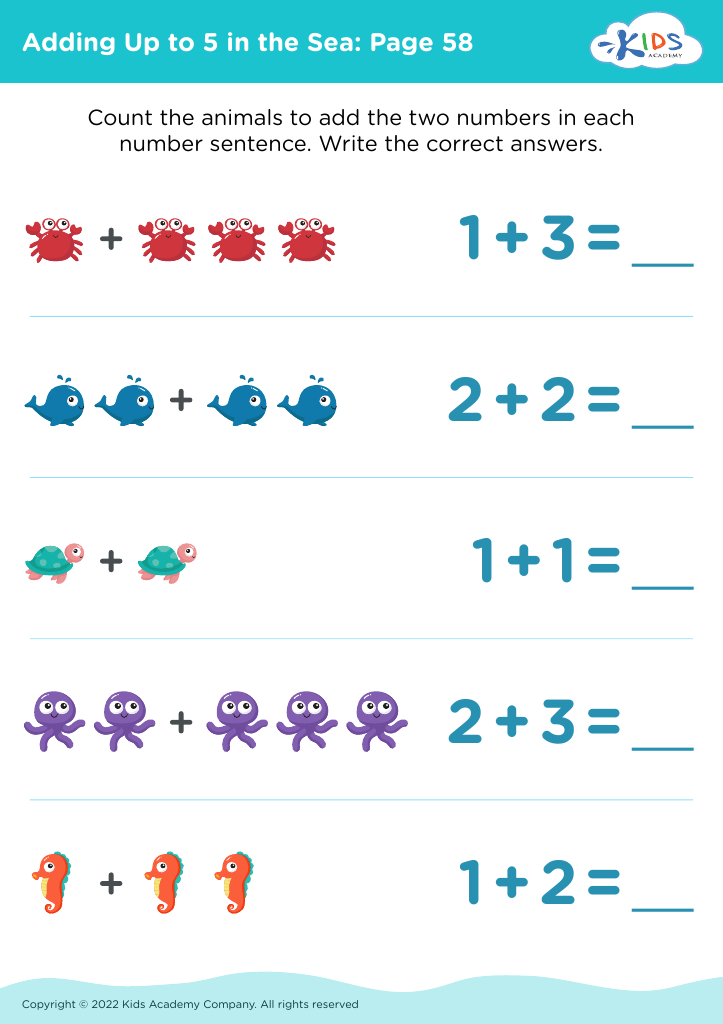
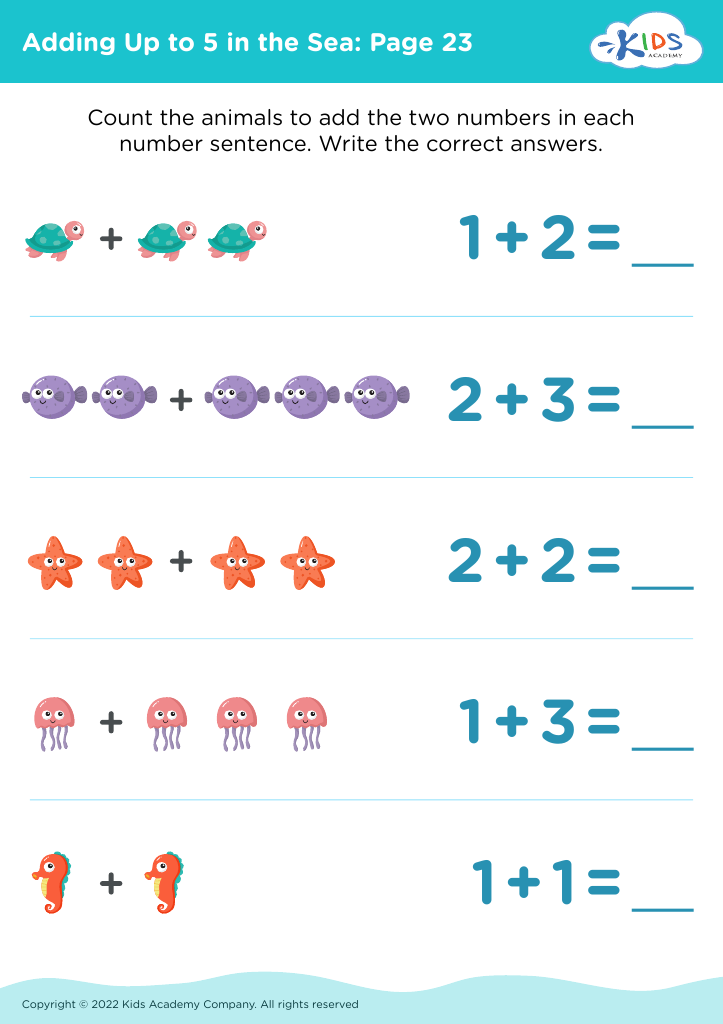
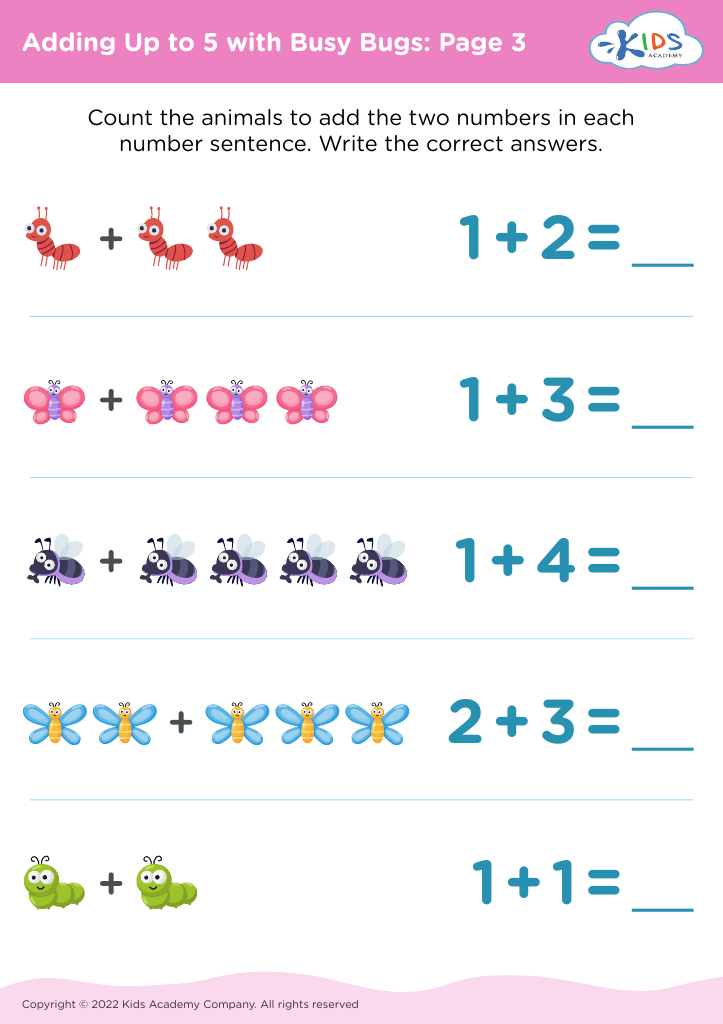
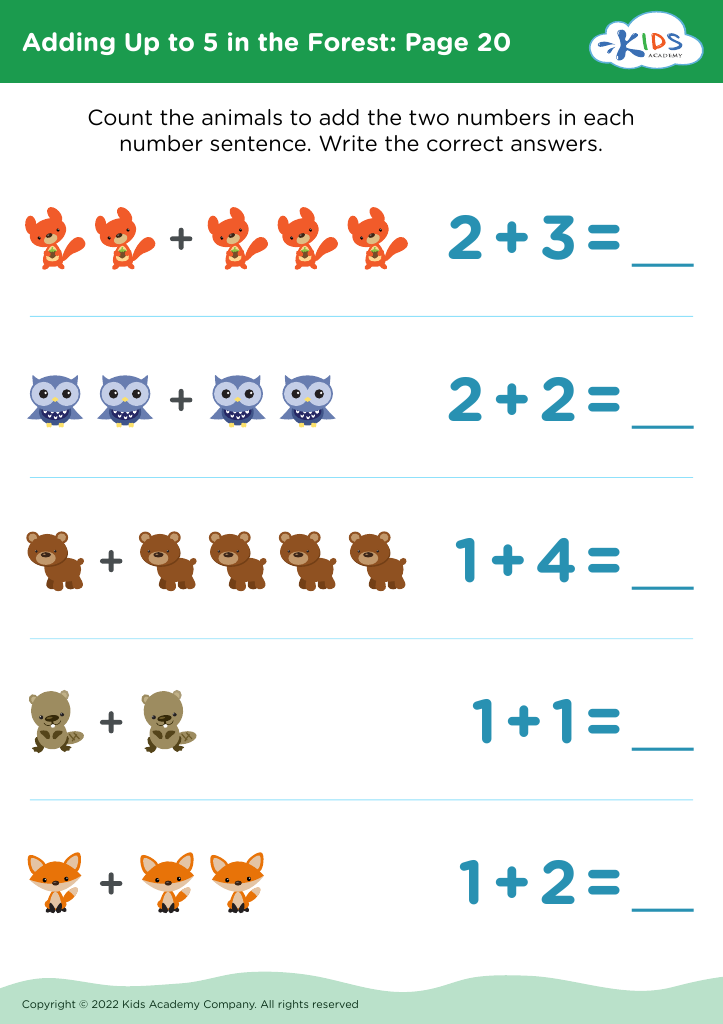
Explore our "Understanding Numerical Values Worksheets" designed for children ages 3-5, aimed at making early mathematical concepts fun and engaging! Our interactive worksheets introduce young learners to the world of numbers through exciting activities that develop counting skills and number recognition. Each worksheet incorporates colorful visuals and age-appropriate challenges, ensuring your child will enjoy the learning process. These resources foster an early love for math while enhancing cognitive skills, laying the foundation for future academic success. Join us in nurturing your child's numerical understanding with our thoughtfully crafted, easy-to-use worksheets that make learning both enjoyable and impactful!





.jpg)


Understanding numerical values is crucial for children aged 3-5, as it lays the foundation for their mathematical skills and cognitive development. At this early age, children begin to explore numbers and develop number sense, which is the ability to understand and manipulate numbers in everyday contexts.
For parents and teachers, fostering this understanding is significant because it enhances a child's problem-solving abilities and logical reasoning. Engaging young children with numbers through playful activities, such as counting objects, playing number games, or exploring basic addition and subtraction, makes learning enjoyable and interactive. This playful learning not only reinforces numerical concepts but also promotes social skills as children collaborate with peers or family members.
Furthermore, strong numerical understanding in early childhood is linked to future academic success. Research shows that children who have a solid grasp of numbers before entering school are more likely to excel in mathematics later on. Encouraging numerical literacy at a young age builds confidence, supports cognitive flexibility, and nurtures a positive attitude toward learning. As such, parents and teachers play a vital role in providing stimulating environments where children can explore and celebrate the world of numbers, ensuring they reach their full potential.








