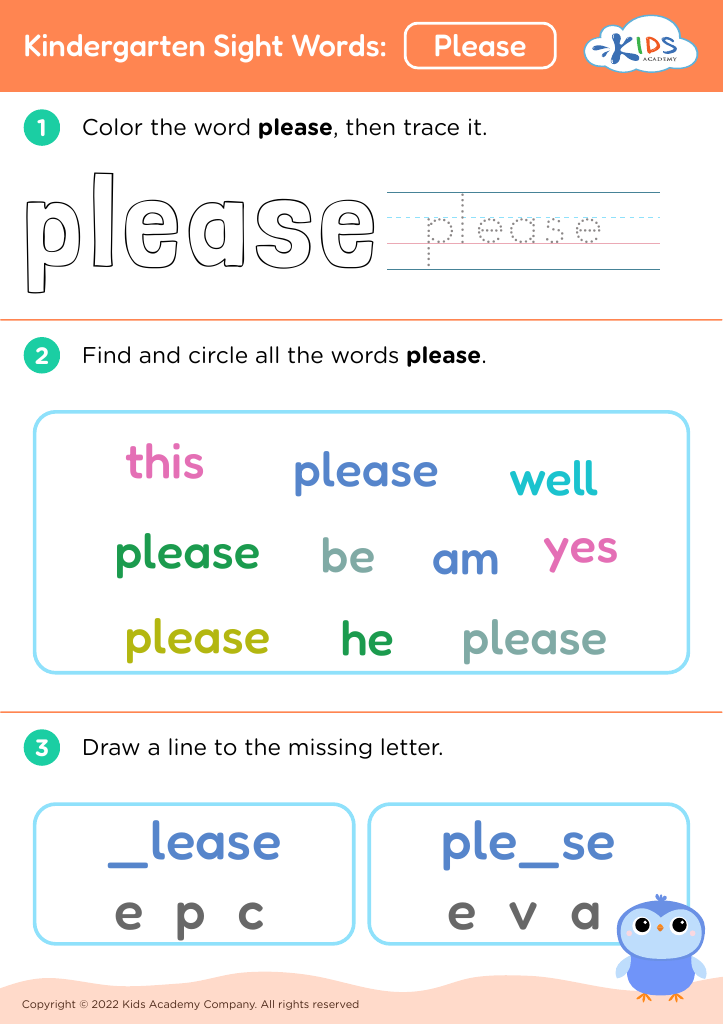








.jpg)

Vocabulary enhancement for children aged 3-5 is crucial for their cognitive and social development. At this formative age, children are rapidly acquiring language skills, which serve as the foundation for communication, reading, and learning. By focusing on vocabulary enrichment, parents and teachers can help children express their ideas, thoughts, and emotions more effectively, leading to improved self-esteem and confidence in social interactions.
Language exposure is vital during these early years, as research shows that a robust vocabulary correlates with better academic performance later in life. Engaging children in conversations, reading regularly, and introducing new words in varied contexts allow them to absorb language organically. Moreover, a rich vocabulary supports critical thinking and comprehension, enabling children to understand their surroundings better, follow directions, and transition more smoothly into formal schooling.
Additionally, vocabulary enhancement encourages curiosity and creativity, allowing children to explore new concepts and articulate their interests. Parents and teachers play essential roles, providing nurturing environments filled with language-rich experiences. Investing time and effort into vocabulary development not only enhances overall literacy but also lays down essential groundwork for lifelong learning and effective communication in diverse areas of life.








