Writing practice Worksheets for Ages 3-5 - Page 2
29 filtered results
-
From - To
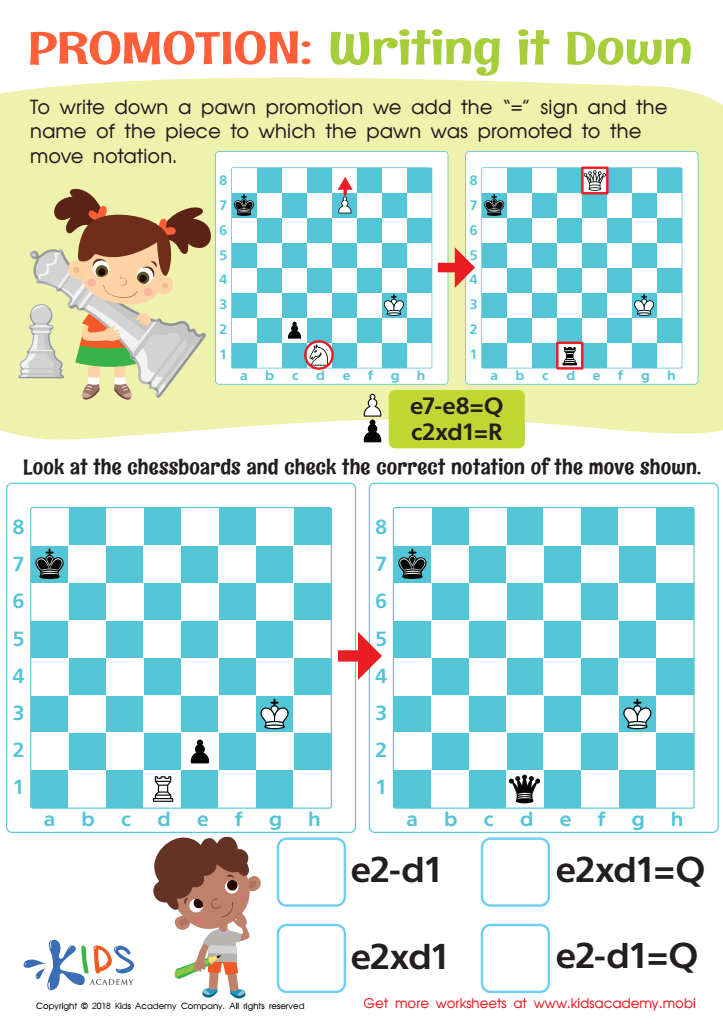
Writing it Down Worksheet
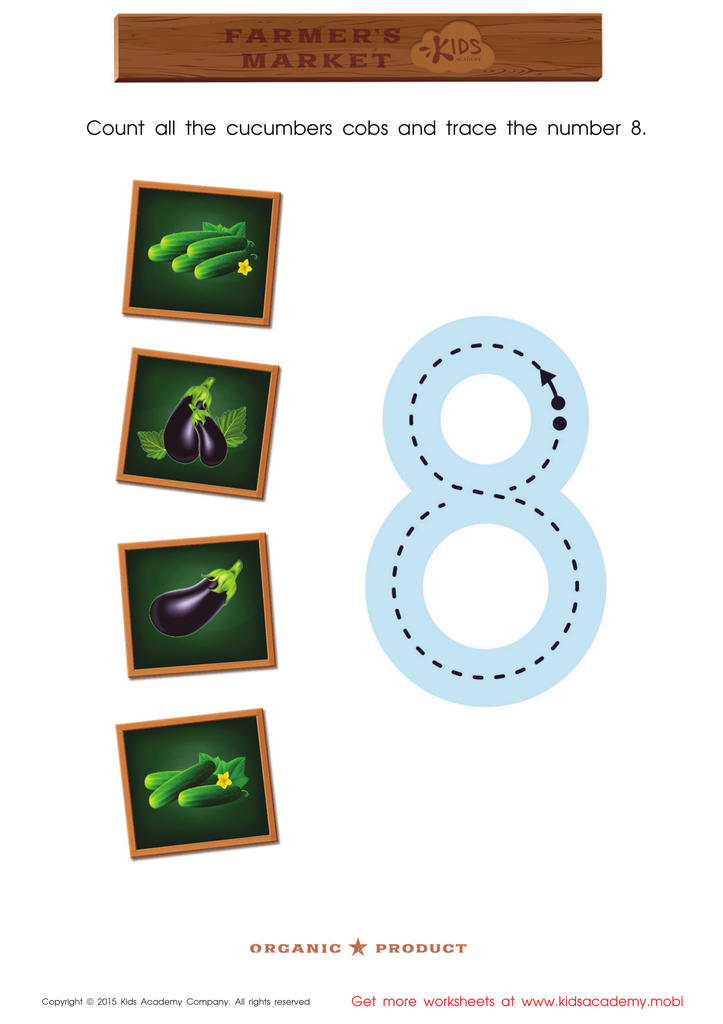
Count the Cucumbers and Trace the Number 8 Printable
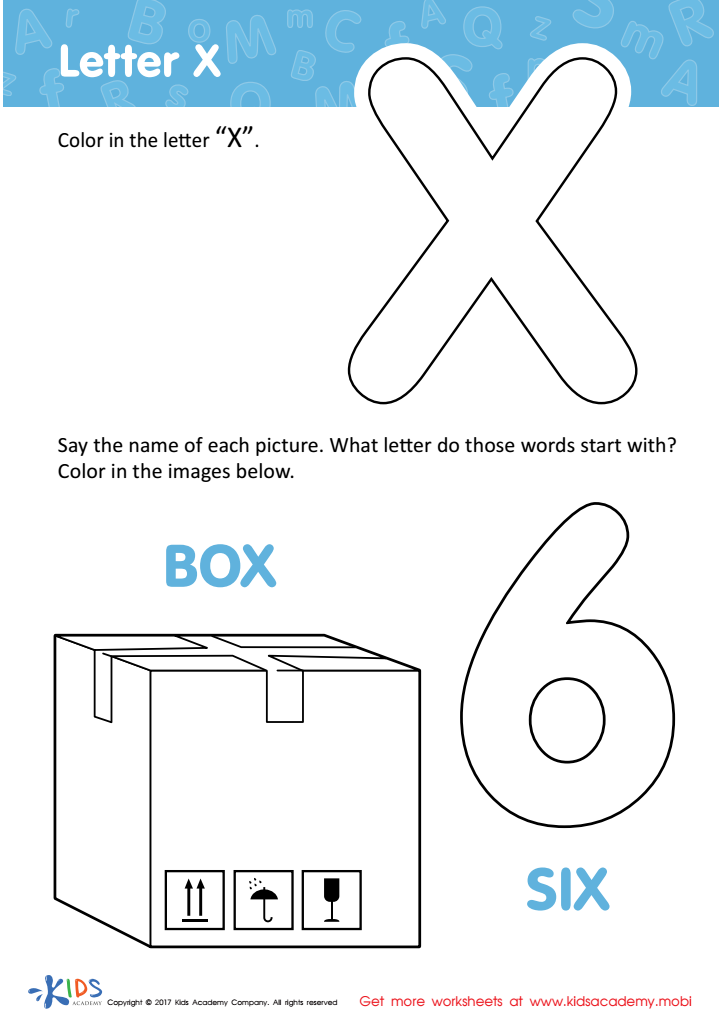
Letter X Coloring Sheet
 Assign to My Students
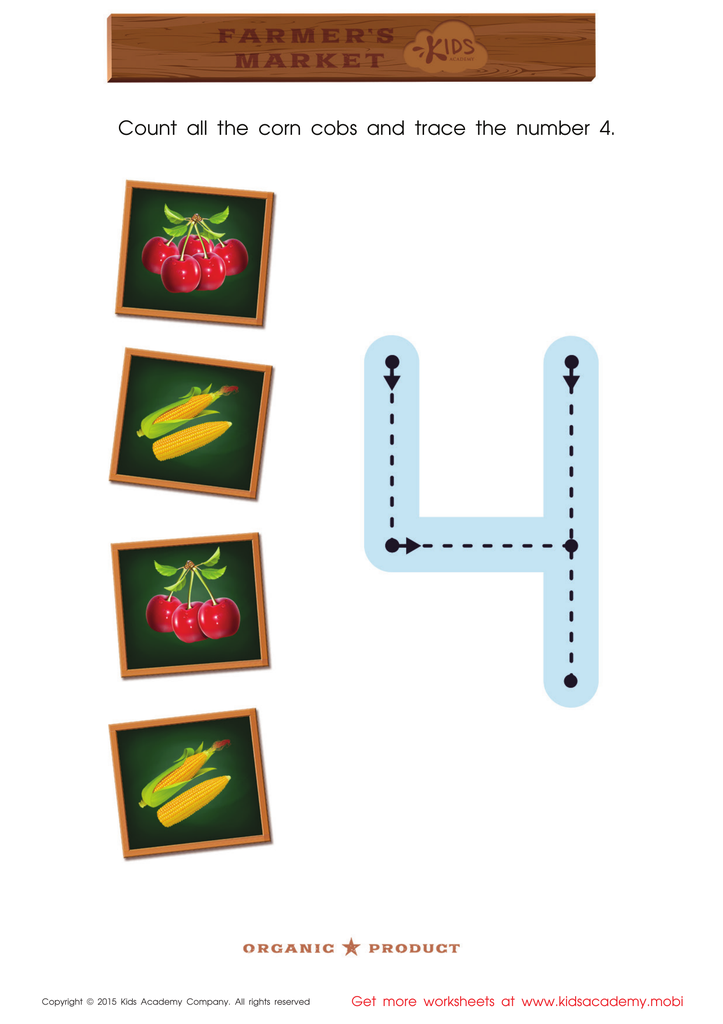
Count the Corncobs and Trace the Number 4 Worksheet








Writing practice for children aged 3-5 is crucial for their overall development and future academic success. At this stage, children are honing their fine motor skills, and engaging in writing activities significantly enhances their hand-eye coordination and dexterity. Early writing experiences, such as using crayons or finger paints, can foster creativity and self-expression, allowing children to communicate their thoughts and feelings effectively.
Furthermore, writing practice also plays a vital role in literacy development. By engaging in pre-writing activities, children begin to recognize letters and sounds, which are foundational for reading. This early exposure builds their confidence and sets the stage for more advanced literacy skills later on.
Additionally, collaborative writing tasks, like storytelling or creating group illustrations, promote social skills, teamwork, and shared learning experiences. Encouraging a love for writing and storytelling can spark children's imagination and develop critical thinking abilities.
By supporting writing practice during this formative age, parents and teachers not only give children essential tools for communication but also instill a passion for learning and creativity that will benefit them throughout their educational journey and beyond.








