Basic arithmetic understanding Addition & Subtraction Worksheets for Ages 3-5
4 filtered results
-
From - To
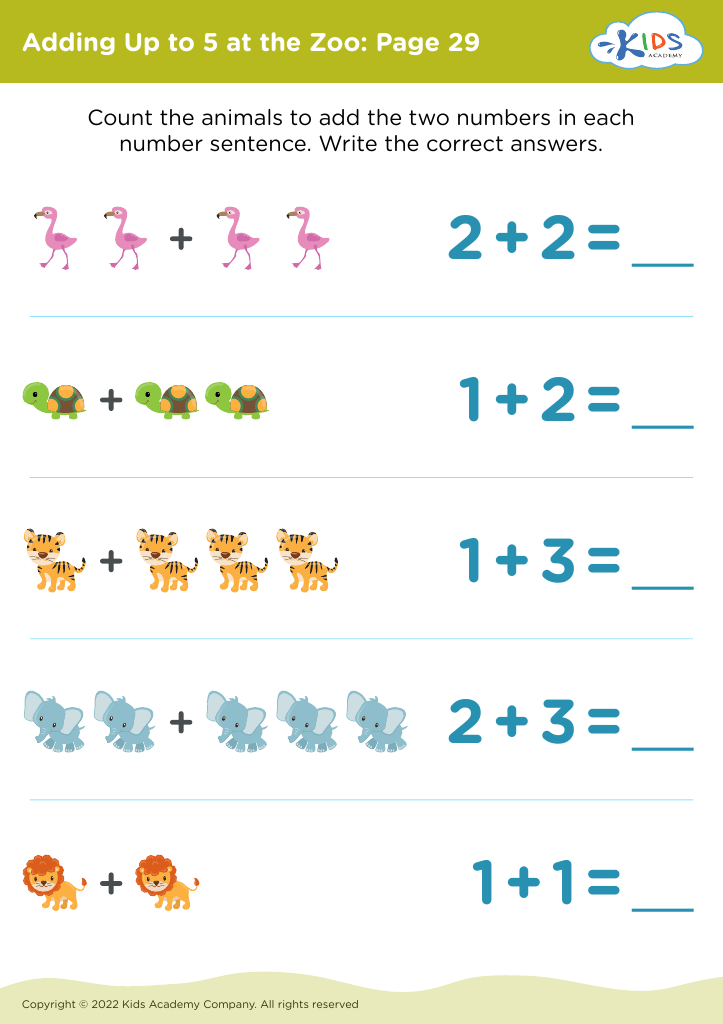
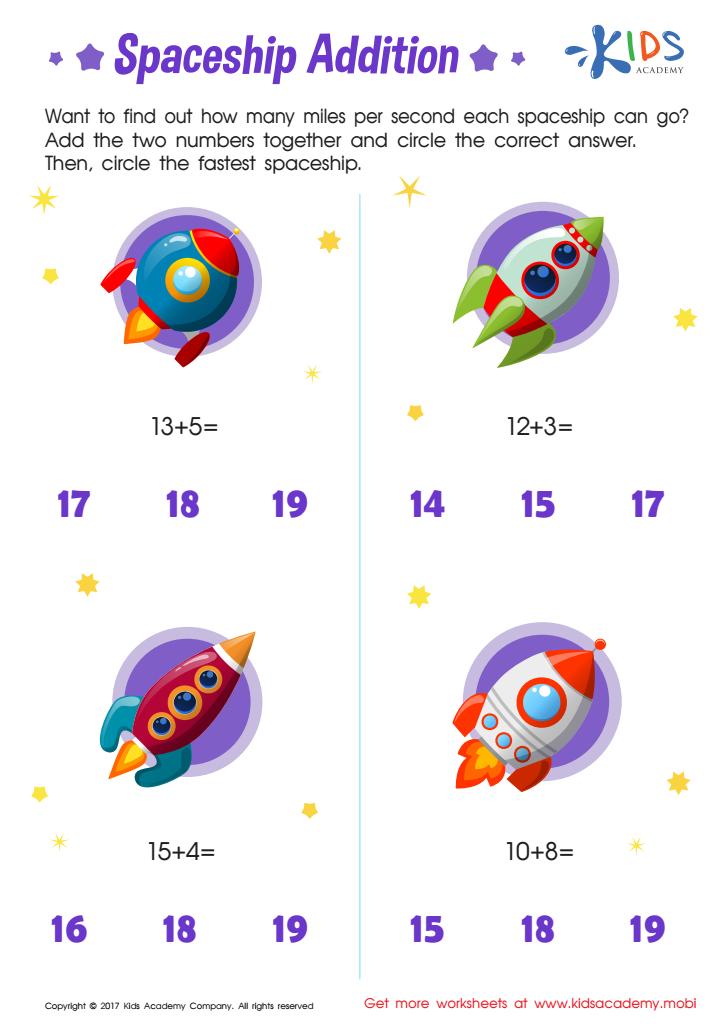
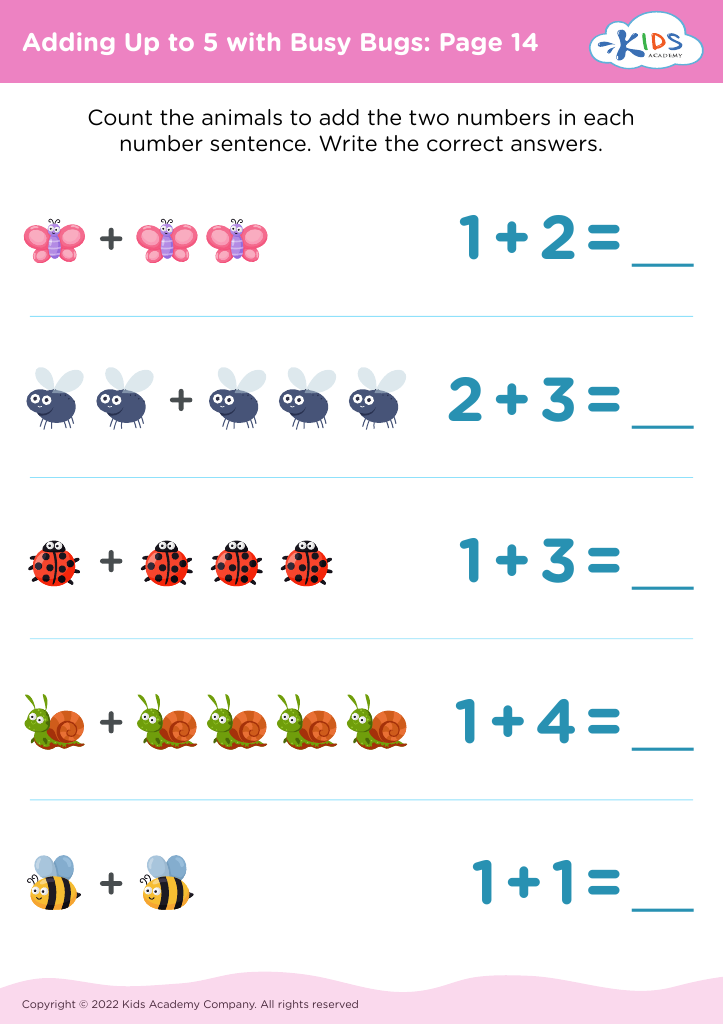
Welcome to our "Basic Arithmetic Understanding: Addition & Subtraction Worksheets" designed for children aged 3-5! These engaging worksheets help young learners grasp fundamental math concepts through colorful illustrations and interactive exercises. Featuring simple addition and subtraction problems, our resources encourage kids to develop their counting skills while having fun. Each worksheet focuses on essential learning skills, promoting early numeracy in a playful manner. Ideal for parents and educators, our worksheets make teaching math enjoyable and effective, laying a solid foundation for future learning. Explore our collection to nurture your child's arithmetic abilities in a creative and interactive way!
 Assign to My Students
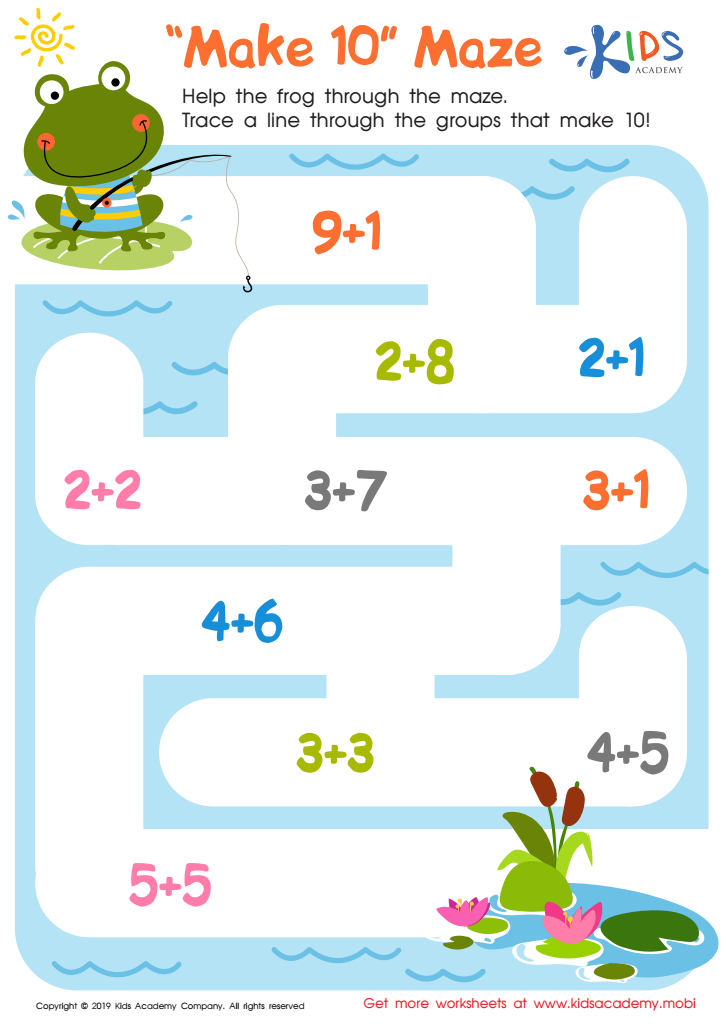
Make 10 Maze Worksheet








Basic arithmetic understanding, specifically addition and subtraction, is fundamental for young children aged 3-5, and it's essential for parents and teachers to prioritize this knowledge. Early mastery of these concepts lays the groundwork for future mathematical skills and critical thinking.
At this age, children are naturally curious and eager to explore numbers. Introducing addition and subtraction in playful, engaging ways, such as through counting objects or using everyday scenarios, helps develop their cognitive abilities. Understanding these operations enhances their problem-solving skills and promotes mathematical reasoning, necessary for advanced concepts in later years.
Moreover, basic arithmetic fosters confidence. As children grasp these foundational skills, they also learn persistence and the joy of overcoming challenges, key traits for lifelong learning. Additionally, working with numbers encourages language development; children learn to articulate their thought processes, expanding their vocabulary and communication skills.
Lastly, math is everywhere in daily life. Whether counting toys, sharing snacks, or planning playtime, teaching addition and subtraction primes children to recognize and engage with mathematics in everyday scenarios, making them more numerically literate and prepared for future educational success. Thus, supporting young learners in these areas is vital for their cognitive and emotional development.








