Enhances concentration Addition & Subtraction Worksheets for Ages 3-5
4 filtered results
-
From - To
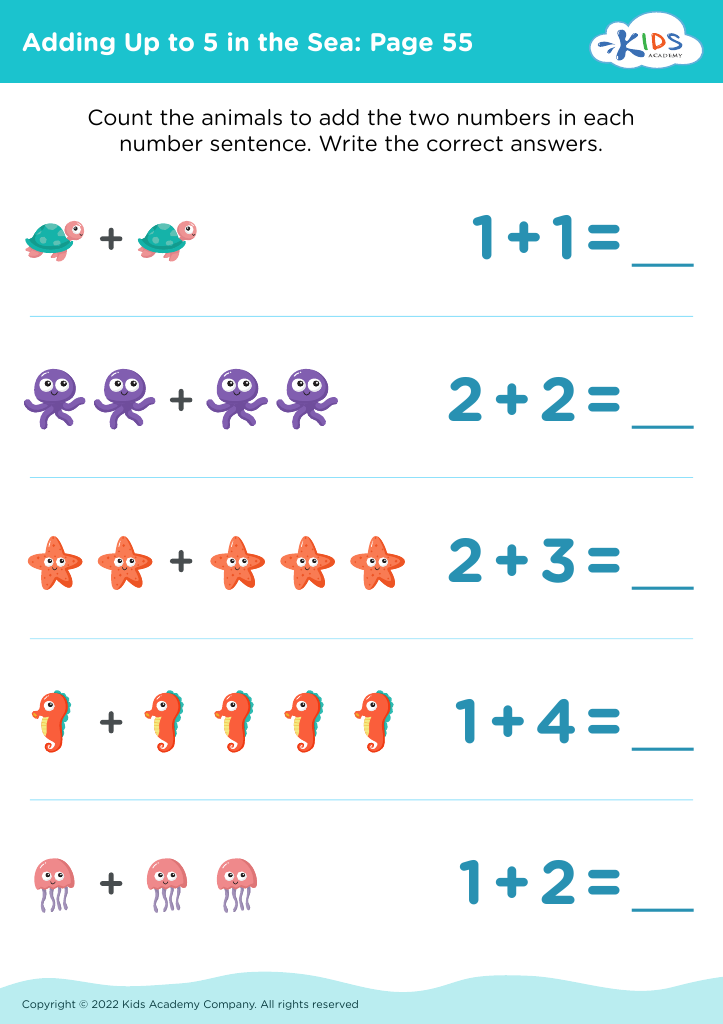
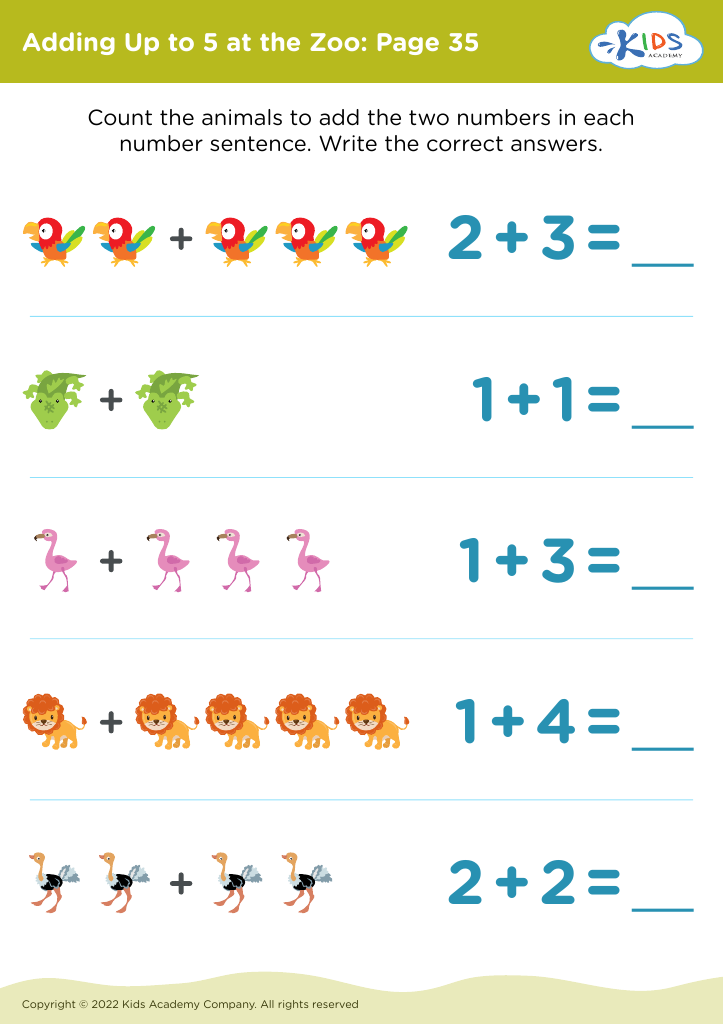
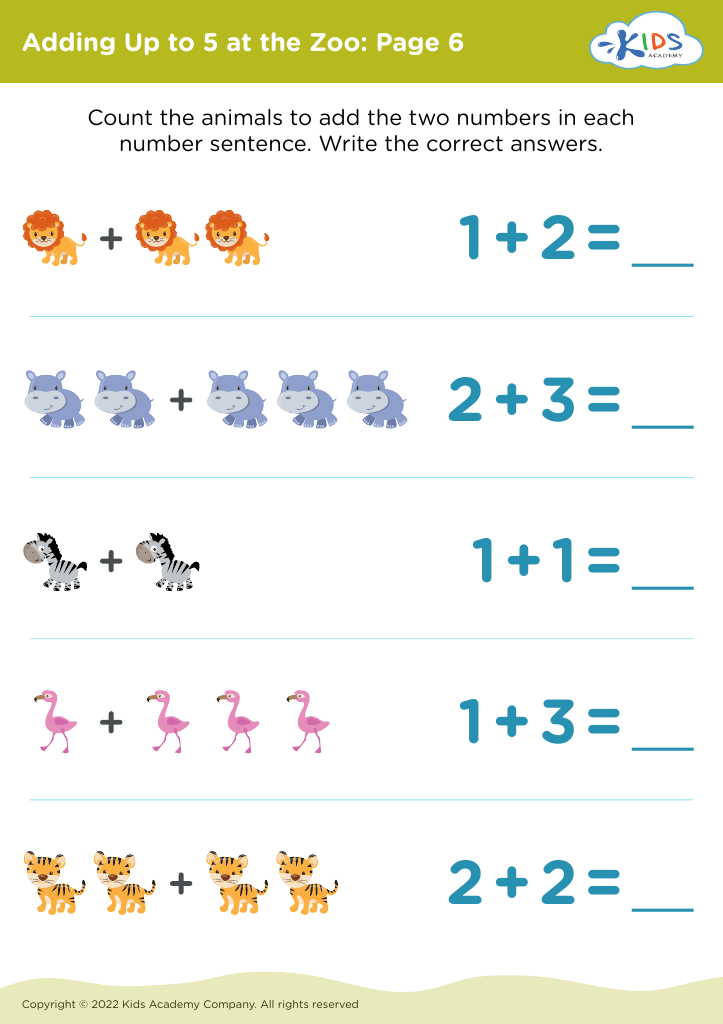
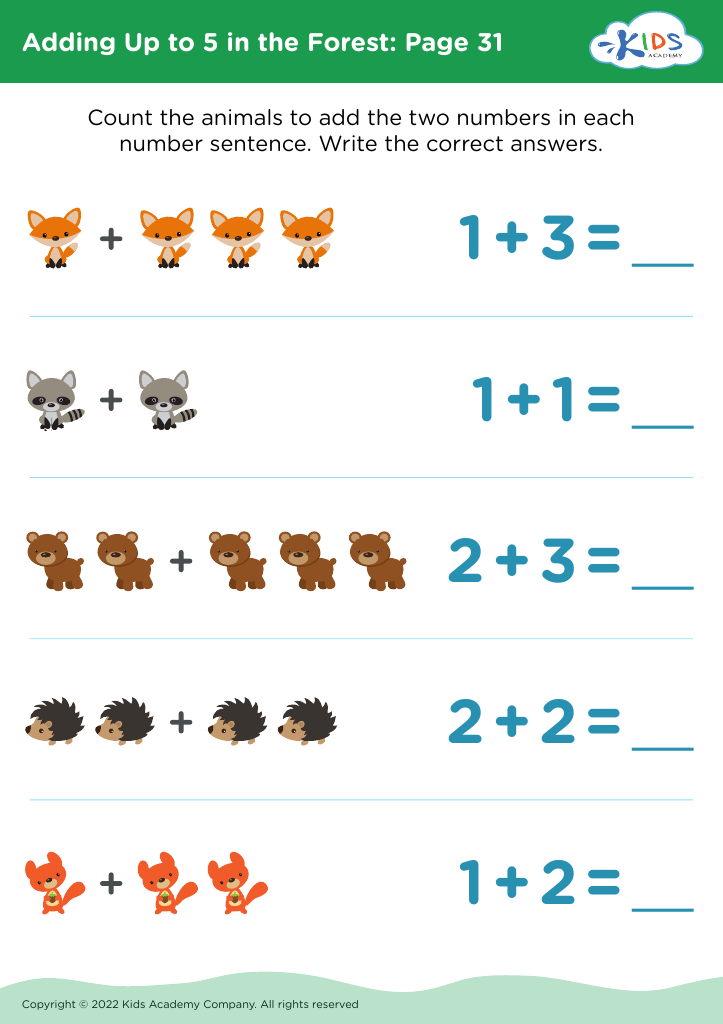
Enhance your child's concentration with our engaging Addition and Subtraction worksheets designed for ages 3-5. These worksheets feature vibrant illustrations and fun activities tailored to young learners. Each exercise encourages mental focus as children practice their basic math skills while developing essential cognitive abilities. With interactive patterns and relatable scenarios, children will enjoy hours of productive learning. Our resources foster a blend of fun and education, ensuring your little ones not only master addition and subtraction concepts but also improve their attention span. Explore our collection today and watch your child's confidence and concentration soar!








Enhancing concentration in young children, particularly in skills like addition and subtraction, is crucial for their cognitive development. For parents and teachers, focusing on these early math skills fosters a strong foundation for future learning. Children aged 3-5 are in a pivotal developmental stage where their ability to concentrate directly impacts their learning outcomes.
Mastering basic addition and subtraction enhances a child’s problem-solving skills and boosts their confidence. When children understand these concepts, they develop a sense of accomplishment, which reinforces their engagement and desire to learn. Furthermore, improving concentration during these activities strengthens the neural pathways associated with focus and attention, which are essential skills for later academic success.
Integrating fun, playful activities related to math naturally encourages children to stay engaged, making learning enjoyable. This not only reduces frustration but also nurtures a positive attitude toward math, setting the stage for lifelong learning.
In brief, cultivating concentration through fun mathematics activities helps children thrive academically and emotionally, making it a priority for parents and teachers committed to holistic development in early education. By investing in this foundation, adults can help set children up for meaningful learning experiences in the years to come.








