Fine Motor Skills Addition & Subtraction Worksheets for Ages 3-5 - Page 2
44 filtered results
-
From - To
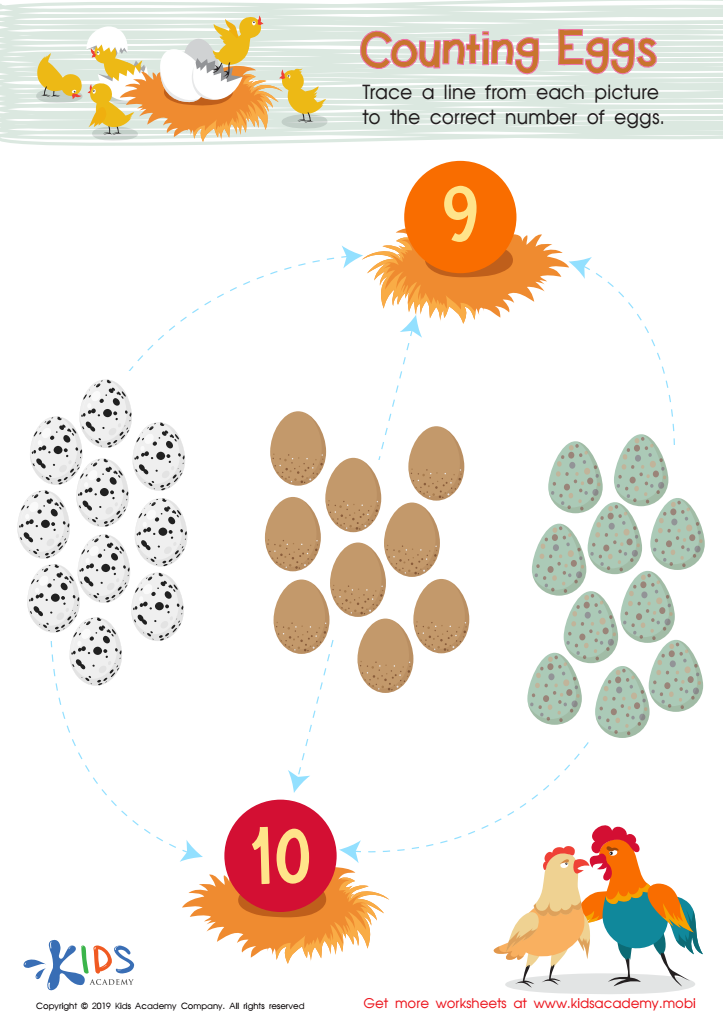
Counting Eggs Worksheet
 Assign to My Students
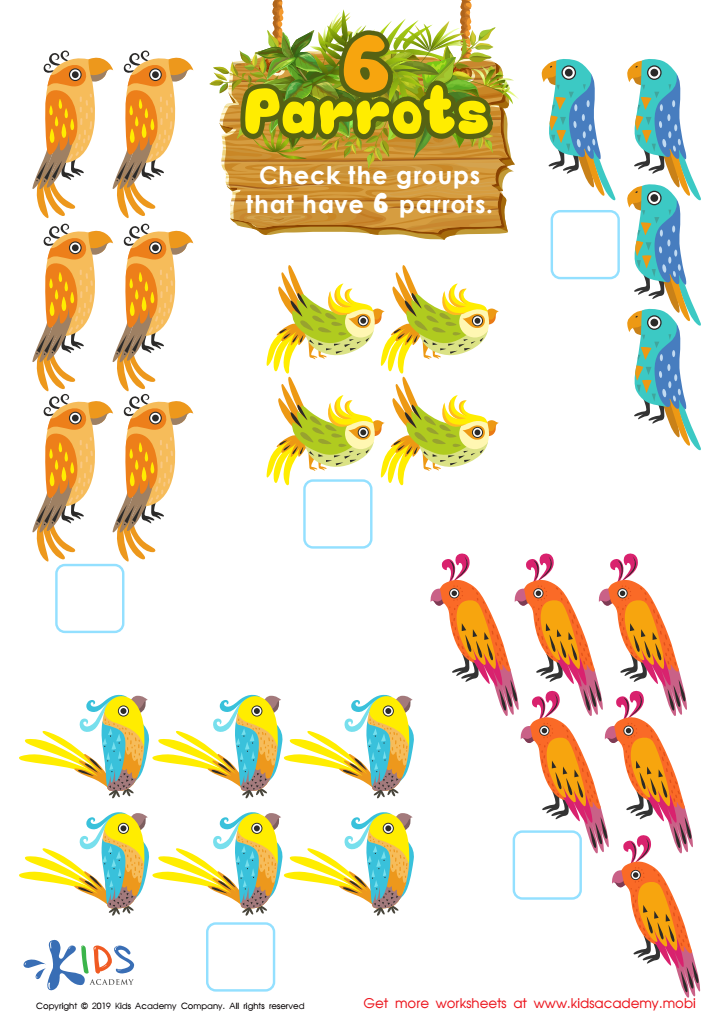
6 Parrots Worksheet

Math Matching Game: Monsterв's Socks Worksheet
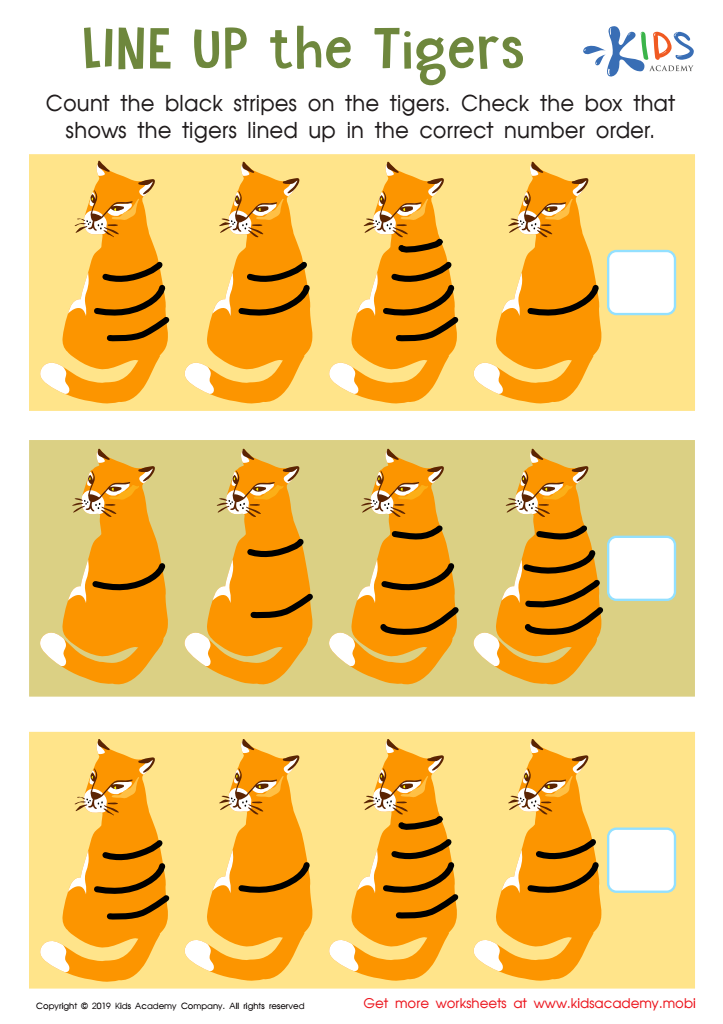
Line up the Tigers Worksheet
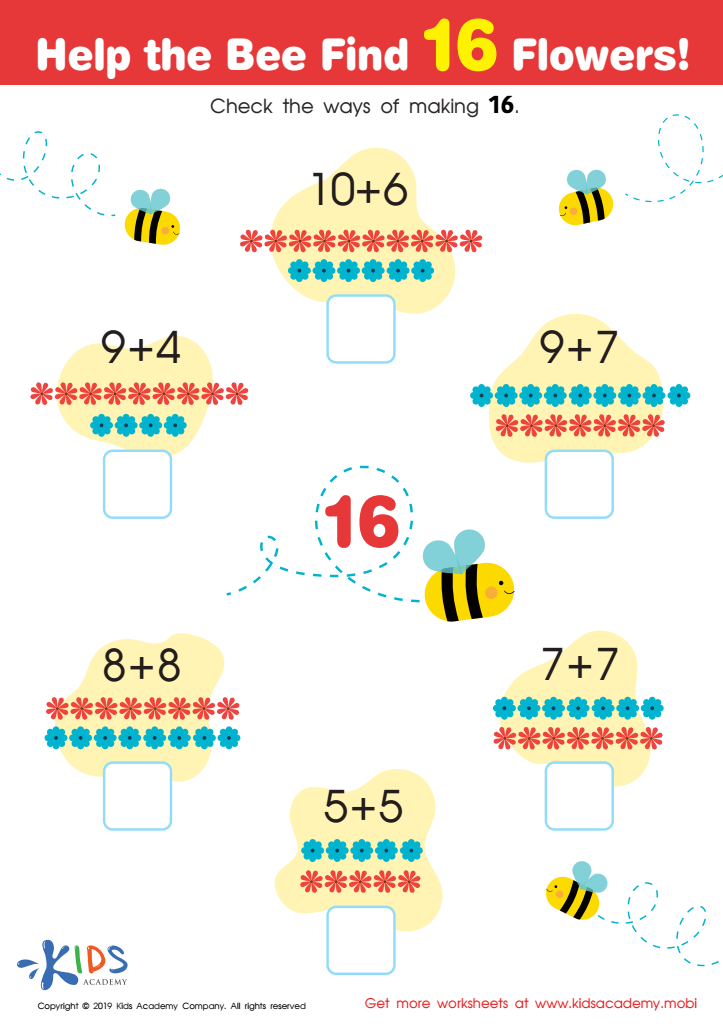
Help the Bee Find 16 Flowers Worksheet
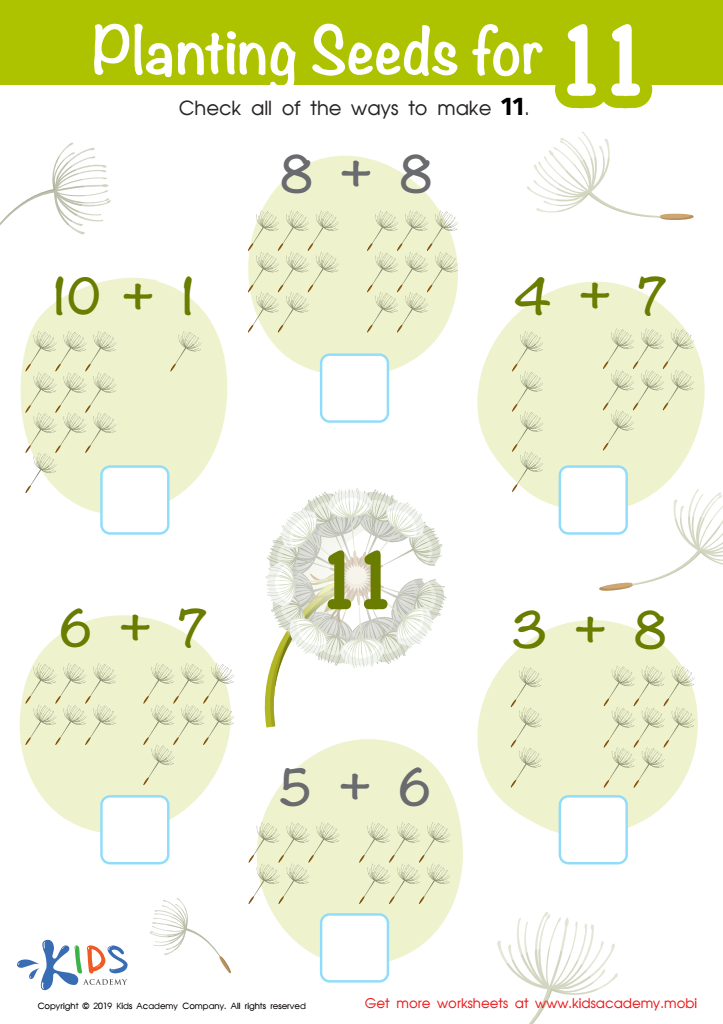
Planting Seeds for 11 Worksheet
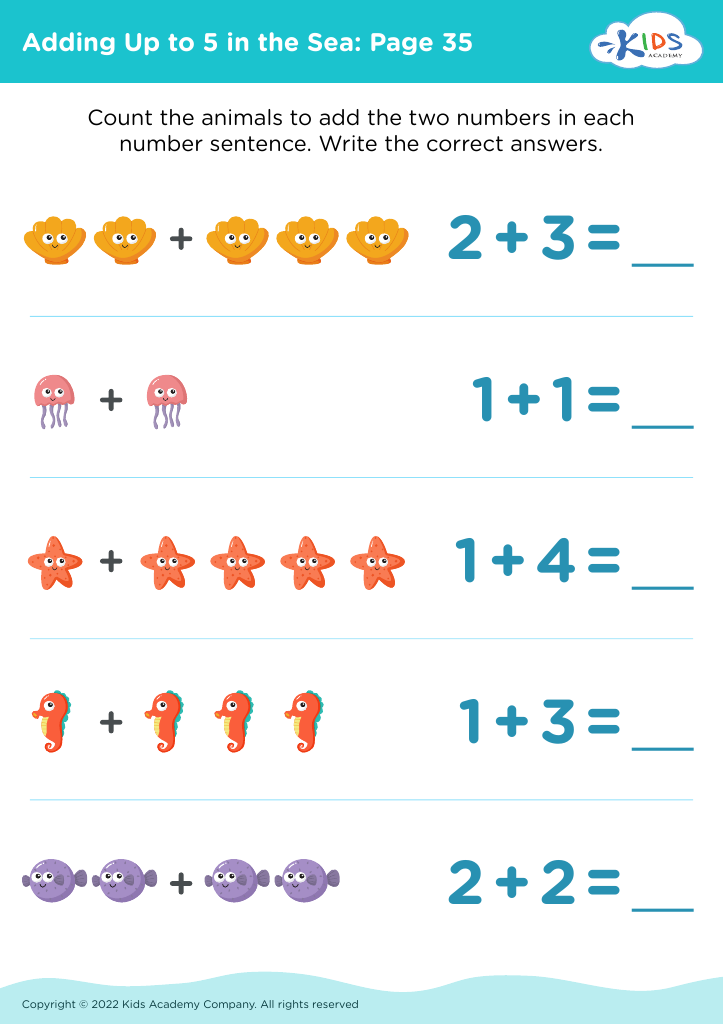
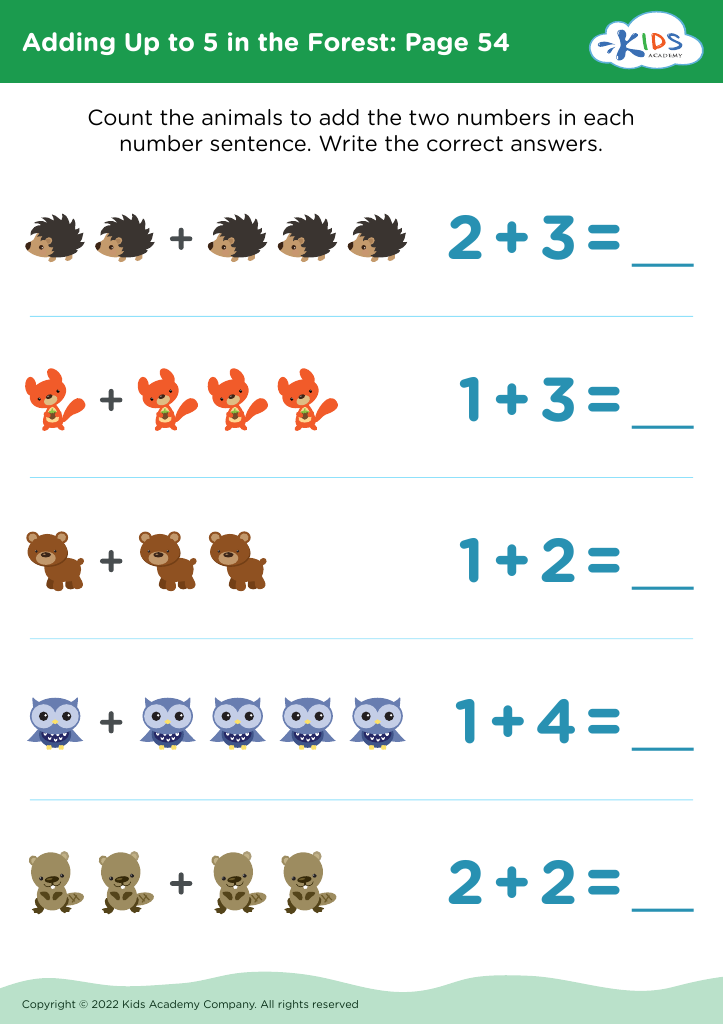
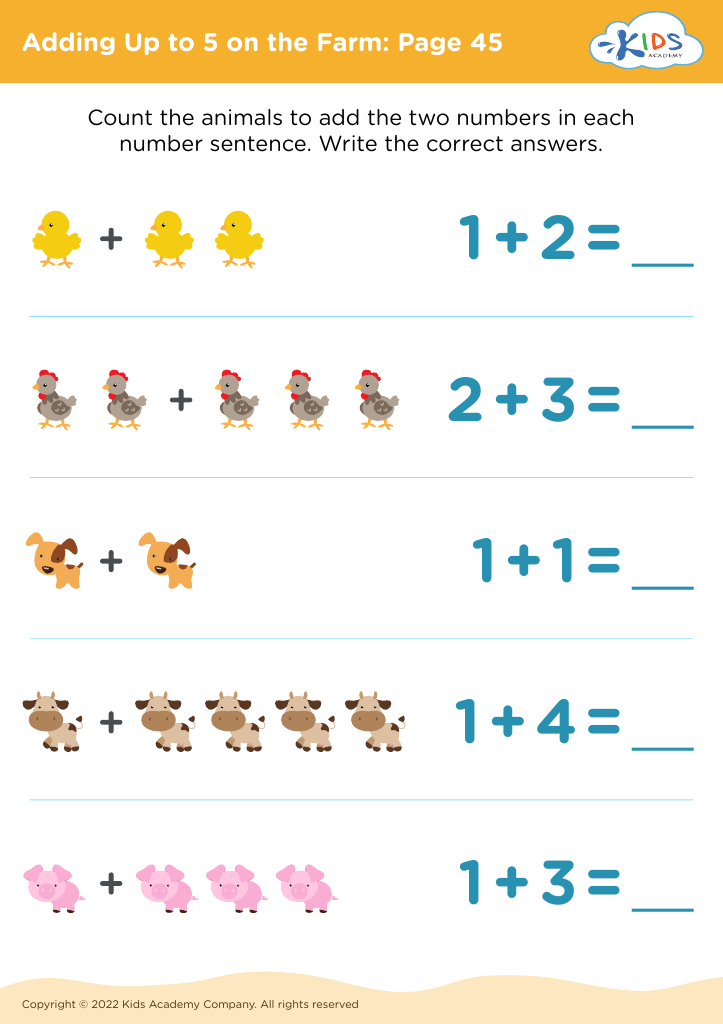
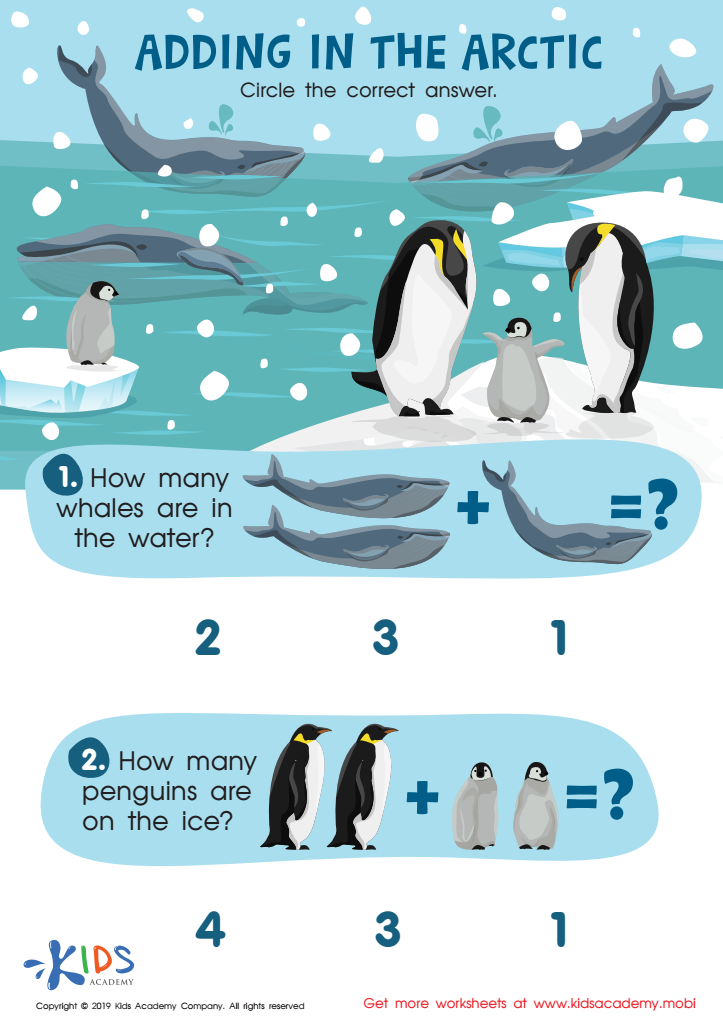
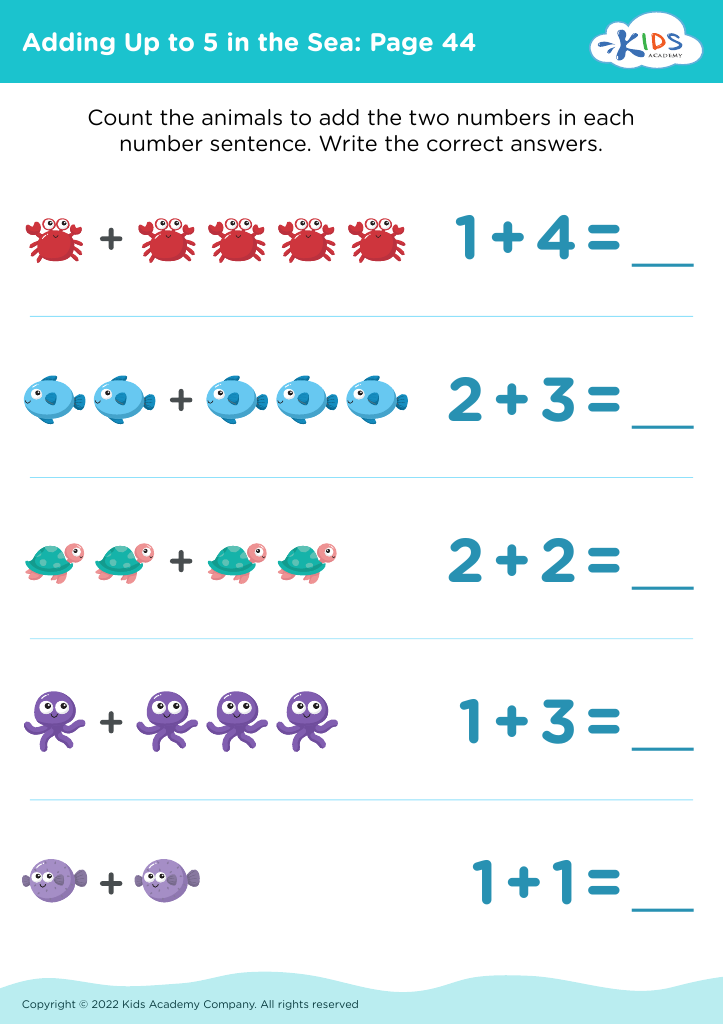
Adding in the Arctic Worksheet

Math Matching Pairs Game: Monsterв's Socks Worksheet
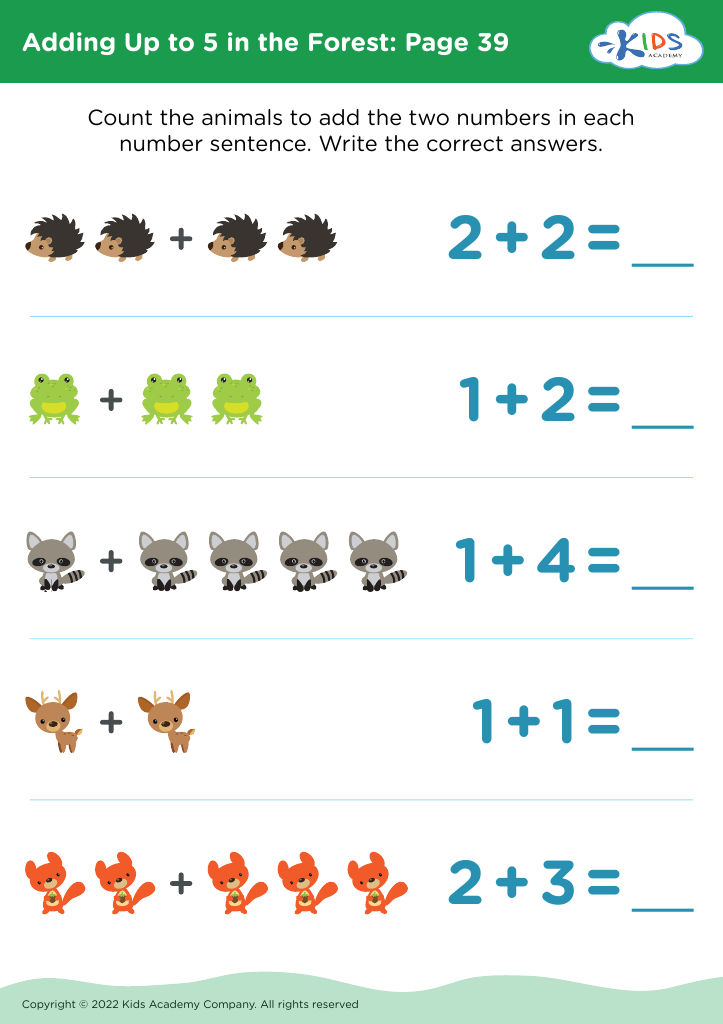








Parents and teachers should prioritize fine motor skills development in young children as it lays a foundational role in broader academic and life competencies. For children aged 3-5, fine motor skills encompass the small muscle movements required for tasks like writing, buttoning clothes, and using utensils. When these skills are integrated with early math concepts like addition and subtraction, children benefit holistically.
Fine motor development linked with mathematical activities fosters hand-eye coordination, improves dexterity, and promotes cognitive skills aligned with problem-solving and critical thinking. Elementary math tasks, such as counting objects or drawing numbers, require precise control and thus inherently enhance fine motor abilities. Activities like assembling small puzzle pieces or manipulating counting beads leverage both fine and cognitive skills, facilitating dual skill-building.
Furthermore, early success in both fine motor and math skills boosts a child's self-confidence and eagerness to learn, creating a positive feedback loop for future academic pursuits. Developing such foundational skills during the preschool years sets the stage for smoother transitions into more complex tasks expected in higher educational levels. Ultimately, fine motor skills blended with early math concepts support a well-rounded developmental trajectory, ensuring children are not only school-ready but also life-ready.








