Improving concentration Addition & Subtraction Worksheets for Ages 3-5
15 filtered results
-
From - To
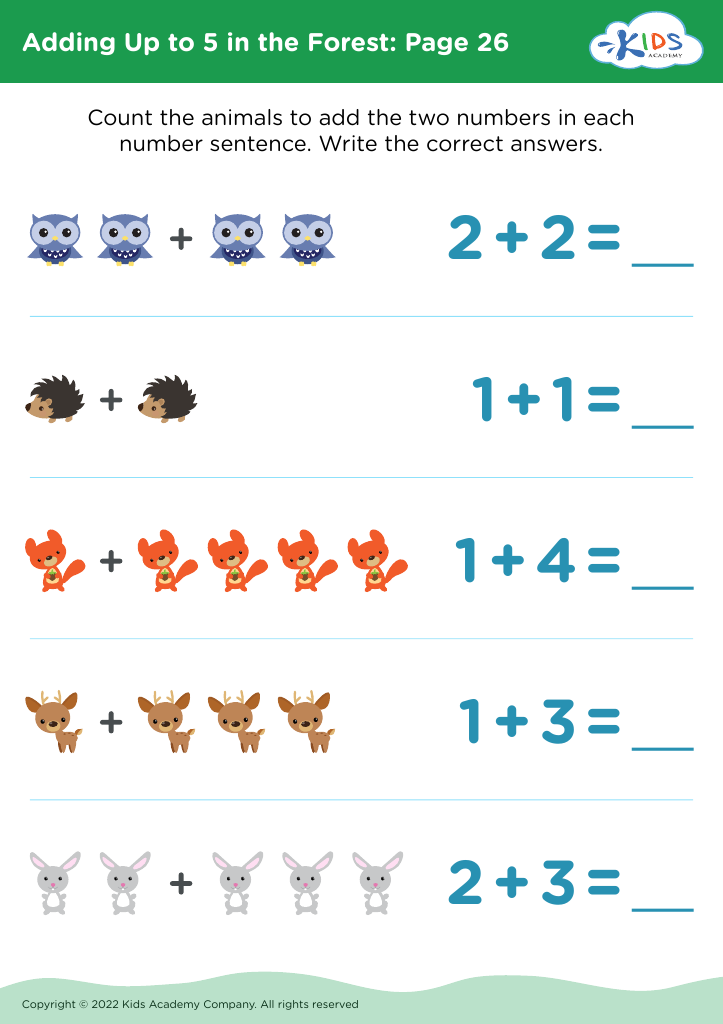
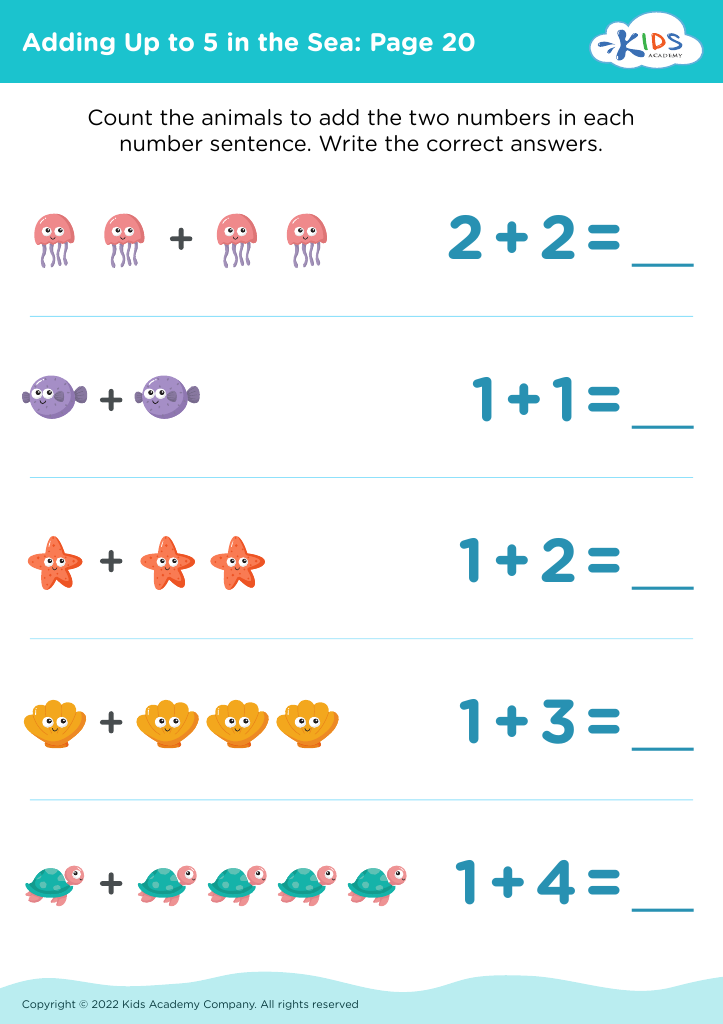
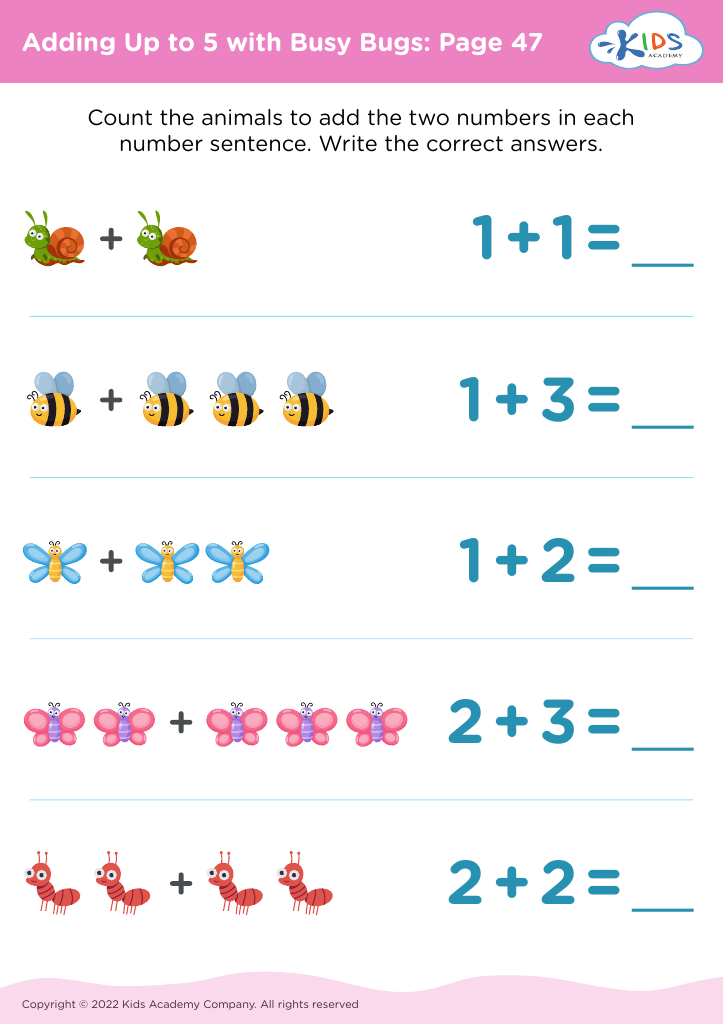
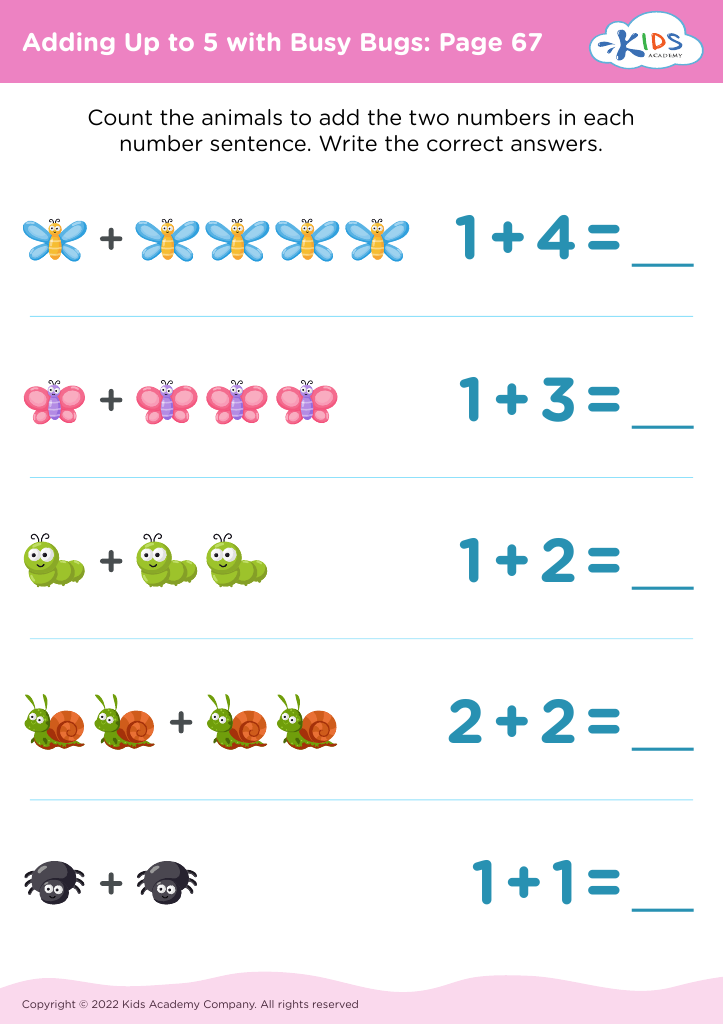
Unlock the potential of your little ones with our "Improving Concentration Addition & Subtraction Worksheets" designed specifically for children ages 3-5. These engaging and colorful worksheets combine learning basic math skills with fun activities that enhance focus and concentration. Through exciting exercises, your child will develop essential addition and subtraction skills while building their attention span. Each worksheet is thoughtfully crafted to foster cognitive development and encourage critical thinking. Perfect for parents and teachers alike, these worksheets provide a powerful tool for early learners to enjoy math while honing their concentration abilities. Start your child’s math journey today!
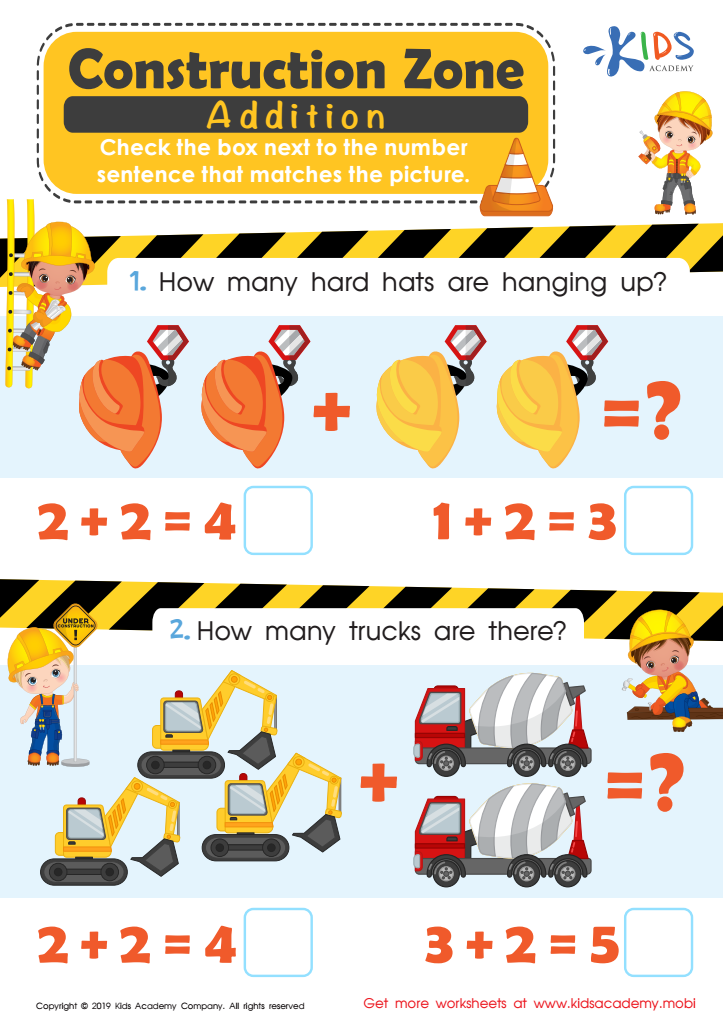
Construction Zone Addition Worksheet
 Assign to My Students
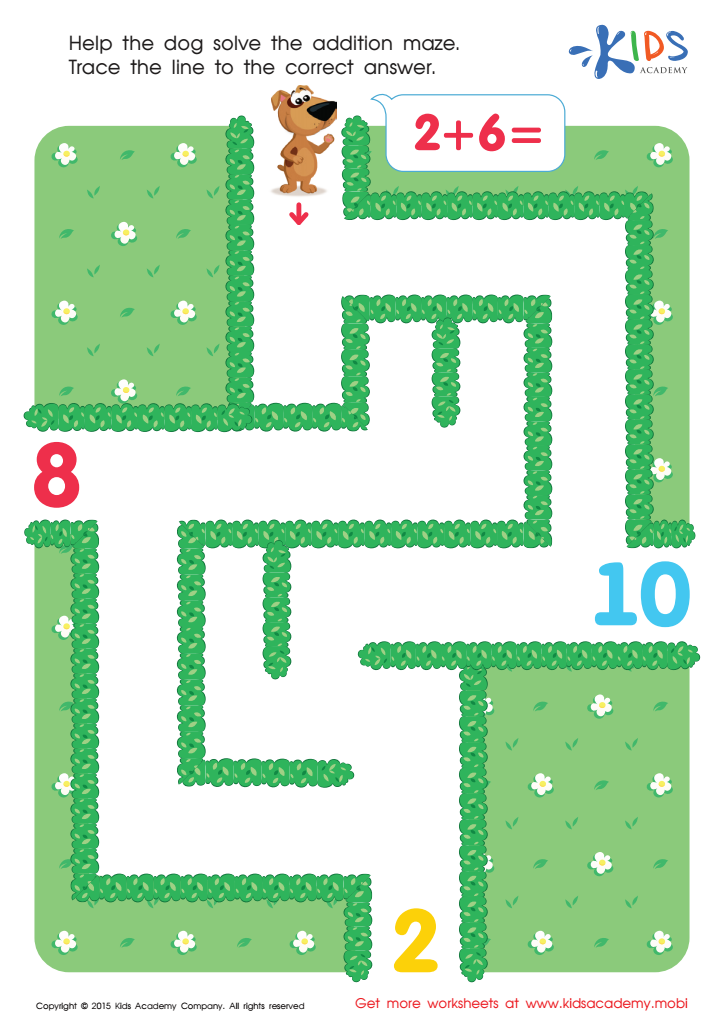
Two Plus Six Addition Worksheet
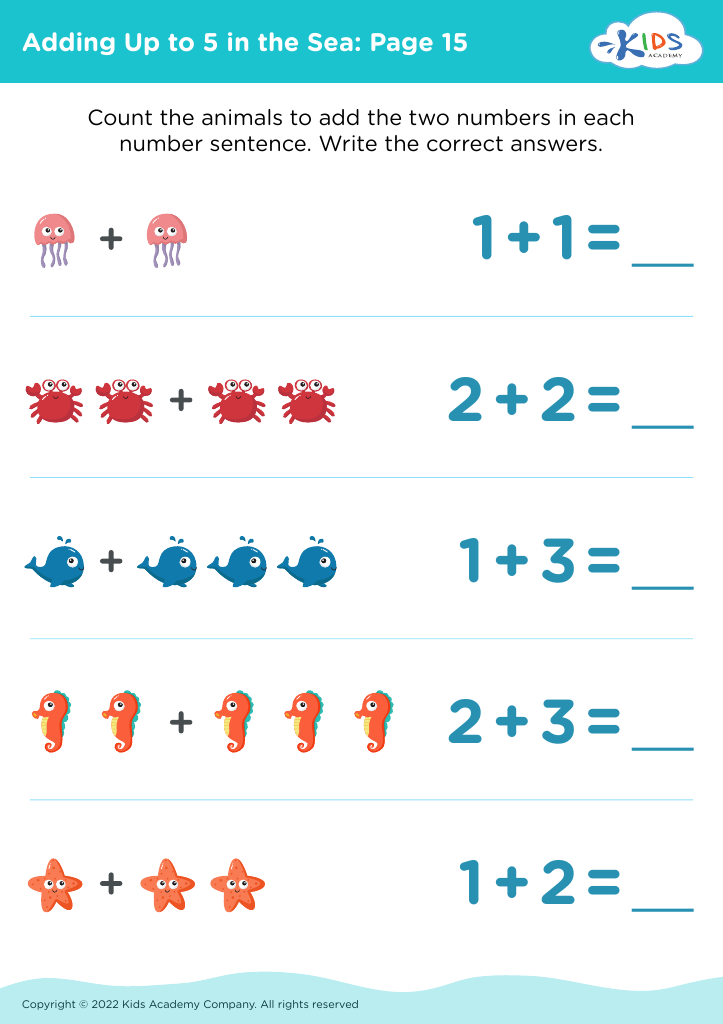
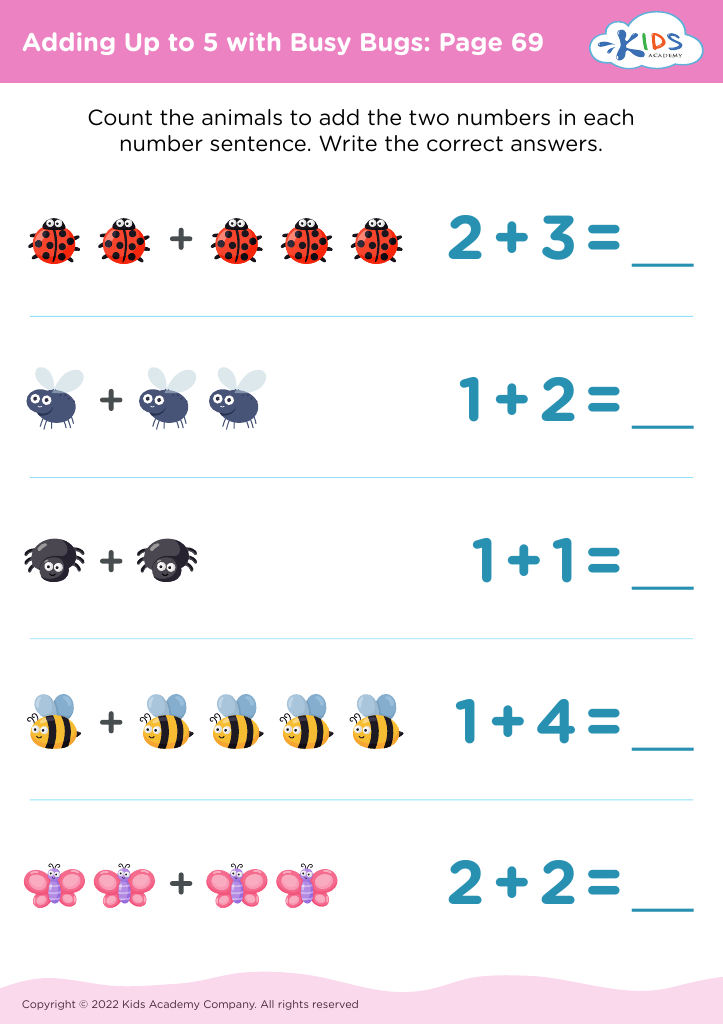
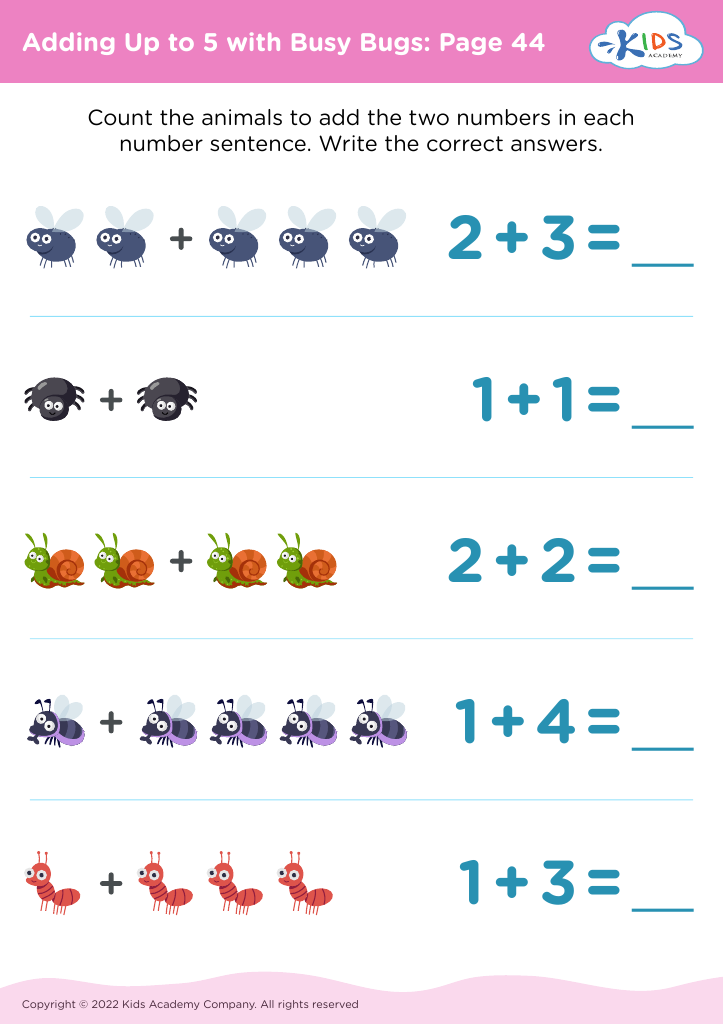








Improving concentration during basic addition and subtraction for children ages 3-5 is crucial for their early cognitive development. At this tender age, children are developing essential skills that serve as the foundation for future academic success. By fostering concentration in these basic math concepts, parents and teachers can help children develop not only mathematical proficiency but also critical thinking and problem-solving skills.
Enhancing concentration allows young learners to engage fully in activities, leading to better retention of information and improved understanding of math concepts. This focused learning experience also enhances their confidence, as children who succeed in these tasks feel a sense of accomplishment. Strong concentration habits formed in early childhood will benefit children as they advance into more complex curricula.
Additionally, establishing a focused learning environment encourages children's attention span, which is important for overall learning. Children who can concentrate are better equipped to manage distractions, making them more effective learners. By investing time and resources into improving concentration around addition and subtraction, parents and teachers not only make learning more enjoyable but also lay the groundwork for a lifetime of learning and achievement. Consequently, this can lead to improved educational outcomes and a greater love for math in later years.








