Categorization skills Numbers Worksheets for Ages 3-5
4 filtered results
-
From - To
Enhance your child's early learning experience with our Categorization Skills Numbers Worksheets designed specifically for ages 3-5. These engaging worksheets help young learners develop crucial categorization skills while exploring numbers in a fun and interactive way. Children will sort, group, and match numbers through playful exercises that foster critical thinking and creativity. Perfect for parents and educators, our worksheets provide a blend of learning and play, supporting foundational skills in mathematics. Download our printable worksheets today and watch your little one's confidence and numeracy skills grow as they explore the exciting world of numbers!
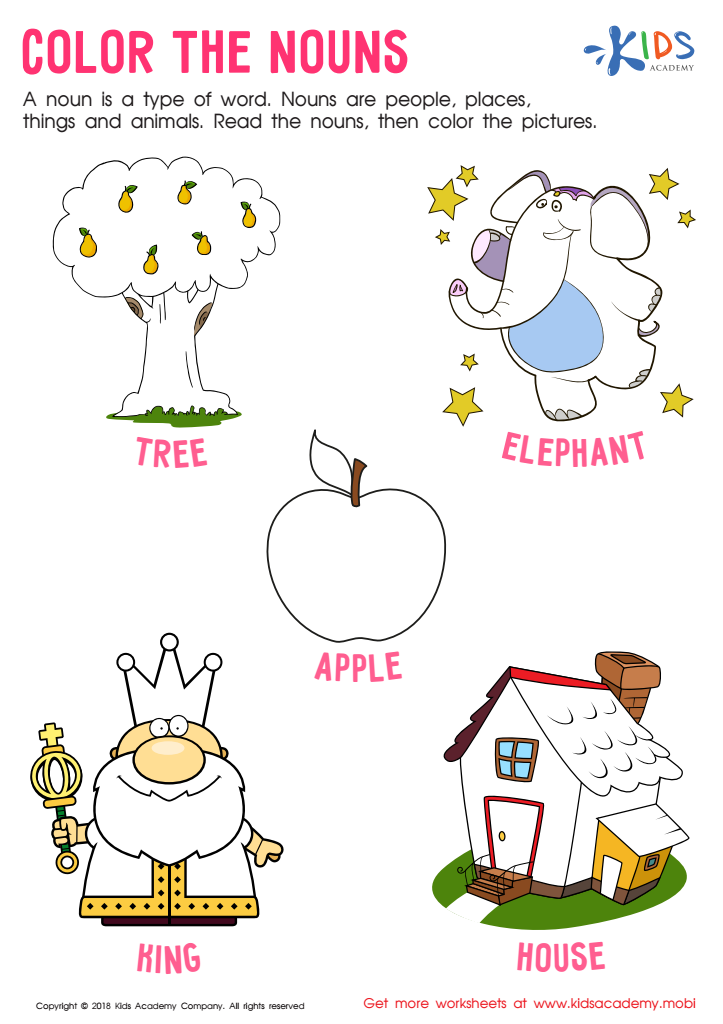
Color the Nouns Worksheet
 Assign to My Students
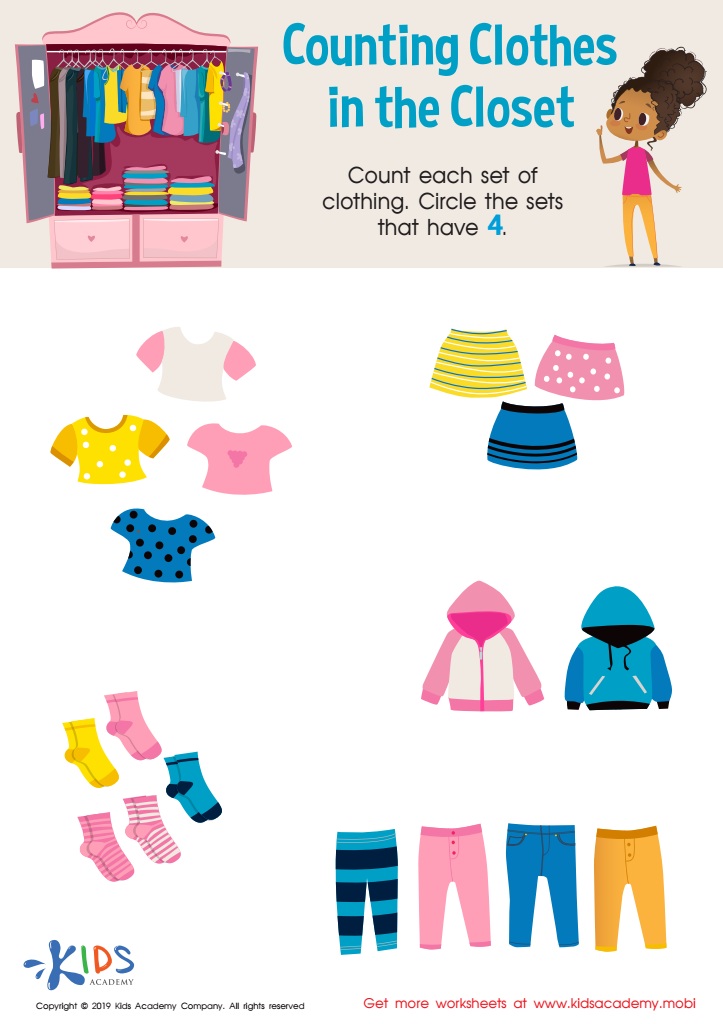
Counting Clothes Worksheet
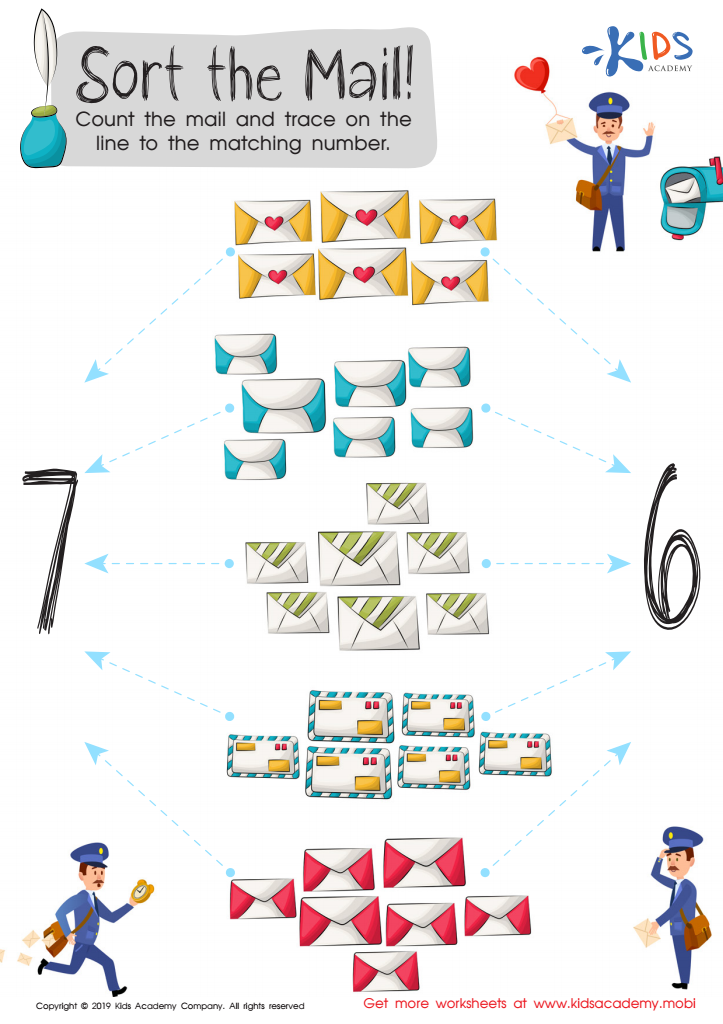
Sort the Mail Worksheet
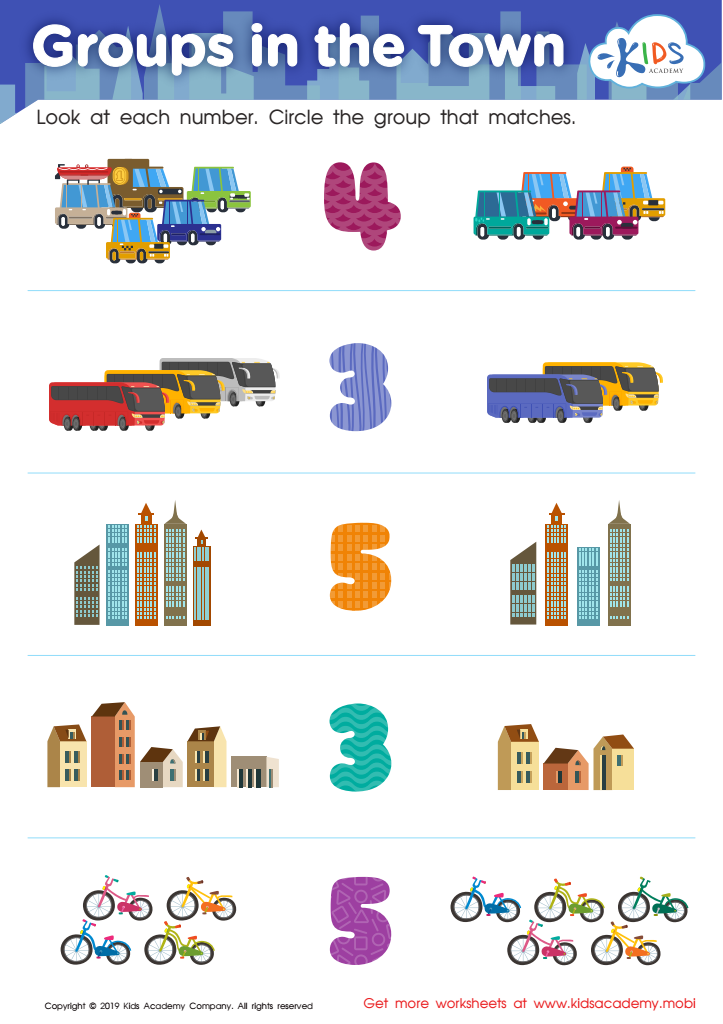
Groups in the Town Worksheet








Categorization skills in children aged 3-5 are fundamental for their cognitive development and play a crucial role in early learning. These skills refer to the ability to group objects, ideas, or experiences based on shared attributes, such as color, shape, size, or function. Encouraging young children to categorize helps them make sense of their world, enhancing their understanding of patterns, relationships, and characteristics.
Parents and teachers should prioritize these skills as they lay the groundwork for critical thinking, problem-solving, and later academic success. For instance, when children learn to classify animals, they also develop language skills by labeling and describing what makes certain animals alike or different. This linguistic growth supports their literacy development in preschool and beyond.
Moreover, categorization aids in fostering executive function skills, such as attention, memory, and flexibility. These skills are vital for academic performance and everyday decision-making. Engaging children in categorization activities, like sorting toys or grouping colors, also promotes social skills, as they often work together, share ideas, and communicate. Therefore, understanding and prioritizing categorization skills can significantly enrich a child's early educational experience and build a strong foundation for lifelong learning.








