Writing practice Numbers Worksheets for Ages 3-5
11 filtered results
-
From - To
Help your little ones embark on their numerical adventure with our "Writing Practice Numbers Worksheets for Ages 3-5". These engaging and educational worksheets are designed to make learning numbers fun for preschoolers and kindergarteners. Each sheet offers traceable numbers and fun activities that reinforce number recognition, fine motor skills, and pencil control. Perfect for hands-on practice, our worksheets are ideal for creating a solid foundation in early math skills. Whether you're a parent or educator, these worksheets will make number practice enjoyable and effective for young learners eager to explore the world of numbers. Explore now!
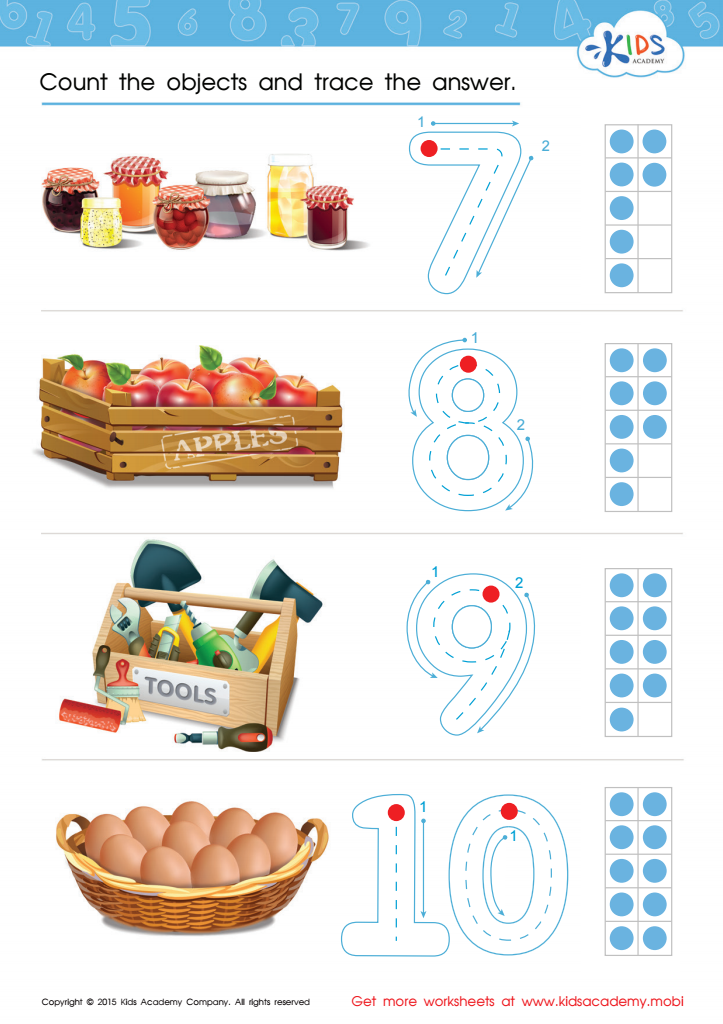
Count and Trace 7 – 10 Worksheet
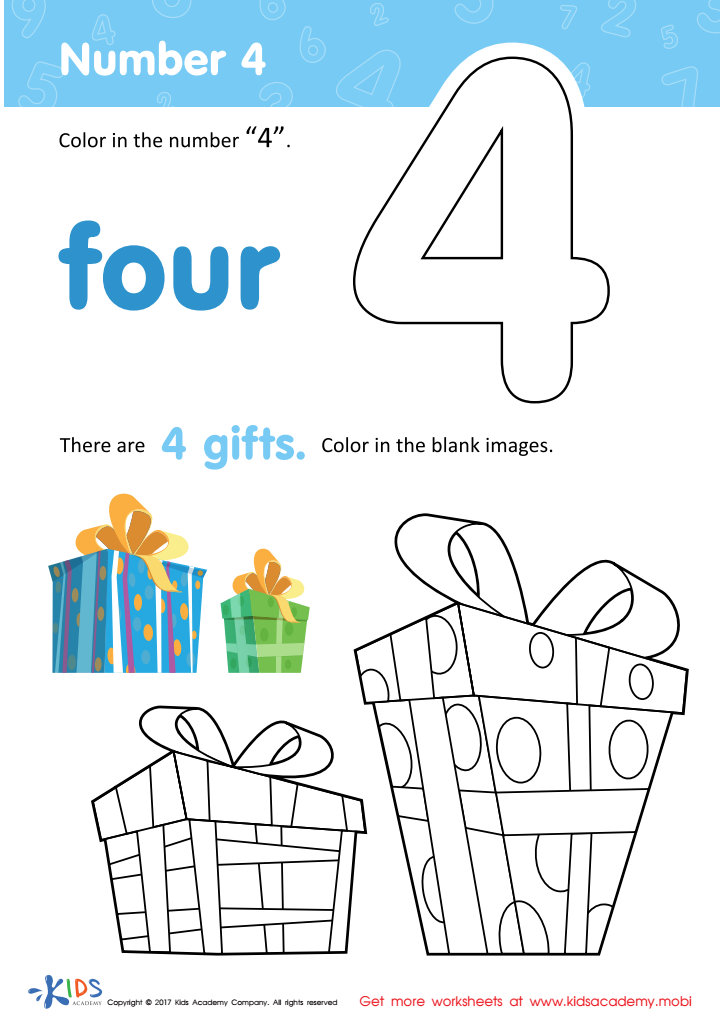
Number 4 Printable
 Assign to My Students
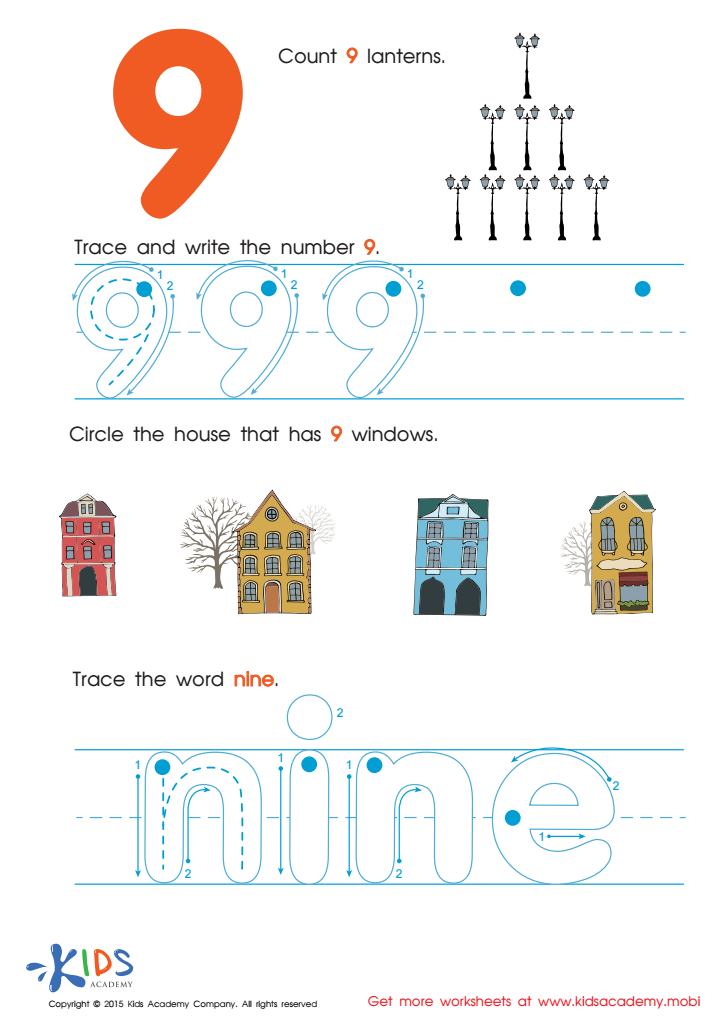
Tracing And Learning to Write Number 9 Worksheet
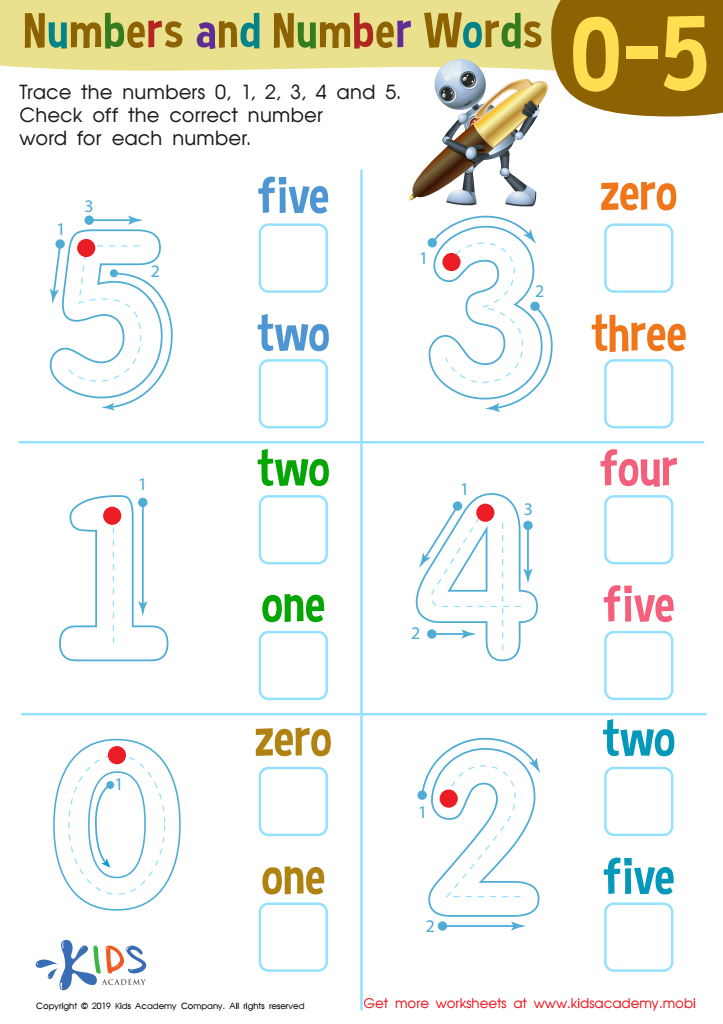
Numbers and Number Words Worksheet
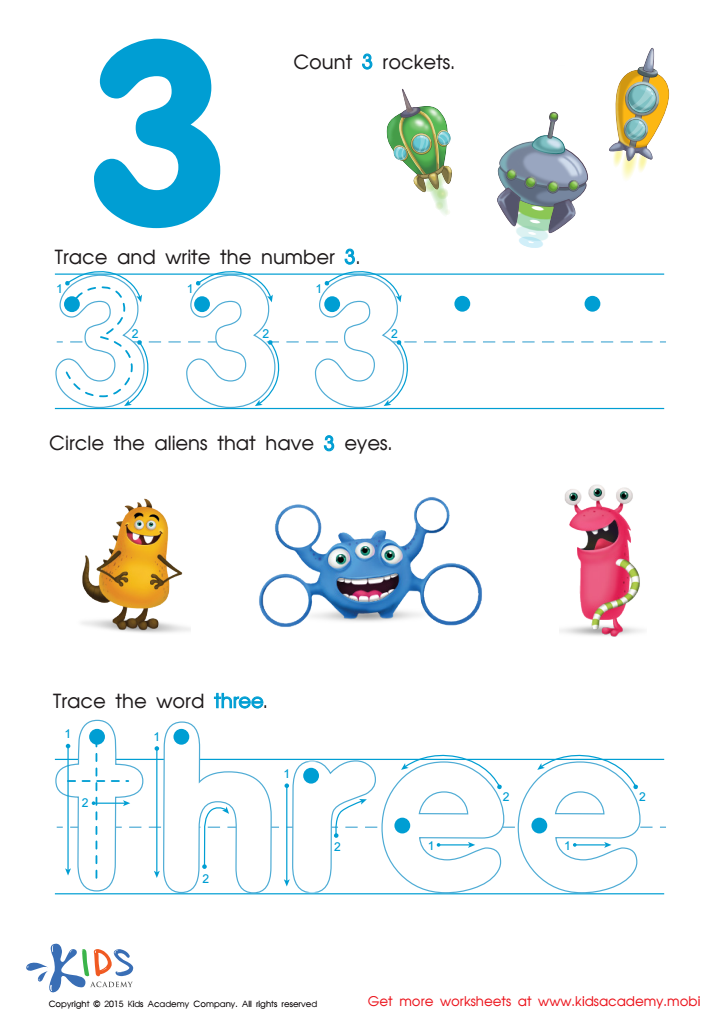
Learning Number Three Worksheet
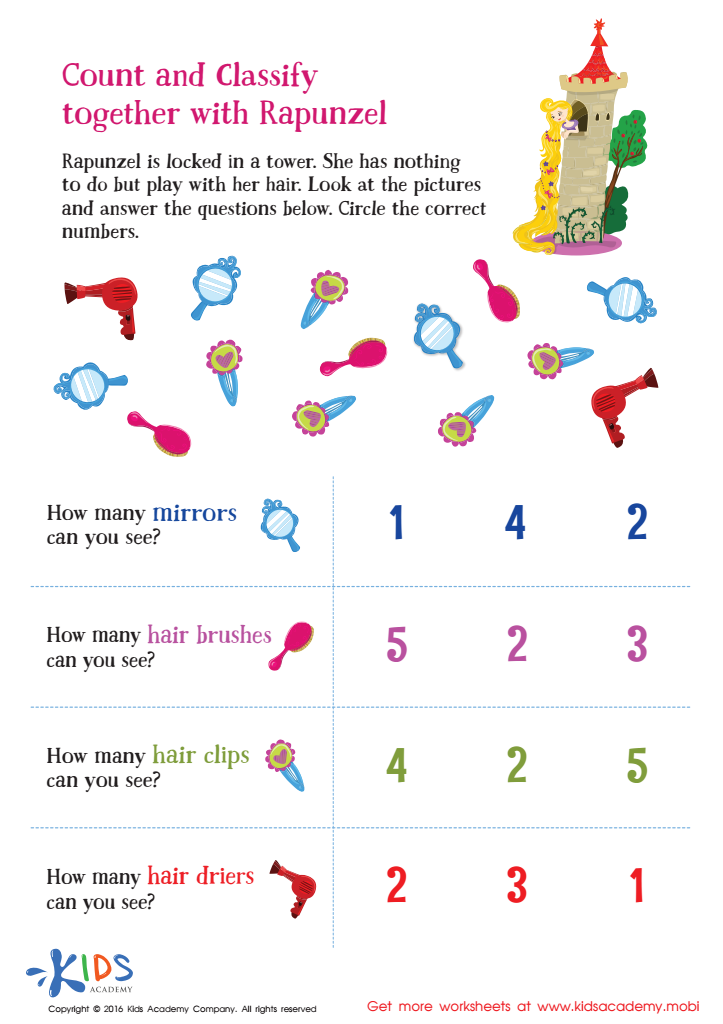
Fairy Tale Worksheet: Count and Classify with Rapunzel
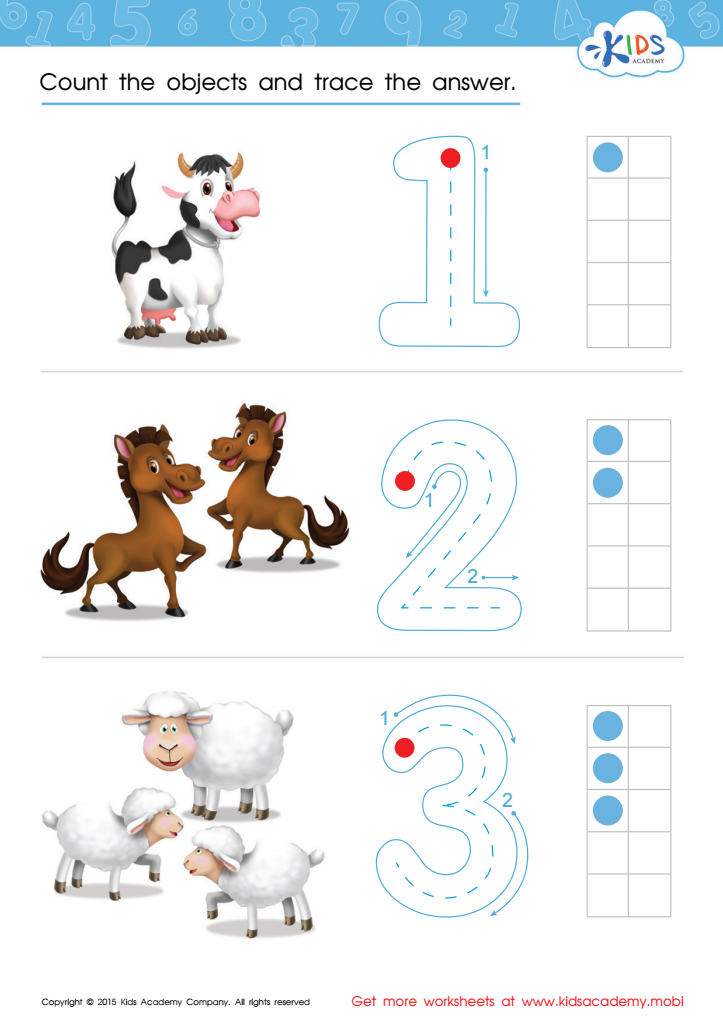
Count and Trace 1 – 3 Worksheet
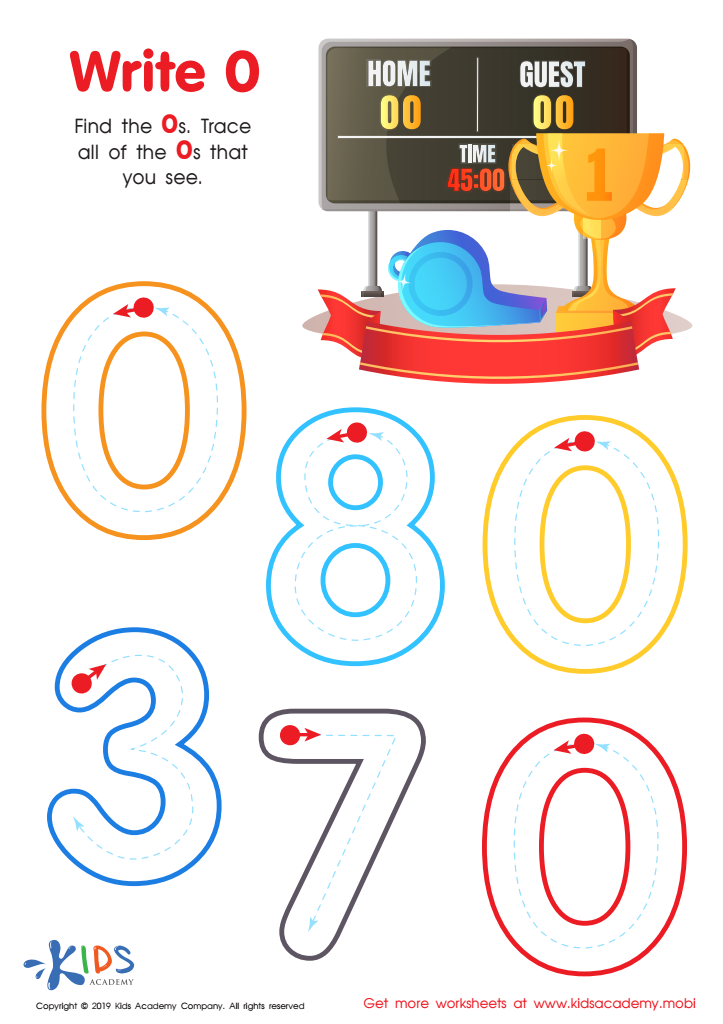
Write 0 Worksheet
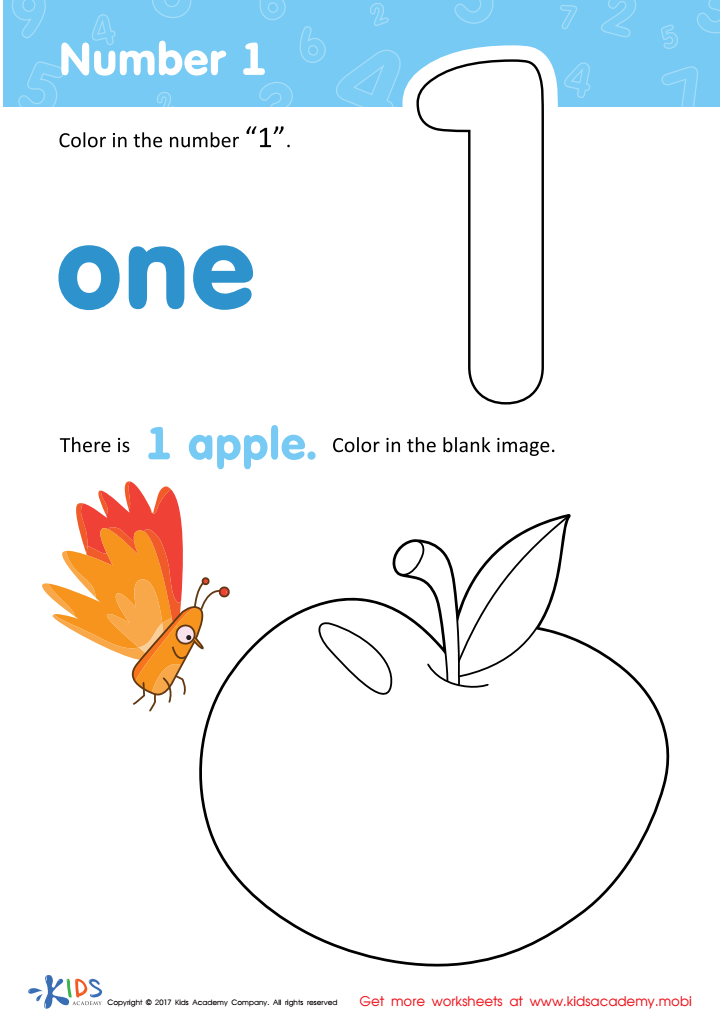
Number 1 Printable
Assign to My Students
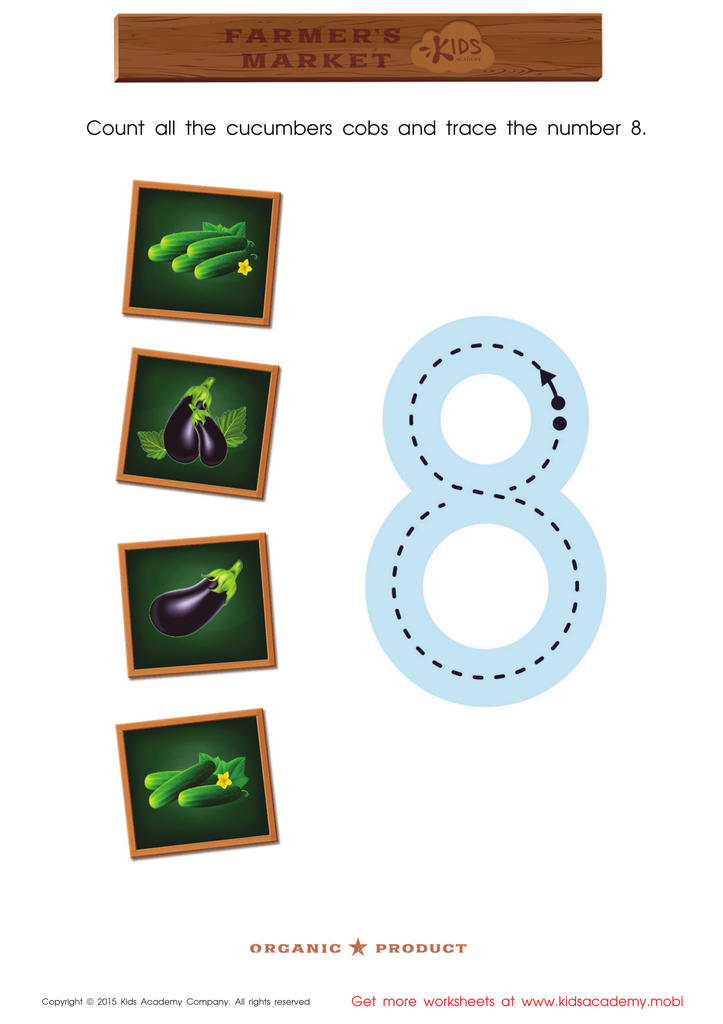
Count the Cucumbers and Trace the Number 8 Printable
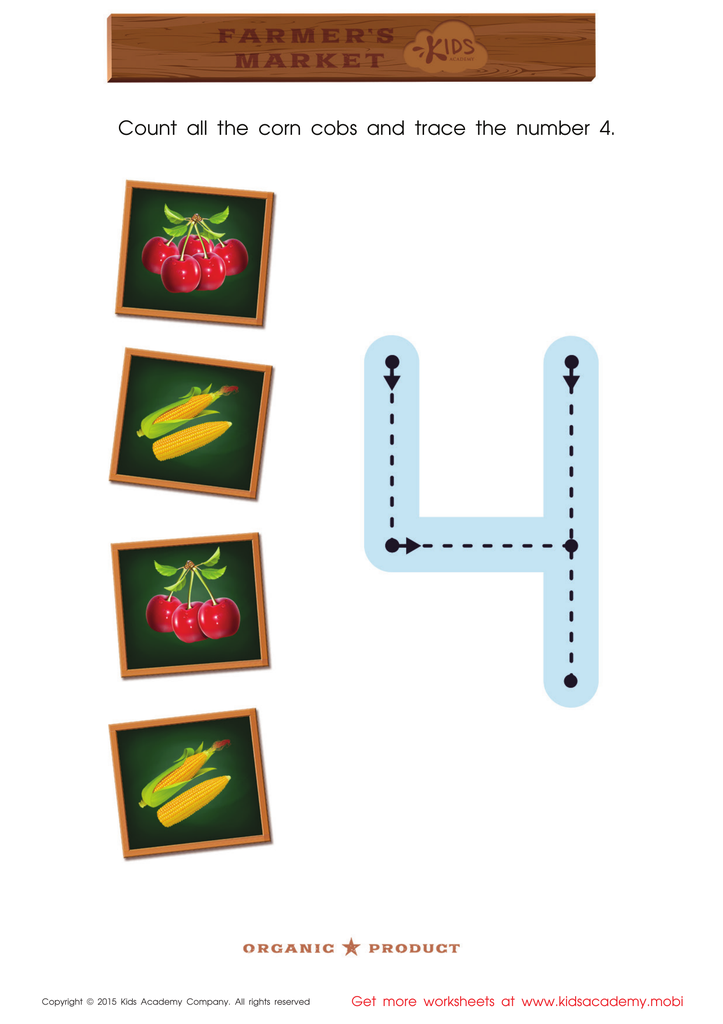
Count the Corncobs and Trace the Number 4 Worksheet








Writing practice numbers is vital for children ages 3-5 for several key reasons. First, early numeracy skills form the foundation for all future math learning. When children practice writing numbers, they’re not just learning symbols but also understanding quantities and their representations. This early math knowledge supports their number sense—the ability to recognize, relate, and work with numbers, which is crucial for problem-solving and logical thinking.
Moreover, writing numbers improves fine motor skills, hand-eye coordination, and muscle memory. These physical skills are essential not only for writing but for other daily activities such as cutting with scissors, dressing, and even tying shoes. It's a kind of readiness that's fundamental for preschoolers as they prepare for school.
Practicing number writing also helps to develop cognitive skills, including memory, concentration, and attention to detail. As children learn to focus on forming shapes and symbols consistently, they build the persistence and patience necessary to tackle more complex tasks in the future.
Lastly, number writing practice boosts children’s confidence and excitement about learning. When they can proudly say, "I can write my numbers," it fosters a positive attitude towards education. Early accomplishments in writing numbers pave the way for encouraging lifelong learning and growth.
Thus, parents and teachers should prioritize this practice to support well-rounded, comprehensive early child development.








