Cognitive Development Math Worksheets for Ages 3-5 - Page 2
156 filtered results
-
From - To
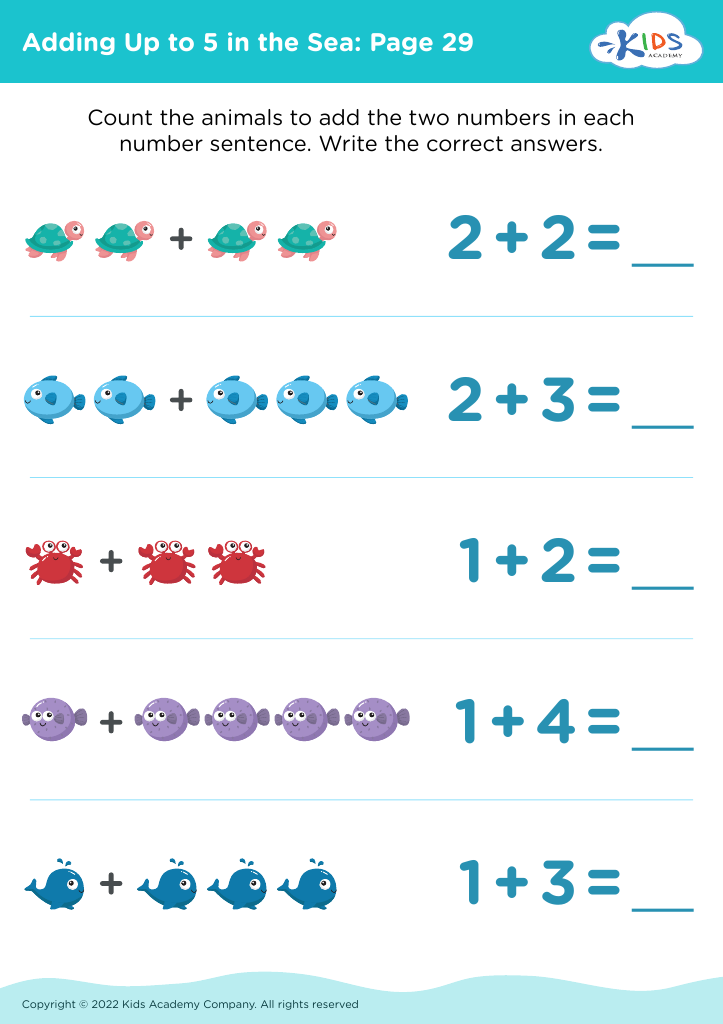
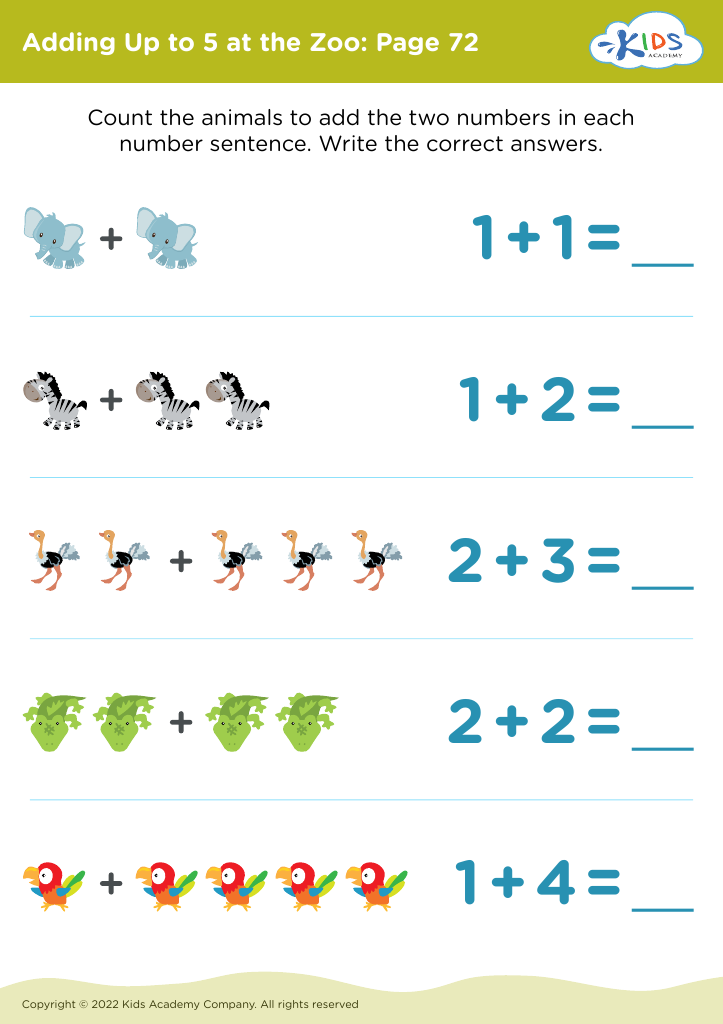
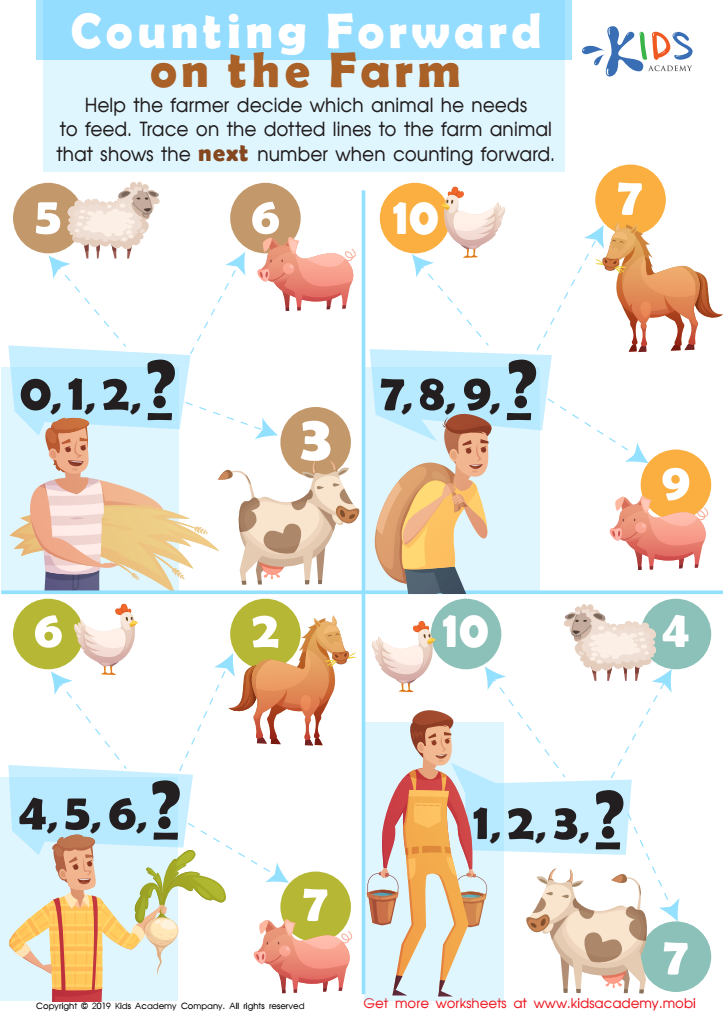
Counting Forward On the Farm Worksheet
 Assign to My Students
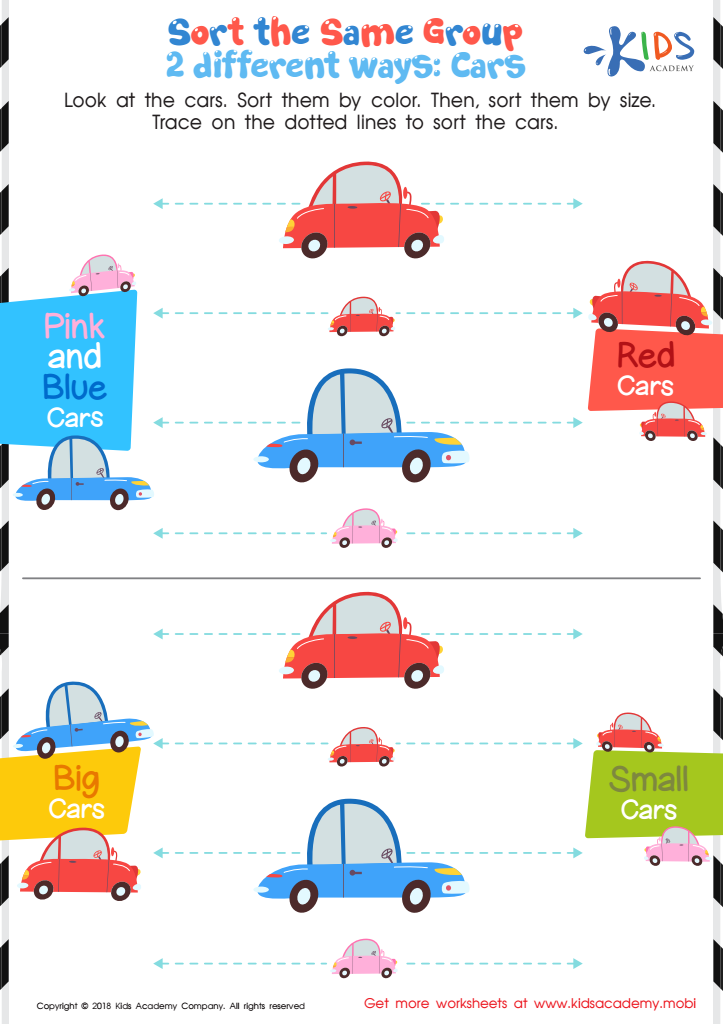
Sort the Same Group 2 Different Ways: Cars Worksheet
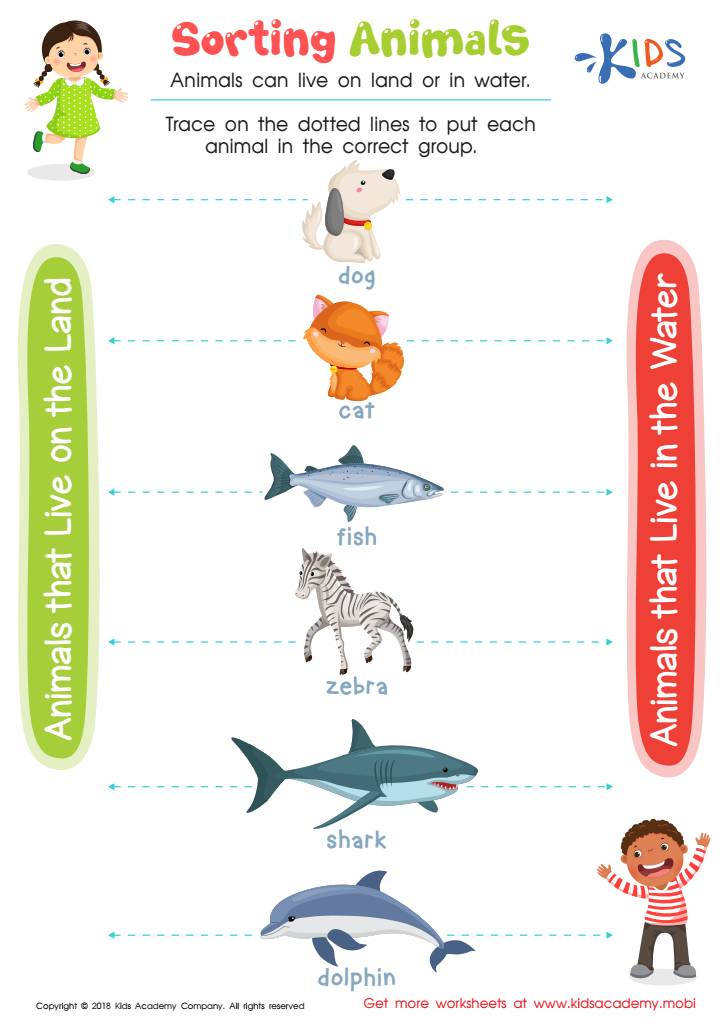
Sorting Animals Worksheet
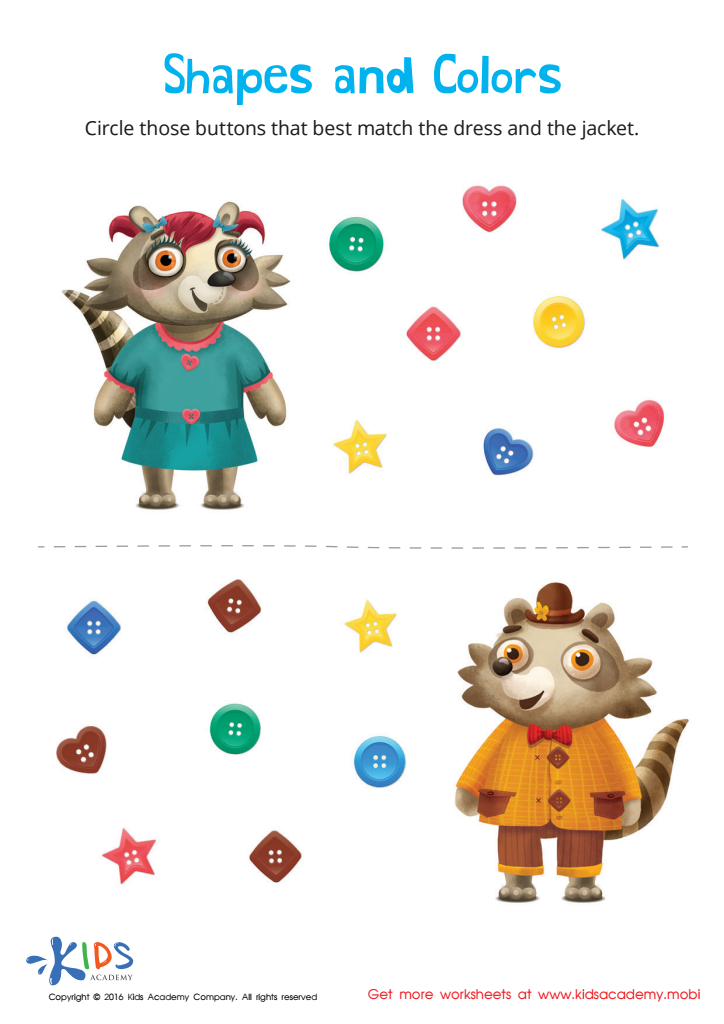
Matching: Shapes and Colors Worksheet
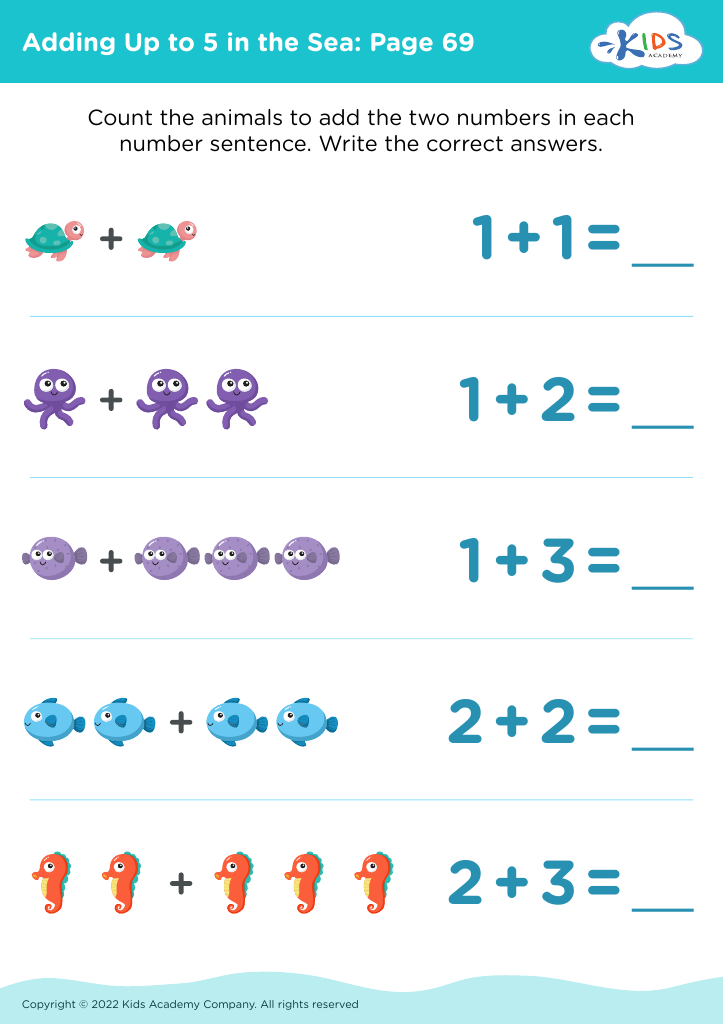
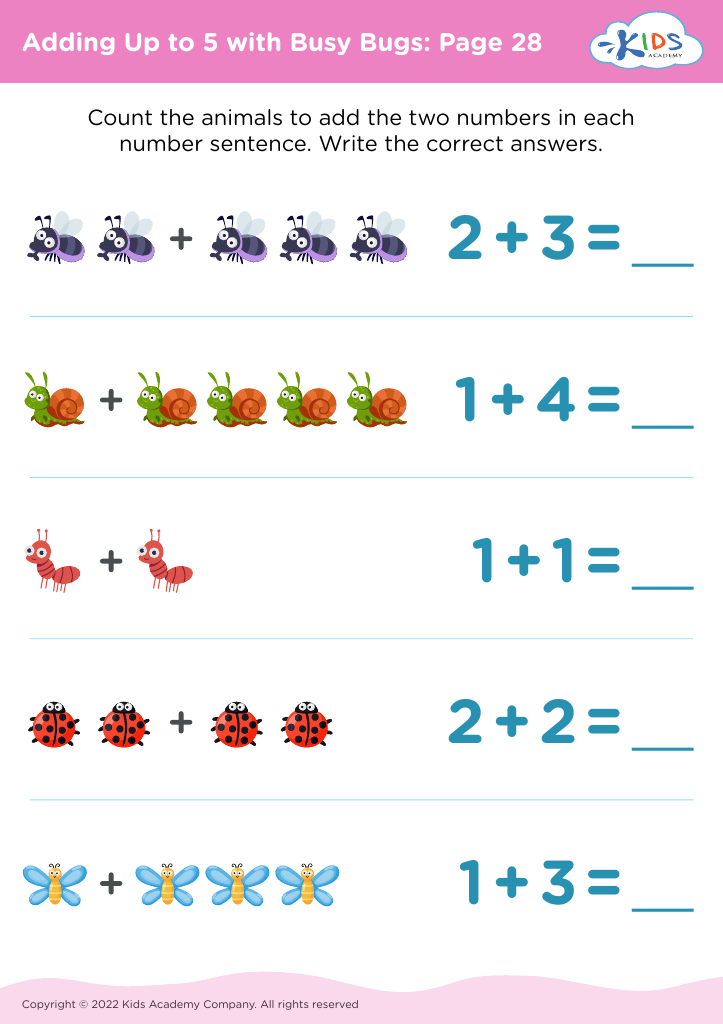
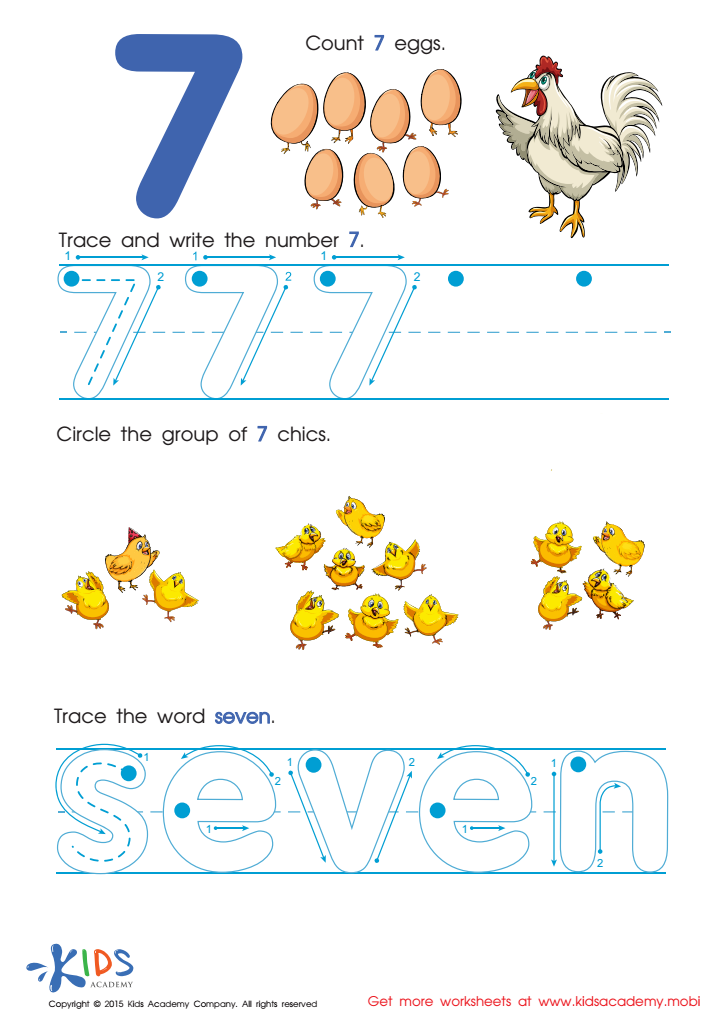
Trace And Write Number 7 with Fun Worksheet
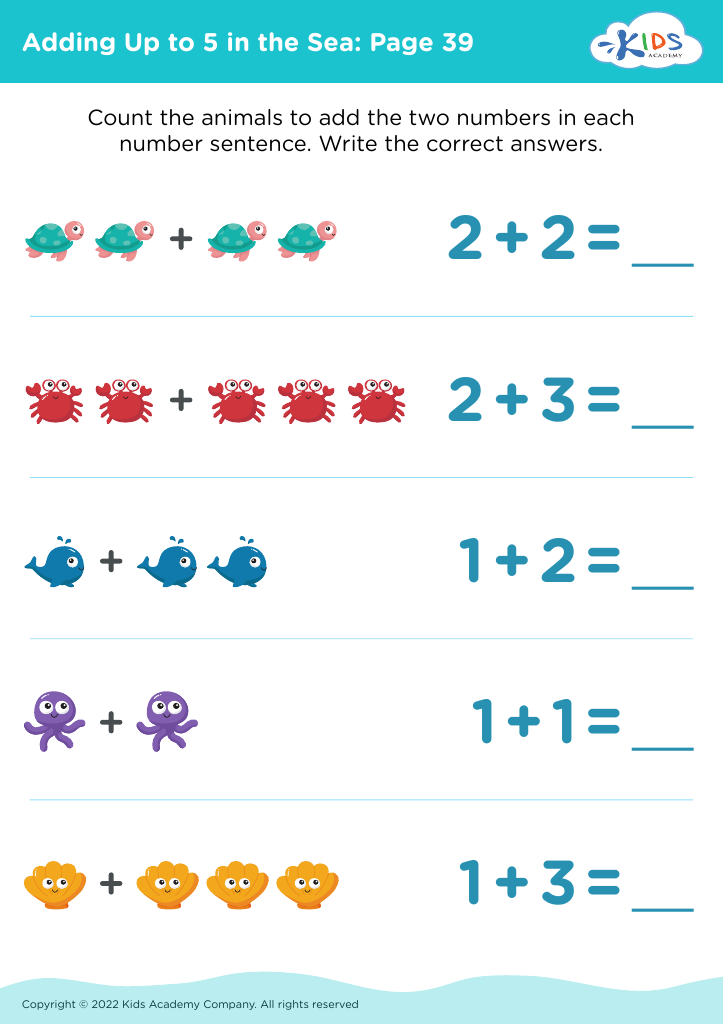
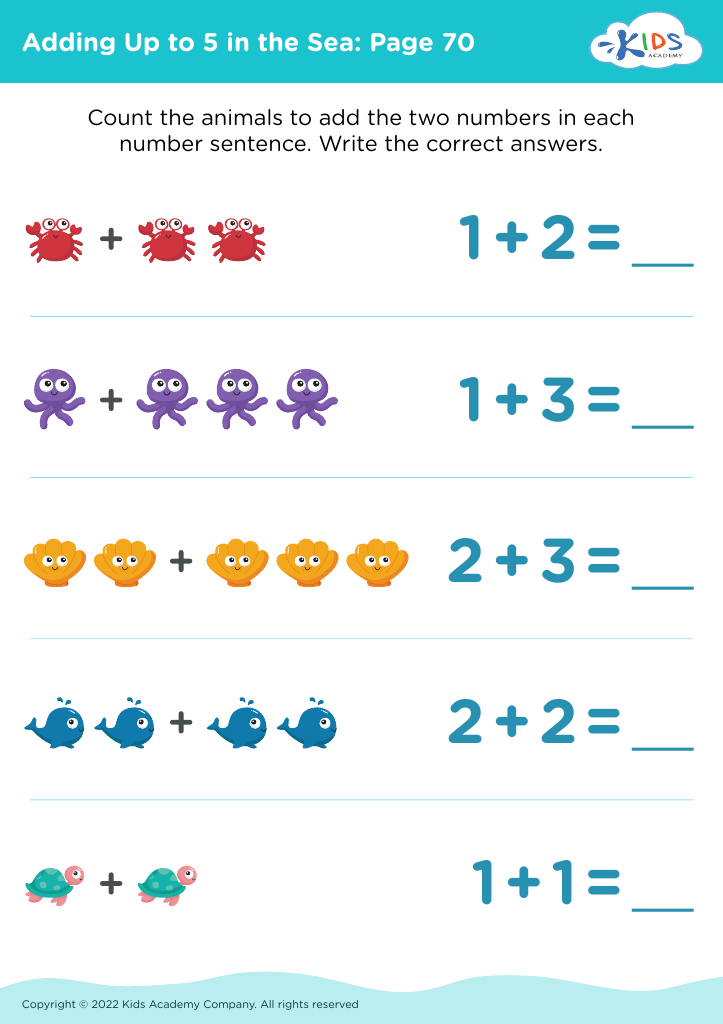
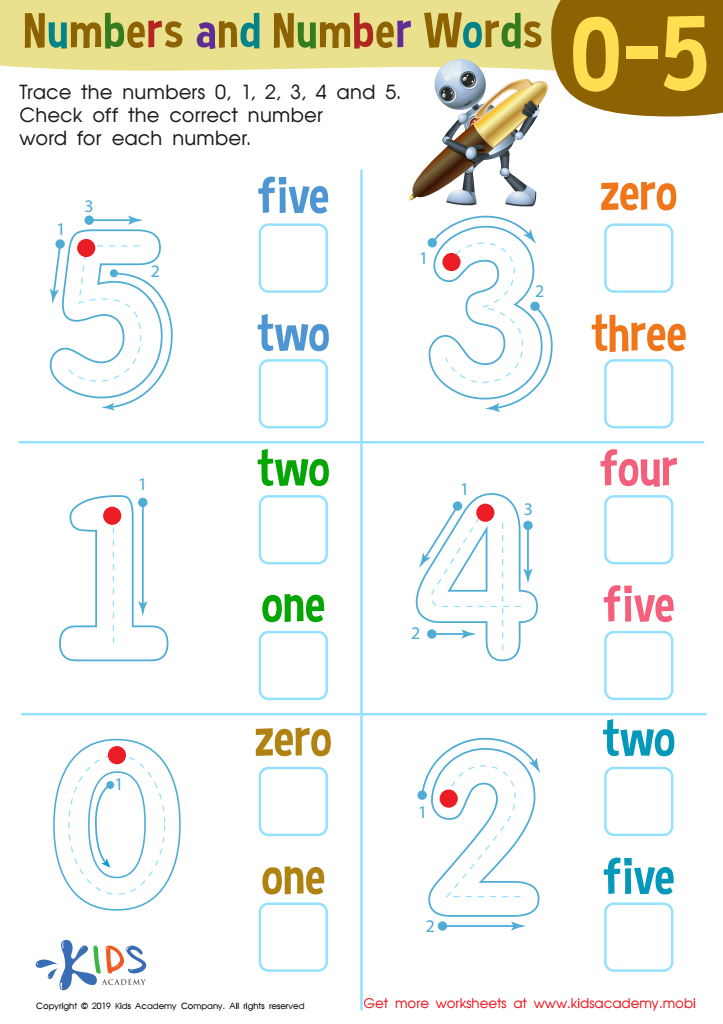
Numbers and Number Words Worksheet
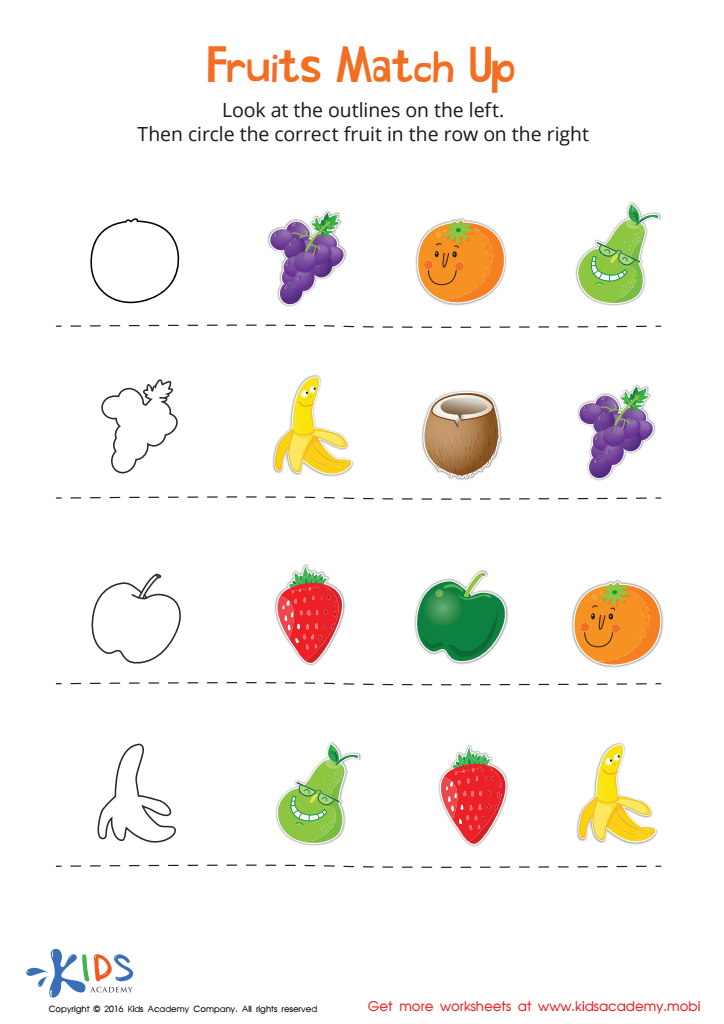
Fruits Match Up Worksheet
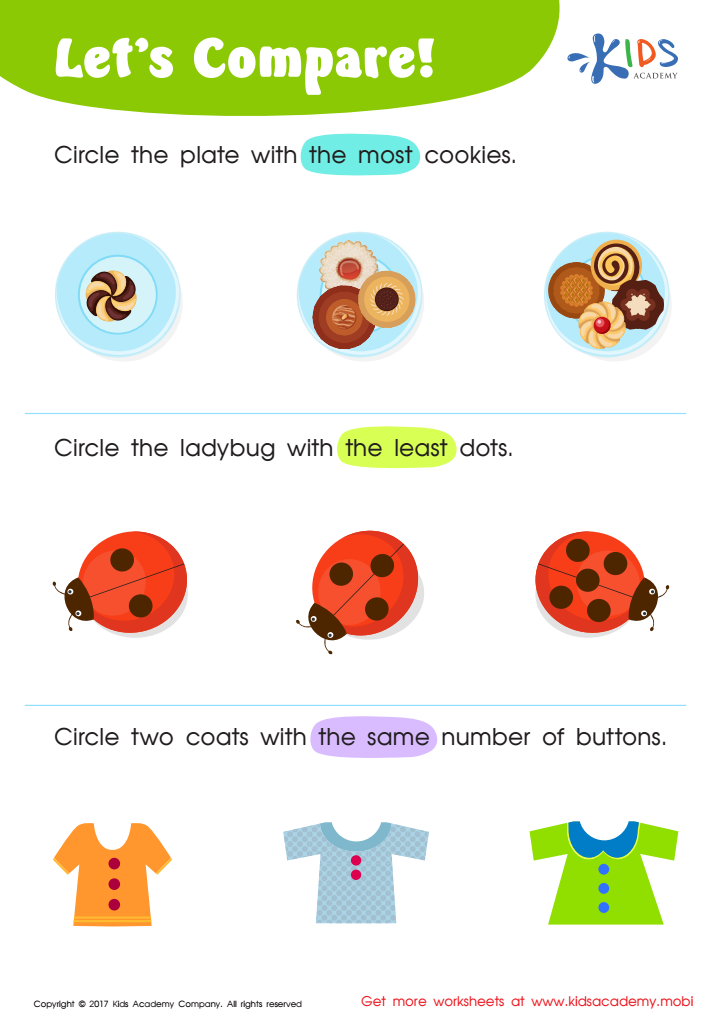
Matching: Classifying Toys by Size Worksheet
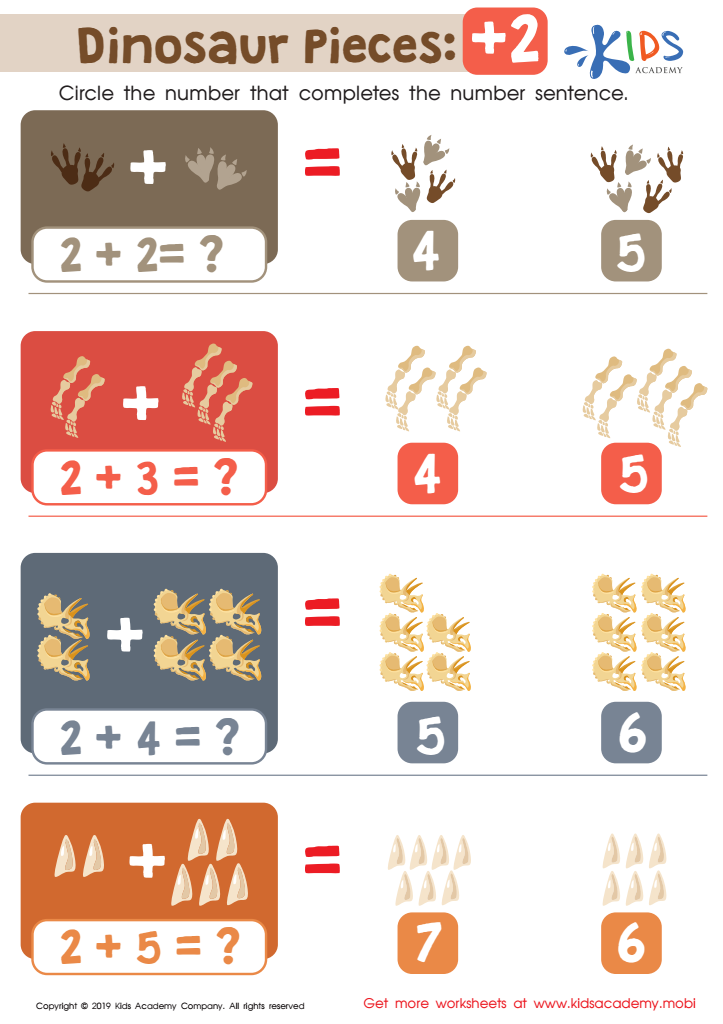
Dinosaur Pieces: +2 Worksheet





.jpg)

Cognitive development in early childhood, particularly in math, is crucial for subsequent academic success and life skills. For children aged 3-5, engaging in mathematical concepts enhances critical thinking and problem-solving abilities. Understanding basic math lays the groundwork for more complex skills, helping children to make sense of the world around them.
During these formative years, children begin to grasp concepts of number sense, patterns, shapes, and measurement. This early numeracy is not merely about rote memorization; it stimulates cognitive processes that foster logical reasoning and analytical thinking. For parents and teachers, nurturing these skills through interactive activities—like counting objects, sorting toys, or measuring ingredients in cooking—transforms learning into a fun and enjoyable experience.
Moreover, strong mathematical foundations promote confidence and independence in learning. Children who engage with math early on often develop a positive attitude towards the subject, leading to higher achievement in school. By emphasizing cognitive development in math at this age, parents and teachers can help create well-rounded individuals who excel academically and are prepared to tackle future challenges. investing time in this area now means setting children up for lifelong success in both education and everyday problem-solving situations.








