Fine motor skills (drawing lines) Math Worksheets for Ages 3-5
7 filtered results
-
From - To
Enhance your child's fine motor skills with our engaging "Drawing Lines" math worksheets, perfect for ages 3-5! These printable activities focus on developing hand-eye coordination and dexterity through fun and interactive line-drawing exercises. Children will practice various line types, promoting essential skills for early writing and math concepts. Each worksheet is thoughtfully designed to inspire creativity while reinforcing important learning milestones. As kids trace, connect, and draw, they build confidence in their abilities and lay the groundwork for future academic success. Explore our collection and watch your little one thrive as they enjoy the journey of learning through play!
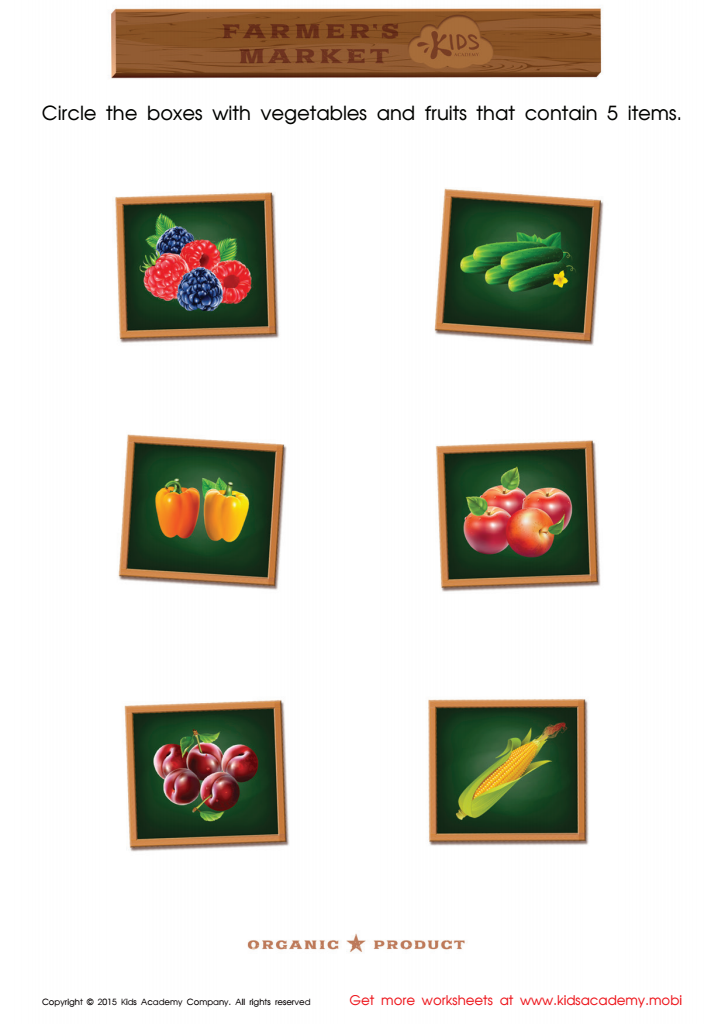
Count and Match Vegetables 1 – 7 Math Worksheet
 Assign to My Students

Counting Eggs Worksheet
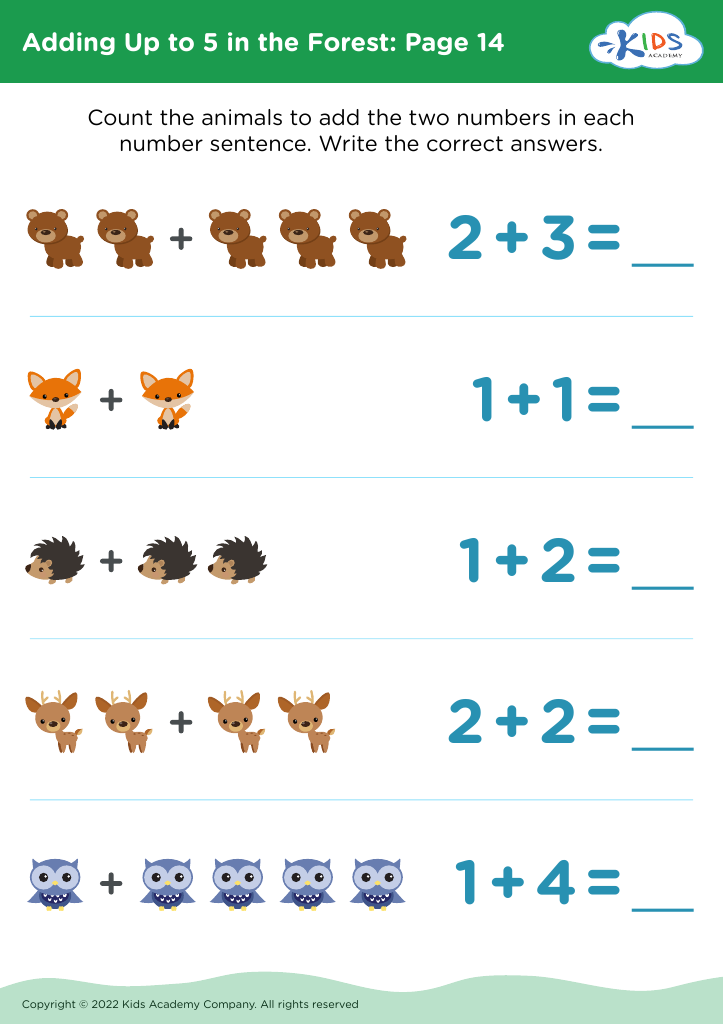
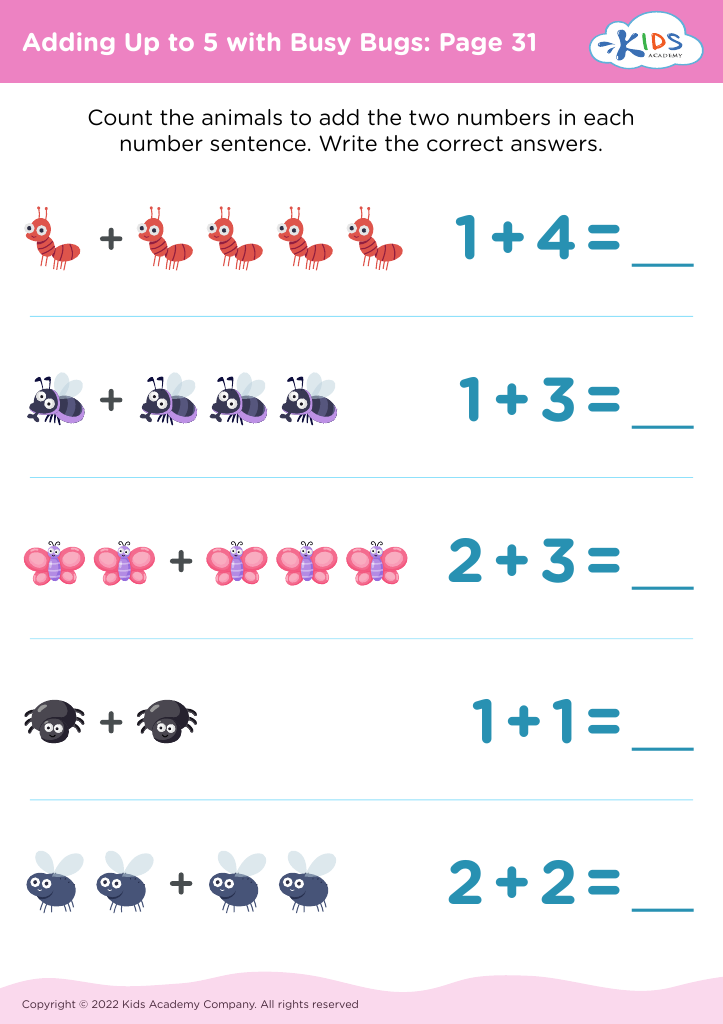
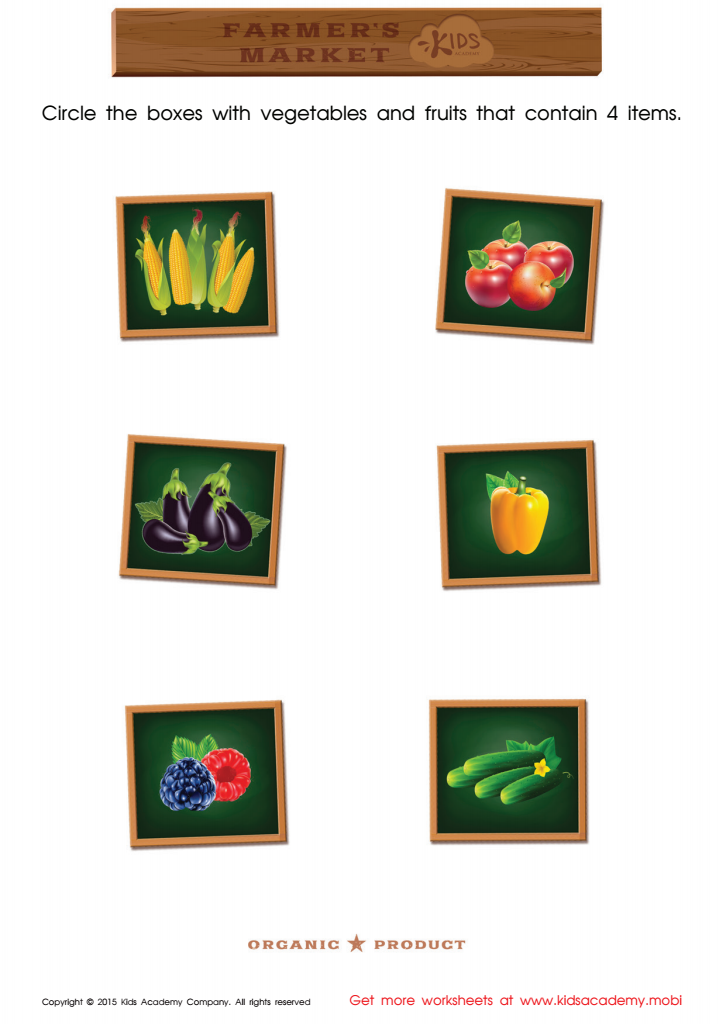
Count and Match Vegetables 2 – 8 Math Worksheet
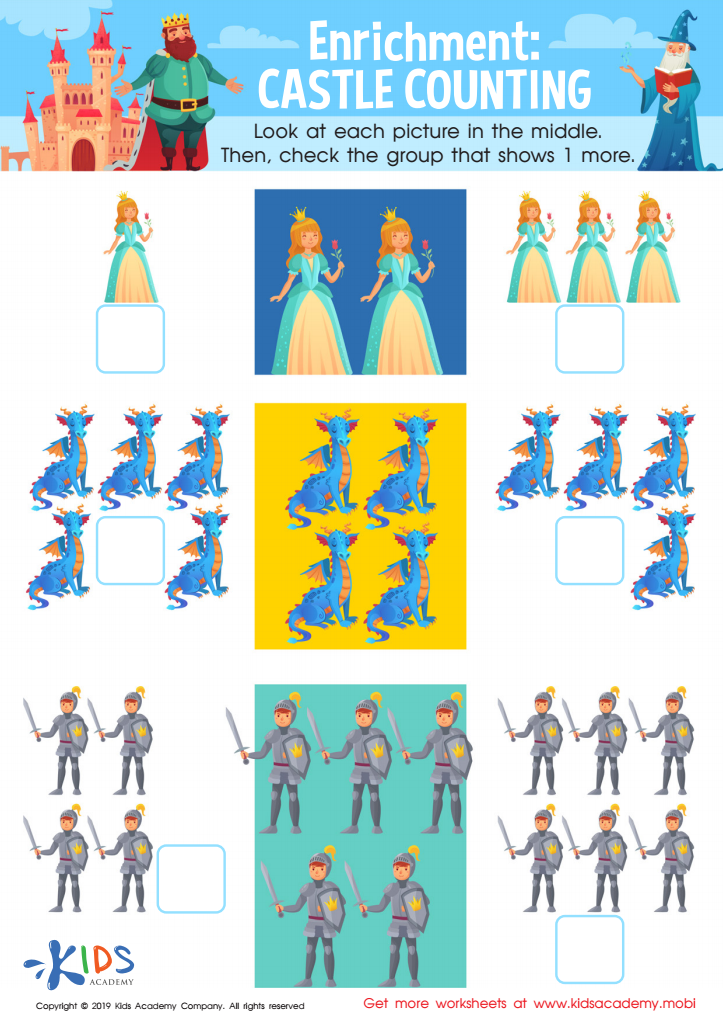
Enrichment: Castle Counting Worksheet








Fine motor skills, such as drawing lines, play a crucial role in the development of young children, particularly those aged 3-5. These skills are foundational for numerous tasks, involving the coordination of small muscles in the hands and fingers. By engaging in activities that require drawing lines, children enhance their grip, hand-eye coordination, and precision. This not only helps them with drawing but also sets the stage for crucial academic skills later, especially in math.
Understanding shapes and patterns is vital in early math education, and drawing lines is an excellent way to introduce these concepts. When children practice drawing straight and curved lines, they learn about symmetry, length, and spatial awareness, all of which form the basis for more complex mathematical ideas. Moreover, these activities contribute to their overall cognitive development, enabling them to grasp concepts such as counting, measurement, and geometry more easily in the future.
For parents and teachers, encouraging drawing lines provides an interactive and enjoyable way to foster both fine motor skills and mathematical understanding. By incorporating fun activities that promote these skills, caregivers can support children’s readiness for school, contributing to their confident exploration of the world of numbers and shapes.








