Math fluency Math Worksheets for Ages 3-5
3 filtered results
-
From - To
Unlock your child's mathematical potential with our engaging Math Fluency Worksheets designed specifically for ages 3-5! These worksheets offer a fun and interactive way to develop essential foundational math skills, including number recognition, counting, addition, and subtraction. Each worksheet is thoughtfully crafted to cater to young learners, fostering both learning and enjoyment. With colorful illustrations and varied activities, kids will build confidence and proficiency at their own pace. Enhance your child's learning journey today with our accessible, printable resources that make math enjoyable. Visit our website to start exploring our vibrant collection of math fluency worksheets now!
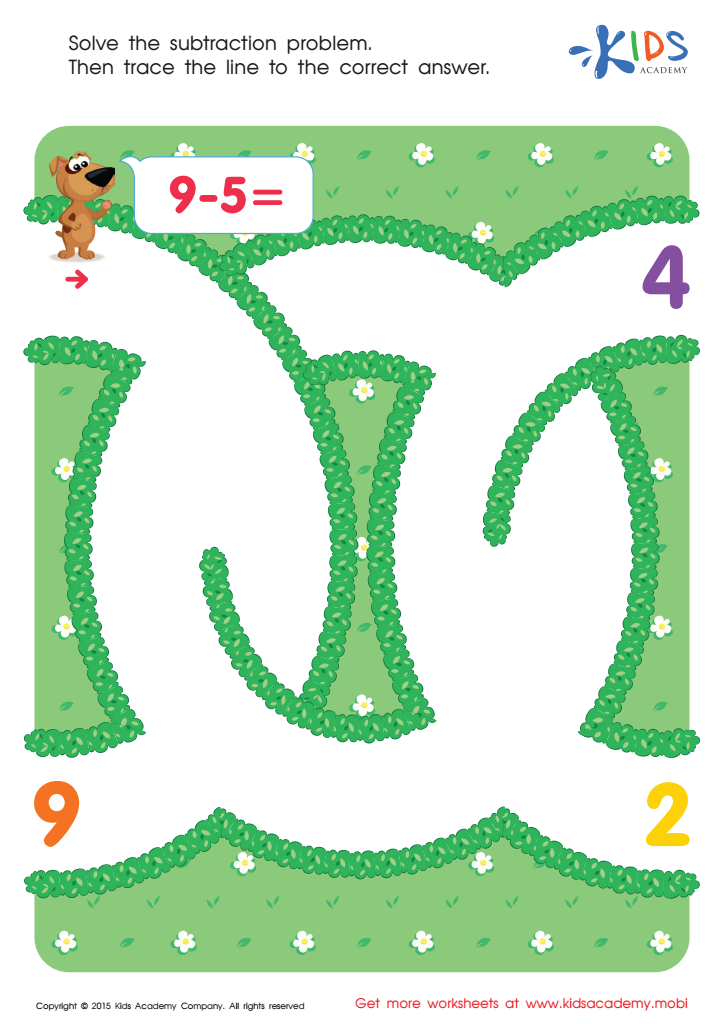
Subtraction Nine And Five Worksheet
 Assign to My Students
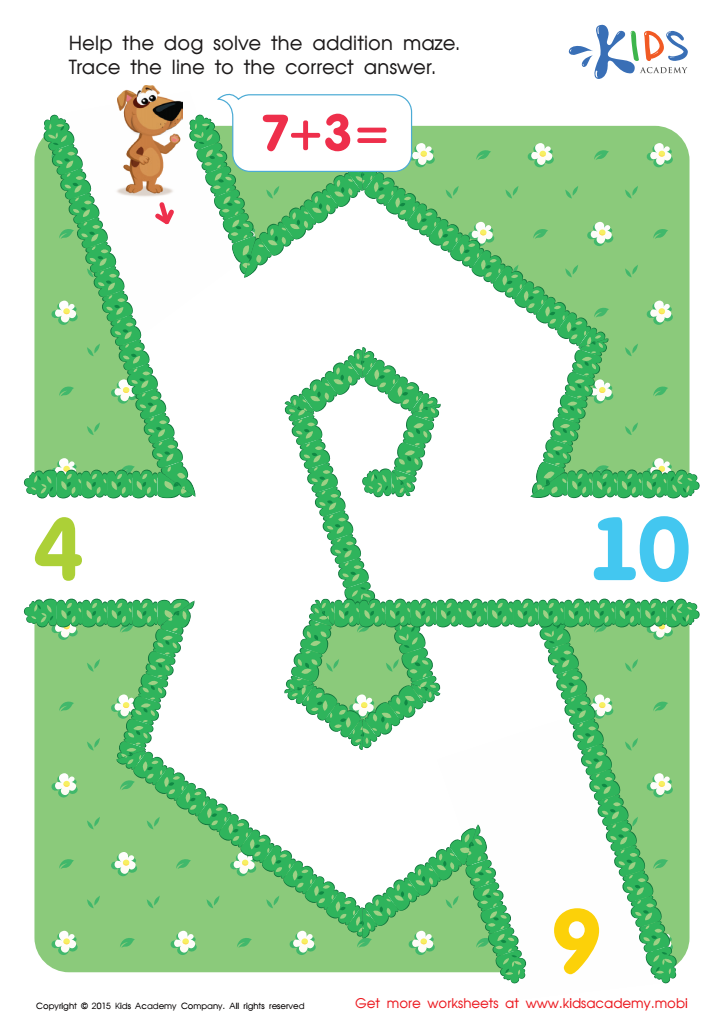
Seven Plus Three Worksheet
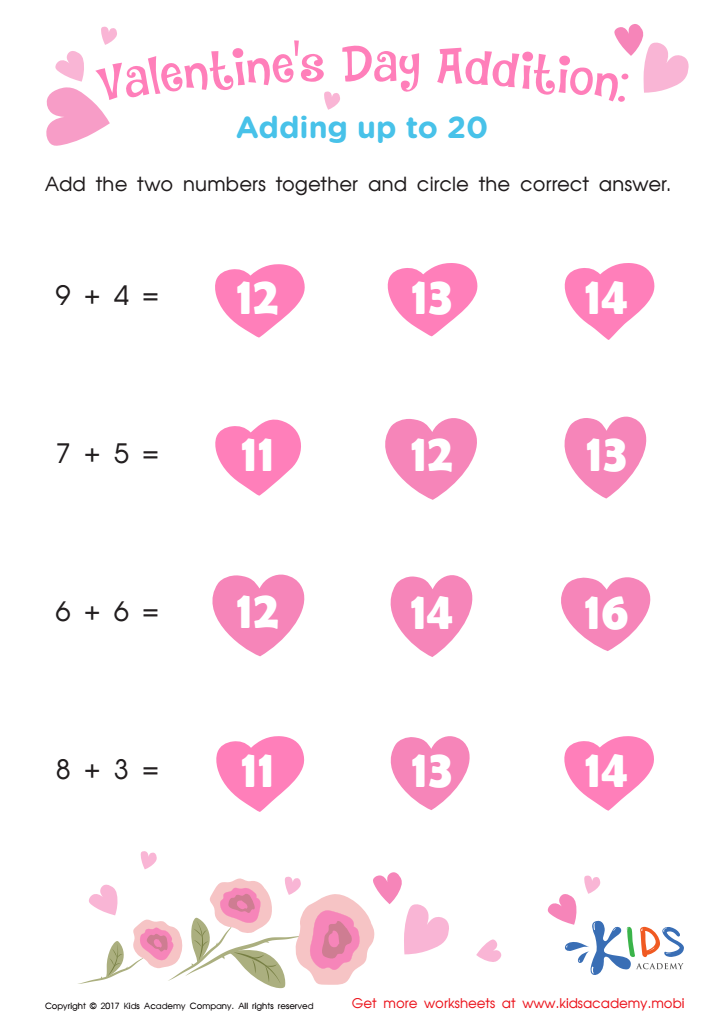
Valentine's Day Addition Worksheet








Math fluency is crucial for children ages 3-5 as it lays the foundational skills for later learning. During these early years, children are naturally curious and eager to explore their surroundings. Introducing math concepts through play and everyday activities nurtures this curiosity, making learning enjoyable and engaging. Fluency in math at this age includes understanding numbers, counting, basic operations, and recognizing patterns, which are essential for developing critical thinking skills.
Parents and teachers should prioritize math fluency because it fosters confidence in problem-solving and analytical skills that benefit children across all subjects. Early exposure to math encourages a positive attitude toward learning, helping to combat math anxiety that might develop later. Additionally, math skills are closely linked to language development; for instance, discussing quantities and comparisons enhances vocabulary and comprehension.
By supporting math fluency, parents and teachers equip children with essential tools for future academic success. This focus on early math skills also allows for tracking developmental progress, ensuring that any potential learning gaps can be addressed promptly. Ultimately, promoting math fluency in early childhood is a investment in a child’s overall cognitive development, paving the way for lifelong learning and success.








