Math problem-solving Math Worksheets for Ages 3-5
9 filtered results
-
From - To
Explore our engaging Math Problem-Solving Worksheets designed specifically for children ages 3-5. These worksheets foster early mathematical skills through fun, hands-on activities that promote critical thinking and reasoning. Your little ones will enjoy solving age-appropriate puzzles, counting exercises, and comparing quantities, all while confident exploration is encouraged! Each worksheet is thoughtfully crafted to support cognitive development, enhance number sense, and provide a strong foundation in math principles. Perfect for parents and educators alike, these resources are ideal for home or classroom use. Start your child's journey into math mastery and watch their problem-solving abilities blossom with our interactive worksheets!
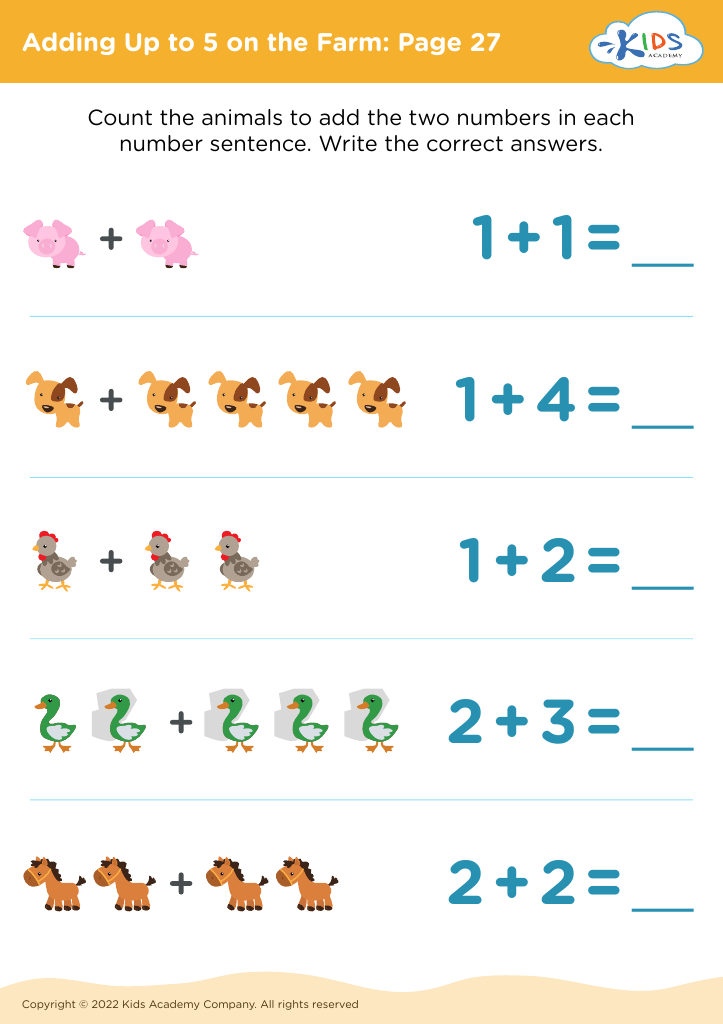
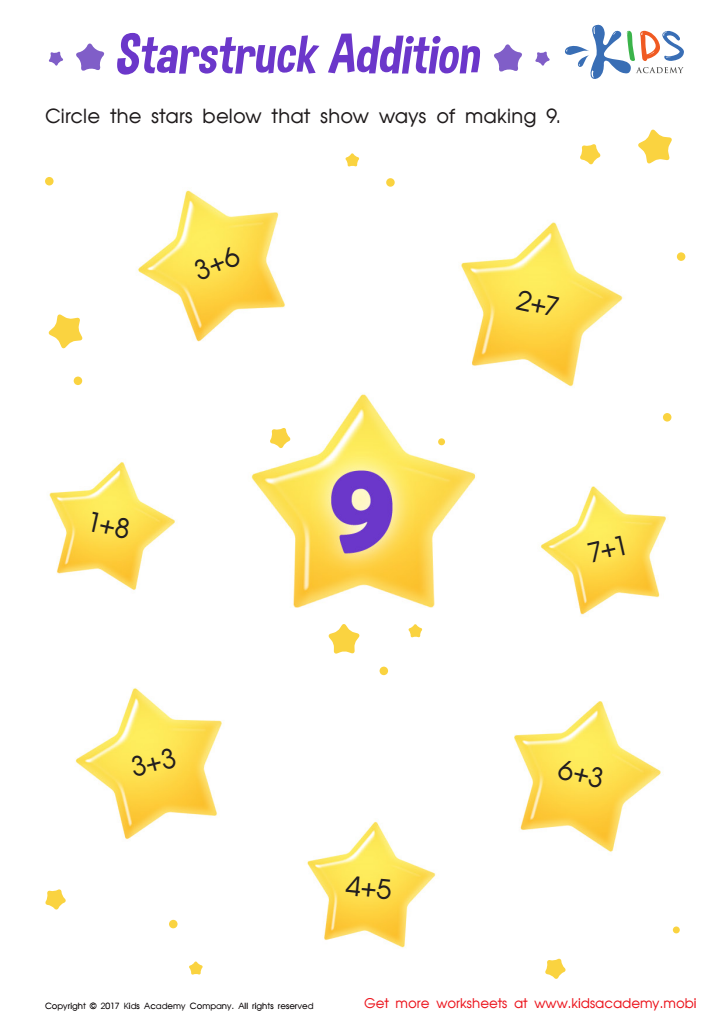
Starstruck Addition Printable
 Assign to My Students
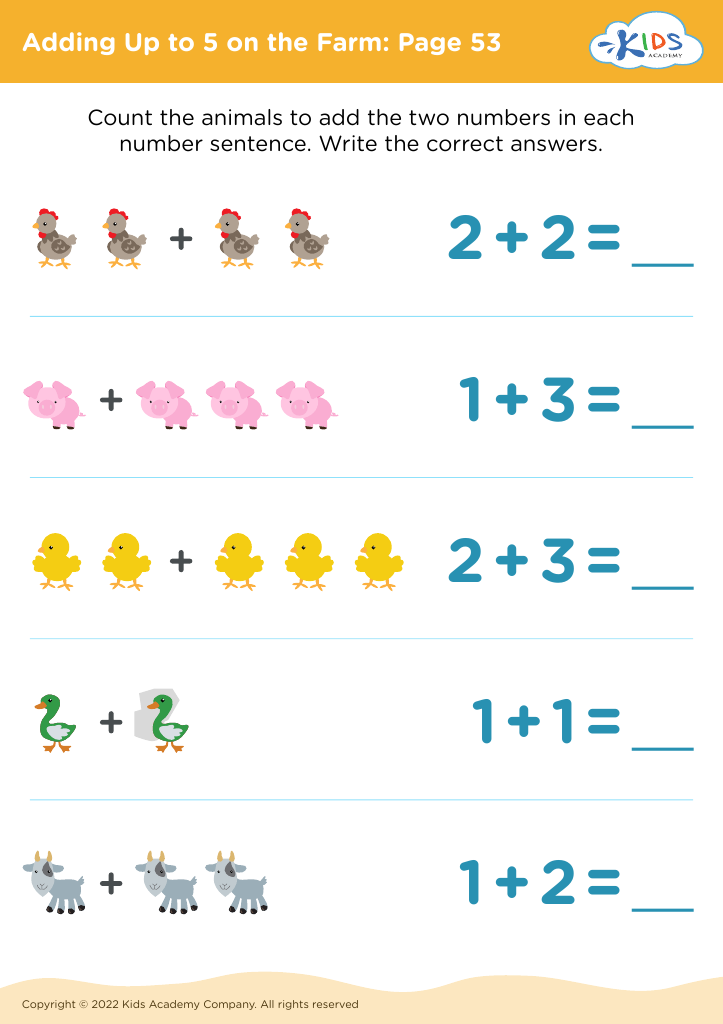
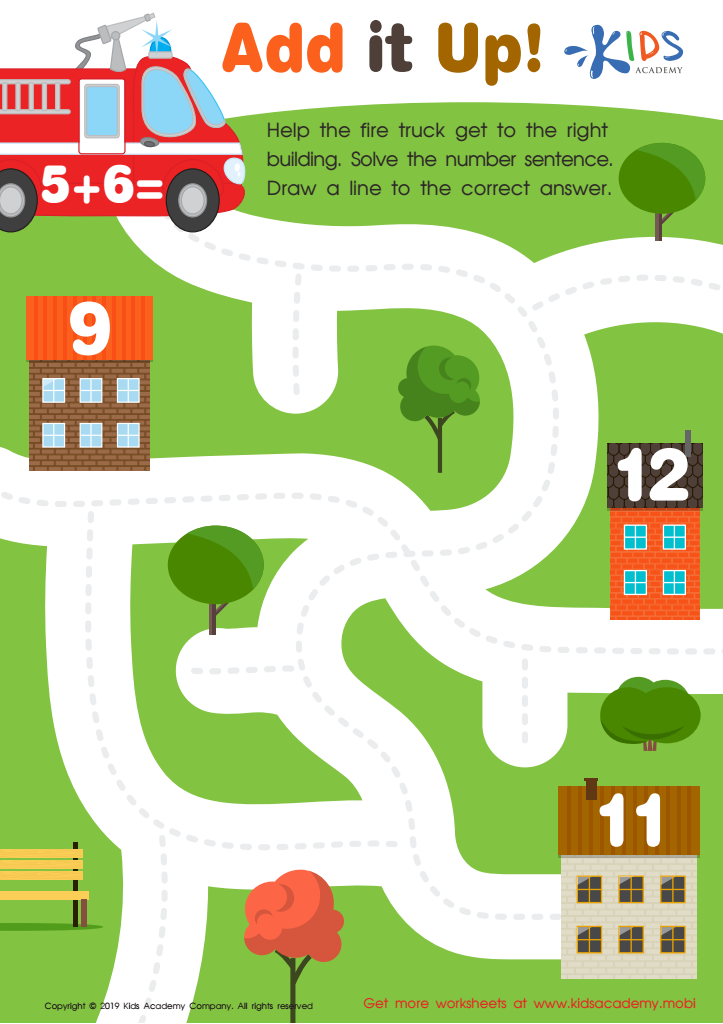
Add it Up Worksheet
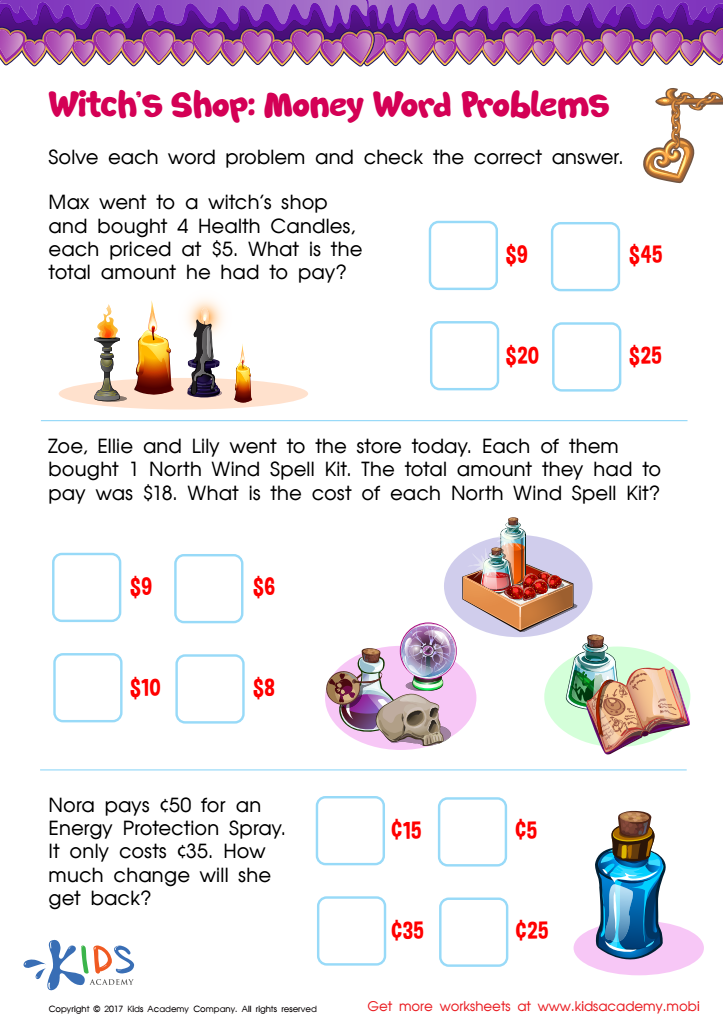
Money Word Problems Printable
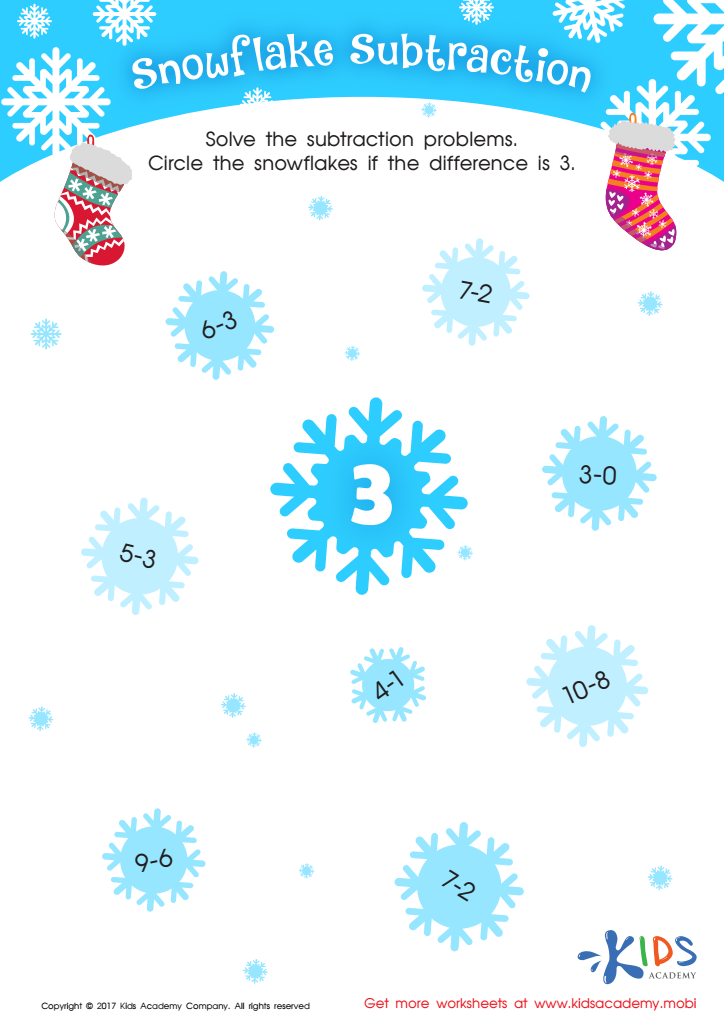
Snowflake Subtraction Worksheet
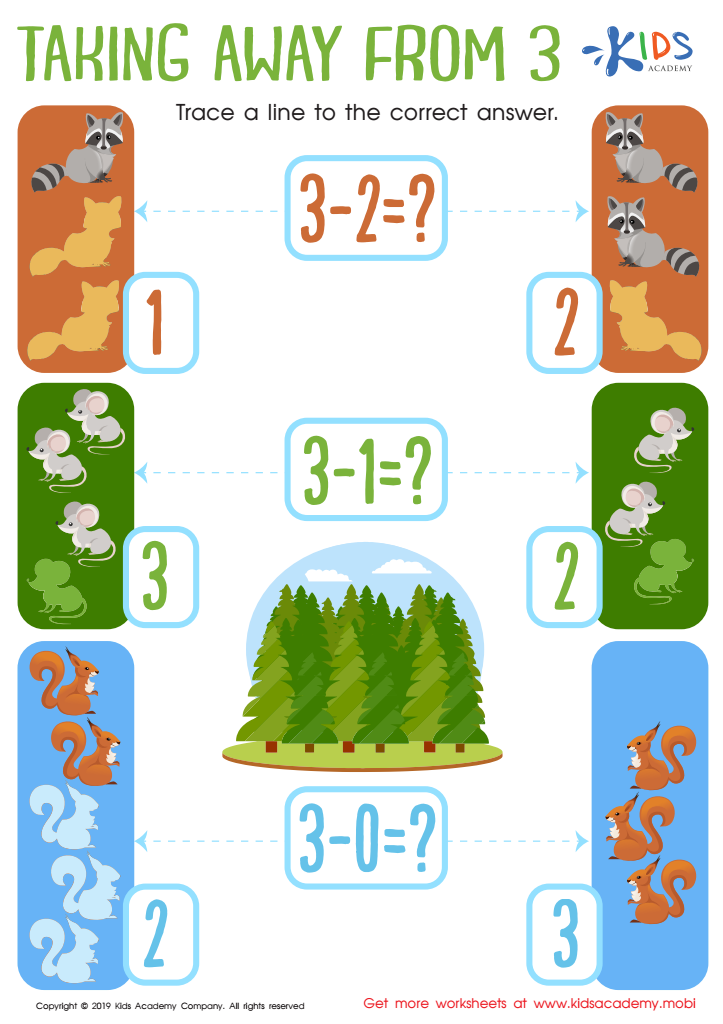
Taking Away From 3 Worksheet
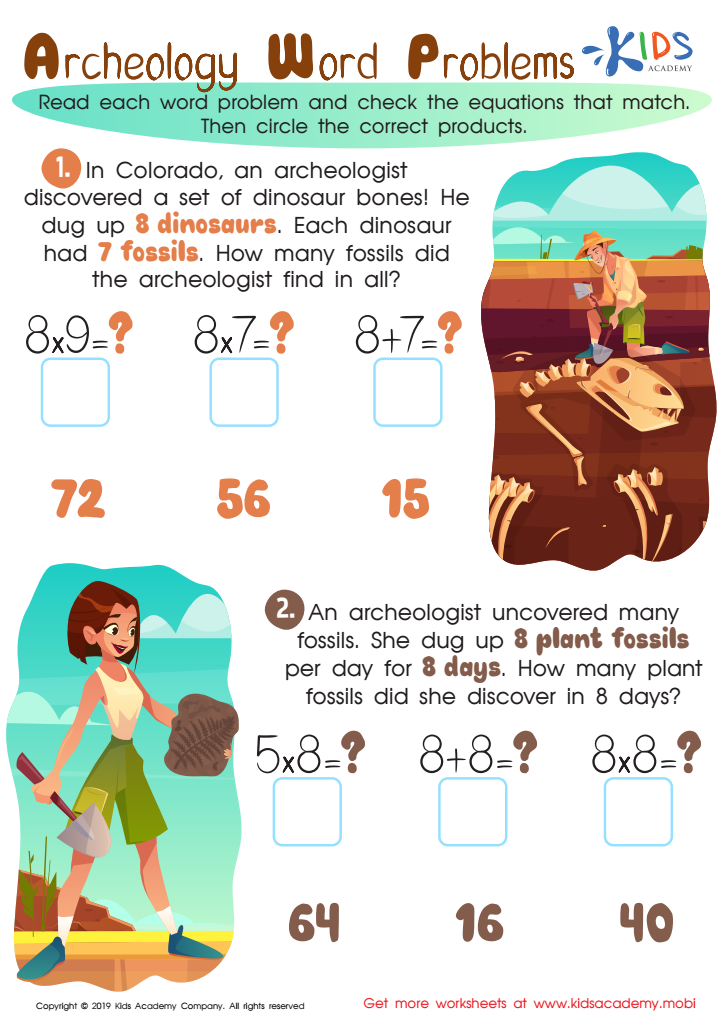
Archeology Word Problems Worksheet







Parents and teachers should prioritize math problem-solving for children ages 3-5 because it lays the foundation for critical skills essential in later education and everyday life. Early math development enhances cognitive abilities, promotes logical thinking, and fosters problem-solving skills. During these formative years, children are naturally curious and eager to learn, making it an ideal time to introduce mathematical concepts.
Engaging young children in math problem-solving activities encourages them to explore patterns, quantify objects, and understand relationships between numbers. These experiences help build their confidence and resilience in tackling challenges. Additionally, involving parents in math-related play at home strengthens the connection between learning and real-world application, providing opportunities for children to relate math to everyday experiences, such as counting fruits at the grocery store or measuring ingredients for a fun recipe.
Moreover, foundational math skills promote future academic success, as research indicates that a strong early math background correlates with better performance in later grades. By actively engaging in math problem-solving activities, parents and teachers can foster a positive attitude towards math, ensuring children become proficient, enthusiastic learners in the subject. Thus, understanding early math skills development can significantly contribute to a child’s overall holistic growth.








