Nature appreciation Math Worksheets for Ages 3-5
5 filtered results
-
From - To
Discover the wonders of nature through our "Nature Appreciation Math Worksheets" designed for ages 3-5! These engaging worksheets introduce young learners to fundamental math concepts while fostering a love for the natural world. Featuring colorful imagery and nature-themed activities, children will enjoy counting leaves, sorting animals, and exploring shapes found in nature. Each worksheet promotes foundational skills like counting, addition, and comparisons in a playful, interactive way. Perfect for home or classroom use, these materials ensure early learners develop essential math skills while nurturing their appreciation for the environment. Spark curiosity and creativity as you journey through math and nature together!
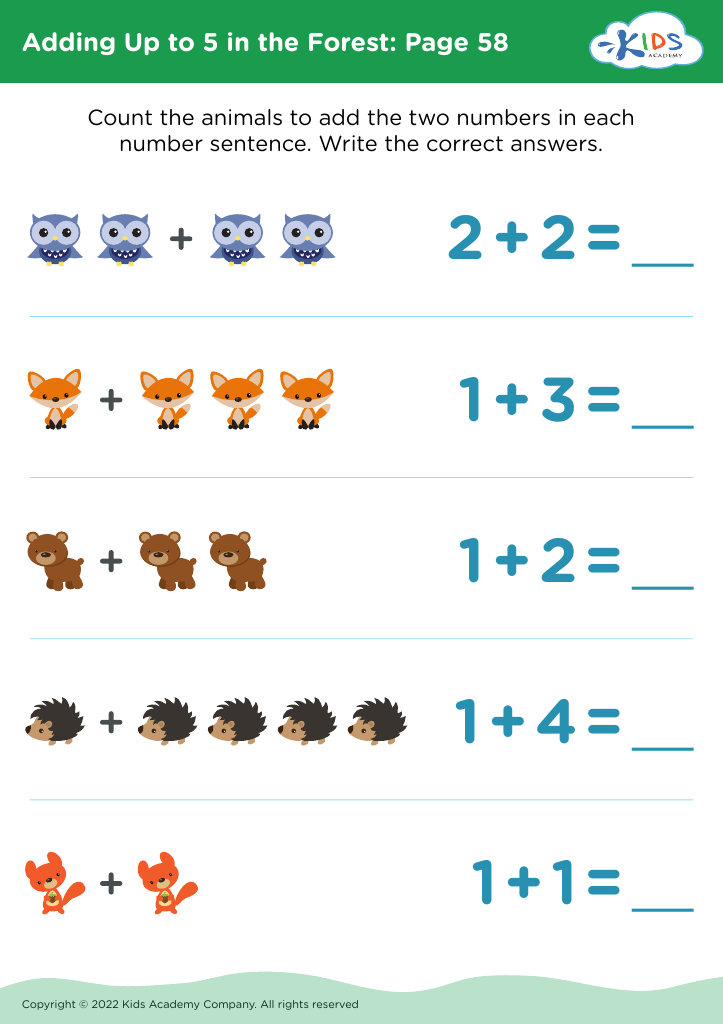
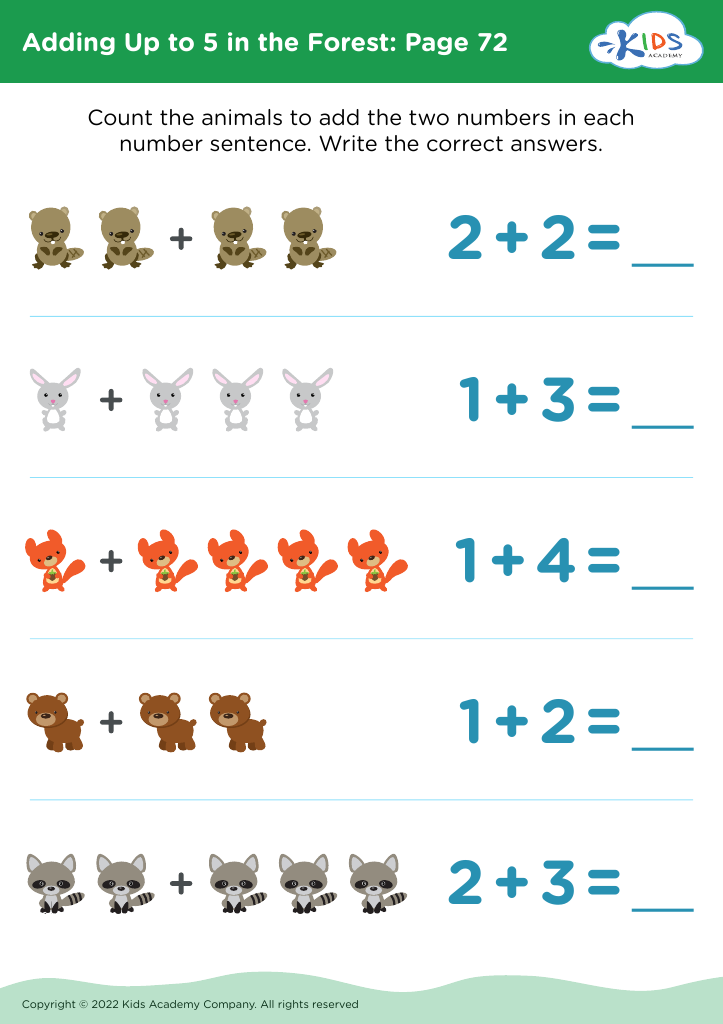
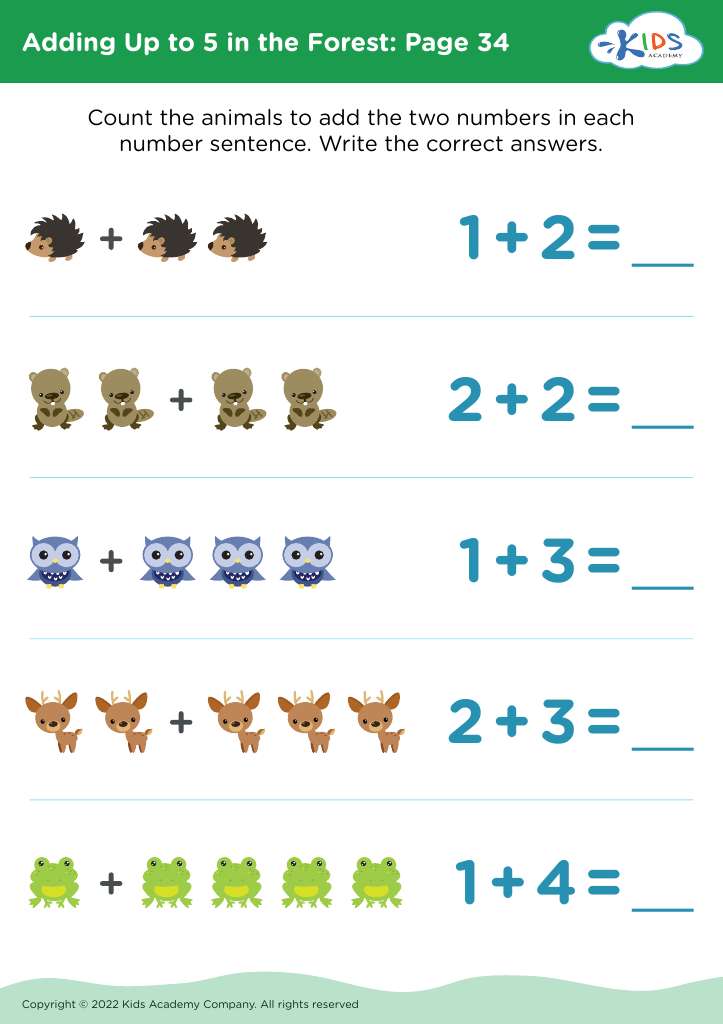
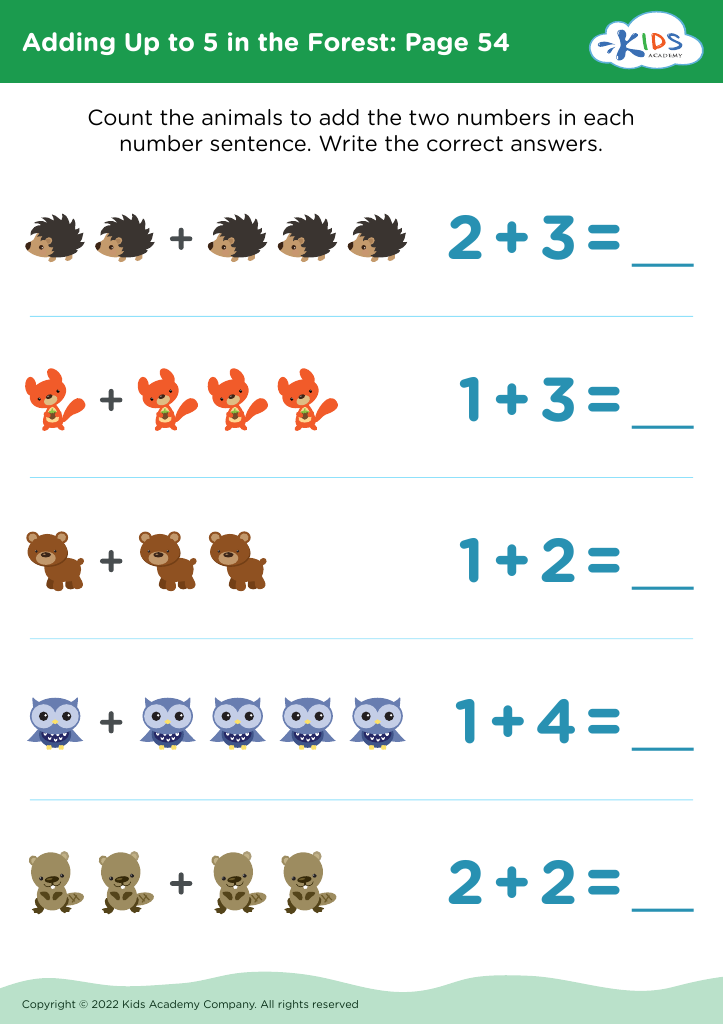
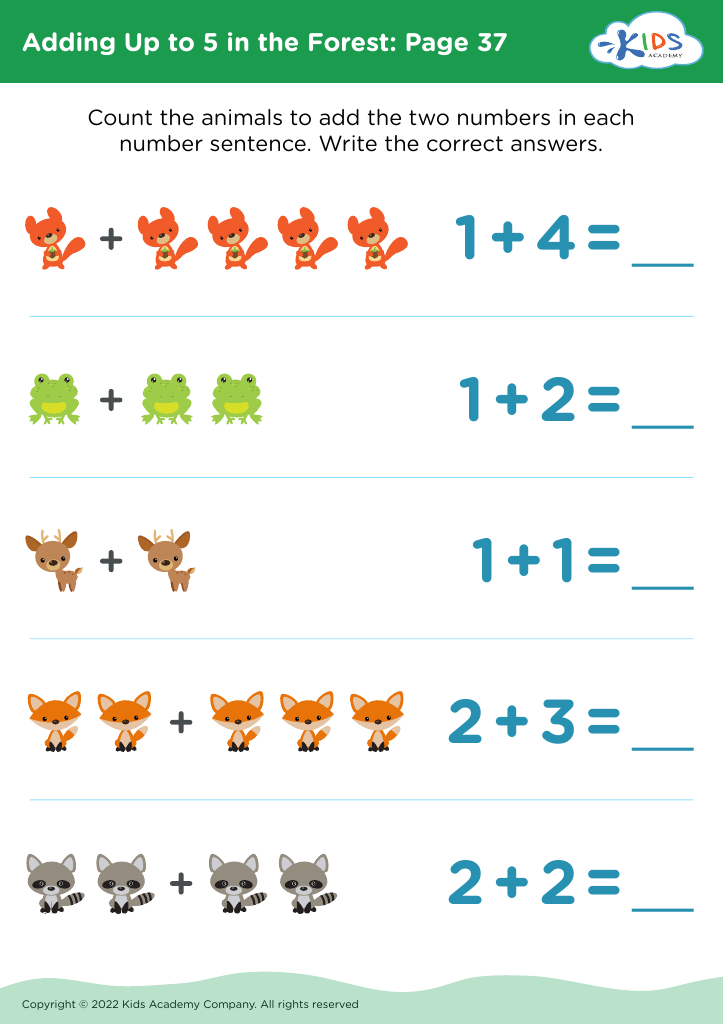





Nature Appreciation Math for ages 3-5 is essential as it merges early math concepts with the natural world, enhancing children's holistic development. Engaging young learners with math through nature fosters curiosity and a love for the environment. These early interactions promote critical thinking and problem-solving skills by allowing children to explore concepts such as counting, measurement, and patterns in a relatable context.
Additionally, nature serves as a rich sensory environment that can significantly enhance cognitive, social, and emotional growth. For instance, counting leaves, measuring twigs, or recognizing shapes in flowers are activities that make math tangible and relevant. By learning these foundational math skills in nature, children are likely to develop stronger connections to both mathematics and the natural world.
Furthermore, this approach instills environmental awareness and stewardship from an early age, encouraging children to care for their surroundings as they grow. It cultivates appreciation and respect for nature, traits essential for fostering responsible citizenship in the future. Ultimately, Nature Appreciation Math supports teachers and parents in nurturing well-rounded, environmentally-conscious learners equipped with essential math skills while enjoying the great outdoors.








