Observation skills Math Worksheets for Ages 3-5
3 filtered results
-
From - To
Enhance your child's observation skills with our engaging Math Worksheets, designed specifically for ages 3-5. These interactive worksheets provide a fun way for young learners to explore shapes, colors, patterns, and relationships while developing critical thinking. Each activity promotes essential observation skills, helping children connect math concepts to the world around them. Perfect for home or classroom use, our resources encourage problem-solving and concentration in a playful setting. Foster a love for learning as kids refine their attention to detail and visual discrimination. Explore our collection and support your child's mathematical journey today!
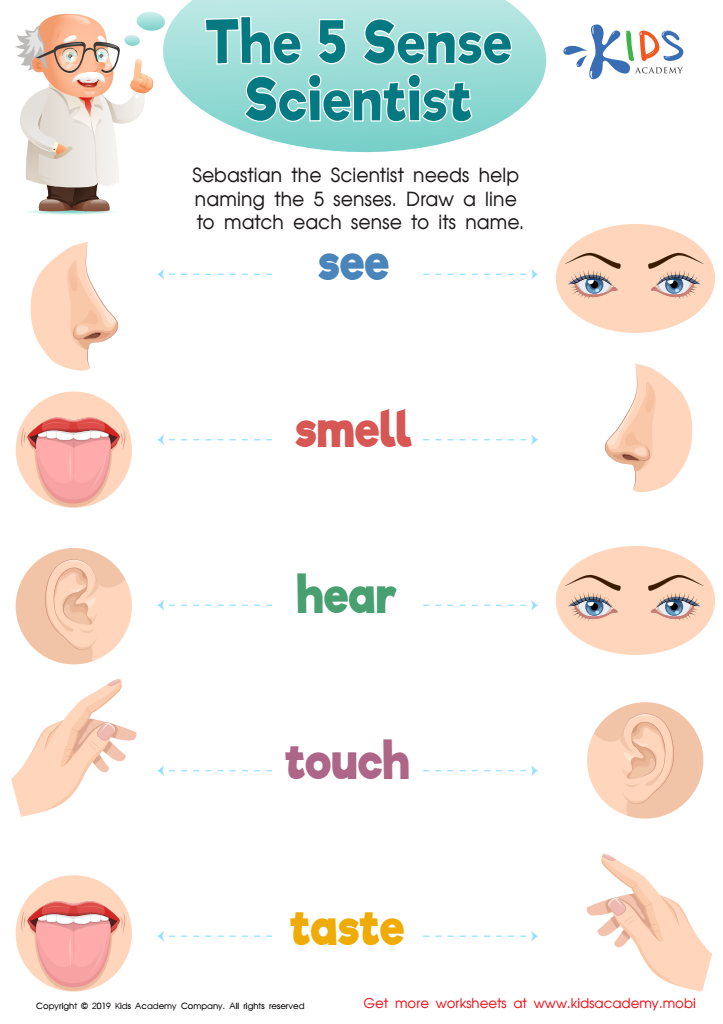
The 5 Sense Scientist Worksheet
 Assign to My Students
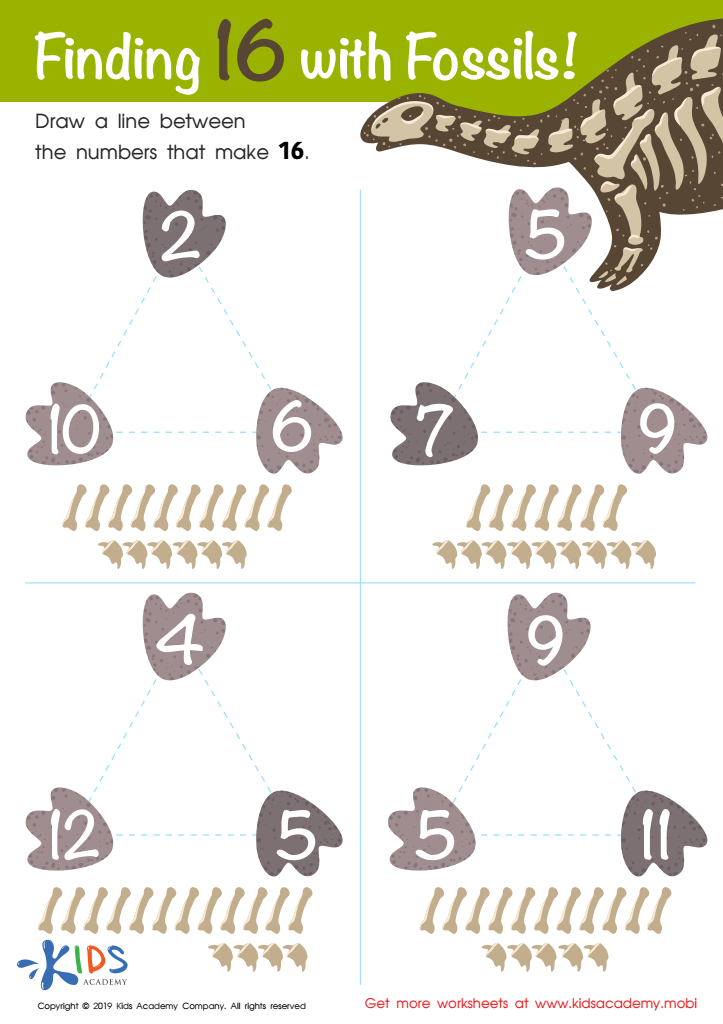
Finding 16 With Fossils Worksheet
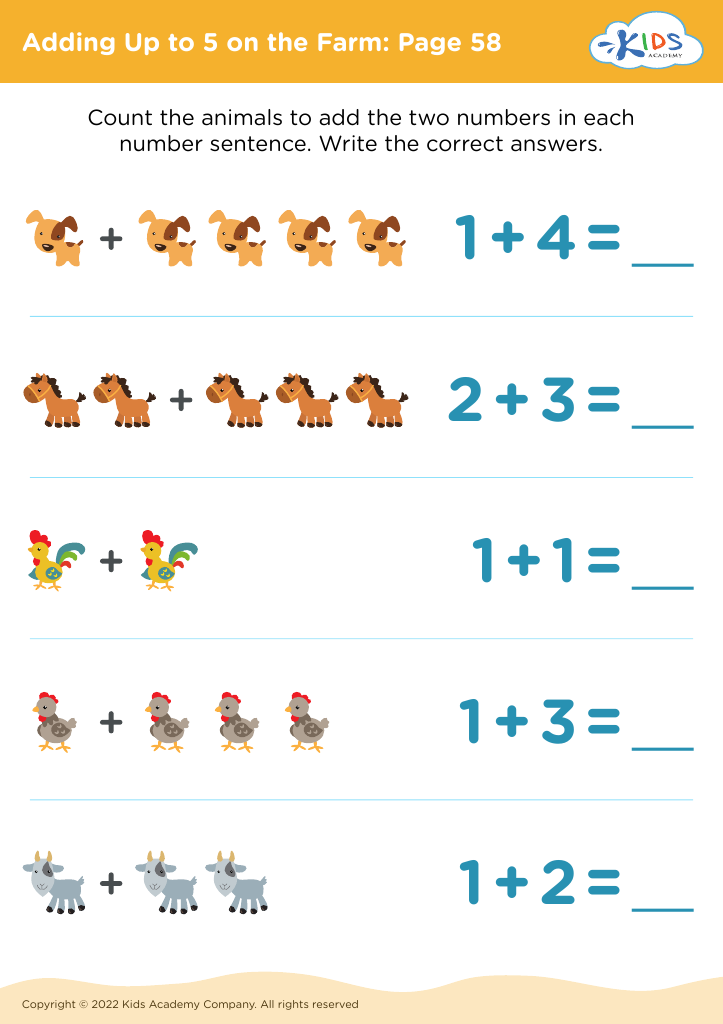








Observation skills in young children, particularly in the context of math, play a crucial role in their overall cognitive development and learning process. For children aged 3-5, developing these skills helps them to make sense of the world around them, as they begin to recognize patterns, shapes, numbers, and relationships in their environment.
Parents and teachers should care about fostering these observation skills for several reasons. First, early math learning is foundational; children who engage in hands-on observational activities often develop stronger critical thinking and problem-solving abilities later on. Observational activities, such as finding shapes in nature or counting objects in the classroom, encourage active engagement and exploration, fostering a love for learning.
Moreover, these skills help children gain confidence and independence. As they learn to observe and articulate their findings, they develop language and communication skills, essential for sharing their thoughts and ideas. Lastly, observation encourages curiosity and creativity, driving them to ask questions and seek answers.
Incorporating observation activities into everyday experiences makes learning more interactive and enjoyable, ultimately setting children up for success in not just math, but all areas of learning as they grow. By nurturing these skills, parents and teachers can significant positively impact a child's lifelong learning journey.








