Understanding patterns Math Worksheets for Ages 3-5
7 filtered results
-
From - To
Discover our "Understanding Patterns Math Worksheets for Ages 3-5," designed to spark your child's love for math! These engaging worksheets help early learners recognize, create, and predict patterns, fundamental skills for developing critical thinking and problem-solving abilities. Children will enjoy a variety of fun activities, featuring colorful shapes, numbers, and everyday objects, encouraging hands-on learning. Perfect for at-home practice or classroom use, our worksheets are tailored to suit young minds, fostering confidence and curiosity in math. Prepare your child for future mathematical success with these interactive and educational pattern worksheets!
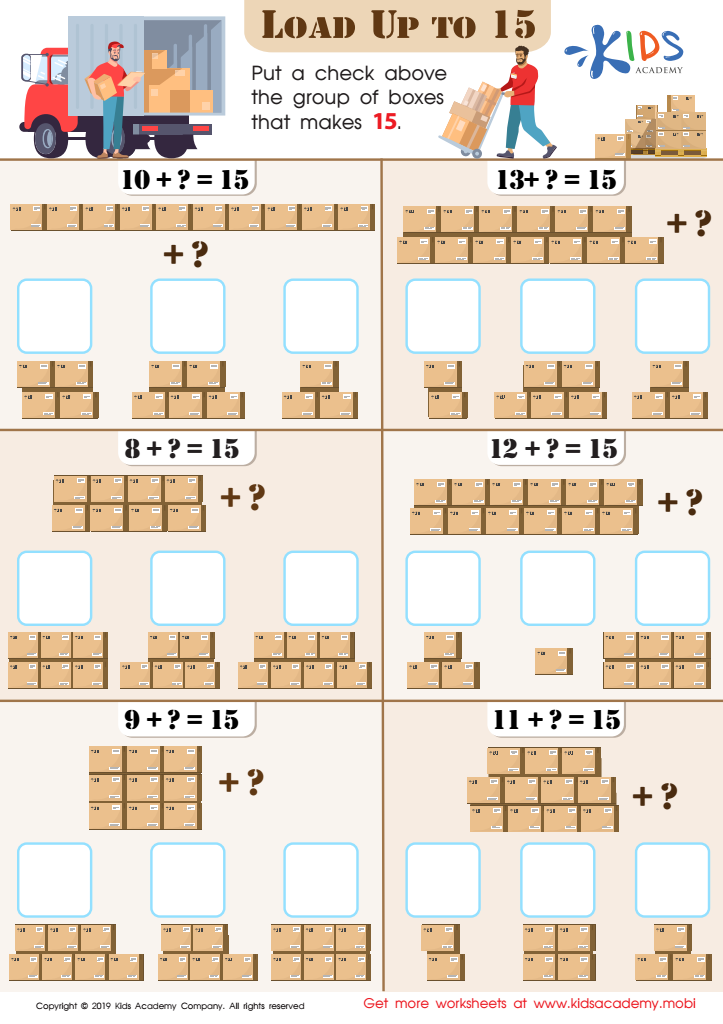
Load up to 15 Worksheet
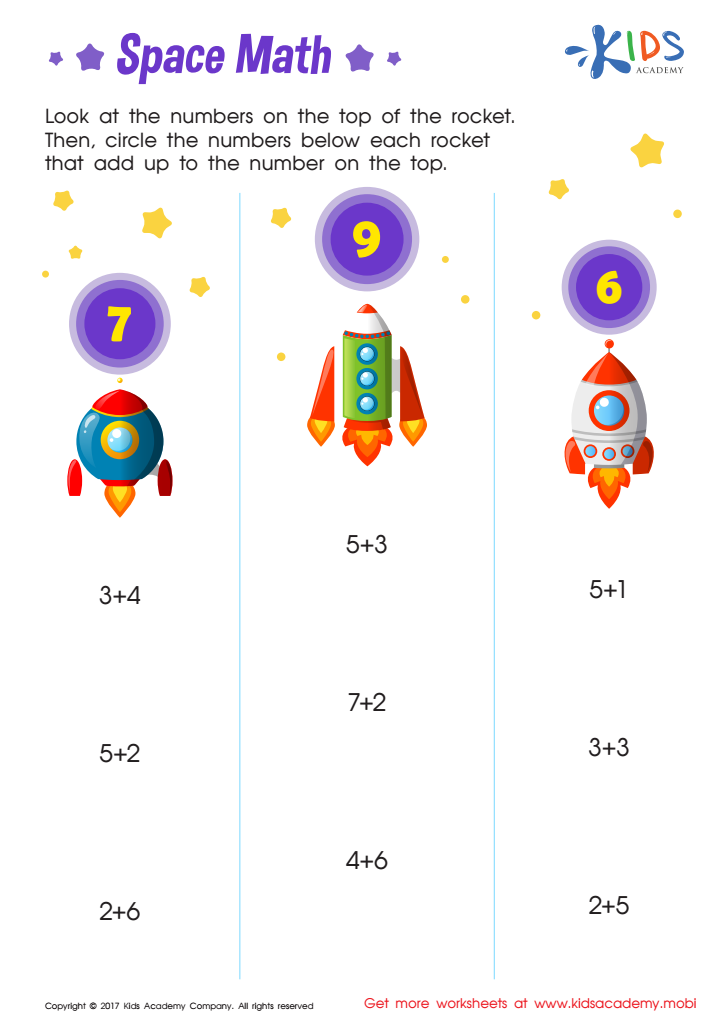
Addition: Space Math Worksheet
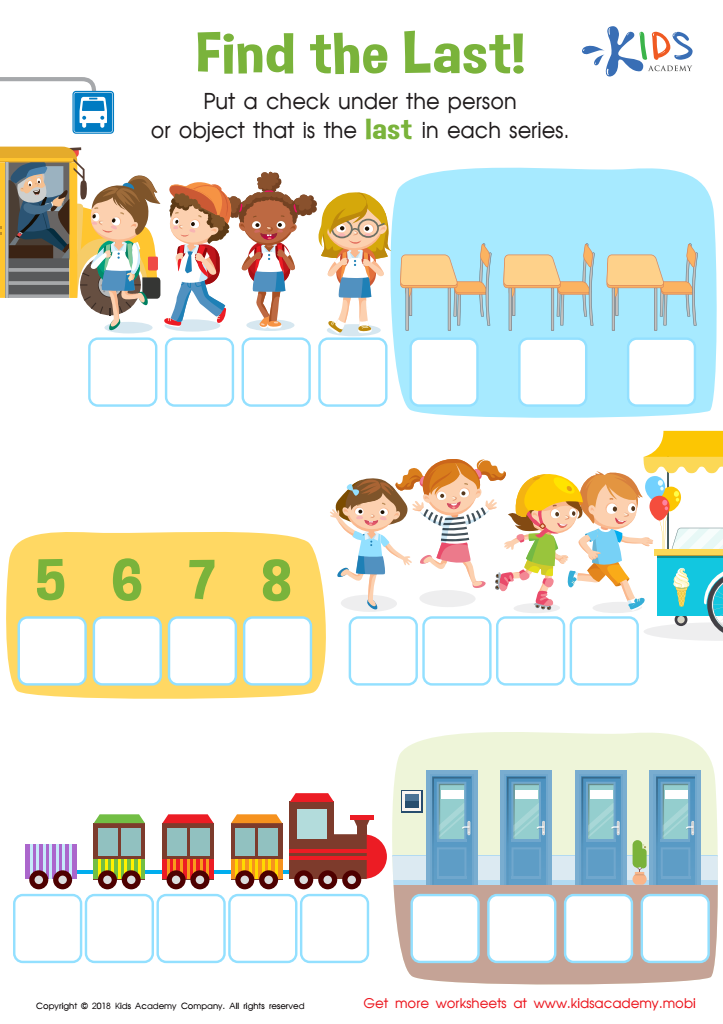
Find the Last! Worksheet
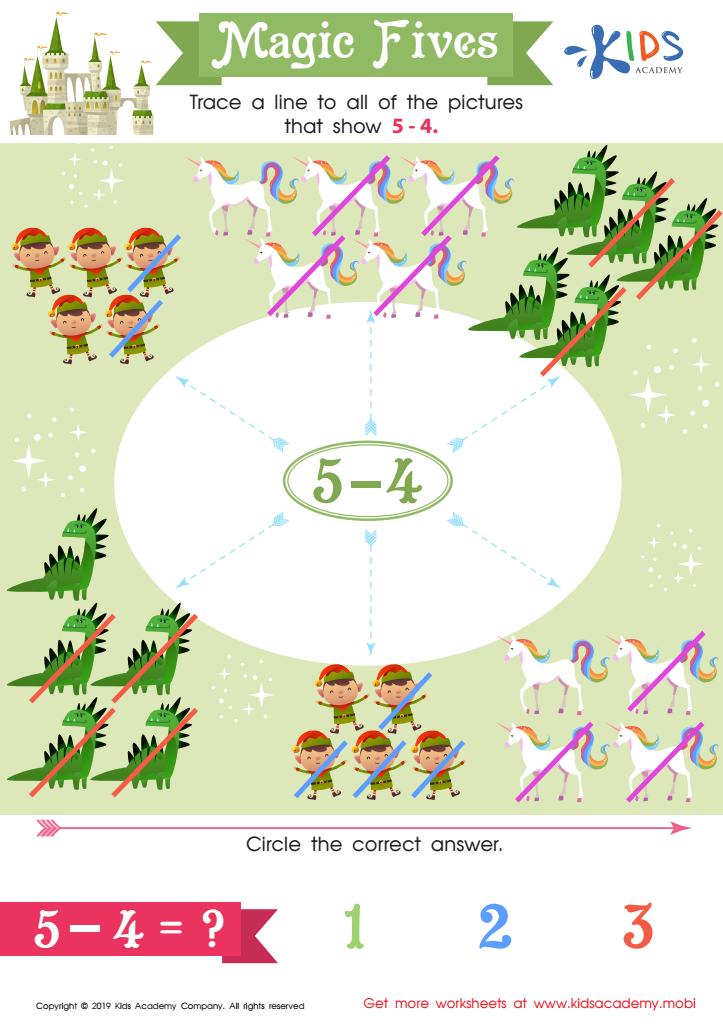
Magic Fives Worksheet
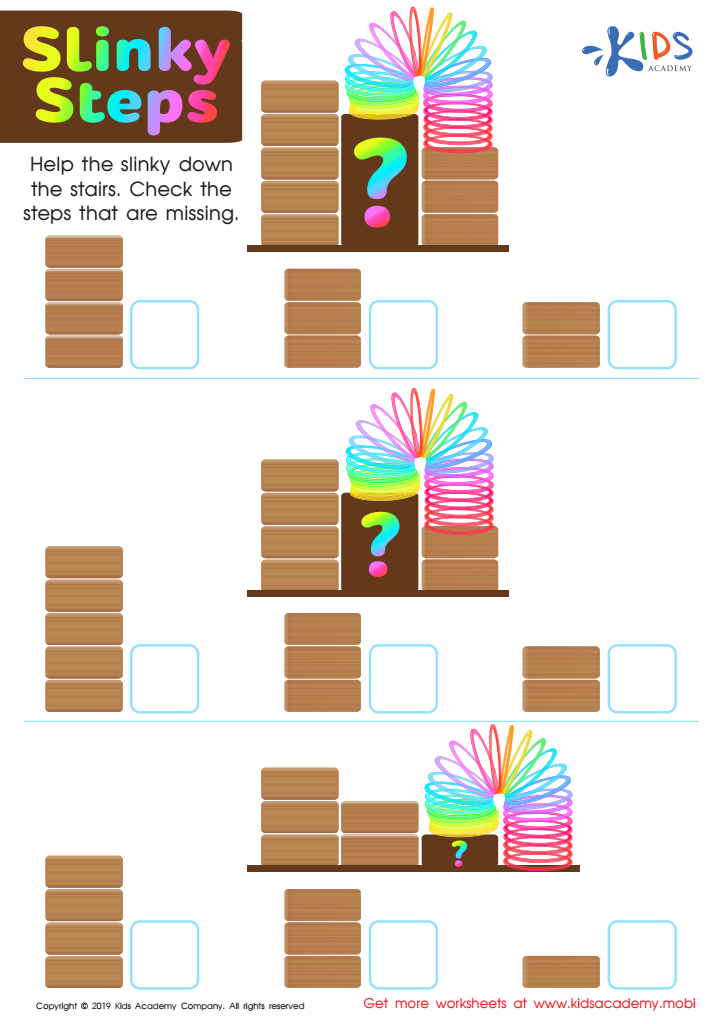
Slinky Steps Worksheet
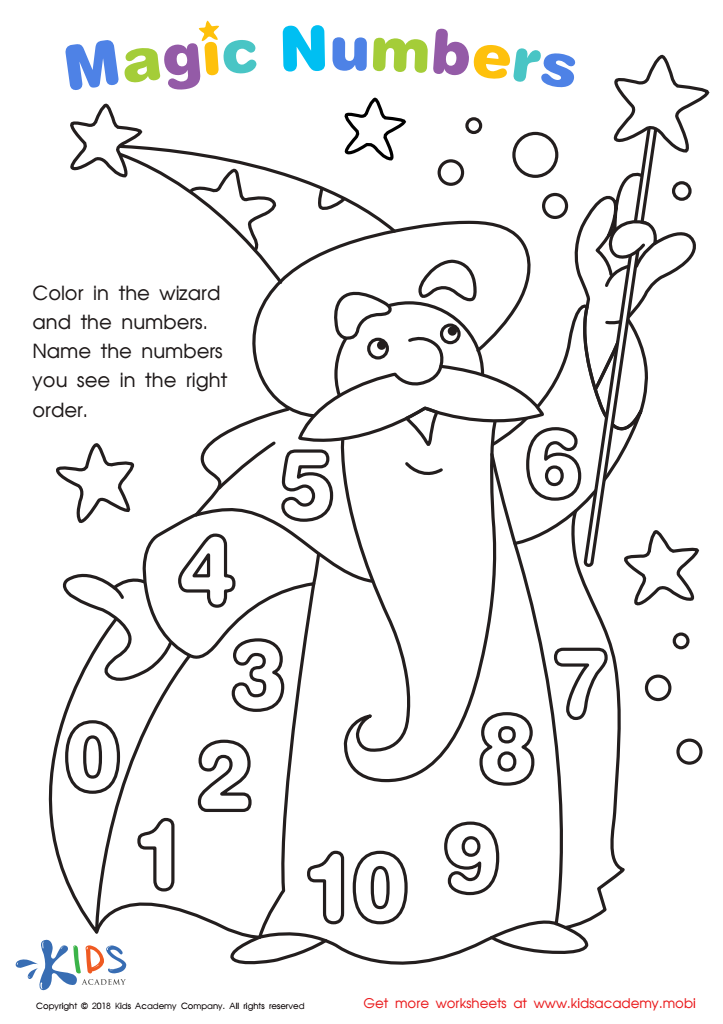
Magic Numbers Worksheet
 Assign to My Students
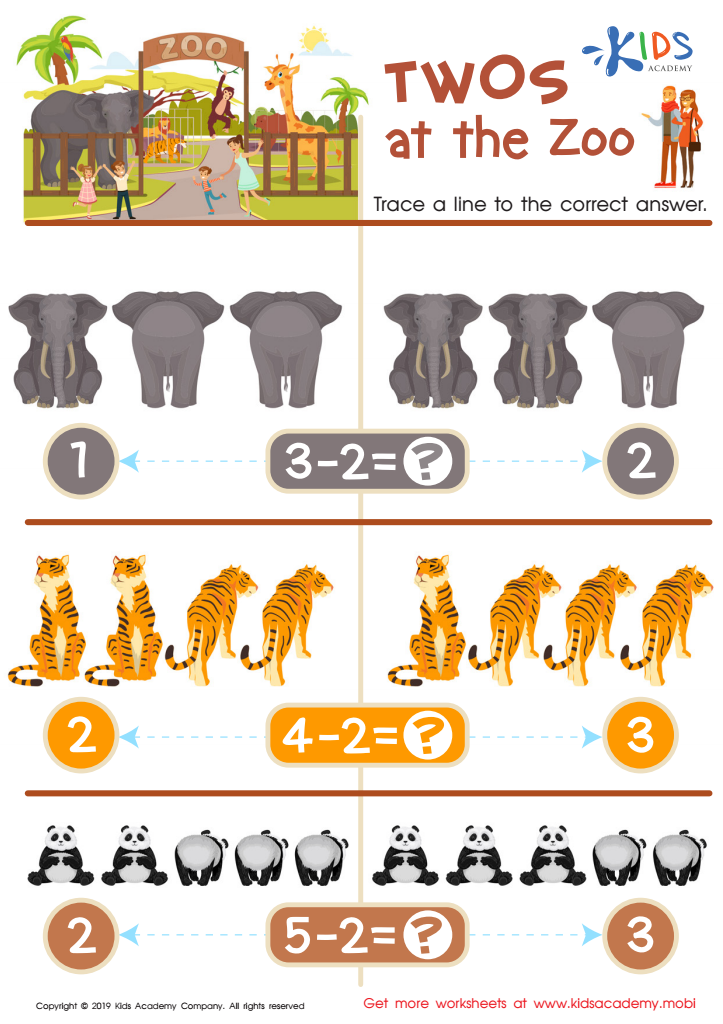
Twos at the Zoo Worksheet






.jpg)

Understanding patterns in math for children aged 3-5 is foundational for their cognitive development and future academic success, making it a critical area for parents and teachers to focus on. At this early age, recognizing and creating patterns nurtures essential skills such as logical thinking, problem-solving, and the ability to make predictions. These skills are vital as they form the basis for more complex mathematical concepts later on, such as algebra, geometry, and data analysis.
For example, when children identify and apply patterns, they learn about sequencing and order, which are just as crucial in literacy and language. Understanding the rhythm in a pattern can relate to decoding the rhythm in a sentence or understanding a story's sequence. Patterns also enhance visual and auditory discrimination, which are key for letter recognition and phonemic awareness in reading.
Moreover, engaging young children with patterns can foster a sense of curiosity and a love for learning. Activities that involve patterns often incorporate play and hands-on learning, keeping children engaged and encouraging exploration. This curiosity-driven learning boosts their confidence and supports their social-emotional development by encouraging persistence, attention to detail, and an appreciation for consistency.
Therefore, introducing patterns through games, songs, and hands-on activities is pivotal, helping set a strong, adaptable foundation for lifelong learning in various subjects.








