Visual discrimination Math Worksheets for Ages 3-5
13 filtered results
-
From - To
Enhance your child's mathematical abilities with our Visual Discrimination Math Worksheets for Ages 3-5. Carefully designed to improve visual learning skills, these printable worksheets help young learners identify and differentiate shapes, patterns, and sizes while introducing them to essential math concepts. Engaging and interactive, each worksheet features vibrant illustrations and fun exercises tailored specifically for preschoolers. By practicing visual discrimination, children not only build a solid math foundation but also boost crucial cognitive abilities like attention to detail and problem-solving. Download these resources today from Kids Academy, and start your child's educational journey with confidence and excitement!
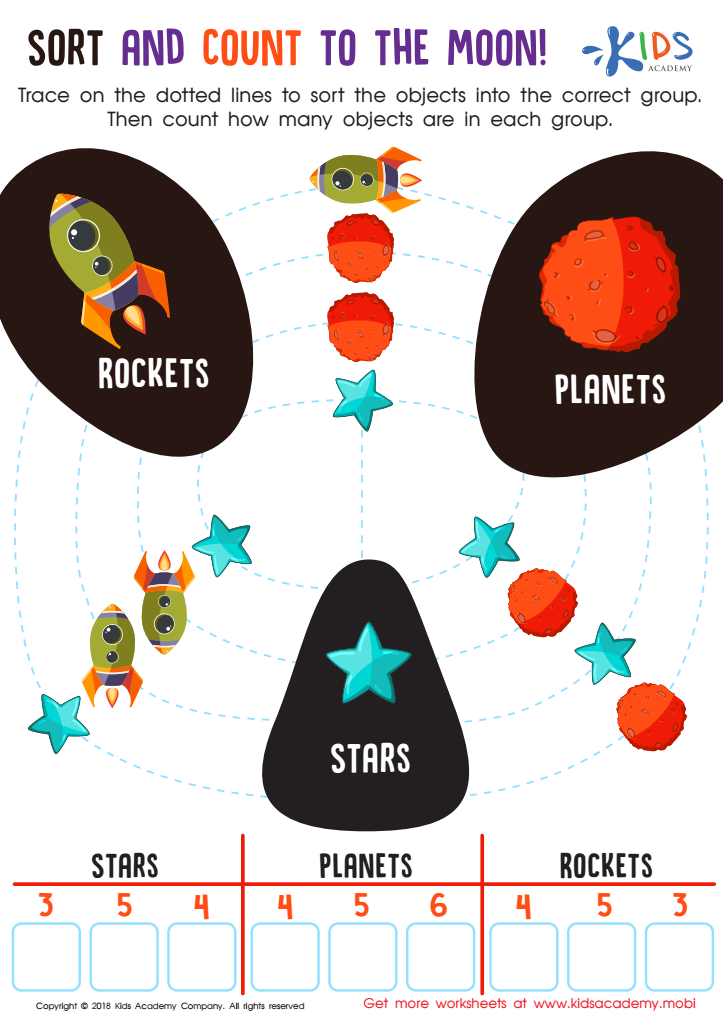
Sort and Count to the Moon Worksheet
 Assign to My Students
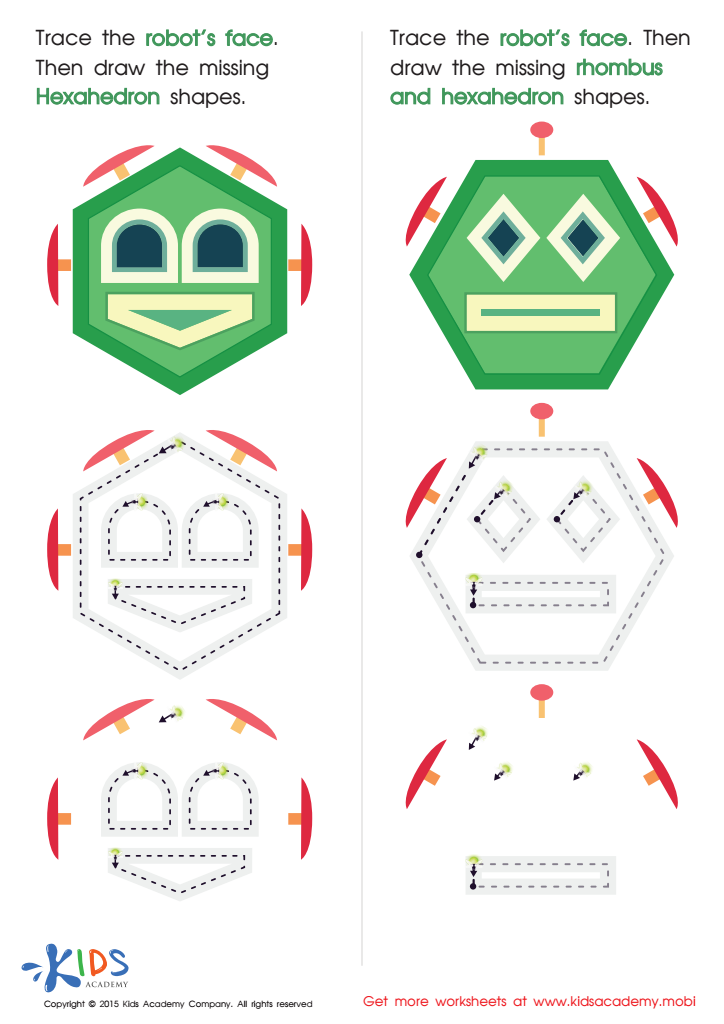
Practice Drawing Hexahedrons And a Rhombus Worksheet
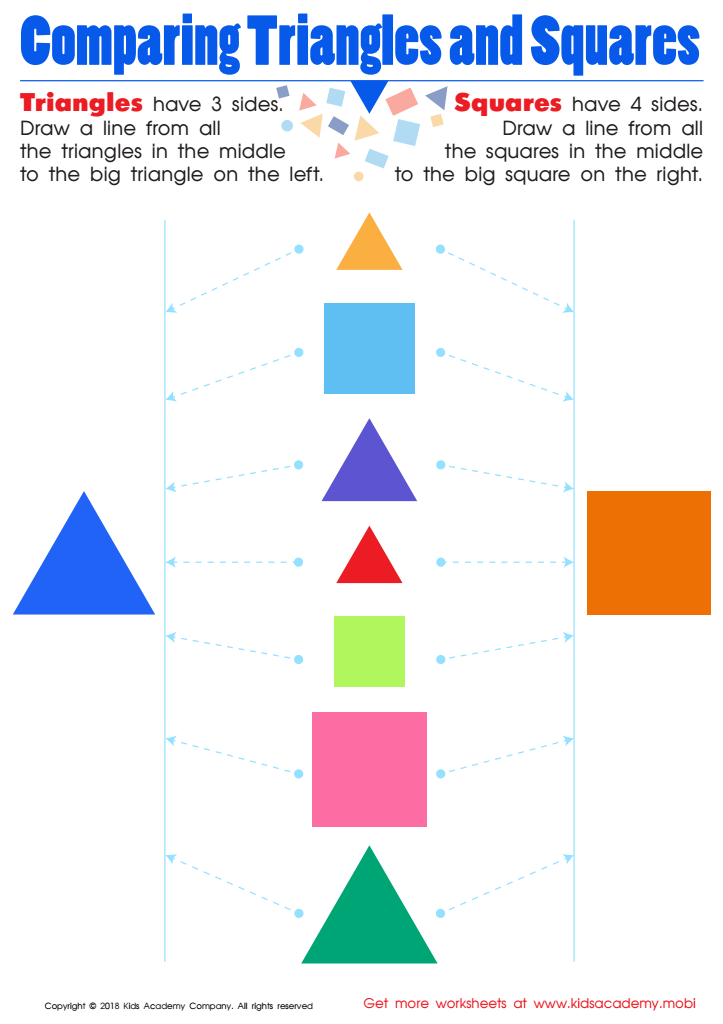
Comparing Triangles Squares Worksheet
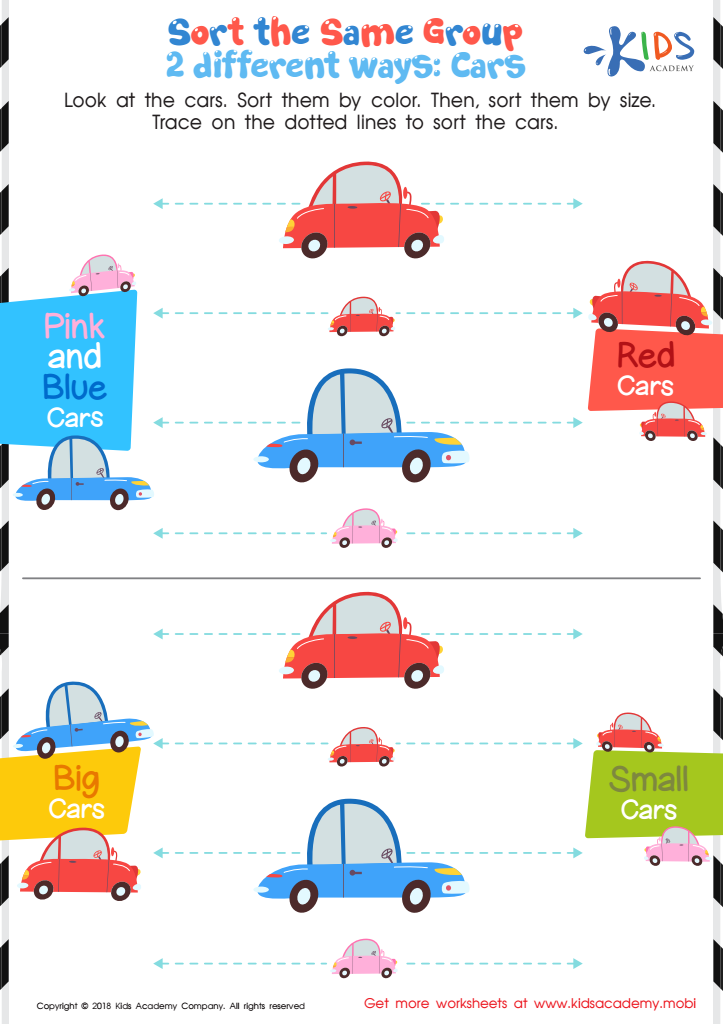
Sort the Same Group 2 Different Ways: Cars Worksheet
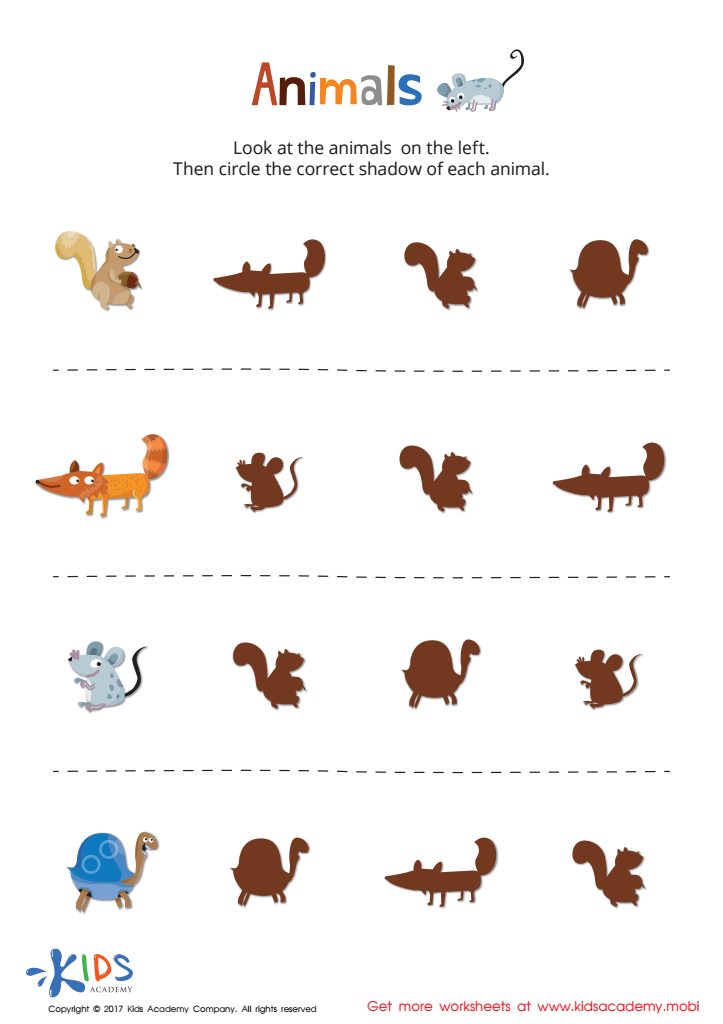
Animal Shadows Sorting Worksheet
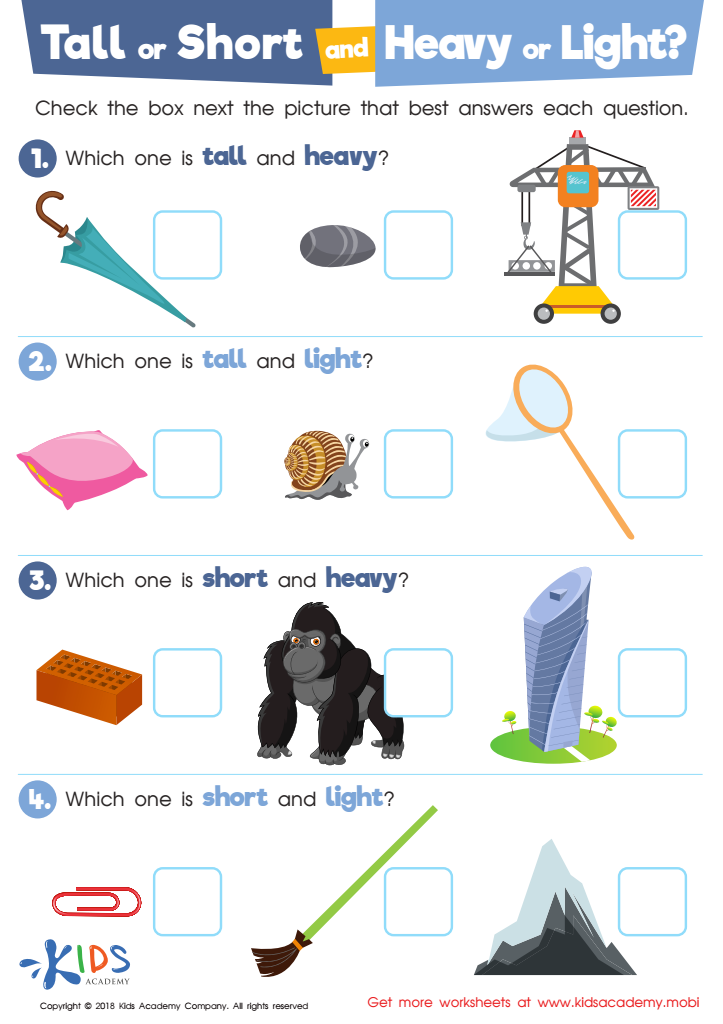
Tall or Short and Heavy or Light? Worksheet
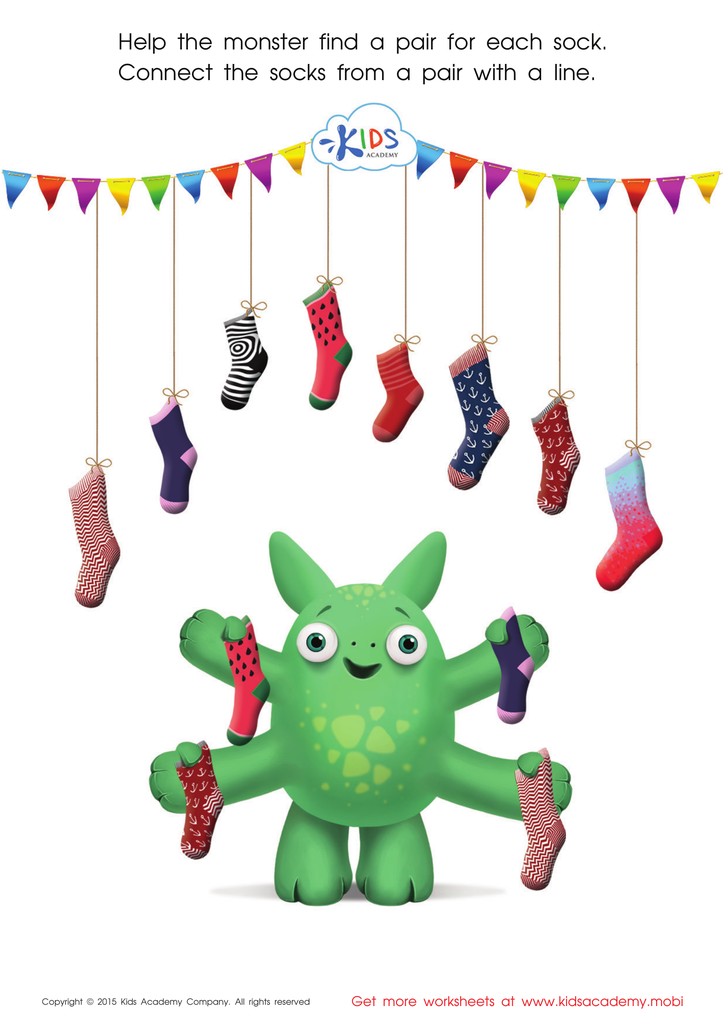
Math Matching Game: Monsterв's Socks Worksheet
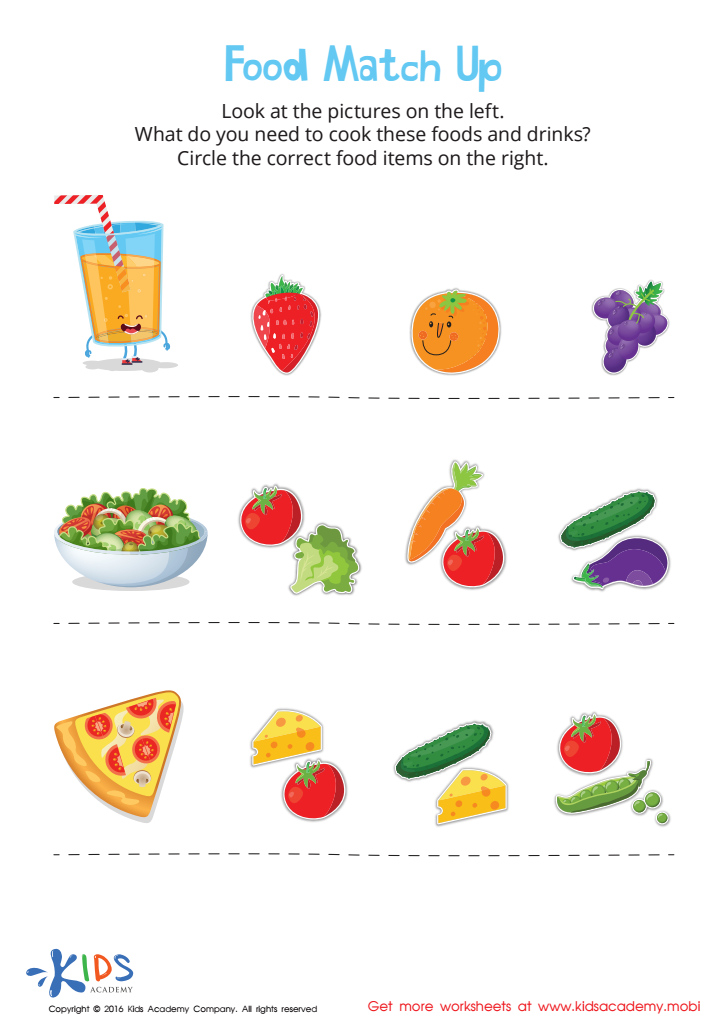
Food Match Up Worksheet
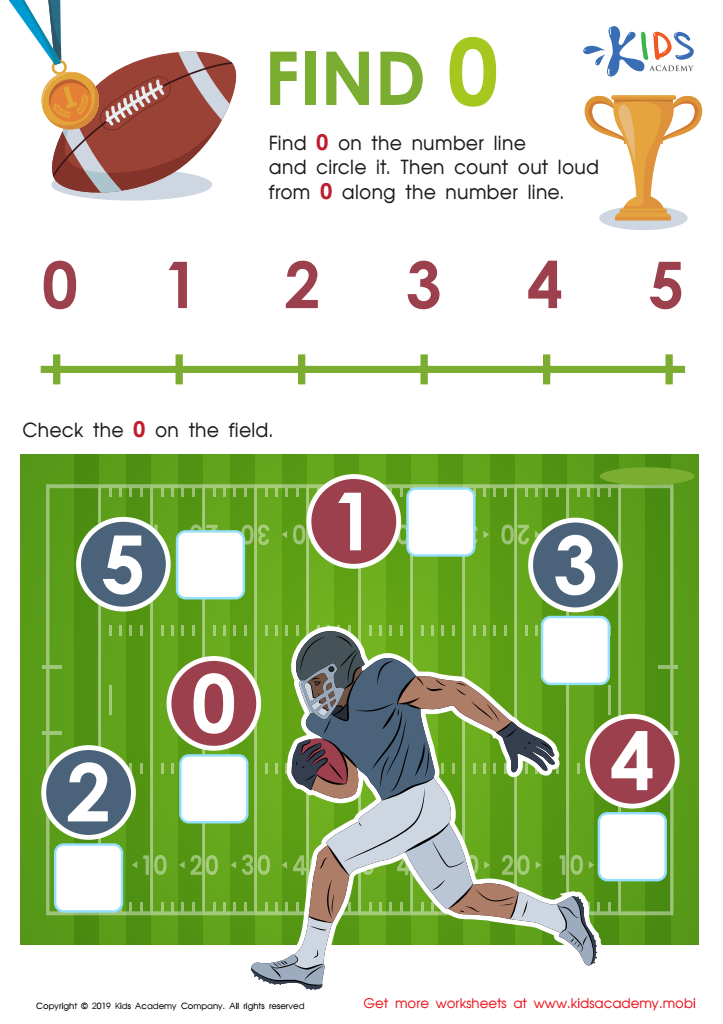
Find 0 Worksheet
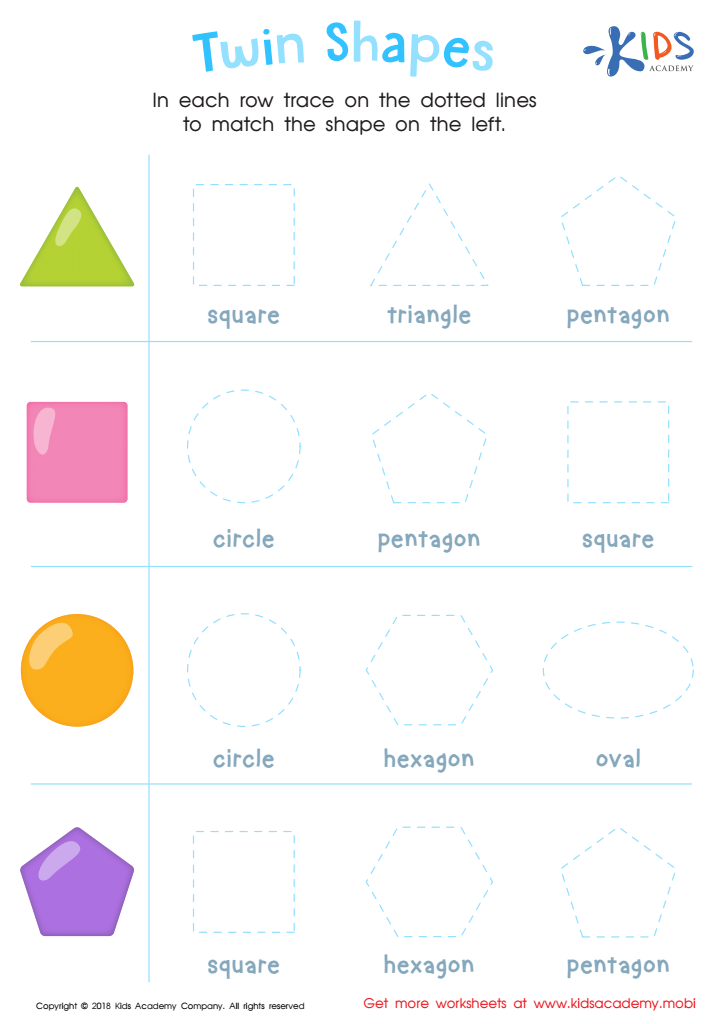
Twin Shapes Dot-to-Dot Worksheet
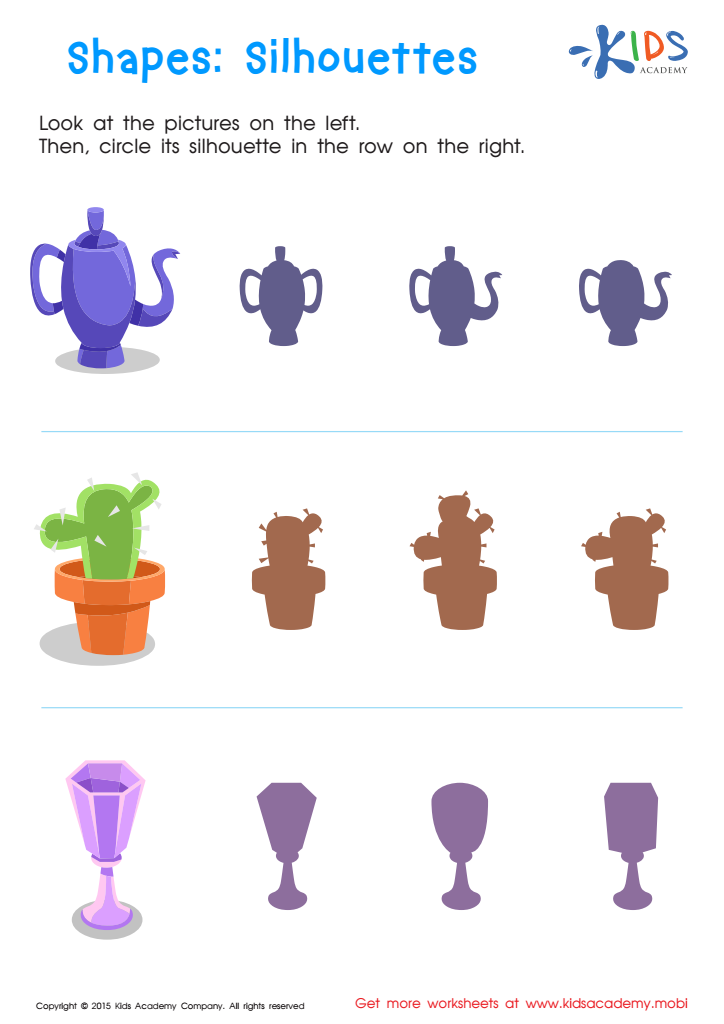
Silhouettes – Shapes Worksheet







Visual discrimination is the ability to see differences and similarities in shapes, patterns, and objects. For children aged 3-5, developing this skill is particularly vital in fostering early math abilities. When parents and teachers emphasize visual discrimination, they help children develop foundational skills essential for mathematical learning and beyond.
First, visual discrimination helps children recognize numbers and differentiate between them, which is fundamental for counting and basic arithmetic. Being able to see that ‘3’ is different from ‘8’ helps children understand quantity and value differences. This skill also fosters pattern recognition, an essential component for understanding sequences, categorization, and problem-solving in mathematics.
Additionally, visual discrimination aids in the development of geometry skills. Recognizing shapes and understanding their properties and spatial relationships is a big part of early math education. Activities like sorting blocks or identifying differences between shapes can sharpen a child's visual discrimination ability.
Lastly, visual discrimination not only supports math skills but also enhances overall cognitive development. As children learn to notice details, they improve their attention to detail and observation skills, which are beneficial in literacy and other learning areas.
By focusing on visual discrimination, parents and teachers are providing children with the tools they need to succeed not just in math, but in several crucial developmental areas.








