Check out this FREE Trial Lesson on Math for age 3-5!

Sorting Objects into 3 Categories

Favorites
With answer key
Interactive
  • 3-5
  • Visual Learning
  • Math
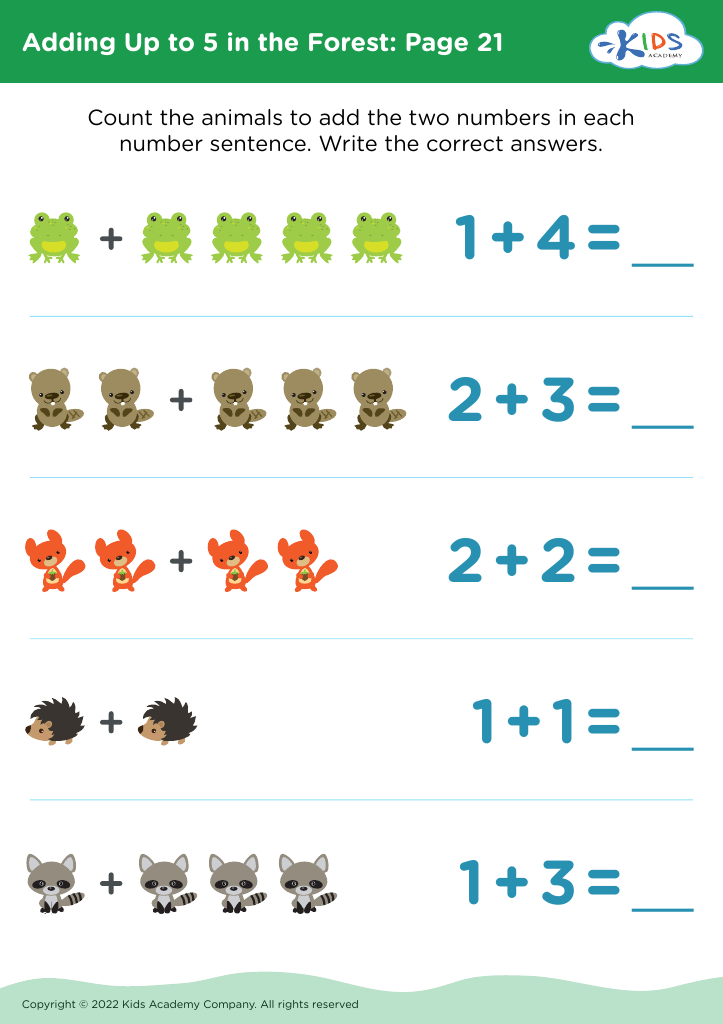
Adding Up to 5 in the Forest: Page 21
Worksheet
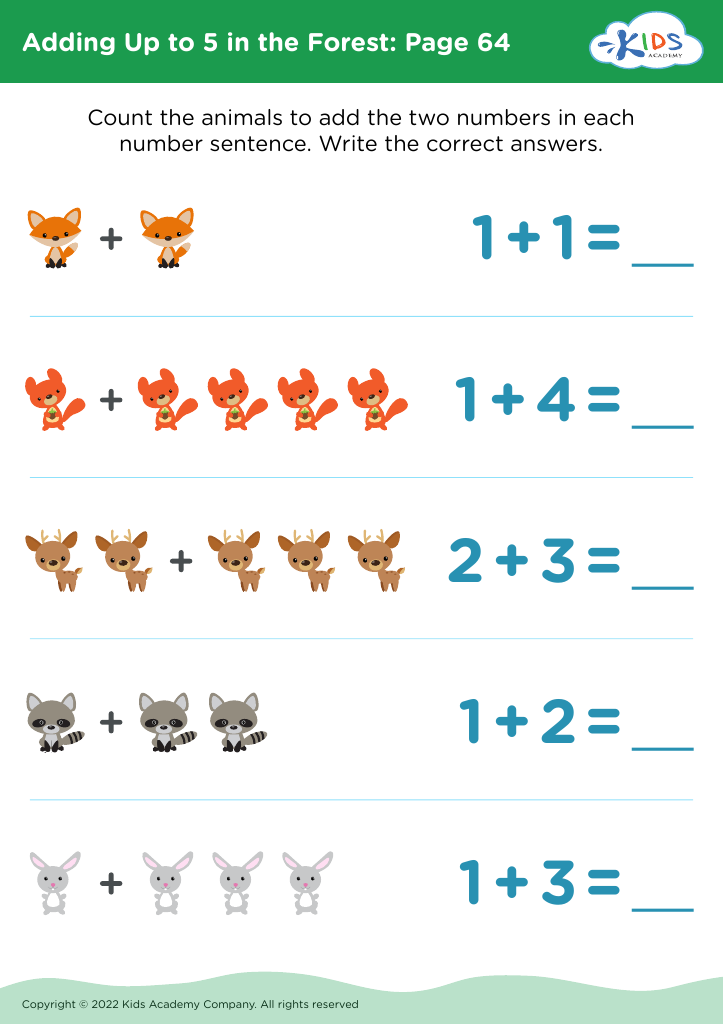
Adding Up to 5 in the Forest: Page 64
Worksheet
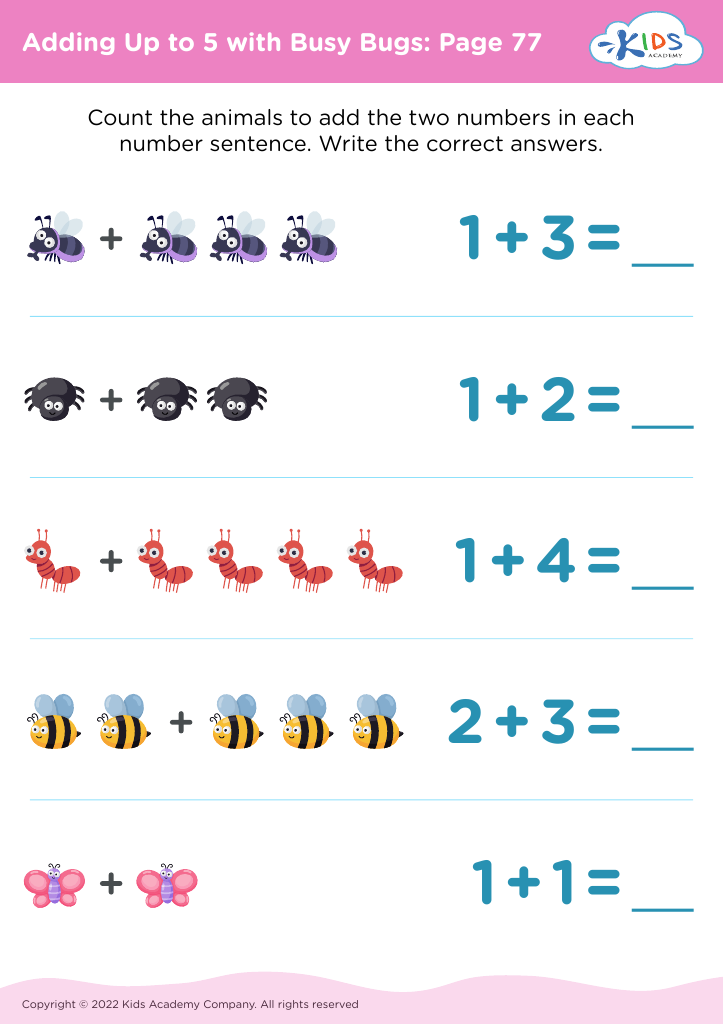
Adding Up to 5 with Busy Bugs: Page 77
Worksheet
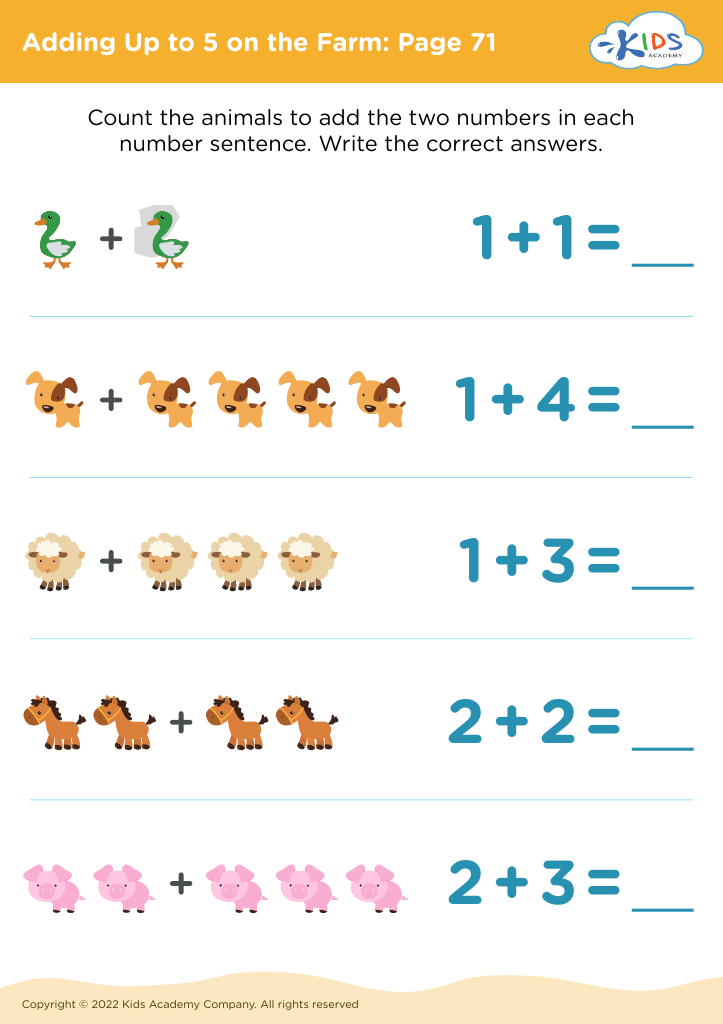
Adding Up to 5 on the Farm: Page 71
Worksheet
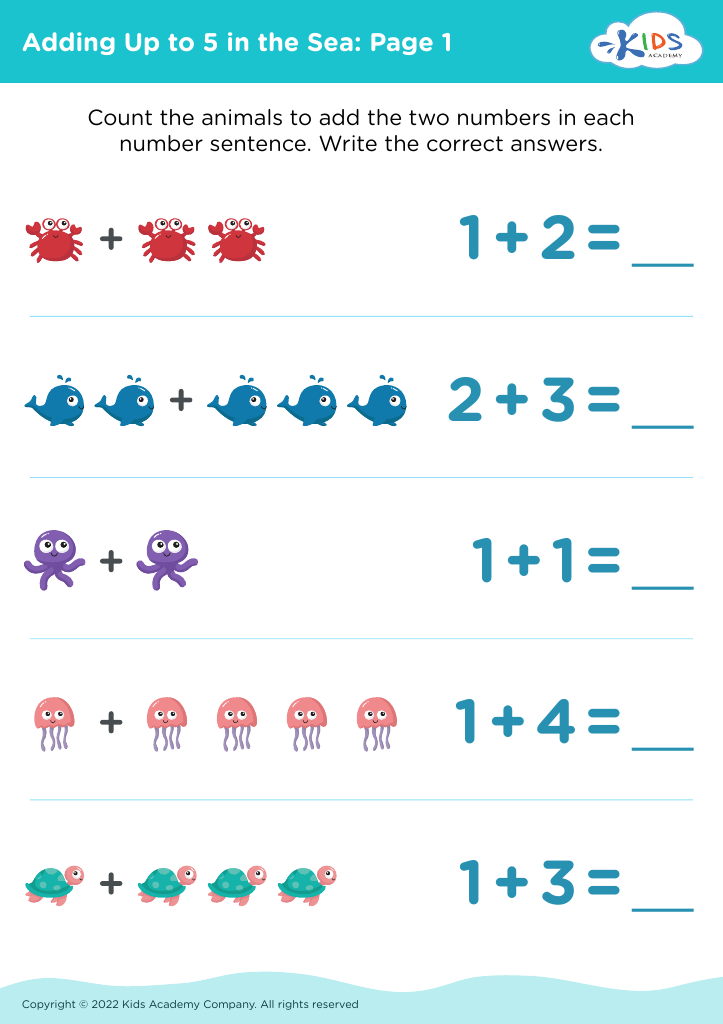
Adding Up to 5 in the Sea: Page 1

Adding Up to 5 in the Sea: Page 1

Adding Up to 5 in the Sea: Page 1
Worksheet
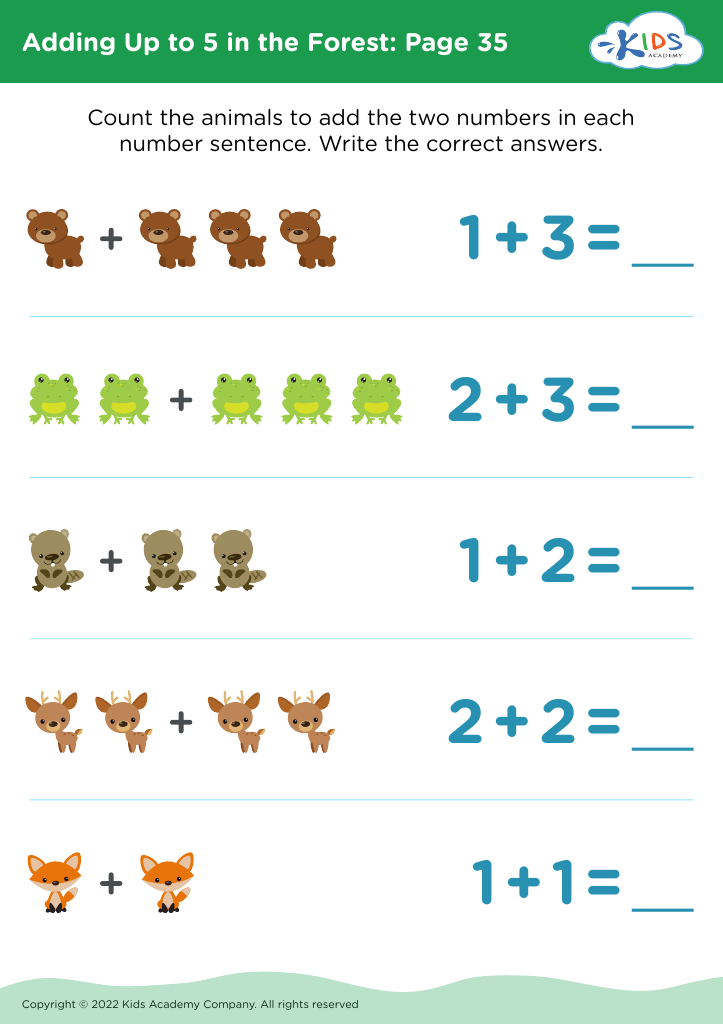
Adding Up to 5 in the Forest: Page 35
Worksheet
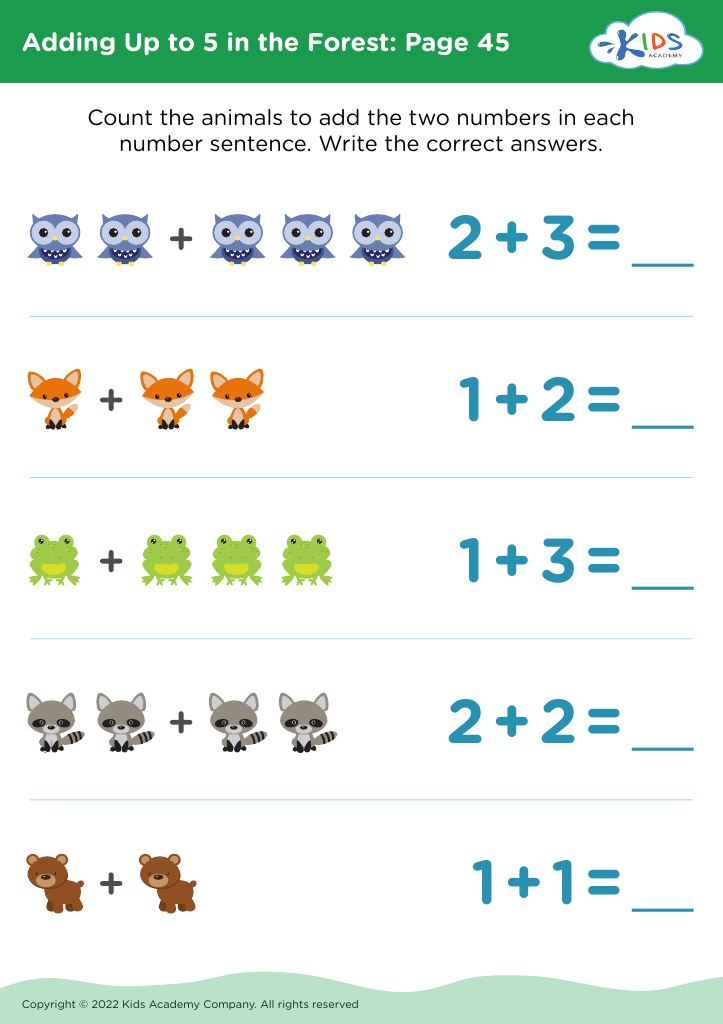
Adding Up to 5 in the Forest: Page 45
Worksheet
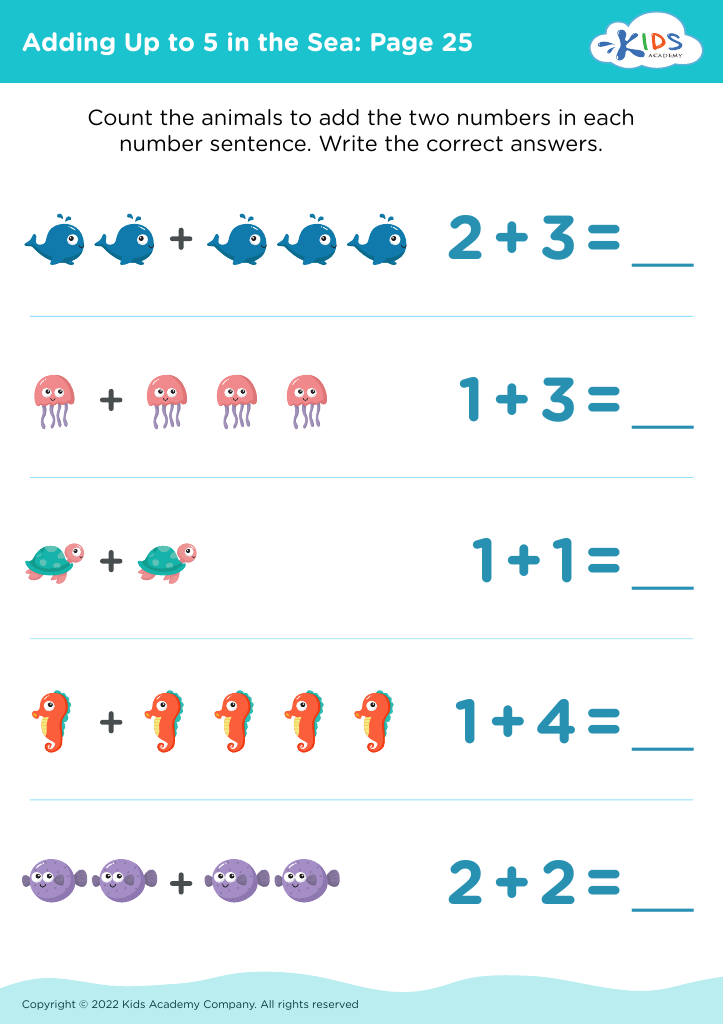
Adding Up to 5 in the Sea: Page 25
Worksheet
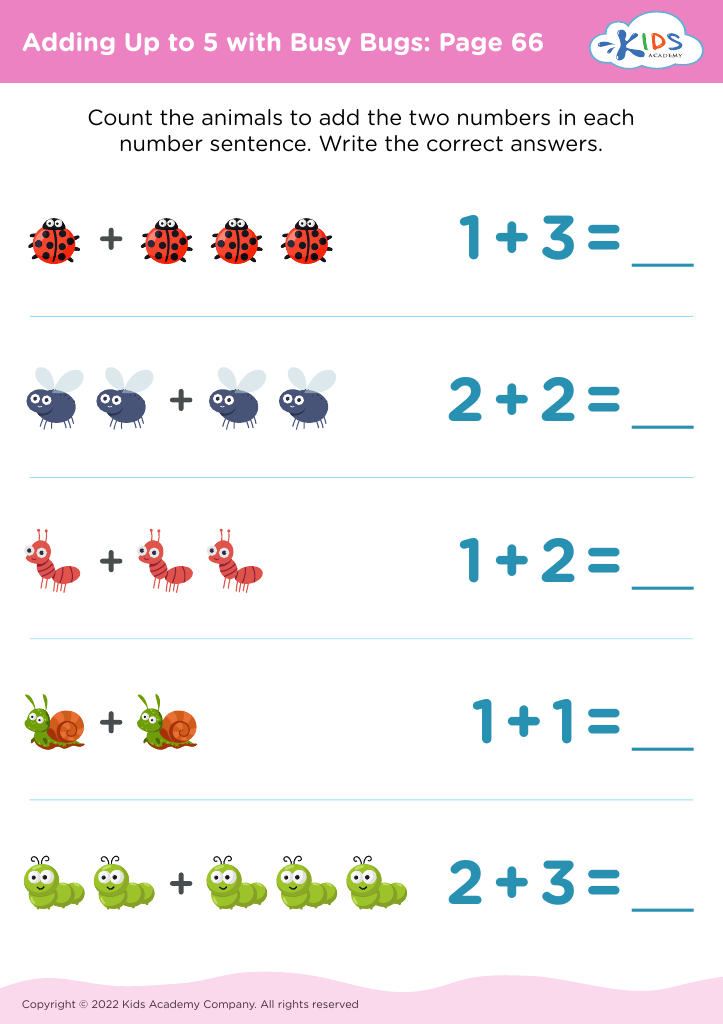
Adding Up to 5 with Busy Bugs: Page 66
Worksheet
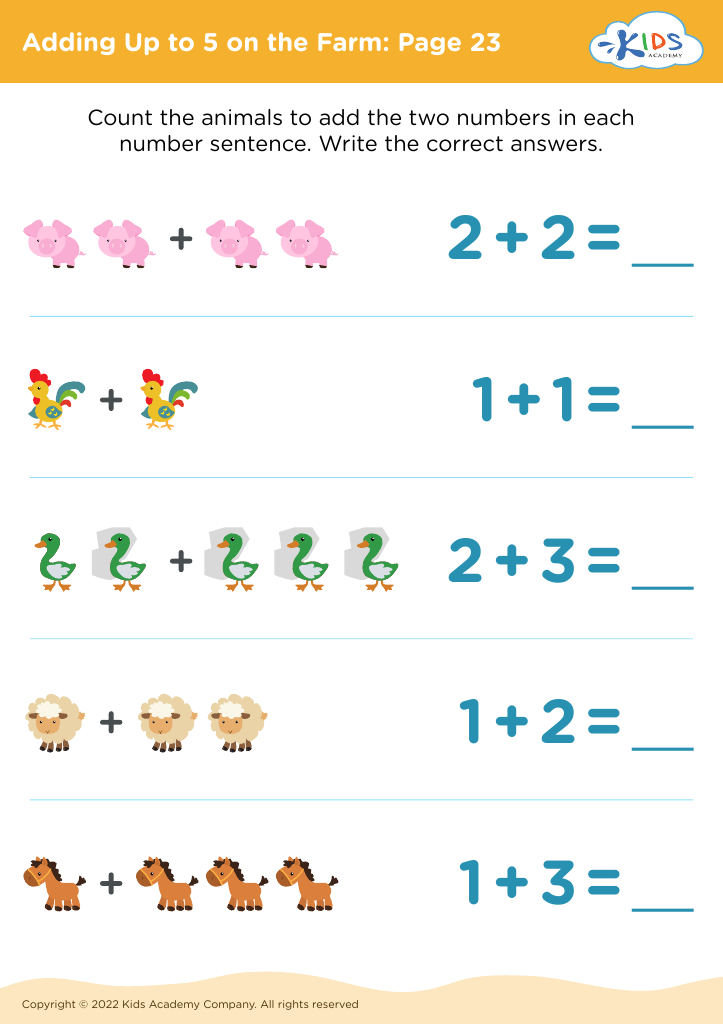
Adding Up to 5 on the Farm: Page 23
Worksheet
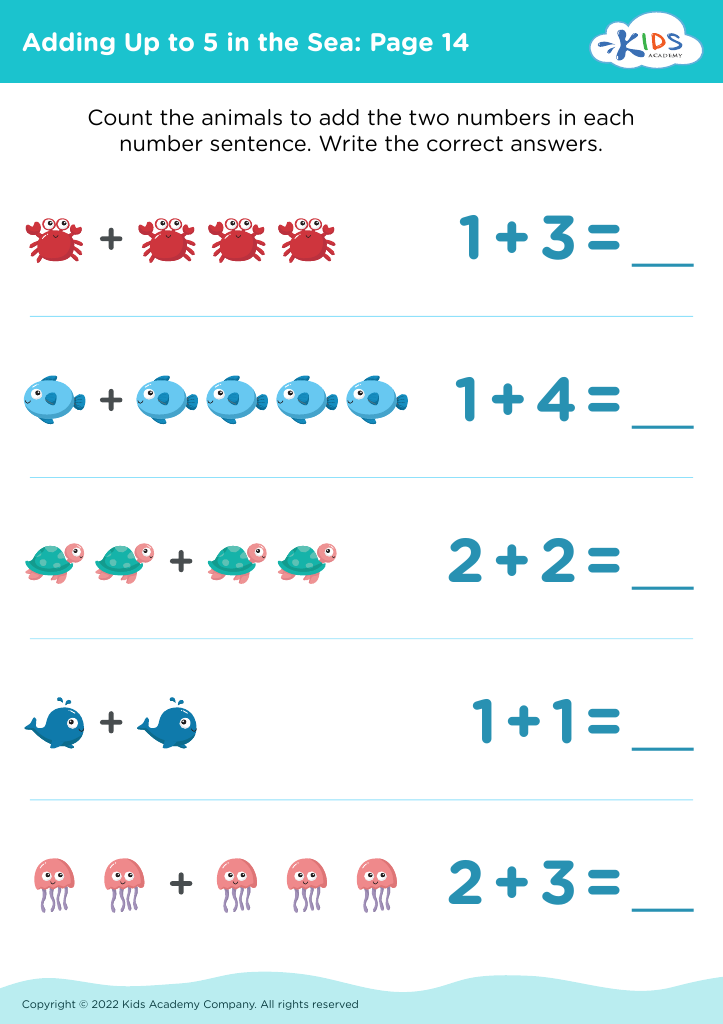
Adding Up to 5 in the Sea: Page 14
Worksheet
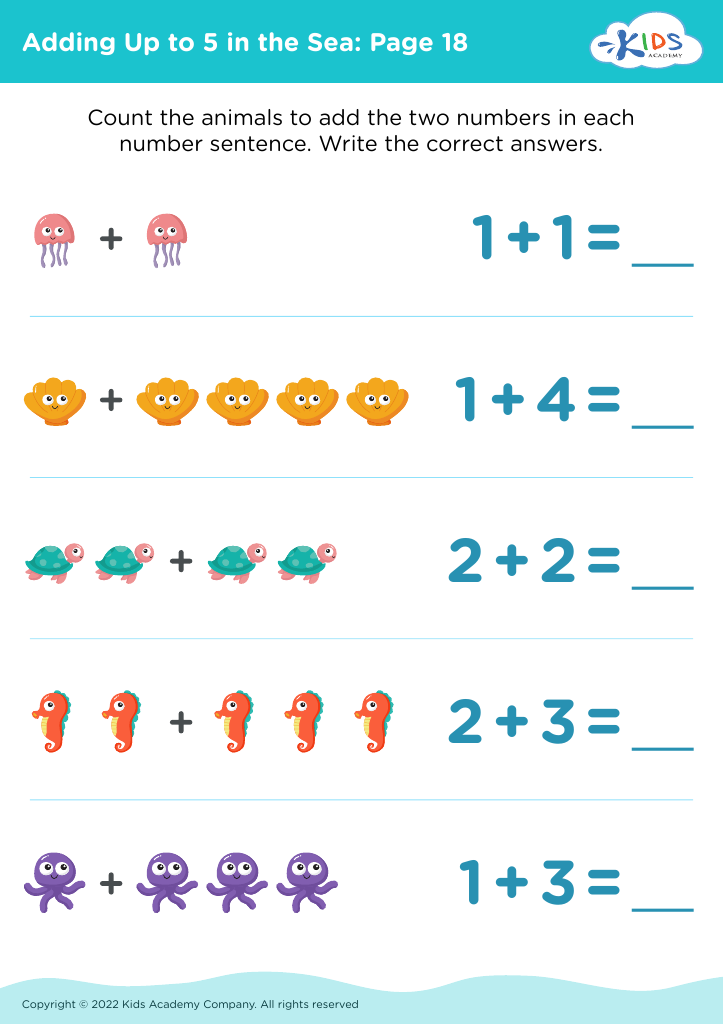
Adding Up to 5 in the Sea: Page 18
Worksheet
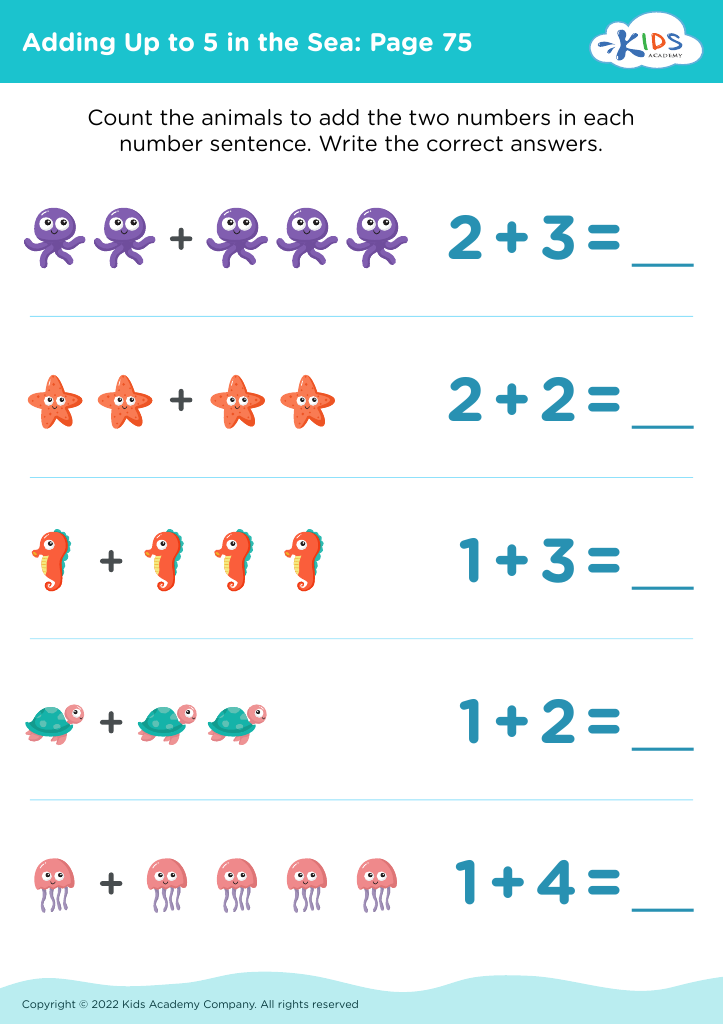
Adding Up to 5 in the Sea: Page 75
Worksheet
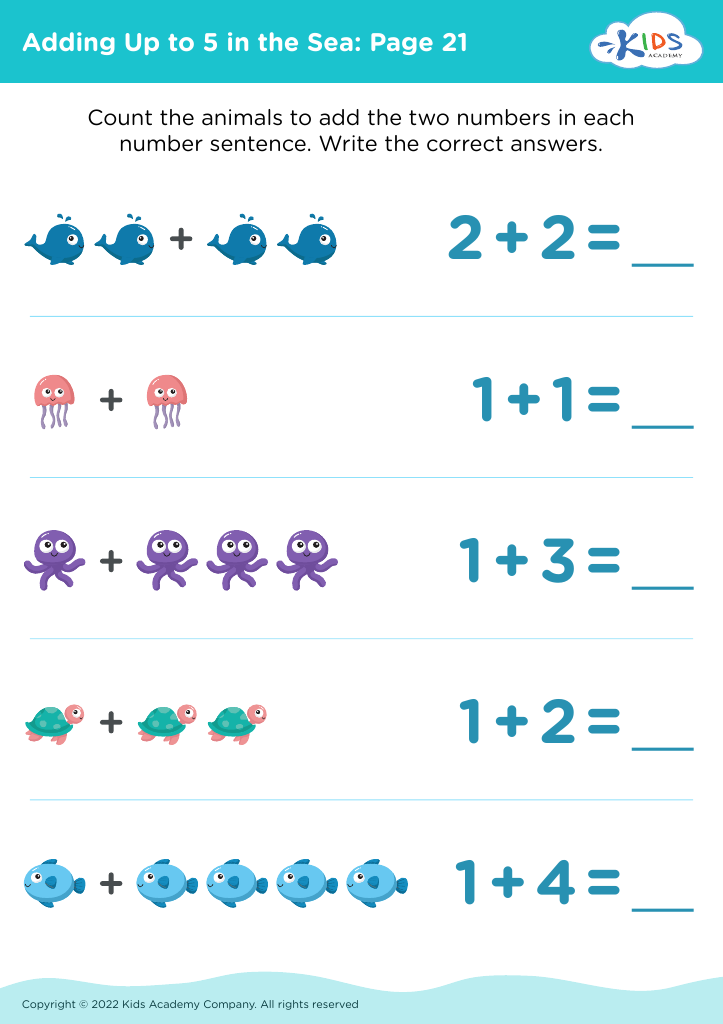
Adding Up to 5 in the Sea: Page 21
Worksheet
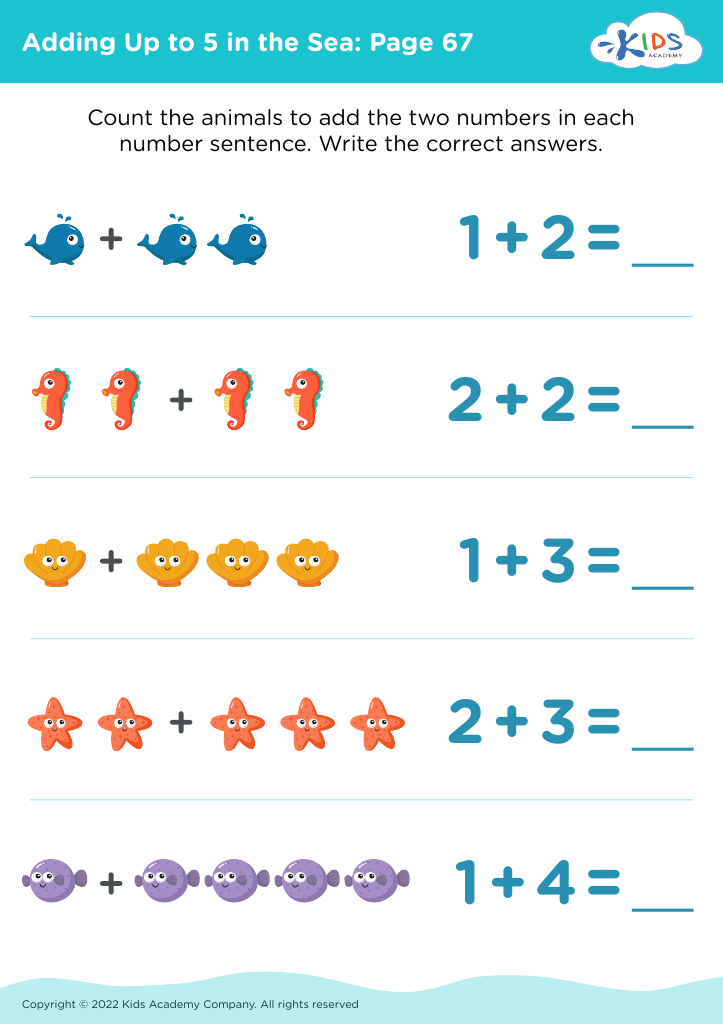
Adding Up to 5 in the Sea: Page 67
Worksheet
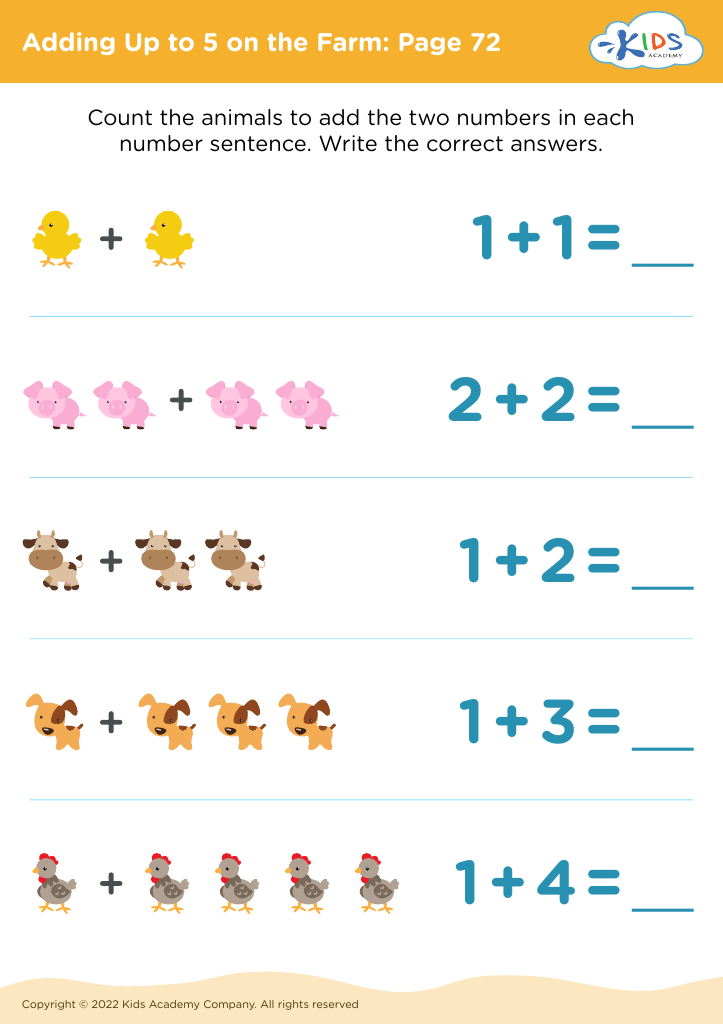
Adding Up to 5 on the Farm: Page 72
Worksheet
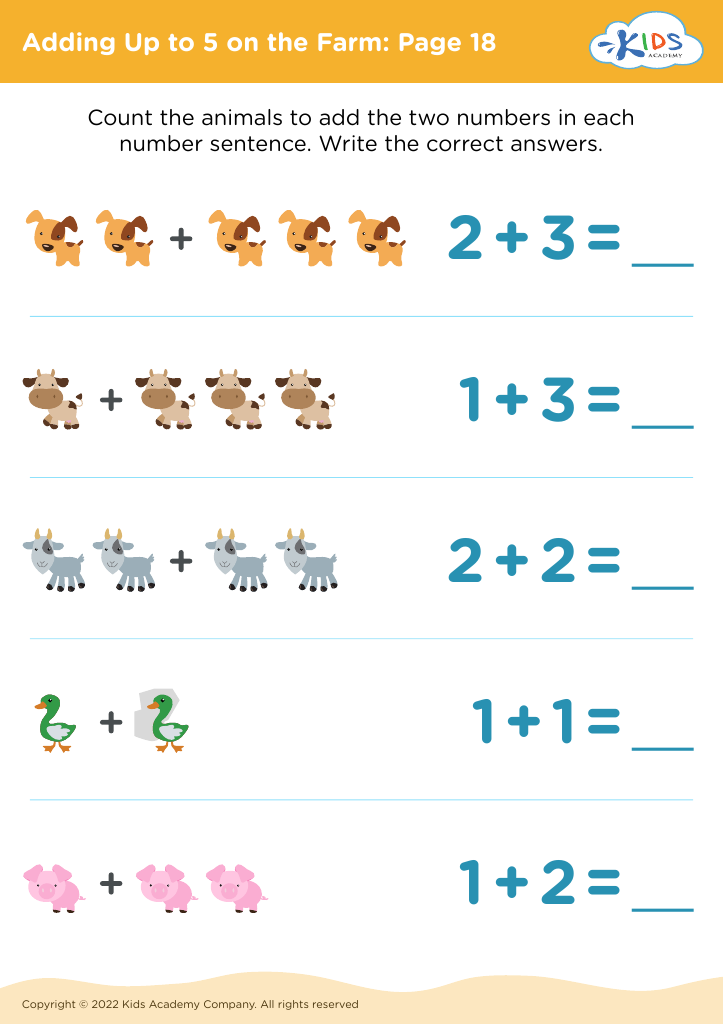
Adding Up to 5 on the Farm: Page 18
Worksheet
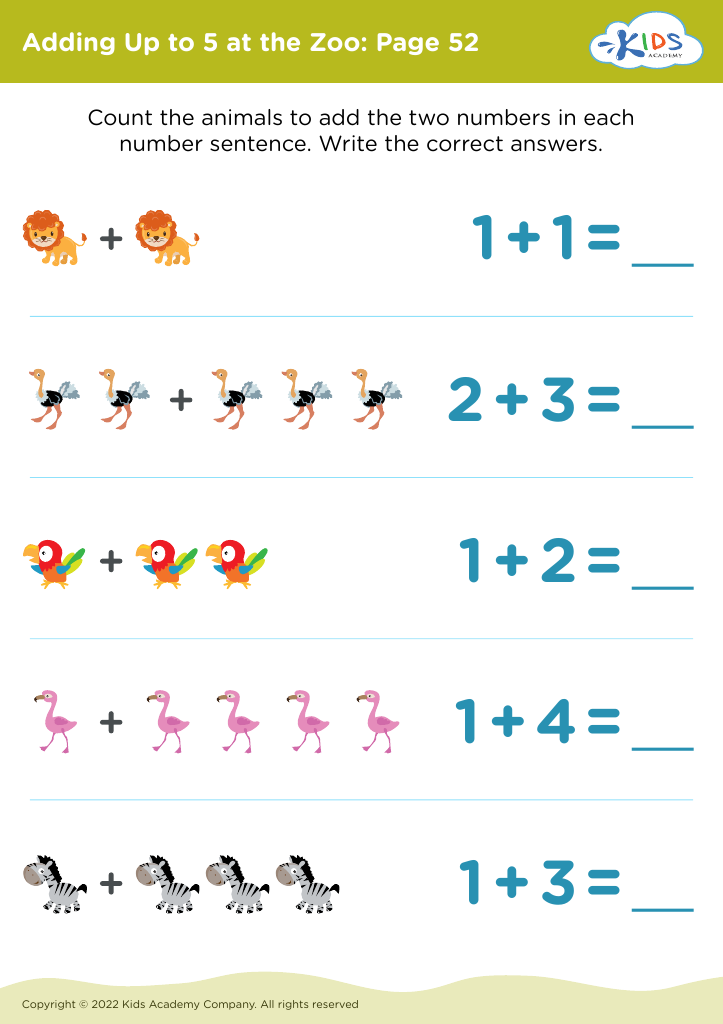
Adding Up to 5 at the Zoo: Page 52
Worksheet
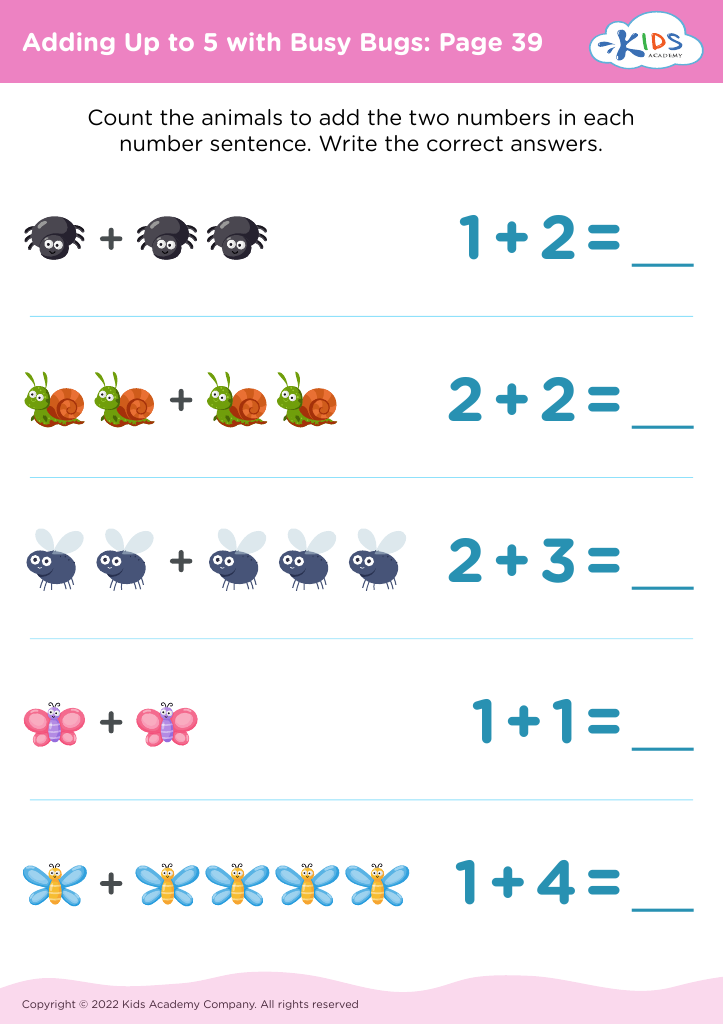
Adding Up to 5 with Busy Bugs: Page 39
Worksheet
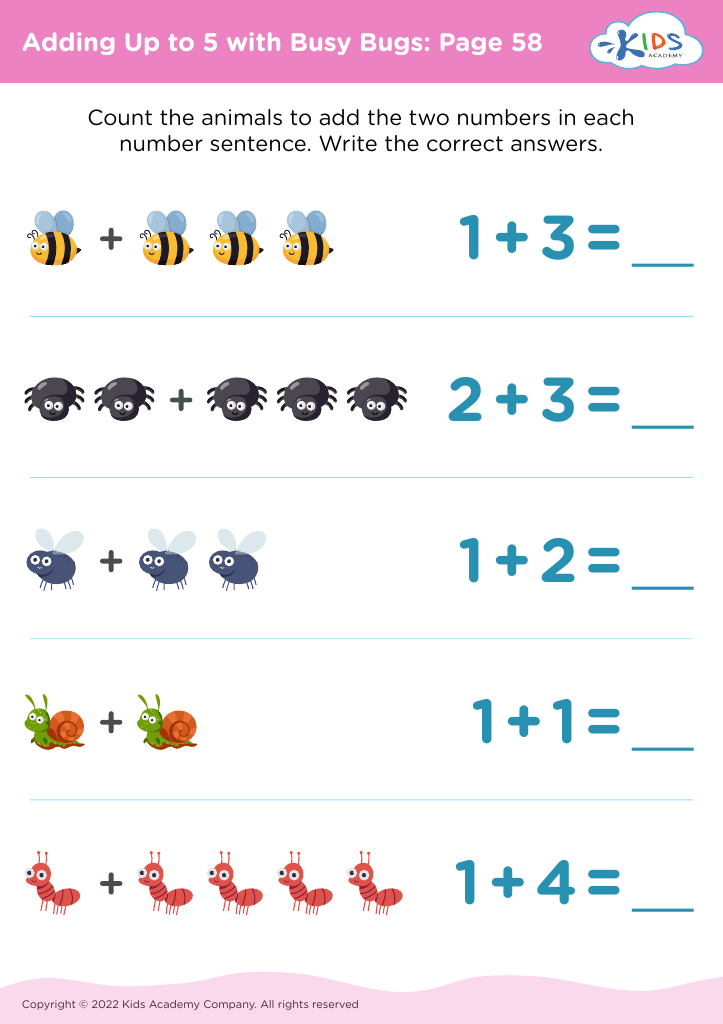
Adding Up to 5 with Busy Bugs: Page 58
Worksheet
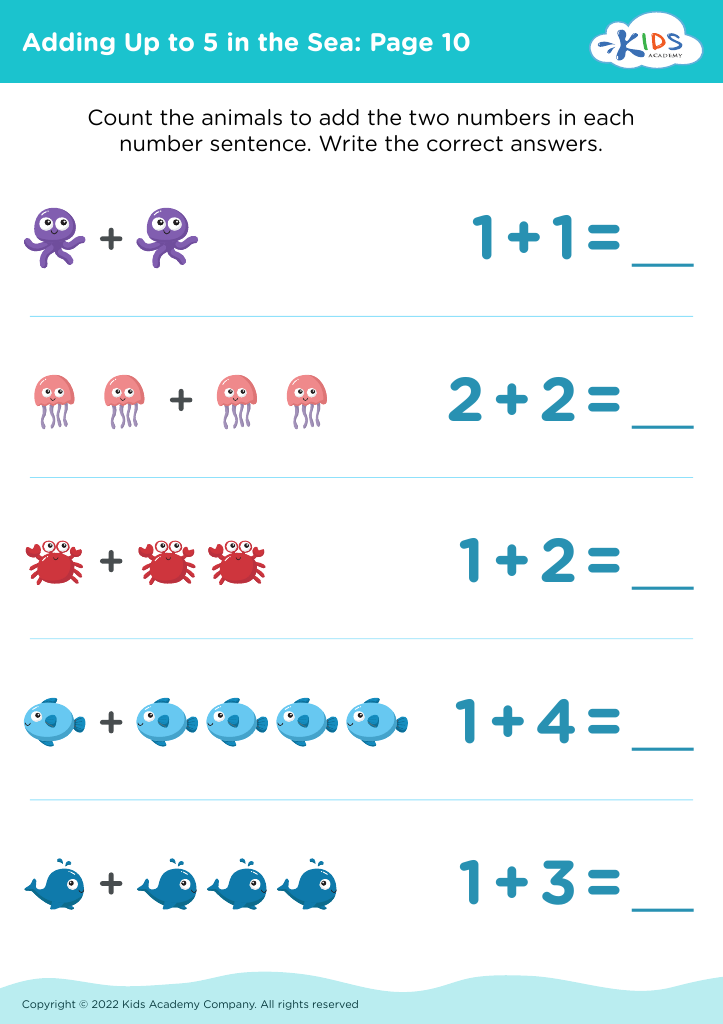
Adding Up to 5 in the Sea: Page 10
Worksheet
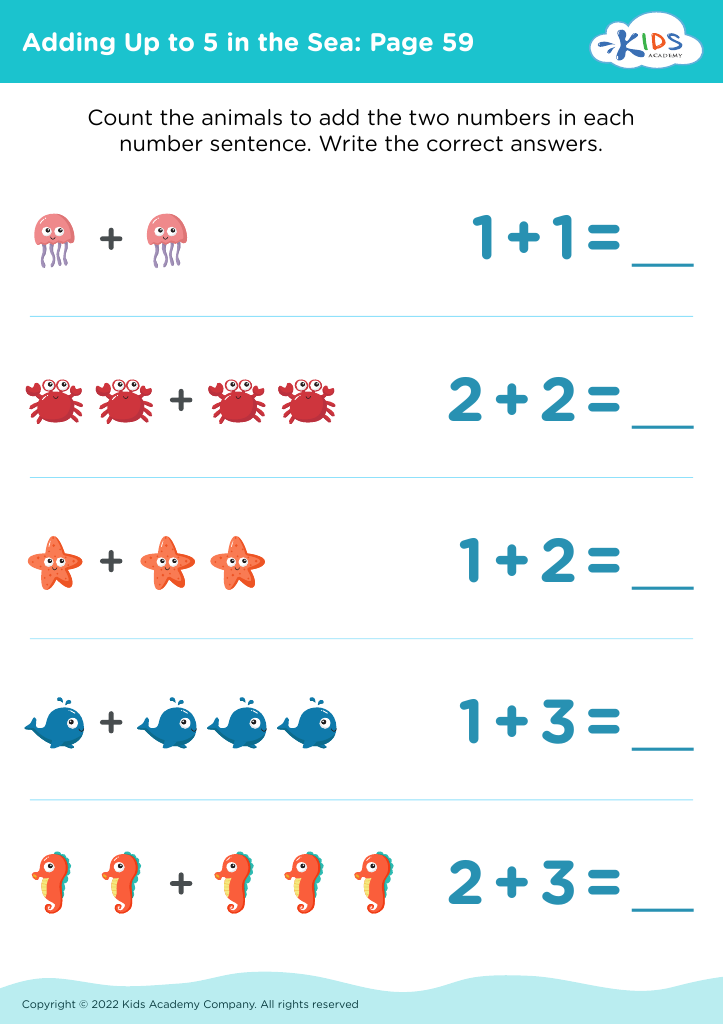
Adding Up to 5 in the Sea: Page 59
Worksheet
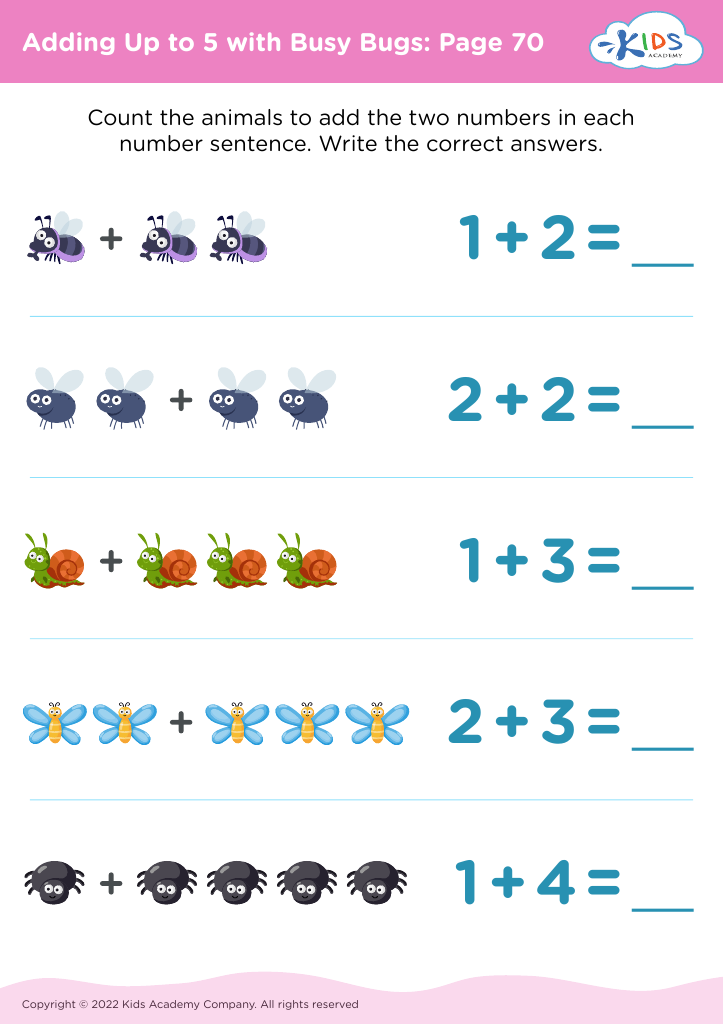
Adding Up to 5 with Busy Bugs: Page 70
Worksheet
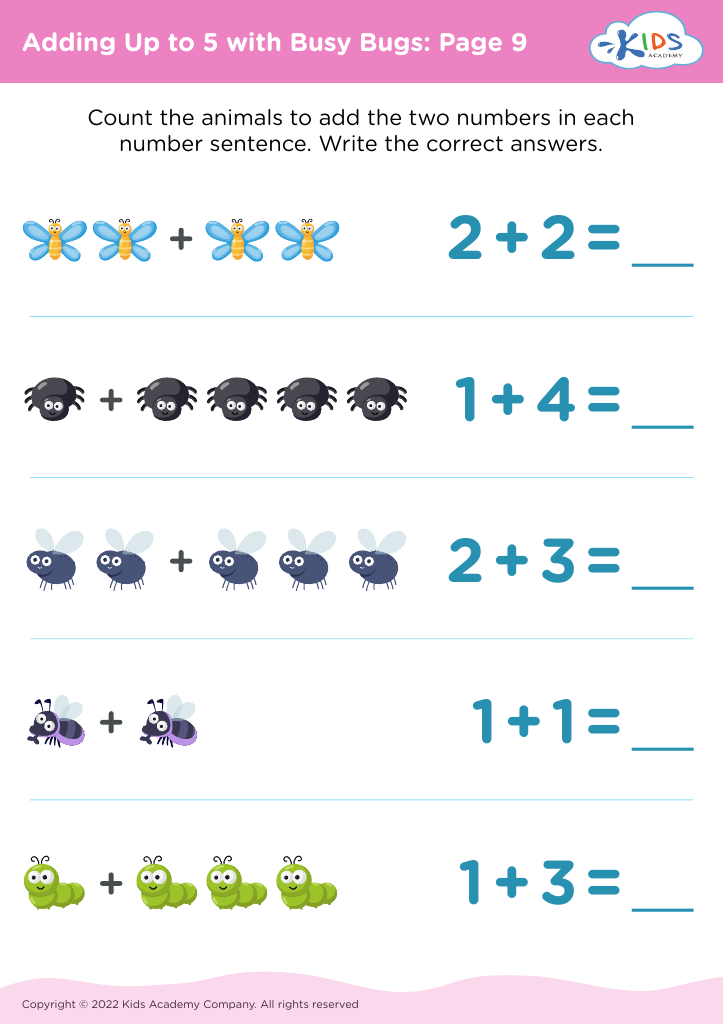
Adding Up to 5 with Busy Bugs: Page 9
Worksheet


Visual Learning Math is an essential educational approach for children aged 3-5 because it harnesses their natural abilities to understand and retain information through visual means. During these early years, children are more receptive to visual stimuli, which can help demystify abstract mathematical concepts, making them more concrete and engaging.

One primary reason parents and teachers should care about visual learning is that it facilitates comprehension and retention. Visual aids such as colorful charts, images, manipulatives, and interactive tools help children grasp foundational concepts like counting, shapes, and basic arithmetic. These tools transform numbers from abstract symbols into tangible, understandable entities.

Additionally, visual learning fosters critical thinking and problem-solving skills. It encourages children to visualize problems and solutions, aiding in the development of higher-order cognitive skills. Visual representation of math helps children see patterns, make connections, and understand relationships between different mathematical ideas.

Engaging young learners visually also promotes a more inclusive learning environment. Children with different learning styles or those who struggle with traditional text-based instruction benefit significantly from visual aids. By catering to diverse learning needs, visual learning ensures that no child is left behind.

Investing in visual learning math sets a strong mathematical foundation, cultivating a positive attitude towards the subject and empowering children with the skills and confidence they need for future academic success.