Visual perception improvement Math Worksheets for Ages 3-5
8 filtered results
-
From - To
Enhance your child’s learning experience with our engaging Visual Perception Improvement Math Worksheets, specifically designed for ages 3-5. These worksheets help young learners develop critical visual skills essential for early math concepts. Through fun and interactive activities, your child will learn to recognize patterns, shapes, and spatial relationships, boosting their confidence and readiness for future academic challenges. Each worksheet fosters creativity and cognitive development while ensuring an enjoyable learning process. Perfect for parents, teachers, and caregivers, our resources are tailored to meet the developmental needs of preschoolers. Explore our collection today and support your child's mathematical journey through playful learning!
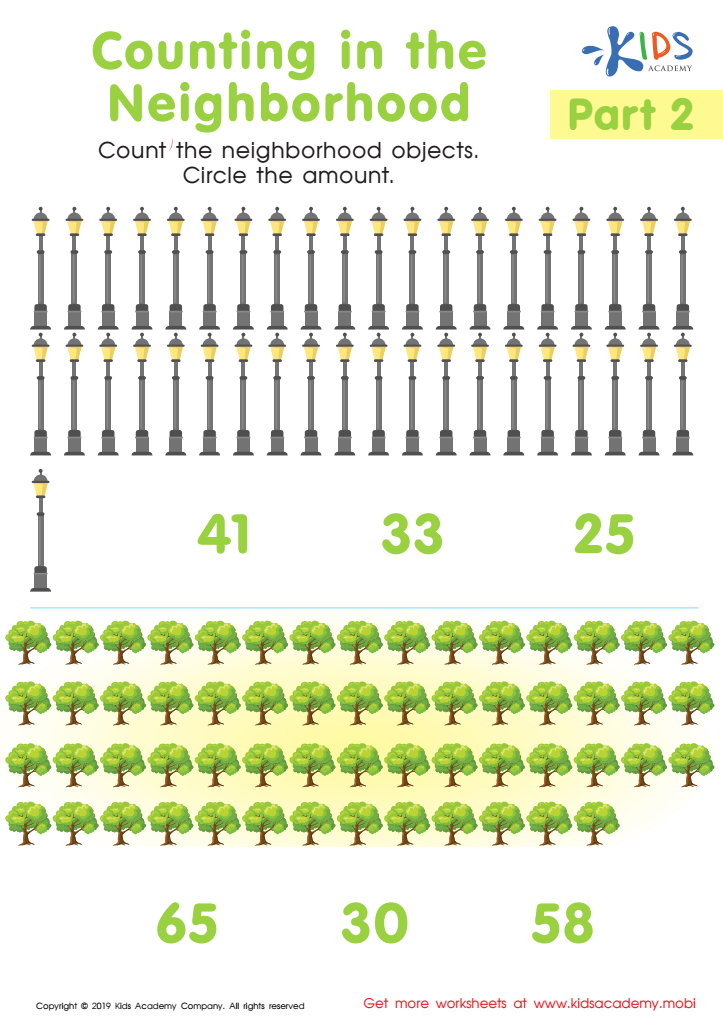
Counting In The Neighborhood Part 2 Worksheet
 Assign to My Students
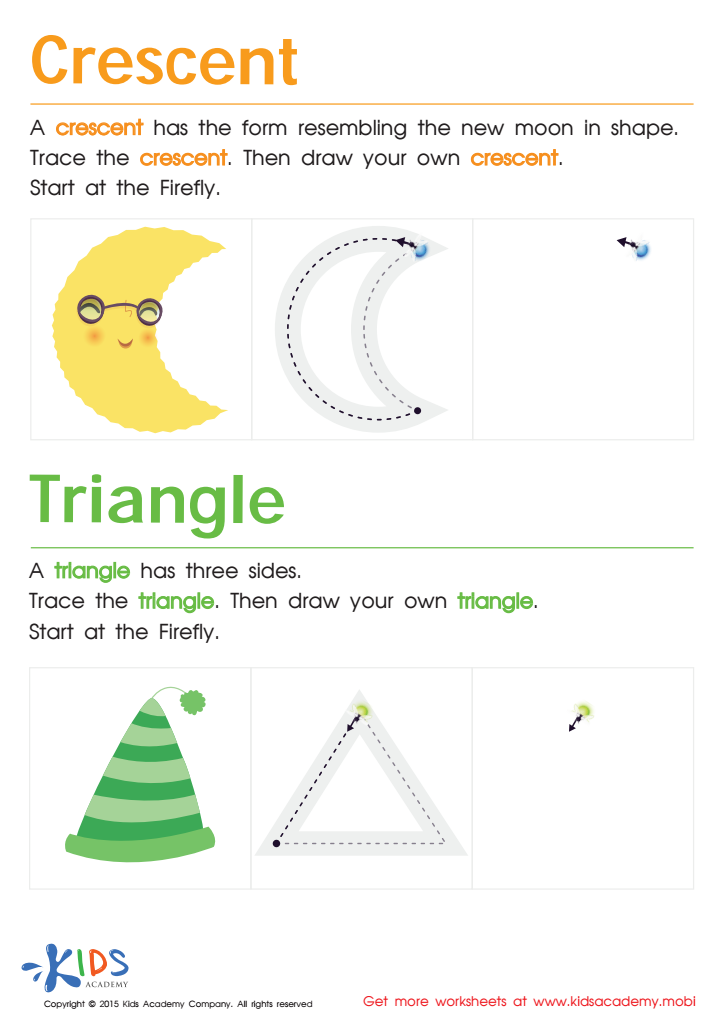
Learning to Draw Crescents And Triangles Worksheet
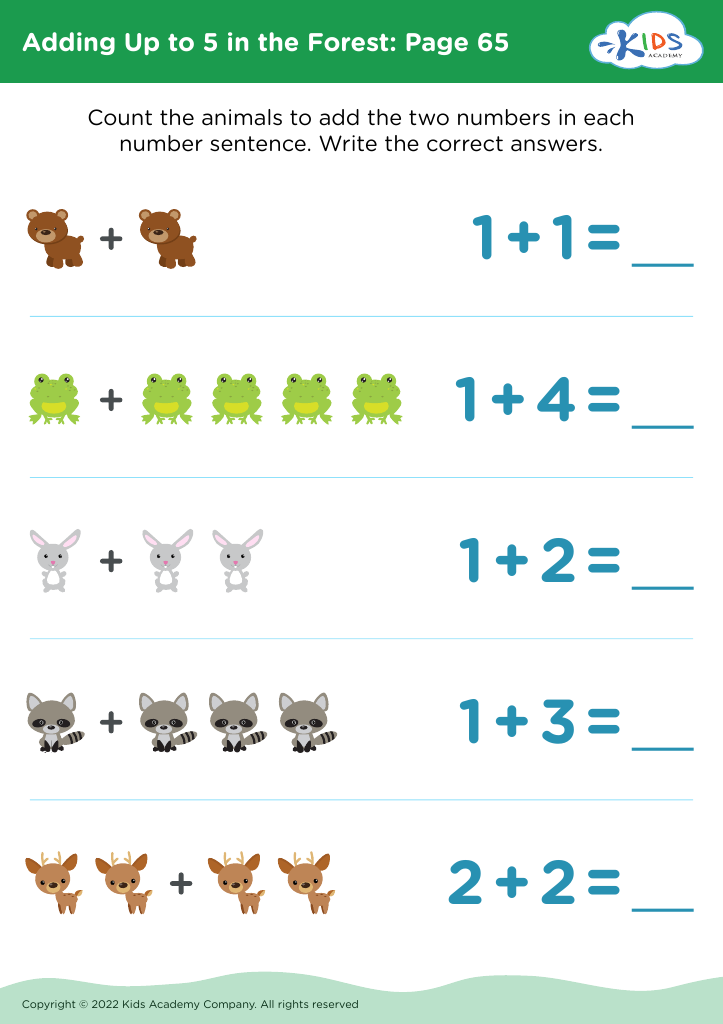
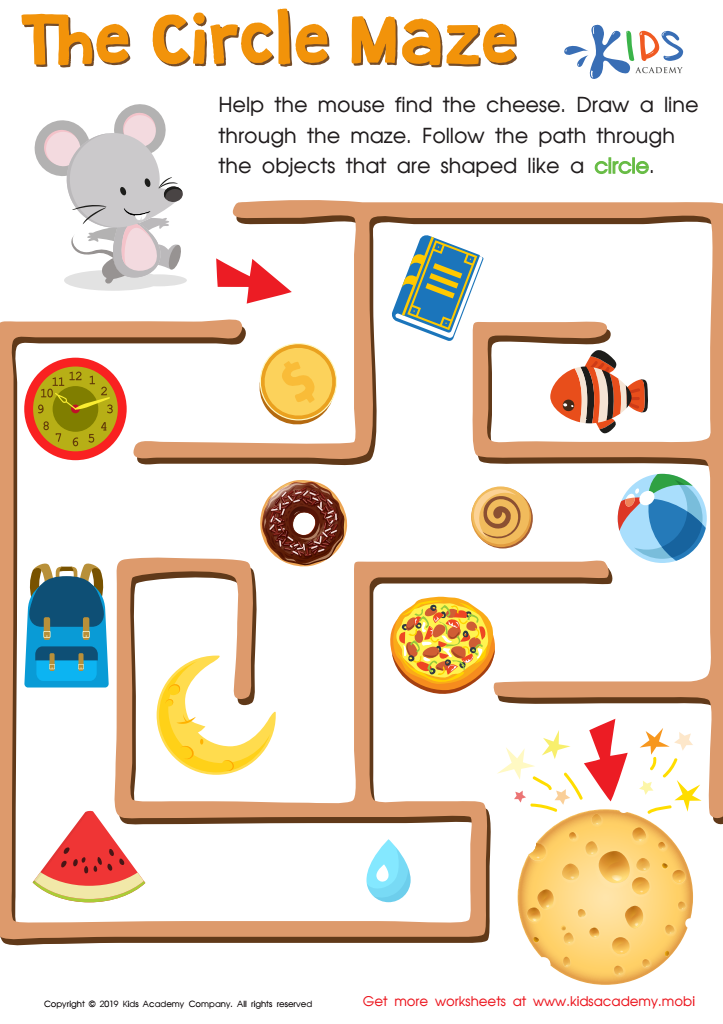
The Circle Maze Worksheet
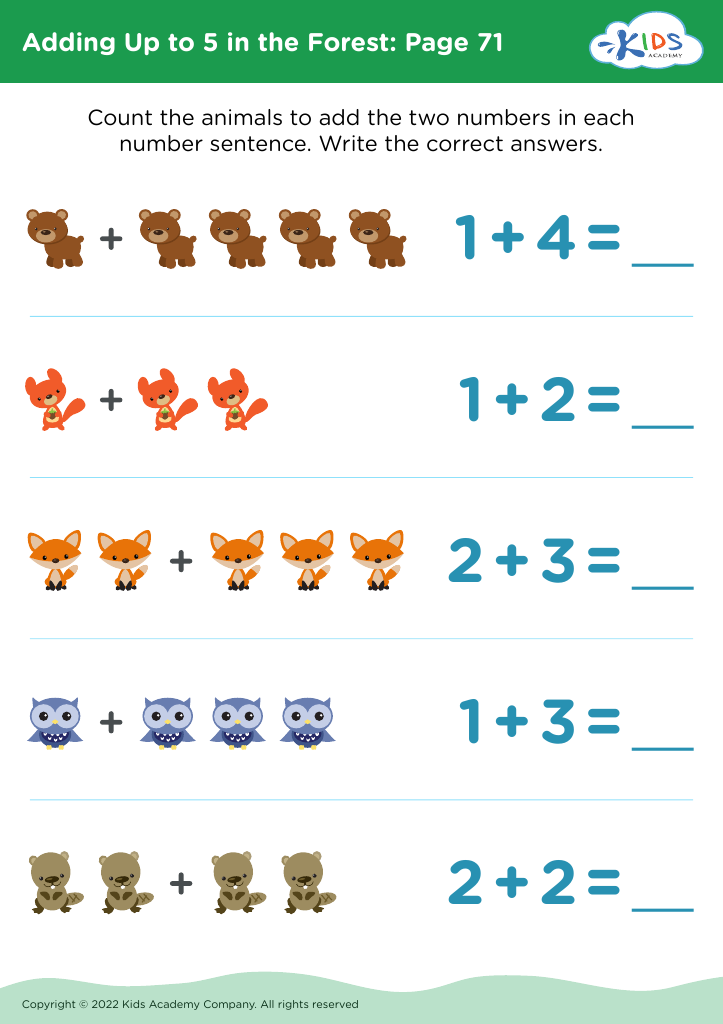




.jpg)



Visual perception is a crucial cognitive skill that forms the basis for arithmetic understanding in early childhood. For children aged 3-5, enhancing visual perception directly impacts their ability to process shapes, sizes, patterns, and spatial relationships, foundational elements in mathematics. When parents and teachers prioritize visual perception improvement in mathematical contexts, they are equipping young learners with the necessary tools to understand numbers, recognize patterns, and solve problems.
Well-developed visual perception skills enable children to more easily recognize quantities, create mental images of mathematical concepts, and make connections between figures and symbols. By introducing activities that foster these skills—like sorting shapes, playing with blocks, or engaging in drawing games—adult caregivers can significantly boost a child's confidence and competence in math.
Moreover, improving visual perception can lead to better academic performance and a positive attitude toward learning. Children who struggle with these skills often become discouraged, hindering their engagement with math. By actively cultivating visual perception, parents and teachers can promote a love for learning, ensuring that these young minds blossom into capable learners who view math not as a challenge, but as an exciting adventure.








