Word Recognition Math Worksheets for Ages 3-5
5 filtered results
-
From - To
Welcome to our Word Recognition Math Worksheets for Ages 3-5! These engaging worksheets are designed to help young learners develop essential word recognition skills while exploring basic math concepts. Perfect for preschoolers and kindergarteners, our activities blend literacy and numeracy through fun, interactive exercises. Each worksheet encourages children to identify and match words related to numbers, shapes, and simple mathematical operations. By fostering word recognition, children build a strong foundation for future math success. Explore our collection today and watch your little ones thrive as they embark on their educational journey with creativity and enthusiasm!
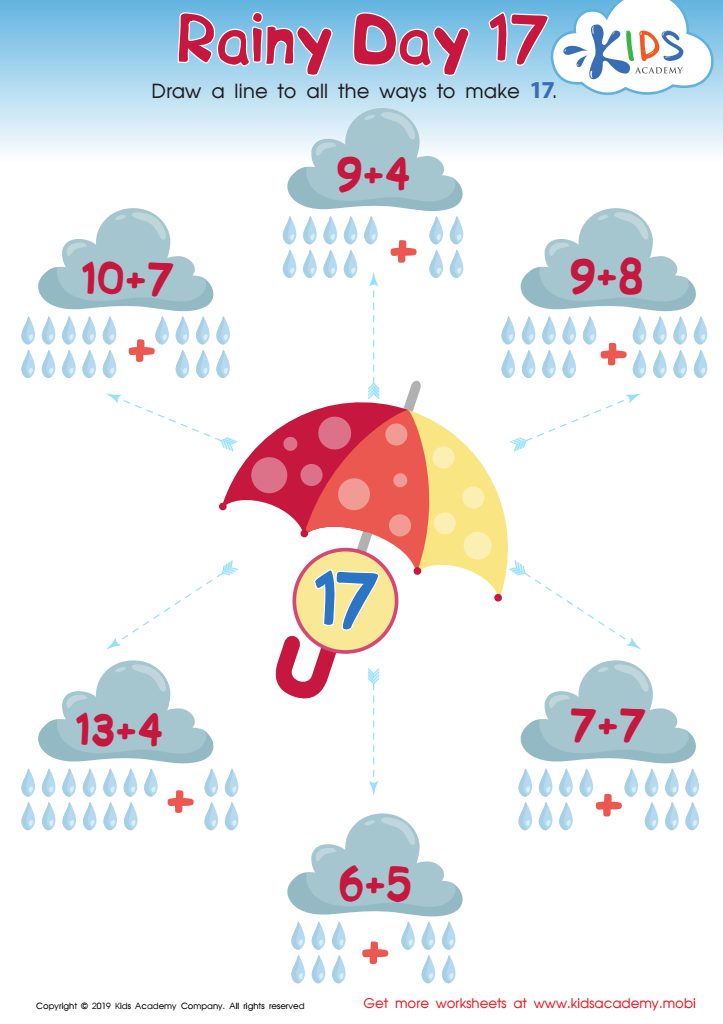
Rainy Day 17 Worksheet
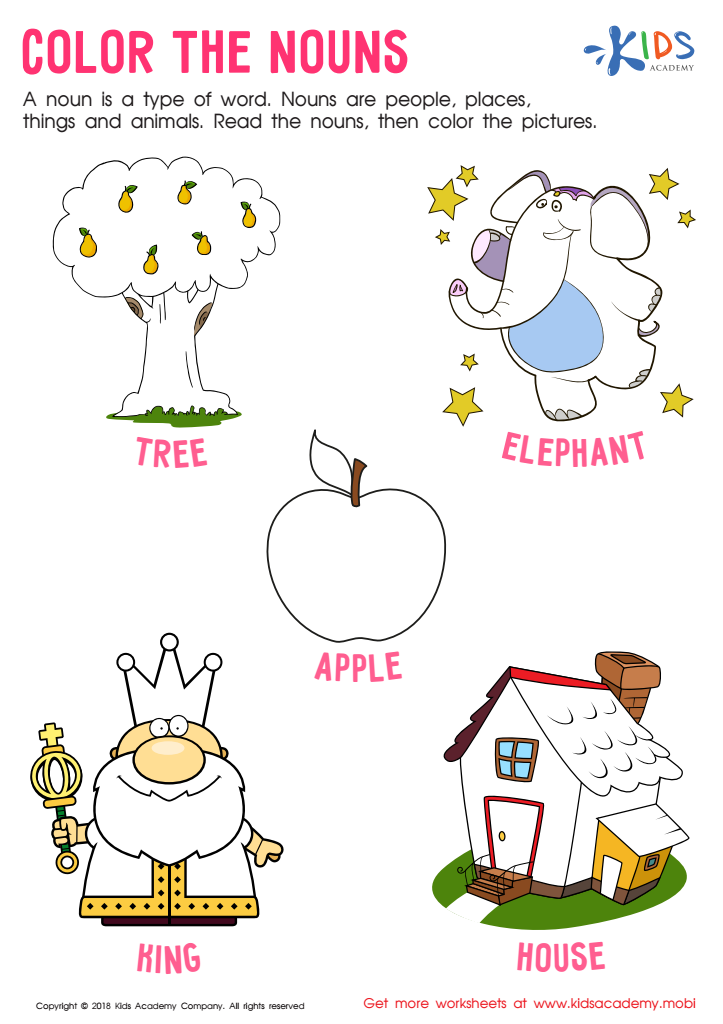
Color the Nouns Worksheet
 Assign to My Students
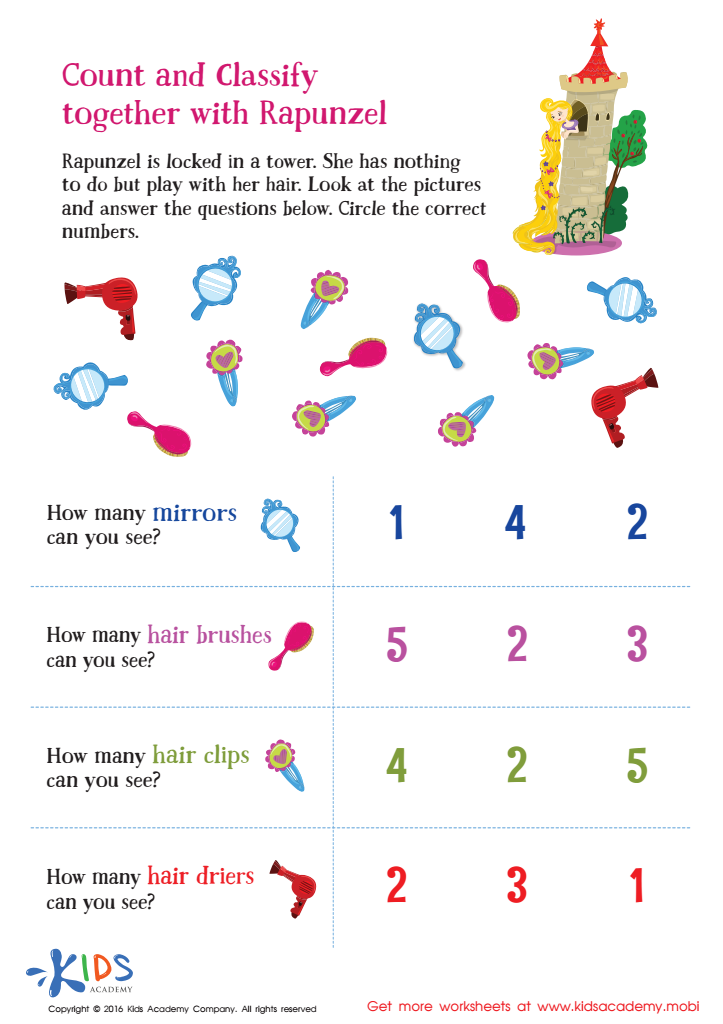
Fairy Tale Worksheet: Count and Classify with Rapunzel
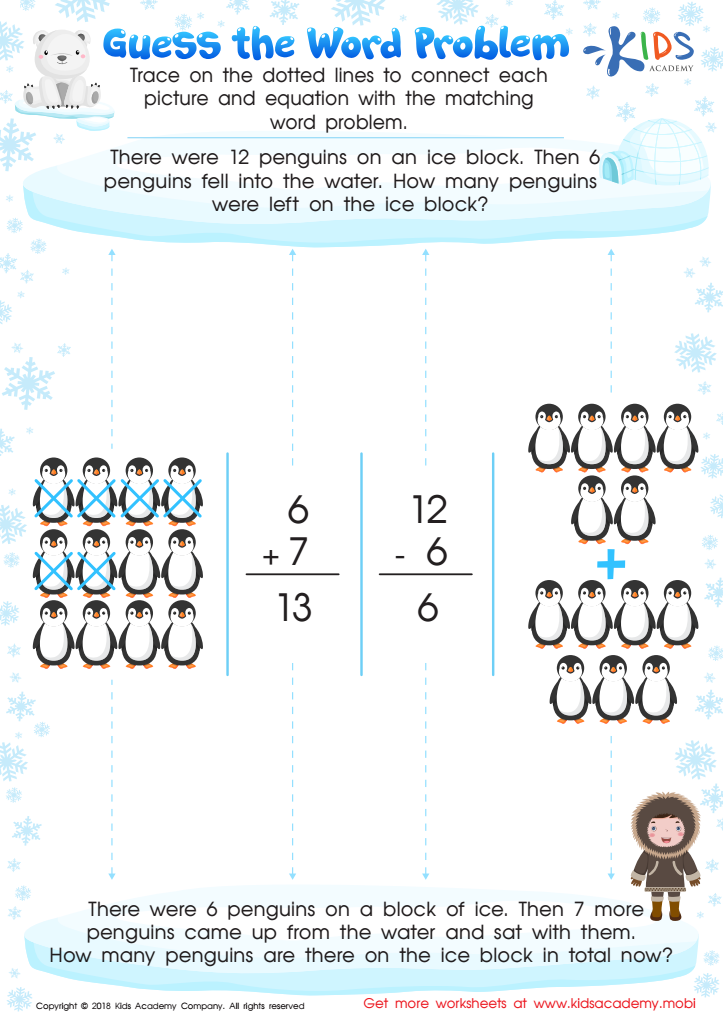
Guess the Word Problem Worksheet
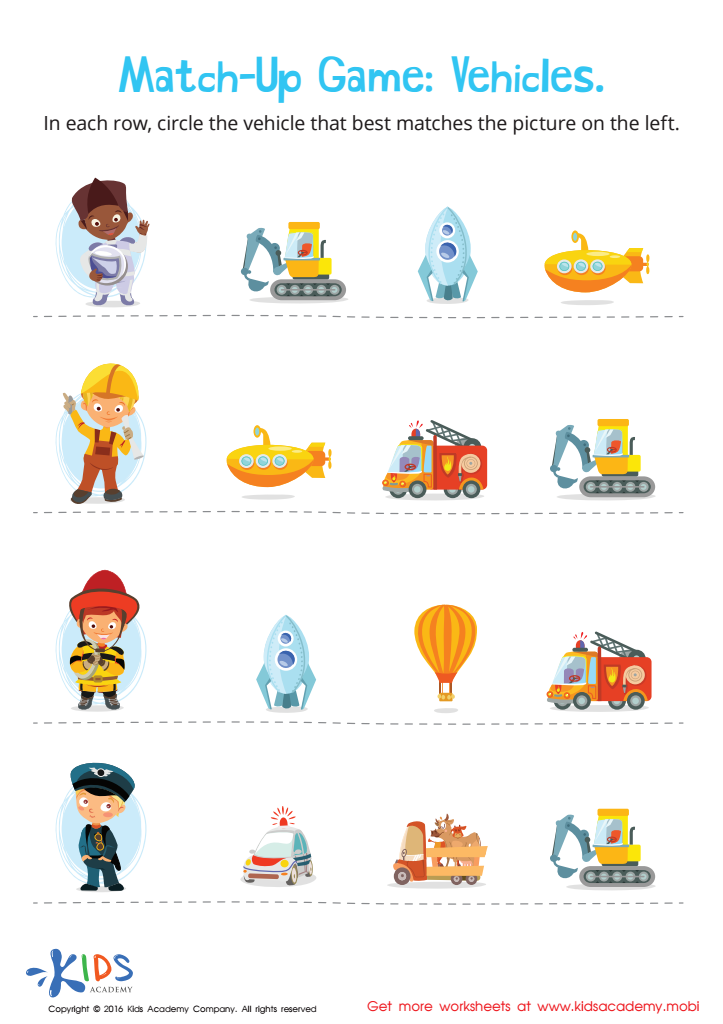
Vehicles Worksheet








Word recognition in early math education for children ages 3-5 is crucial for several reasons. Firstly, it lays a strong foundation for developing mathematical language skills, which are essential as children progress in their education. Understanding math vocabulary—like "more," "less," "add," and "subtract"—enables young learners to grasp concepts more fully and communicate effectively about math tasks.
Additionally, word recognition fosters a stronger connection between literacy and numeracy. When children can identify and understand mathematical terms, they begin to see the relationship between words and numbers, enhancing their overall cognitive development. Early math skills are predictive of future academic success, making word recognition an integral part of early learning.
Moreover, incorporating word recognition into math activities boosts engagement and interest in learning. Utilizing games, storytelling, and classroom activities centered on math vocabulary invites children to participate actively, making mathematics fun and approachable.
Lastly, by focusing on word recognition in math during these formative years, parents and teachers can create an inclusive learning environment that supports diverse learning styles, ensuring every child has the opportunity to thrive in both literacy and numeracy. Thus, prioritizing word recognition in math for young learners is vital for holistic educational development.








