Pattern recognition Patterns Worksheets for Ages 3-5
5 filtered results
-
From - To
Welcome to our engaging Pattern Recognition Worksheets designed for children aged 3-5! These fun, printable activities are perfect for young learners to explore and understand patterns through colorful exercises. Our worksheets foster critical thinking and enhance cognitive skills as kids identify and create various patterns using shapes, colors, and objects. By recognizing and completing patterns, children boost their problem-solving abilities and prepare for more advanced math concepts. Ideal for home or classroom use, our worksheets promote interactive learning and spark creativity. Start your child's journey into the world of patterns today and watch them develop essential early math skills!
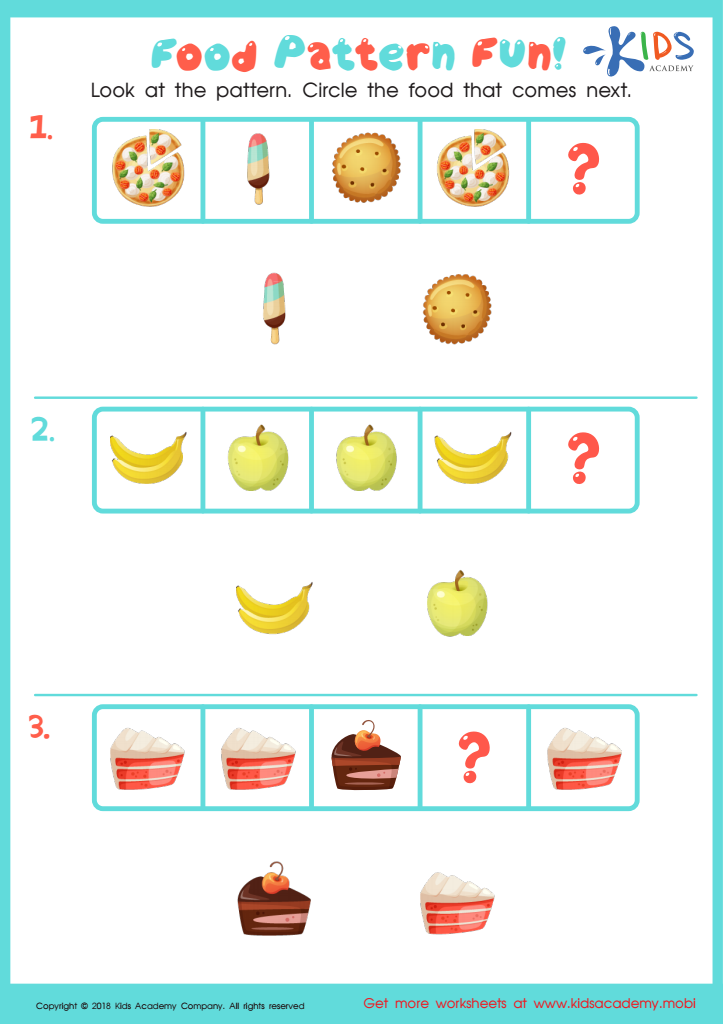
Food Pattern Fun Worksheet
 Assign to My Students
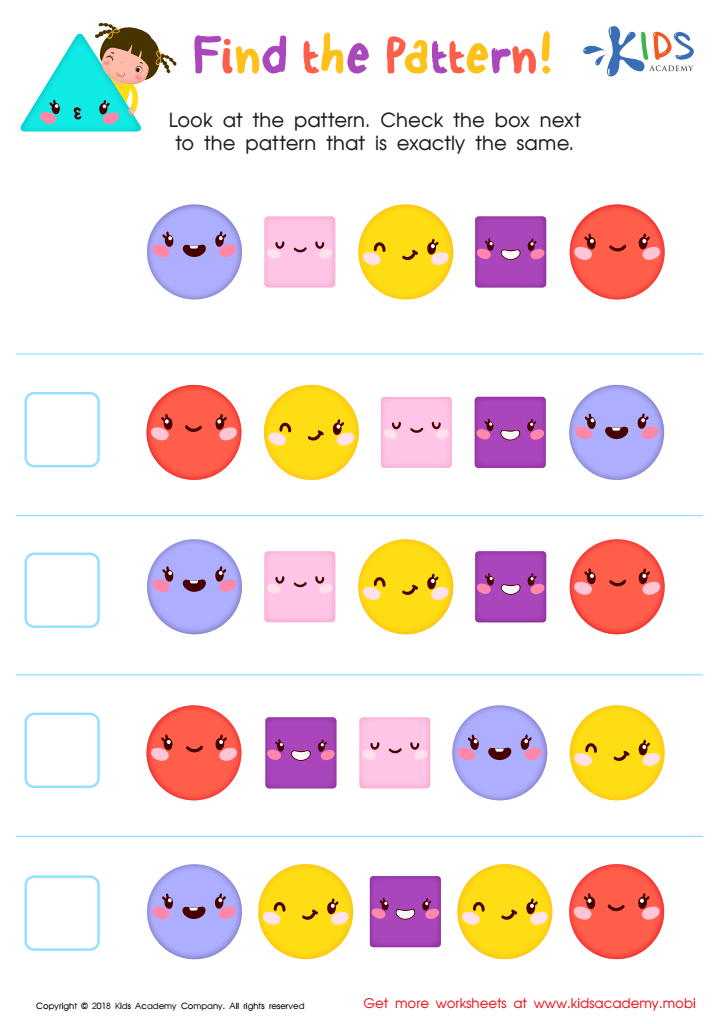
Find the Pattern Worksheet
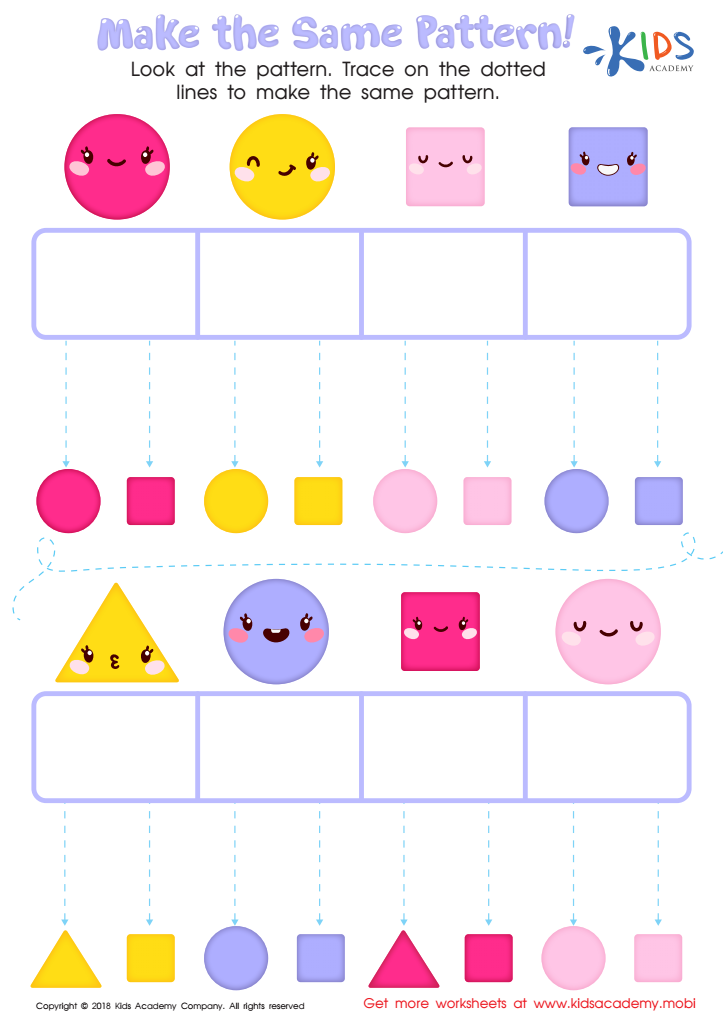
Make the Same Pattern Worksheet
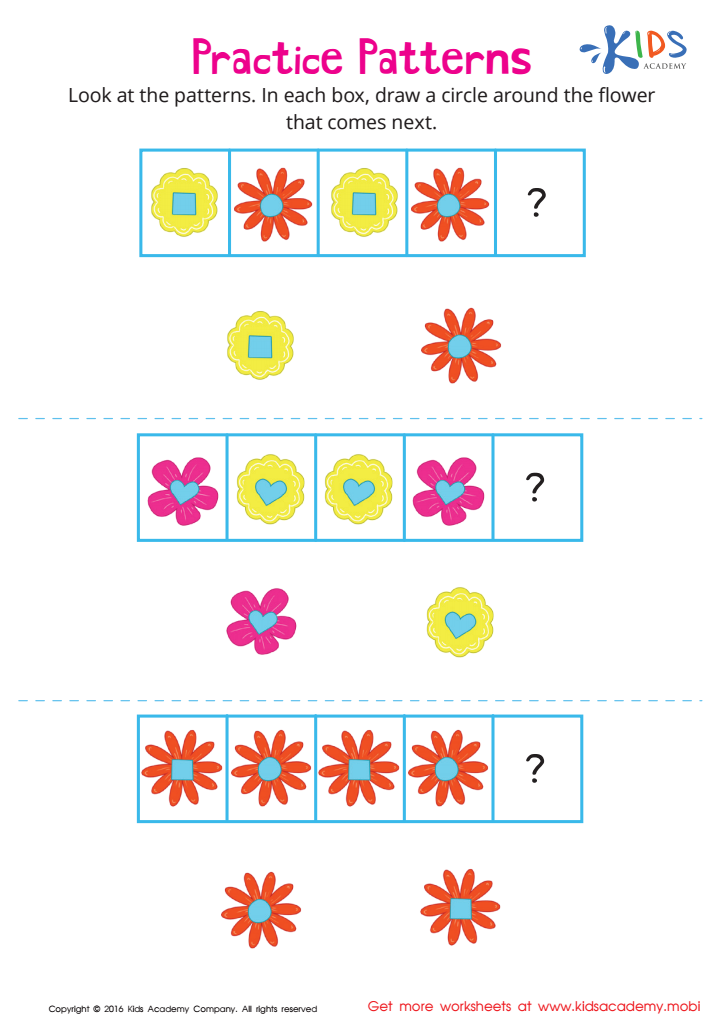
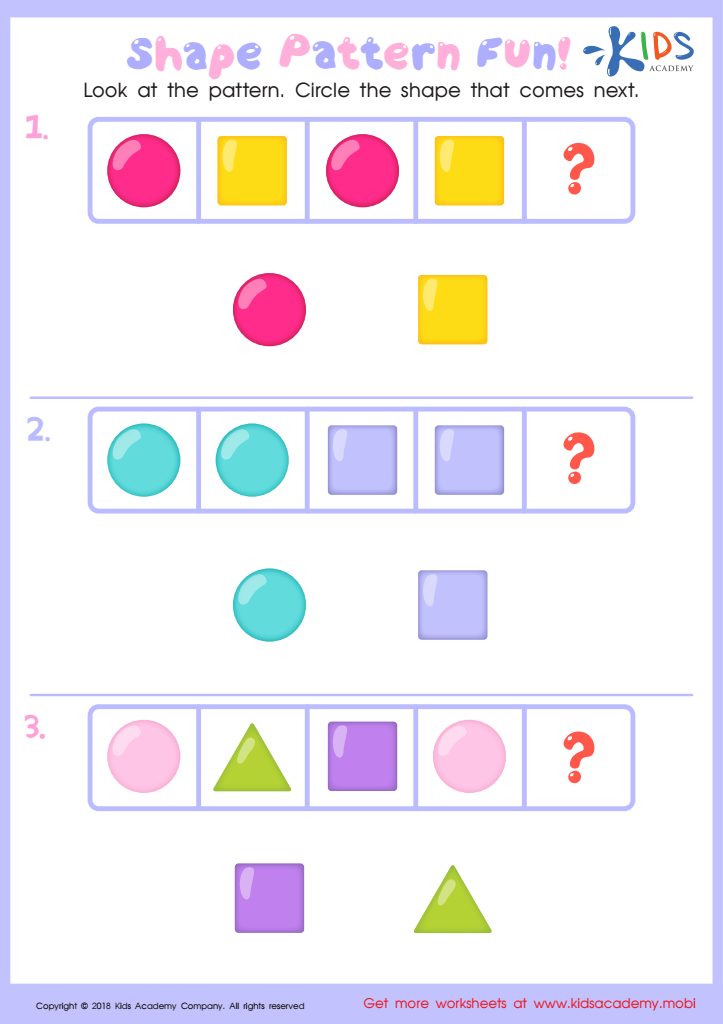
Shape Pattern Fun Worksheet



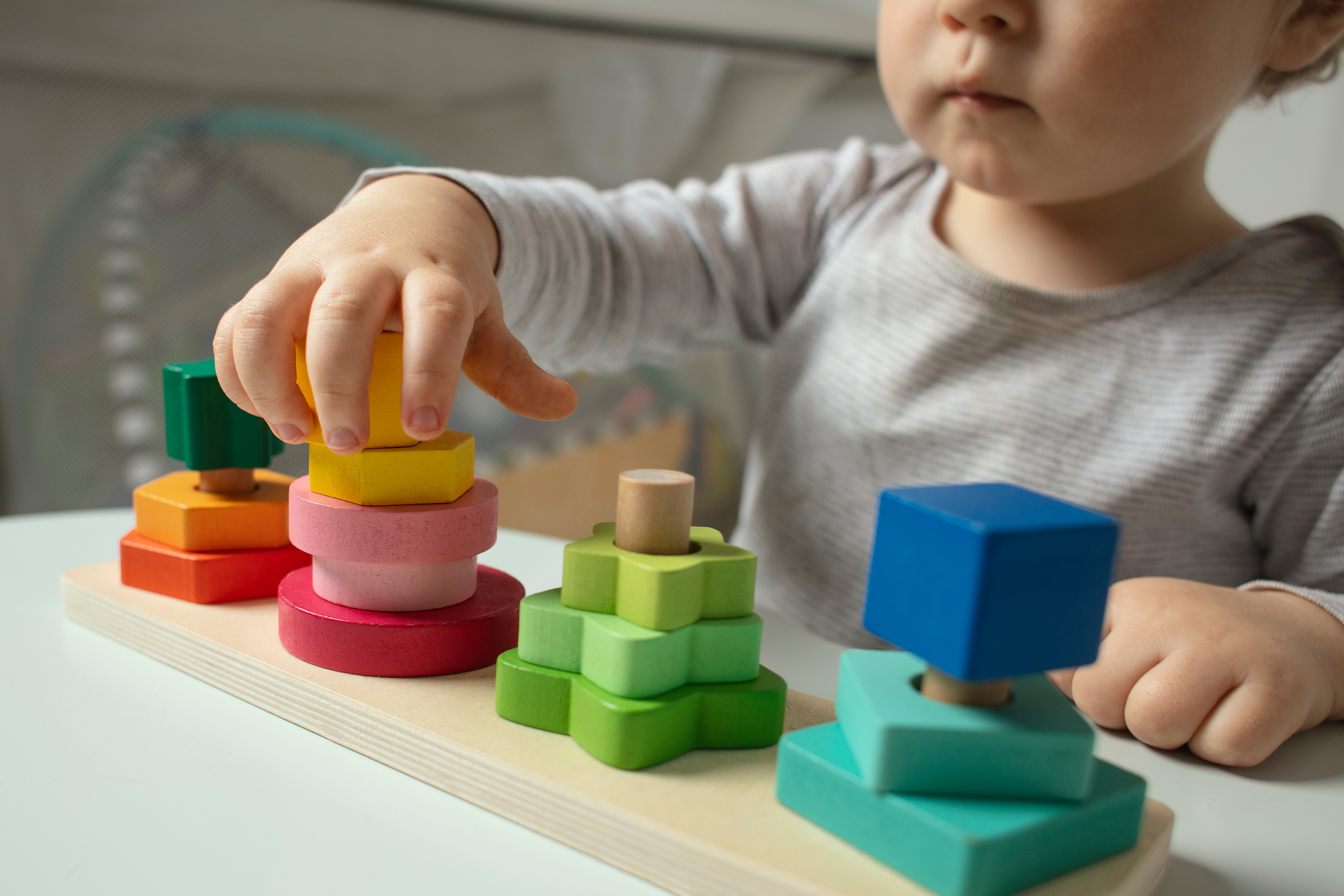




Pattern recognition is a vital skill for young children, particularly between ages 3 to 5, as it lays the foundation for critical thinking and problem-solving. At this developmental stage, children become more aware of their surroundings and can begin to identify similarities and differences, enabling them to grasp concepts in various subjects such as math, science, and literacy.
For parents and teachers, nurturing pattern recognition helps enhance cognitive abilities. Children learn to predict outcomes, categorize information, and understand sequences, which are essential skills for their future academic success. Engaging children in activities that promote this skill—such as sorting objects, completing patterns, or exploring rhythms in music—cultivates their creativity and analytical thinking.
Moreover, developing pattern recognition fosters confidence in children. It allows them to feel accomplished when they successfully identify patterns, which can positively impact their self-esteem. As they progress to more complex concepts, their early experiences with patterns will serve as valuable building blocks, aiding in their overall learning journey.
Ultimately, supporting pattern recognition in early childhood encourages a love of learning, preparing children for the challenges of school and life. Thus, it is crucial for parents and teachers to prioritize this skill.








