Logical Reasoning Building Vocabulary Worksheets for Ages 3-5
7 filtered results
-
From - To
Unlock your child’s potential with our engaging Logical Reasoning Building Vocabulary Worksheets designed for ages 3-5! These worksheets foster essential cognitive skills through fun activities that encourage critical thinking and problem-solving. Young learners will explore language concepts while enhancing their vocabulary in a playful and interactive manner. Our resources feature colorful illustrations and easy-to-follow exercises that keep children motivated and excited about learning. Perfect for parents and educators, these worksheets provide an effective way to prepare little ones for reading success. Start cultivating your child’s logical reasoning and vocabulary skills today for a brighter educational journey!
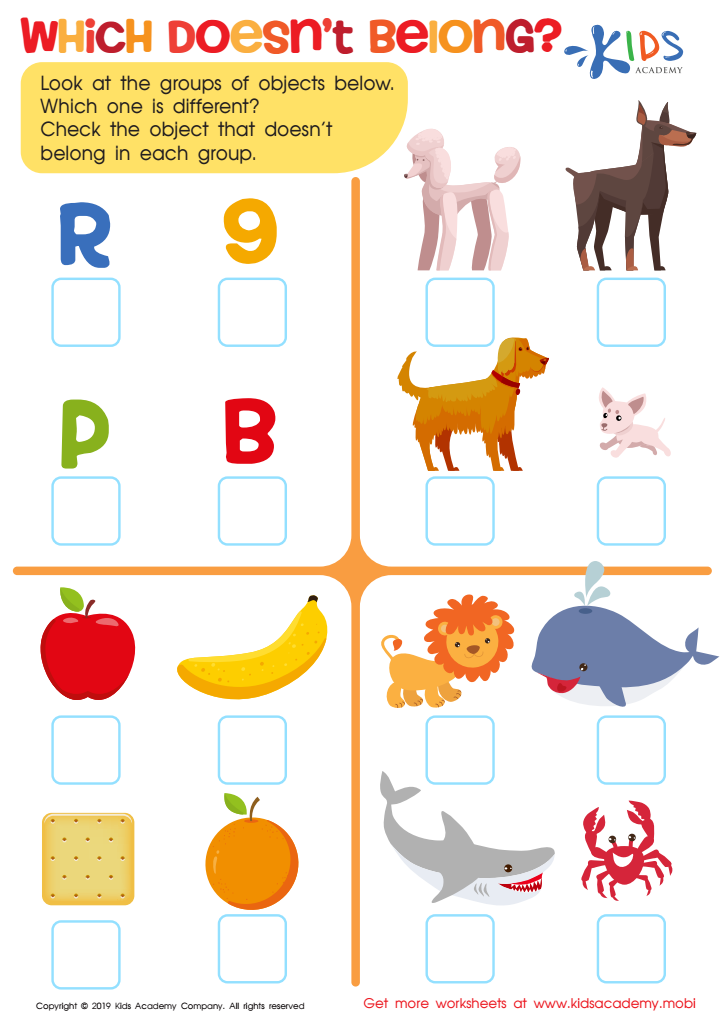
Which Doesn't Belong? Worksheet
 Assign to My Students











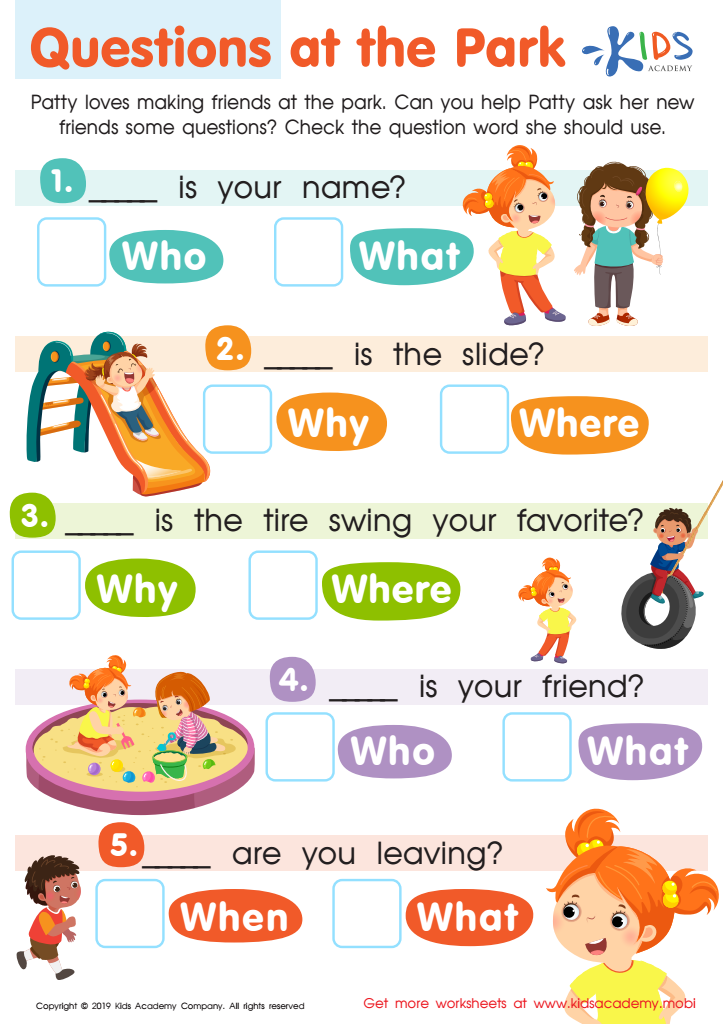
Questions at the Park Worksheet
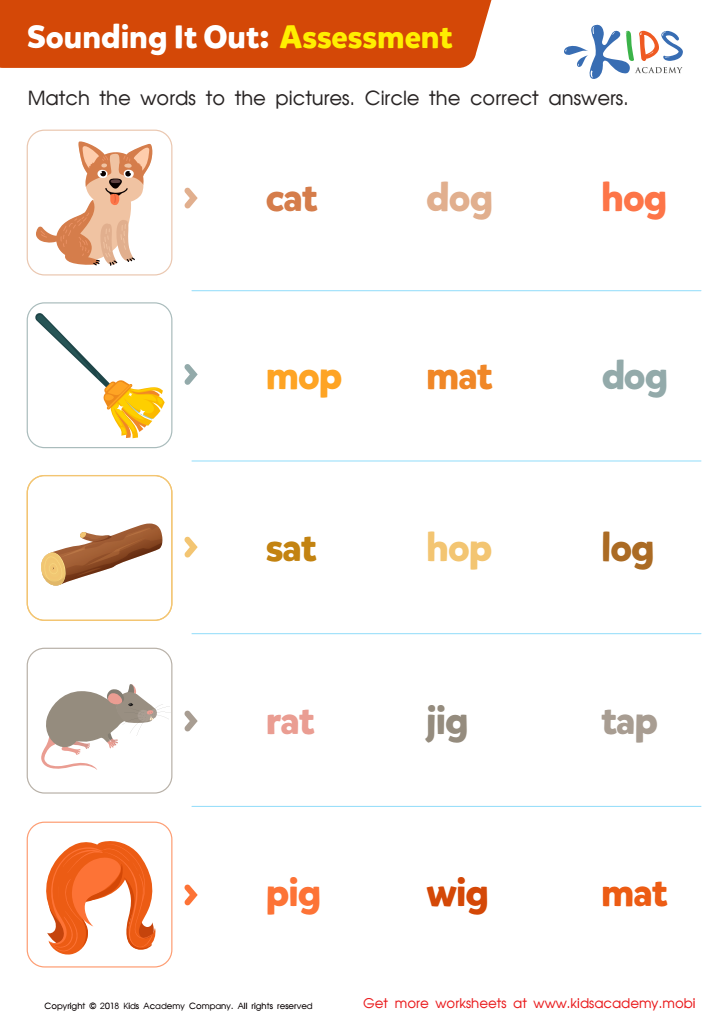
Sounding it Out: Assessment Worksheet
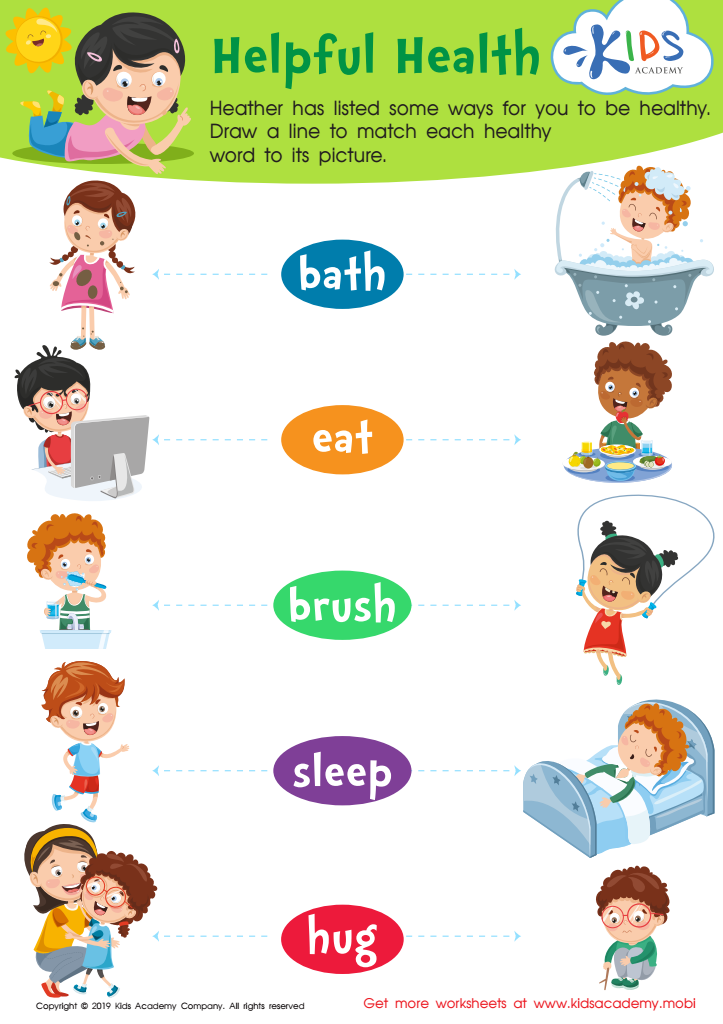
Helpful Health Worksheet
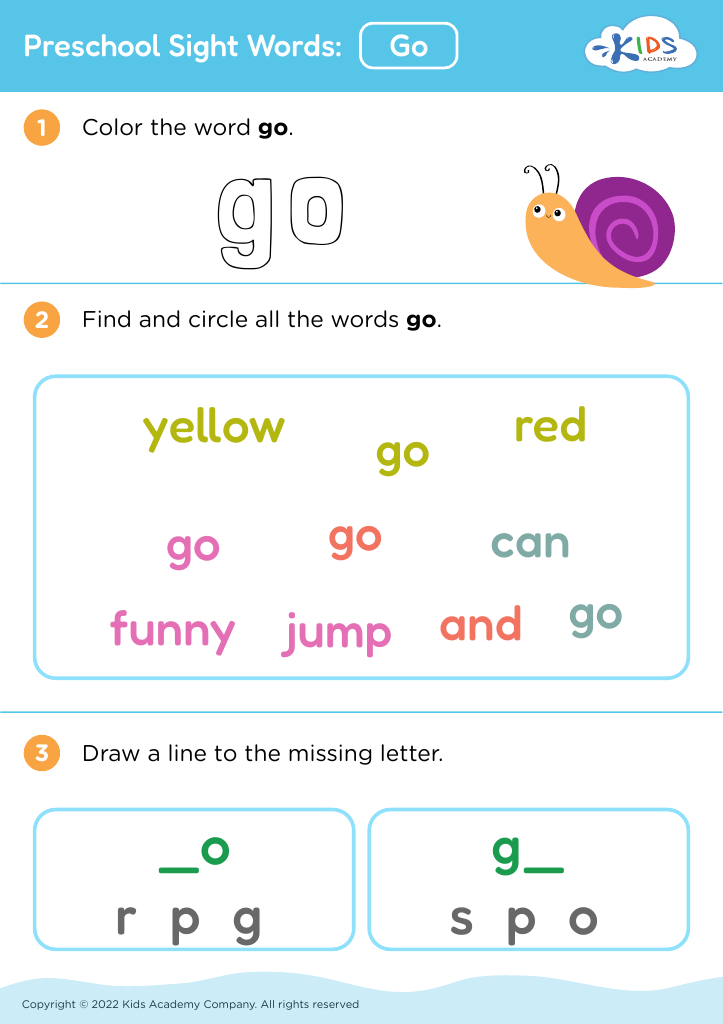
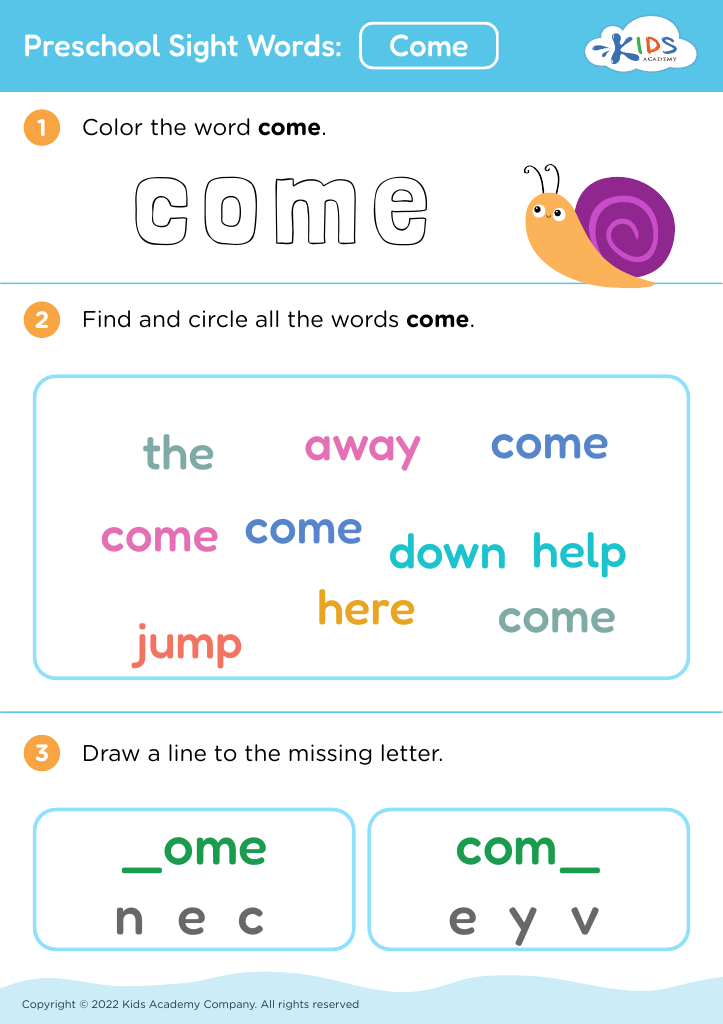
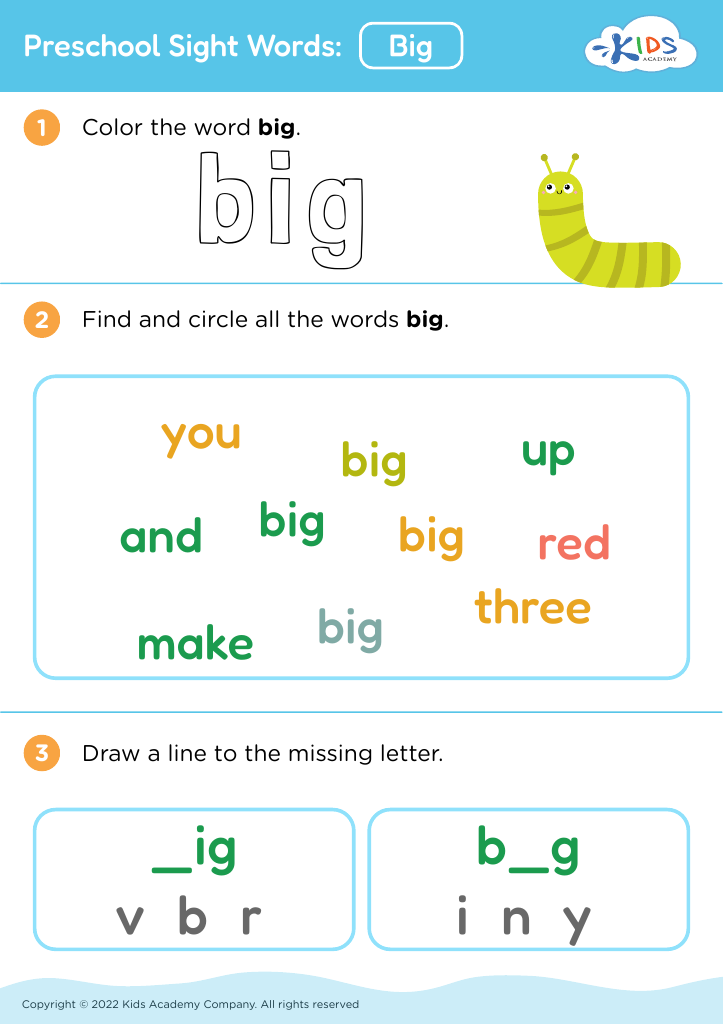





.jpg)


Logical reasoning and vocabulary development are critical components of early childhood education, particularly for children aged 3-5. At this formative age, children begin to structure their thoughts and understand their world, making it vital for parents and teachers to prioritize these skills.
Logical reasoning helps children learn to analyze, evaluate, and solve problems, laying the groundwork for critical thinking. Engaging in activities that challenge their reasoning abilities, such as puzzles or pattern identification, not only promotes cognitive development but also boosts confidence as they find solutions.
Building vocabulary is equally essential during these years. A rich vocabulary equips children with the language skills necessary for communication and comprehension. It enhances their ability to express thoughts, feelings, and ideas, fostering better interactions with peers and adults. Additionally, a strong vocabulary contributes to reading readiness and comprehension later on.
When parents and teachers actively support these skills through storytelling, conversations, and playful learning activities, they create a stimulating environment that encourages curiosity and exploration. Investing in logical reasoning and vocabulary at this early stage can profoundly impact a child's academic success and lifelong learning journey. Ultimately, these foundational skills are essential for developing well-rounded, confident individuals.








