Filters

13 filtered results

Clear all filters
Favorites
With answer key
Interactive

13 filtered results

Difficulty Level

Grade


Enhance your child's early learning experience with our "Problem-Solving Skills Building Vocabulary Worksheets" designed specifically for ages 3-5. These engaging and interactive worksheets help young learners develop critical problem-solving abilities while expanding their vocabulary. Each activity is tailored to foster cognitive skills through playful challenges, making learning fun and effective. Children will explore new words in context, strengthen comprehension, and improve their ability to think creatively and critically. Ideal for use at home or in the classroom, these worksheets provide a solid foundation for future academic success. Equip your child with essential skills while nurturing a love for learning!

Check out this FREE Trial Lesson on Building Vocabulary for age 3-5!

Distinguish Shades of Meaning Among Verbs Describing the Same General Action by Acting out the Meanings

Favorites
With answer key
Interactive
  • 3-5
  • Problem-Solving Skills
  • Building Vocabulary
The Migration Maze Worksheet

The Migration Maze Worksheet

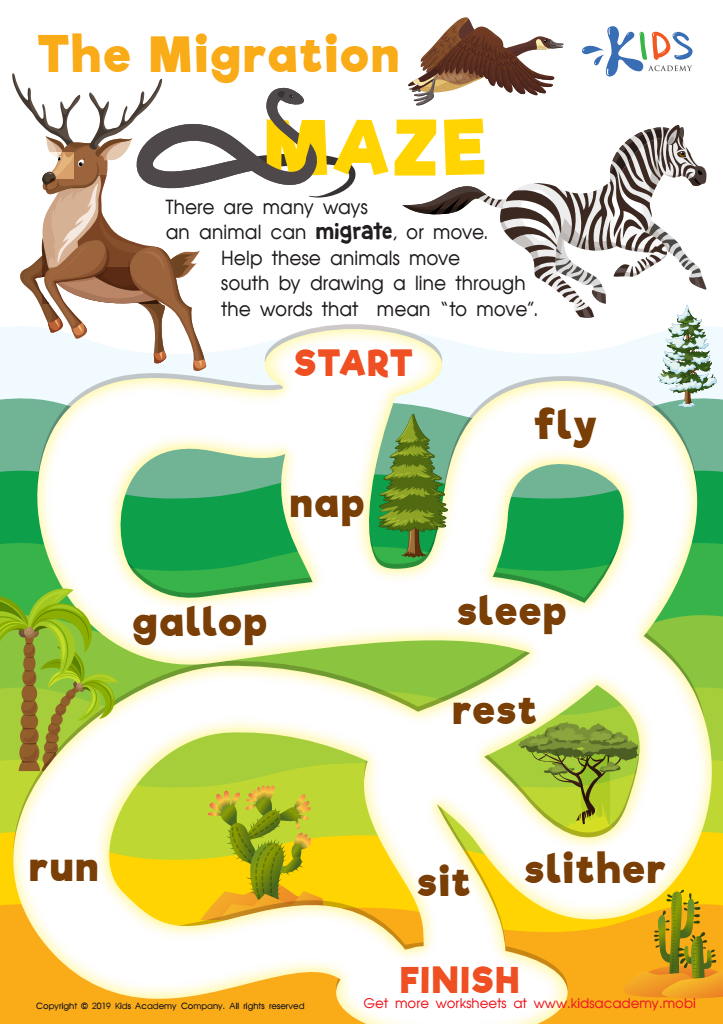
Animals migrate for various reasons, from weather to food. This free download is a fun way for kids to learn about the different migration methods, such as slithering or flying. Help your little adventurer guide the animals through the maze to the finish line!
The Migration Maze Worksheet
Worksheet
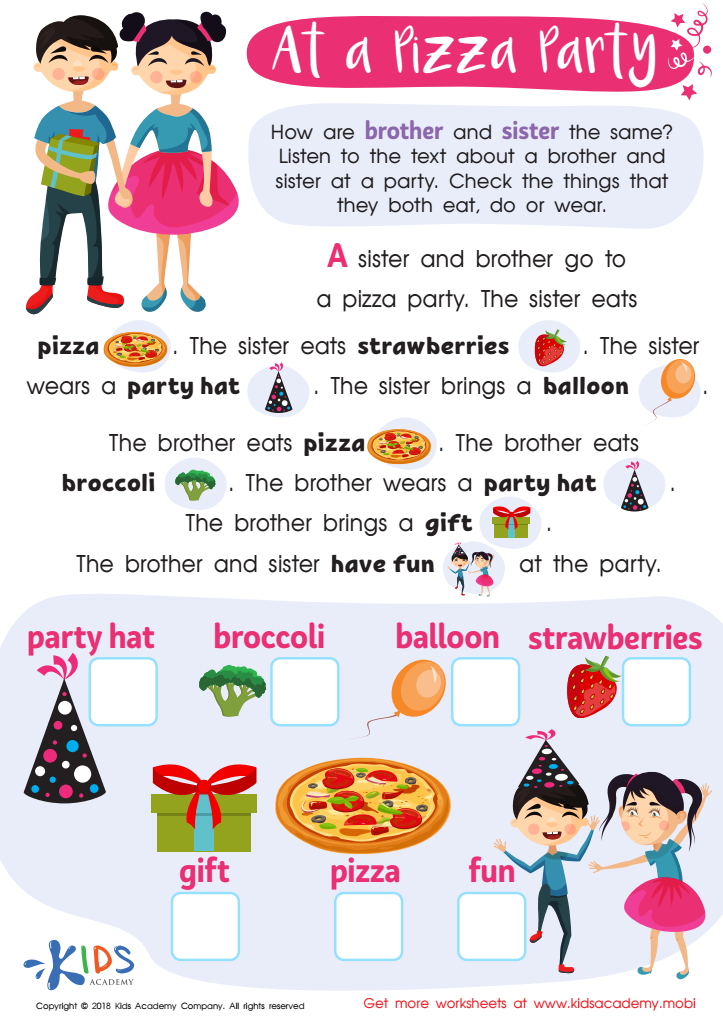
At a Pizza Party Worksheet

At a Pizza Party Worksheet

Parties are the best! Eating, playing, singing, dancing and gift-exchange - what's your child's fave part? In this worksheet, a brother and sister are eager to enjoy their party. Read the text to them and help them check what they do, eat, and wear. 80 words.
At a Pizza Party Worksheet
Worksheet
Which Doesn't Belong? Worksheet

Which Doesn't Belong? Worksheet

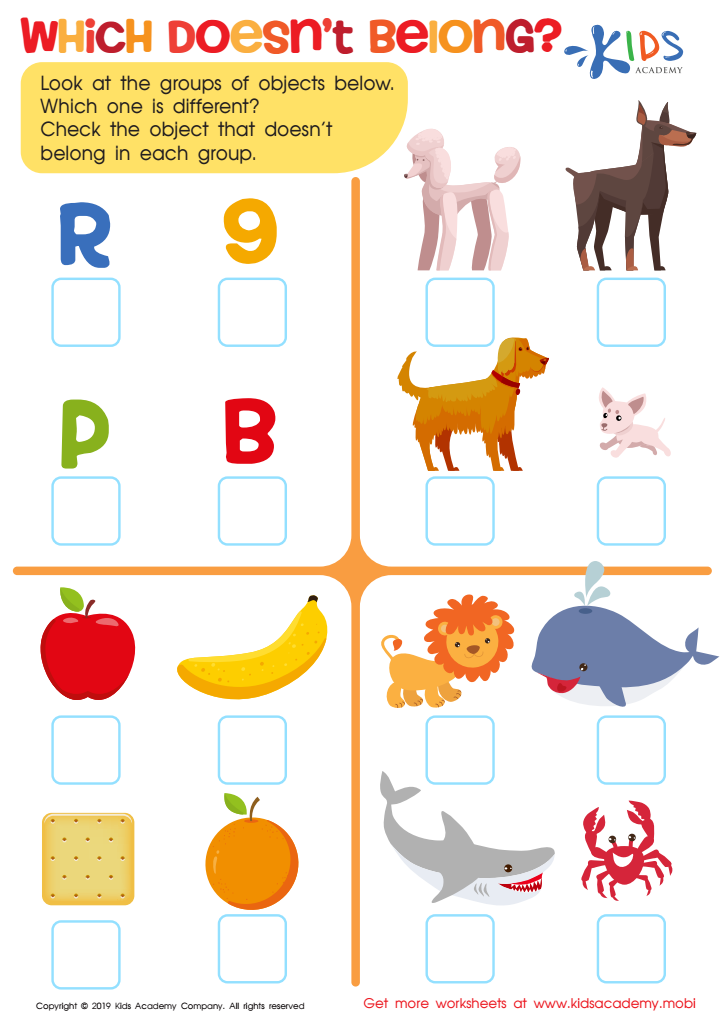
This engaging worksheet helps preschoolers recognize similar and different attributes of common words, using brightly-colored pictures. They analyze the items in each category and check off what is different. For extra practice, have them explain their reasoning verbally! Sorting and classifying are important skills to learn.
Which Doesn't Belong? Worksheet
Worksheet
Where Is the Ant? Worksheet

Where Is the Ant? Worksheet

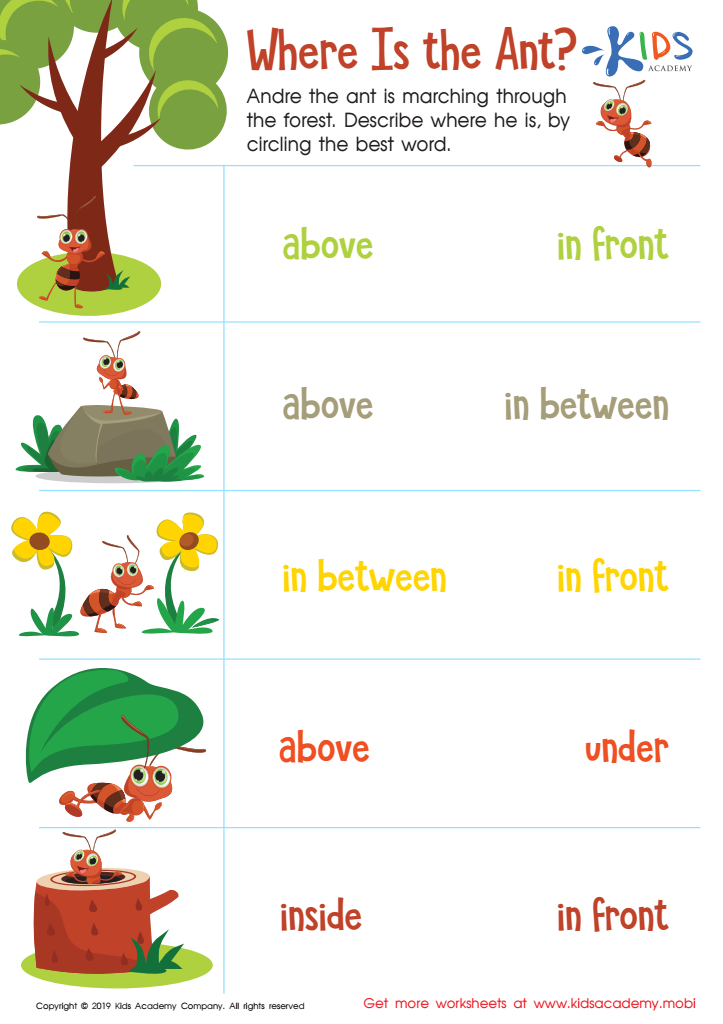
Kids are captivated by ants. Andre is a busy ant, marching through the forest. Help your child circle the best word that best describes what he's doing in each picture. This colorful printout will show them the way.
Where Is the Ant? Worksheet
Worksheet
The Movement Maze Worksheet
The Movement Maze Worksheet
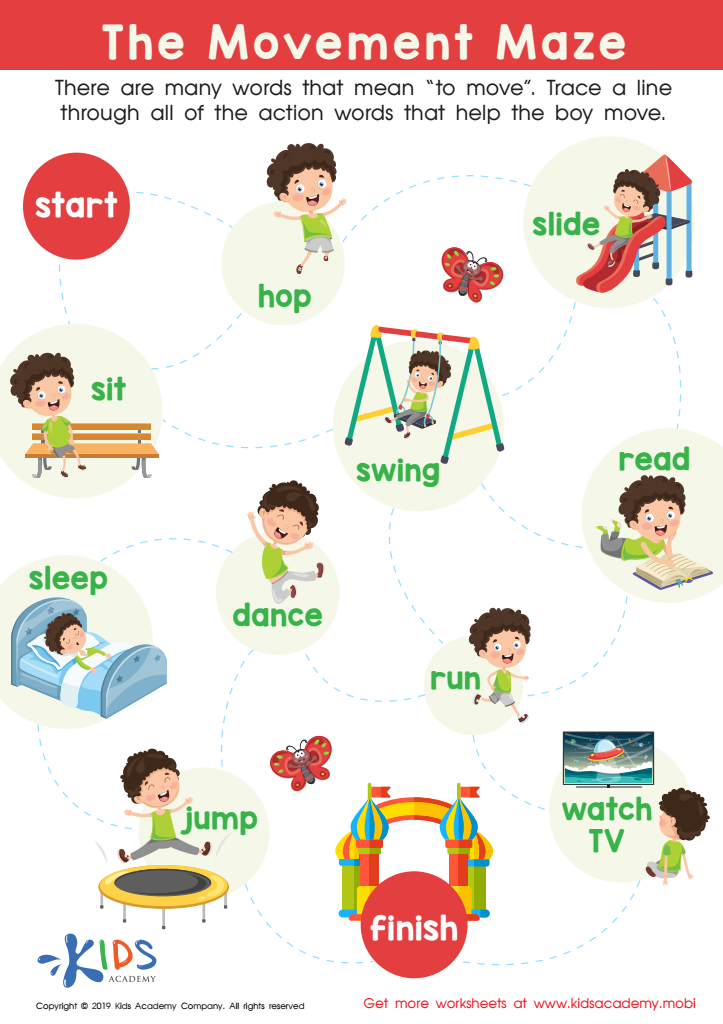
Let your child have fun with this interactive PDF download. Kids will learn movement words with cute pictures, plus practice fine motor skills as they trace. A fun way to reinforce vocabulary. Jump, hop and sit – it's all here!
The Movement Maze Worksheet

Worksheet
Kindergarten Sight Words: Under

Kindergarten Sight Words: Under

Kindergarten Sight Words: Under
Worksheet
Kindergarten Sight Words: Too

Kindergarten Sight Words: Too

Kindergarten Sight Words: Too
Worksheet
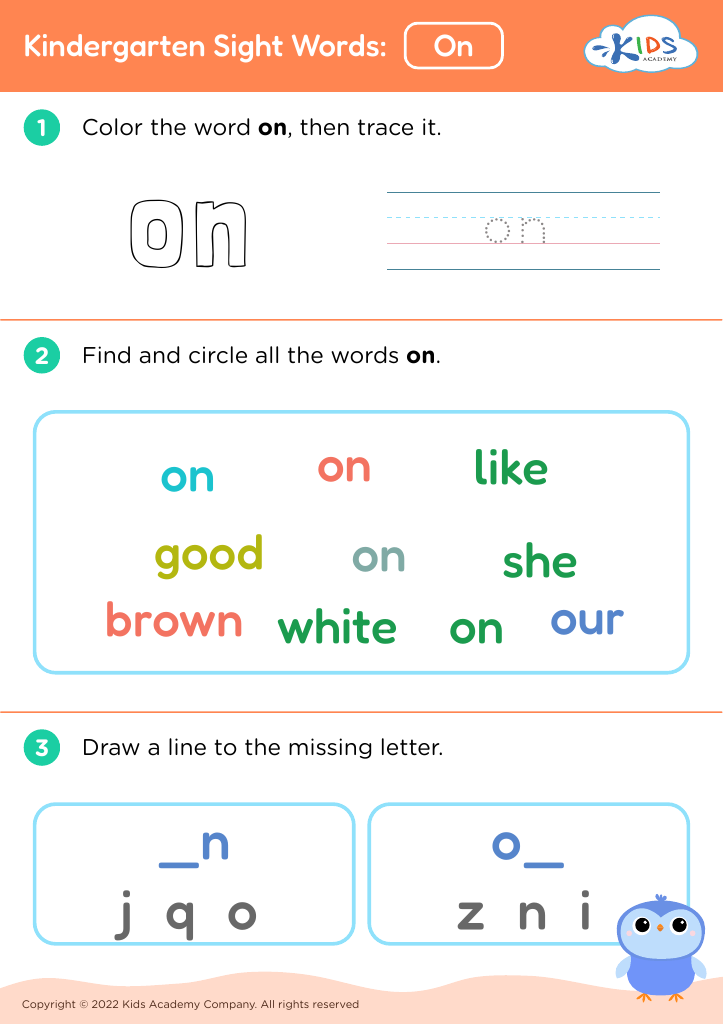
Kindergarten Sight Words: On

Kindergarten Sight Words: On

Kindergarten Sight Words: On
Worksheet
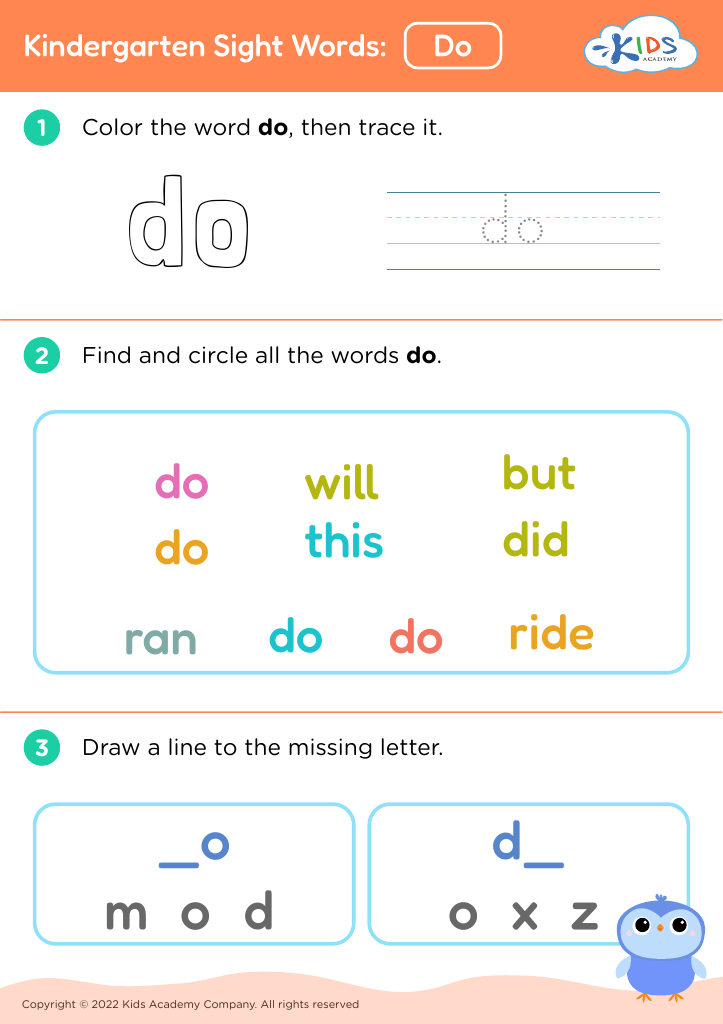
Kindergarten Sight Words: Do

Kindergarten Sight Words: Do

Kindergarten Sight Words: Do
Worksheet
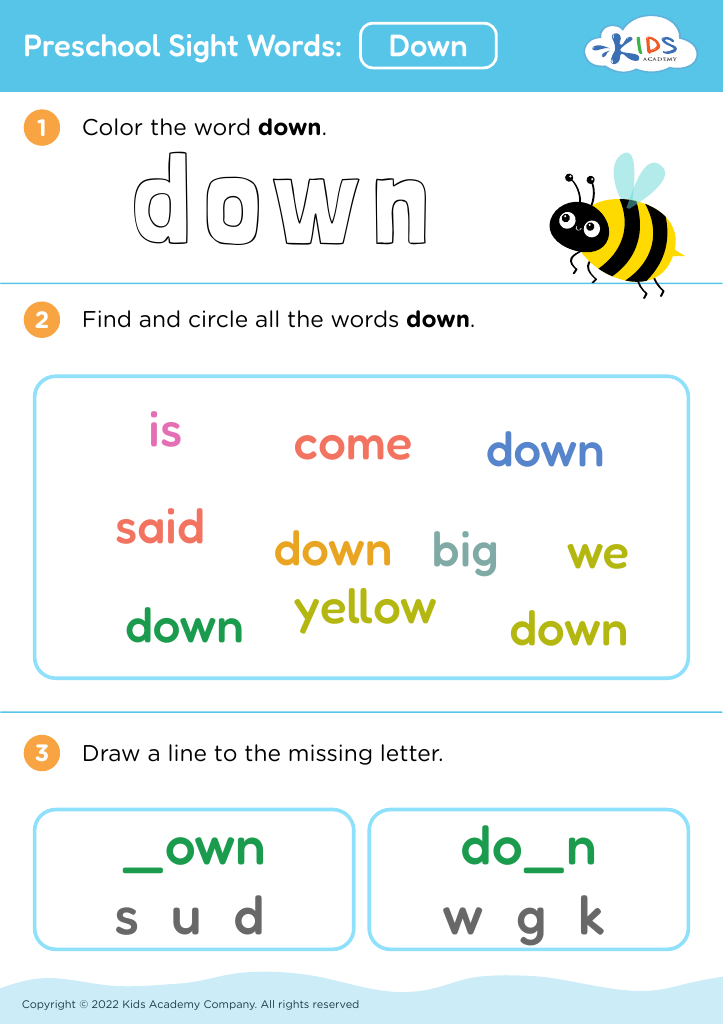
Preschool Sight Words: Down

Preschool Sight Words: Down

Preschool Sight Words: Down
Worksheet
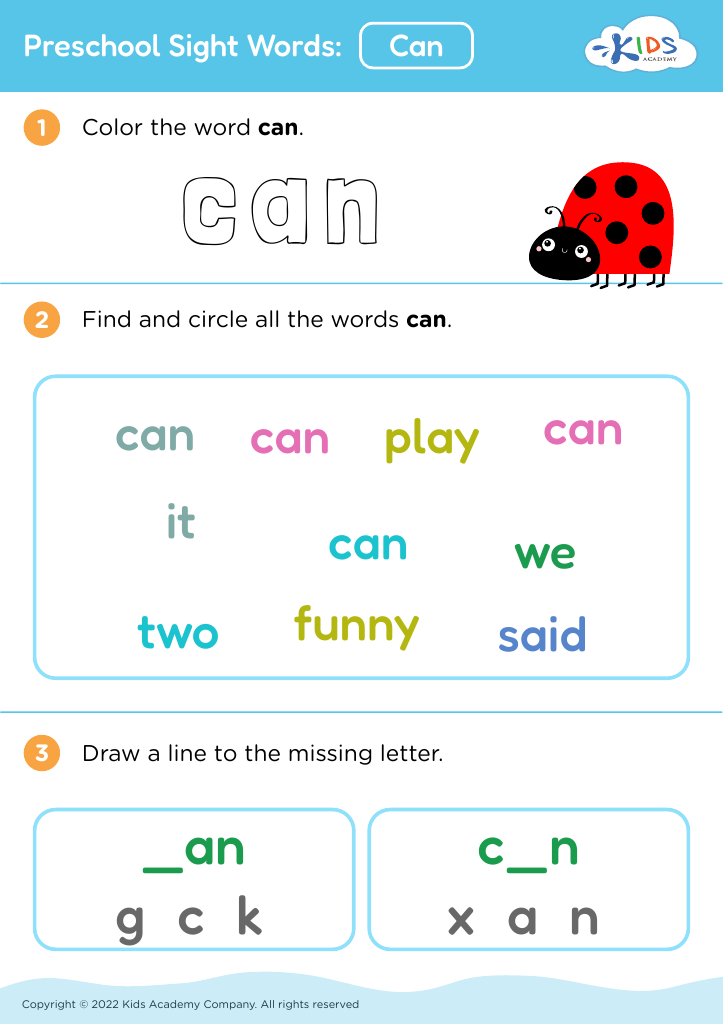
Preschool Sight Words: Can

Preschool Sight Words: Can

Preschool Sight Words: Can
Worksheet
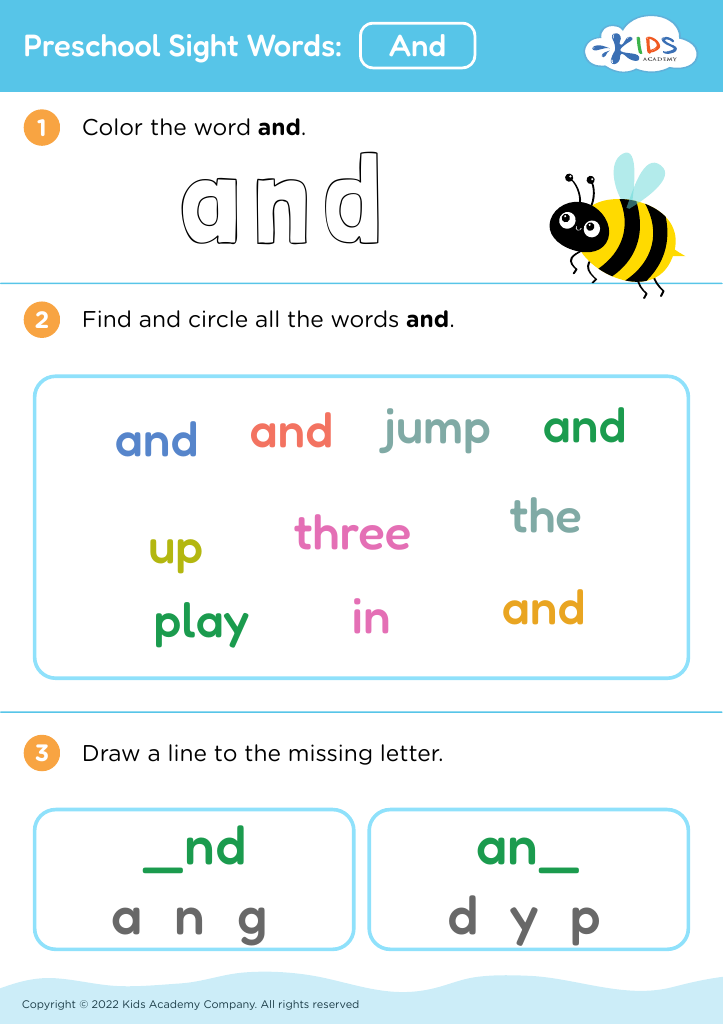
Preschool Sight Words: And

Preschool Sight Words: And

Preschool Sight Words: And
Worksheet
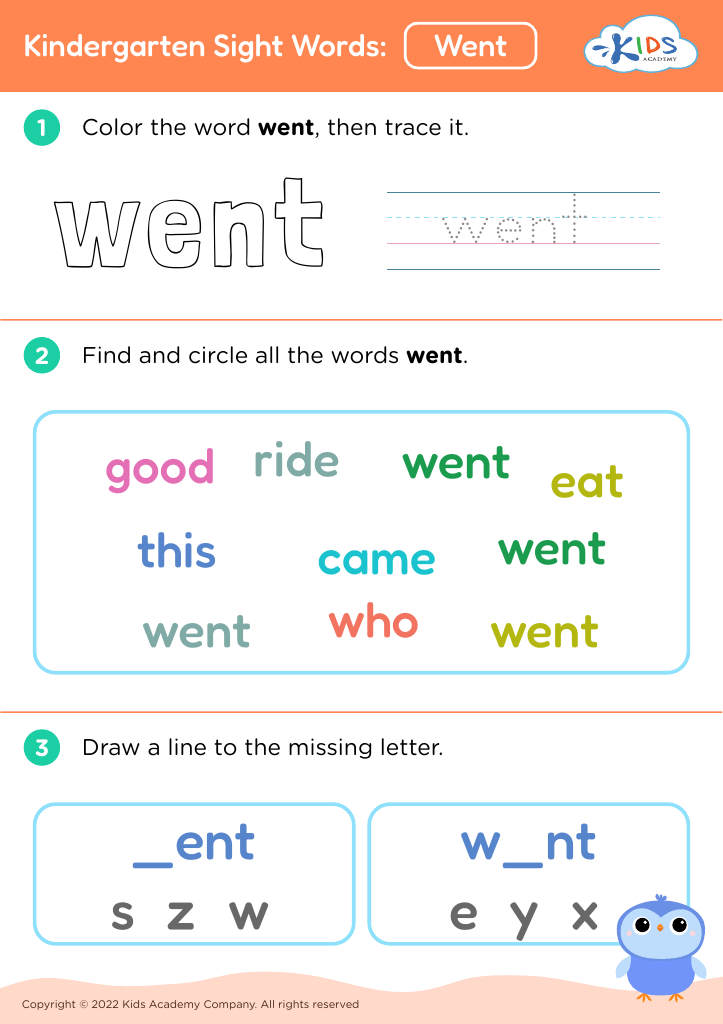
Kindergarten Sight Words: Went

Kindergarten Sight Words: Went

Kindergarten Sight Words: Went
Worksheet


Building problem-solving skills in young children, especially in the ages of 3-5, is crucial for their overall development. At this stage, children are naturally curious and eager to explore their environment, making it the perfect time to foster critical thinking. By focusing on problem-solving and vocabulary development simultaneously, parents and teachers can significantly enhance a child's cognitive abilities and communication skills.

Effective problem-solving helps children learn how to approach challenges, evaluate options, and make decisions, forming a foundational skill set that will benefit them throughout their lives. When children are guided to articulate their thoughts and feelings, they gain confidence in communicating their ideas, which can lead to better collaboration with peers, improved academic performance, and enhanced social skills.

Moreover, the vocabulary involved in problem-solving helps children express themselves clearly, engage in discussions, and articulate solutions. This combination not only promotes intellectual growth but also emotional resilience, as children learn to manage frustrations and uncertainties.

In today’s fast-paced world, equipping children with these foundational skills ensures they are better prepared for future academic and life challenges. Therefore, investing time in nurturing problem-solving skills and vocabulary during these formative years is an invaluable endeavor for both parents and educators.