Addition Practice Reading Worksheets for Ages 3-5
3 filtered results
-
From - To
Introduce young learners to the joys of math while nurturing their reading skills with our Addition Practice Reading Worksheets for ages 3-5. Designed specifically for preschool and kindergarten children, these worksheets blend engaging stories with simple addition tasks to boost both numeracy and literacy. Your child will enhance their number recognition, counting ability, and reading comprehension through enjoyable exercises. Perfect for at-home practice or supplementary classroom activities, our worksheets foster early learning in a fun, interactive way, preparing children for future academic success. Tailored for young minds, these resources turn learning into an adventure. Download and start practicing today!
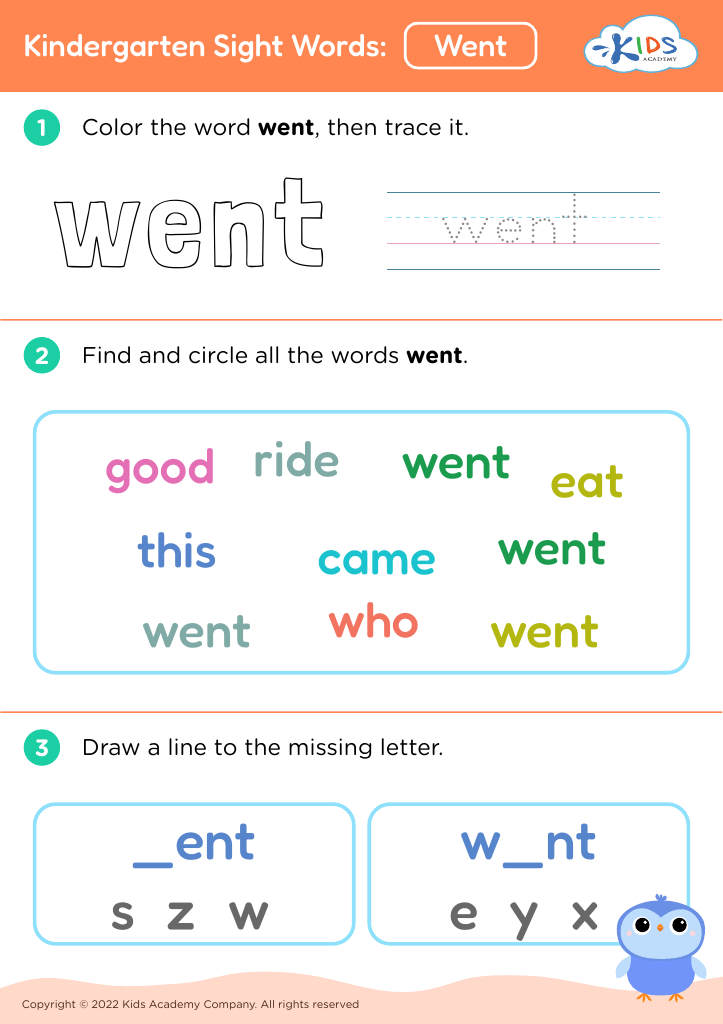
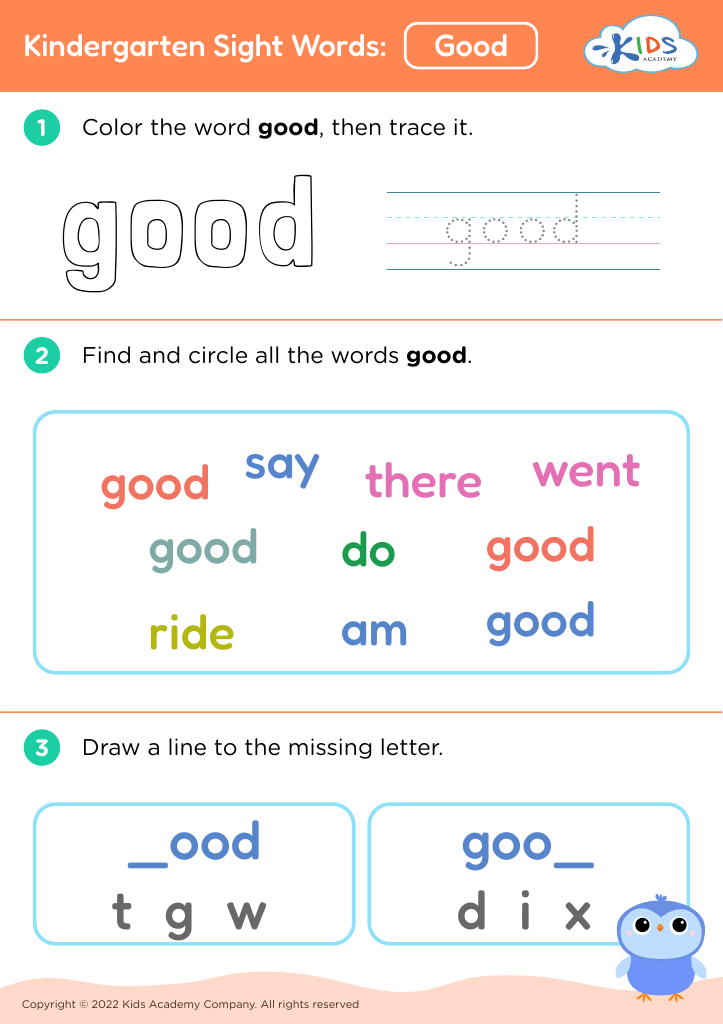
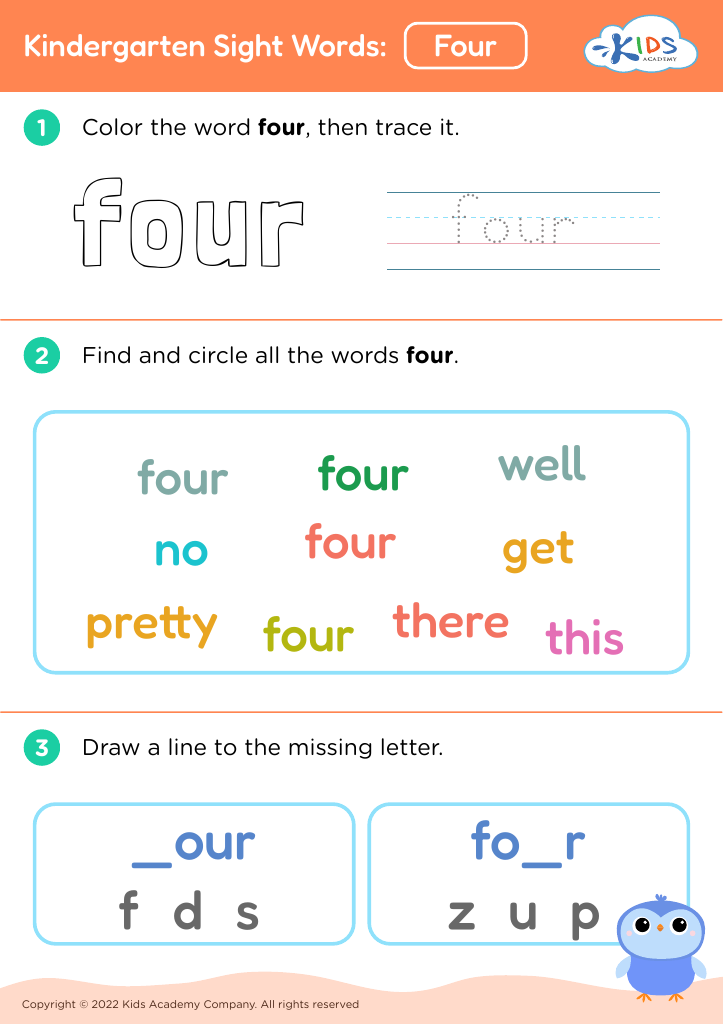







Addition practice reading for children aged 3-5 is crucial because it lays the groundwork for important skills fundamental to future learning. At this age, children's brains are exceptionally receptive to new information, making it an ideal time to introduce basic math and reading concepts. Engaging in these practices fosters cognitive development, including memory, problem-solving, and critical thinking skills.
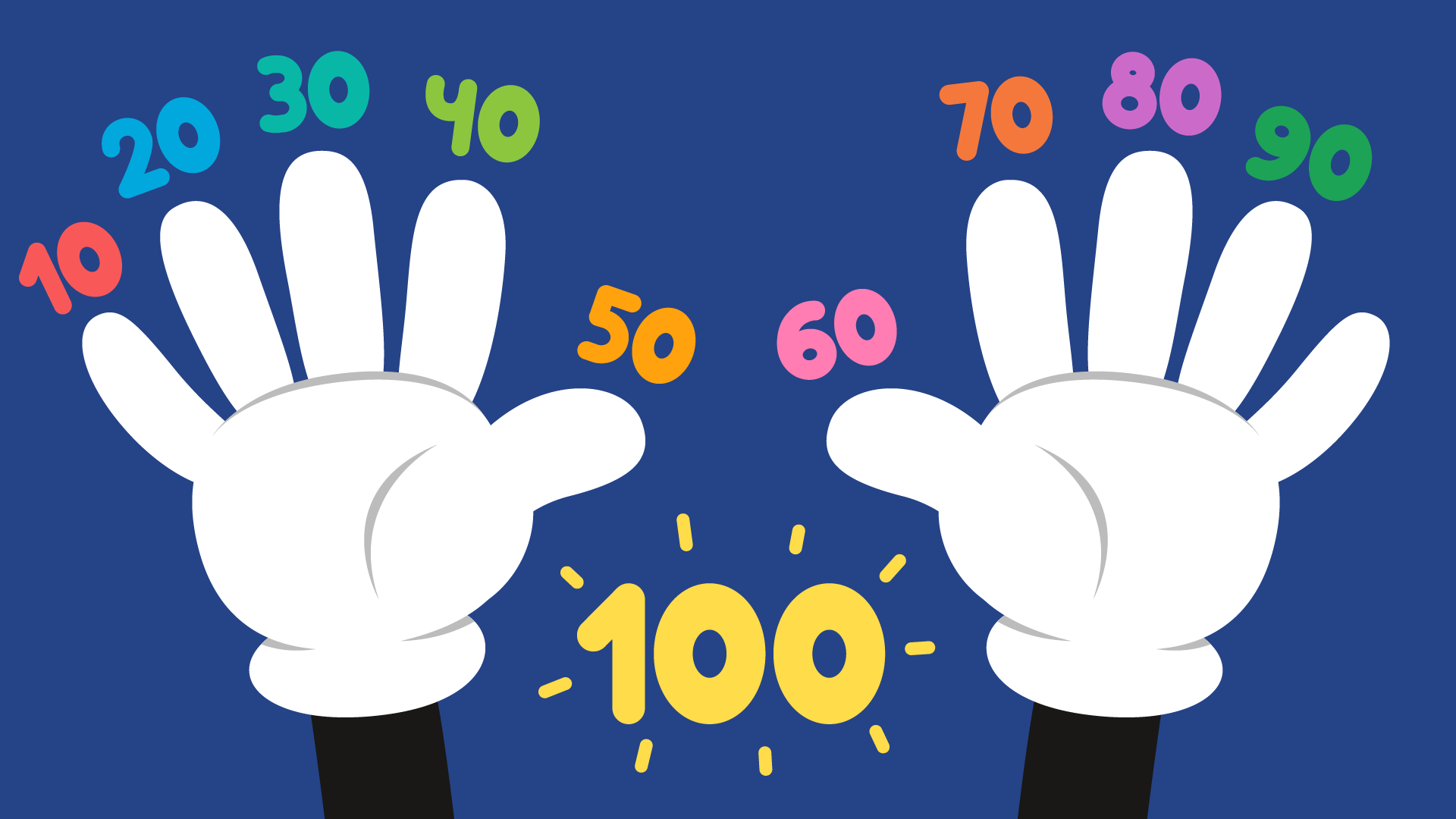
Early exposure to addition helps children gain a strong sense of numbers and their relationships, which is essential for more advanced math in school. When children practice reading and addition together, they also improve their language skills by understanding number-related vocabulary and following instructions. This combination of math and literacy activities engages multiple areas of the brain, making learning more holistic and effective.
For parents and teachers, focusing on these practices ensures that children develop a positive attitude towards learning from a young age. It builds confidence and excitement about discovering new things, setting the foundation for lifelong learning. In this context, using stories and practical activities can make learning fun and relatable. For instance, counting objects in storybooks or adding items during playtime demonstrates that math is not just a subject but a usable tool in everyday life. Thus, investing time in addition practice reading at ages 3-5 is a valuable step toward nurturing well-rounded, eager learners.








