Basic Addition Skills Reading Worksheets for Ages 3-5
4 filtered results
-
From - To
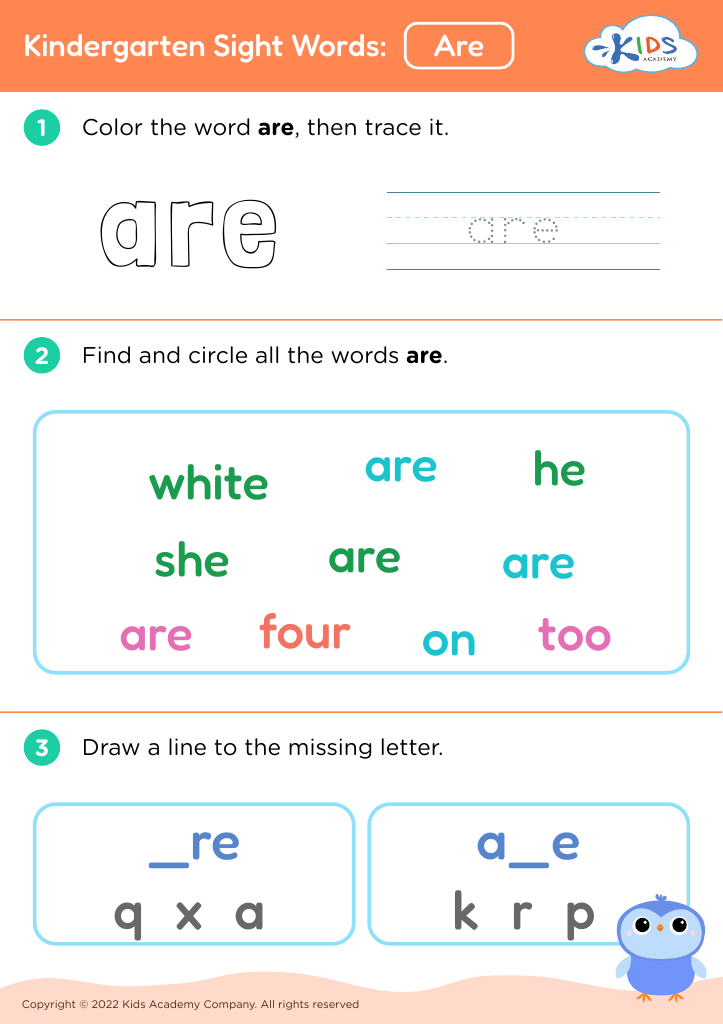
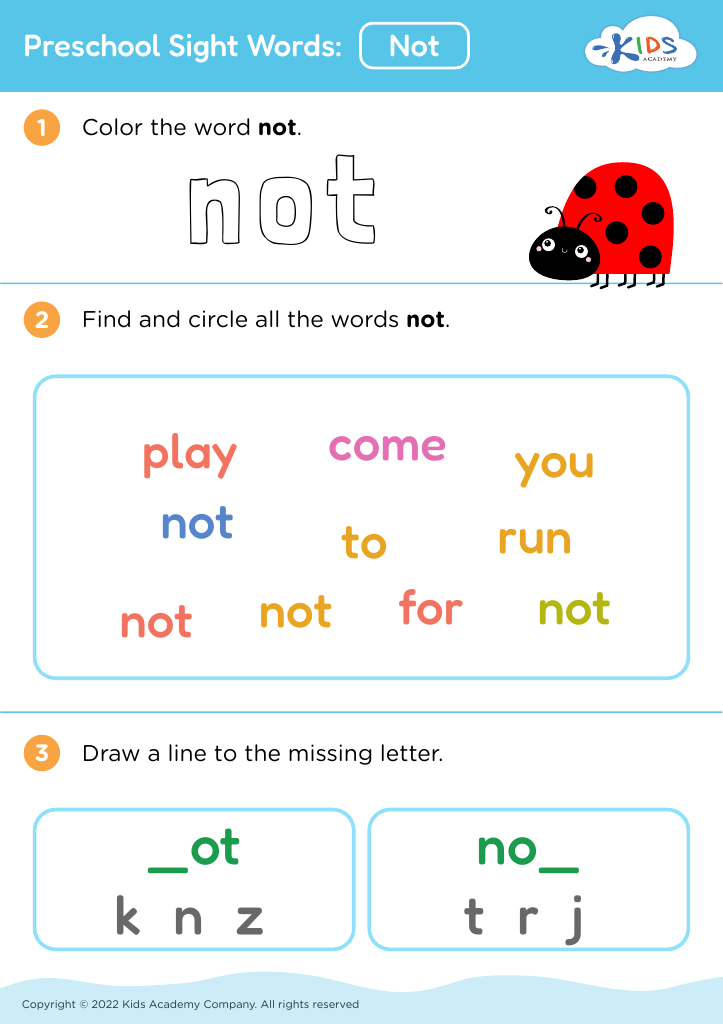
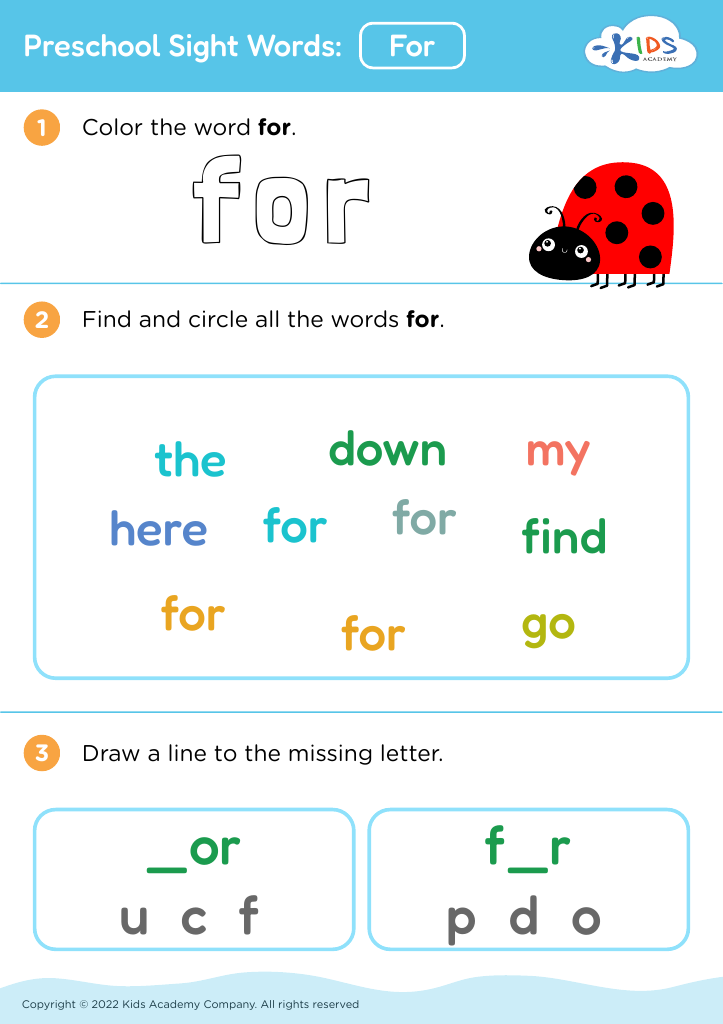
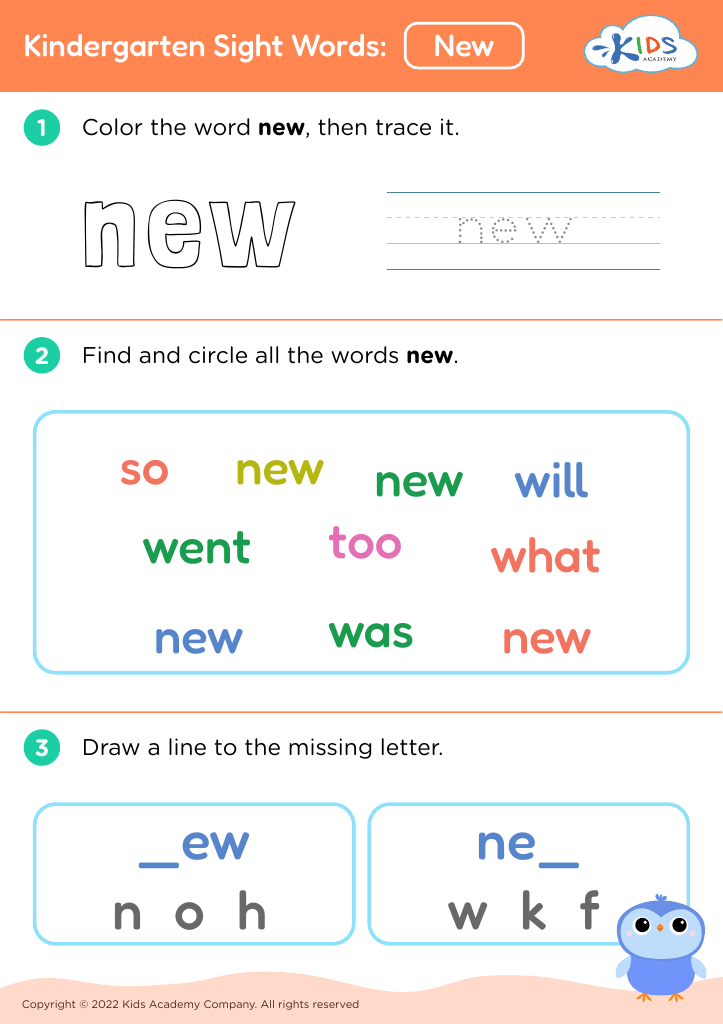
Enhance your child's early math skills with our Basic Addition Skills Reading Worksheets for Ages 3-5. Designed to make learning fun and engaging, these worksheets provide colorful illustrations and interactive activities that capture young learners' attention. By practicing simple addition concepts, children will develop foundational math skills while boosting their confidence. Each worksheet encourages exploration and problem-solving, perfect for preschoolers and kindergarteners. Ideal for parents and educators looking to support their children’s numeracy development at home or in the classroom. Download and print these worksheets to help your little ones embark on their exciting journey to mastering basic addition!








Parents and teachers should prioritize basic addition skills for children aged 3-5 because these foundational skills are critical for early mathematical development, which can influence overall academic success. At this age, children are naturally curious and can easily absorb new concepts, making it an ideal time to introduce mathematical ideas like addition through engaging and interactive activities.
Basic addition skills foster problem-solving abilities and logical thinking, which are essential for later academic achievement. These skills also encourage children to develop a sense of number sense and can enhance their confidence when tackling mathematical challenges. Additionally, early exposure to math through playful activities can lay the groundwork for a positive attitude towards learning, reducing potential math anxiety.
Moreover, teaching addition in a fun and engaging manner—like using toys, stories, or games—promotes social interaction and communication skills as children learn to express their thoughts and ideas. By embedding basic addition into daily routines, parents and teachers can effectively integrate math learning into life skills, which helps children understand the relevance of math in everyday situations. Investing in basic addition skills sets young children on a path for future academic success, autonomy, and empowered learning.








