Basic Math Skills Reading Worksheets for Ages 3-5
8 filtered results
-
From - To
Discover our engaging Basic Math Skills Reading Worksheets designed specifically for children aged 3-5. These worksheets provide a fun and interactive way to introduce essential math concepts, making learning enjoyable for your little ones. Each printable activity promotes early numeracy skills through games, puzzles, and colorful illustrations that capture children's attention. As they practice counting, number recognition, and simple addition, children will build a strong foundation for future math success. Perfect for both home and classroom use, these worksheets encourage independent learning and enhance reading skills. Start your child’s math journey today with our expertly crafted resources!
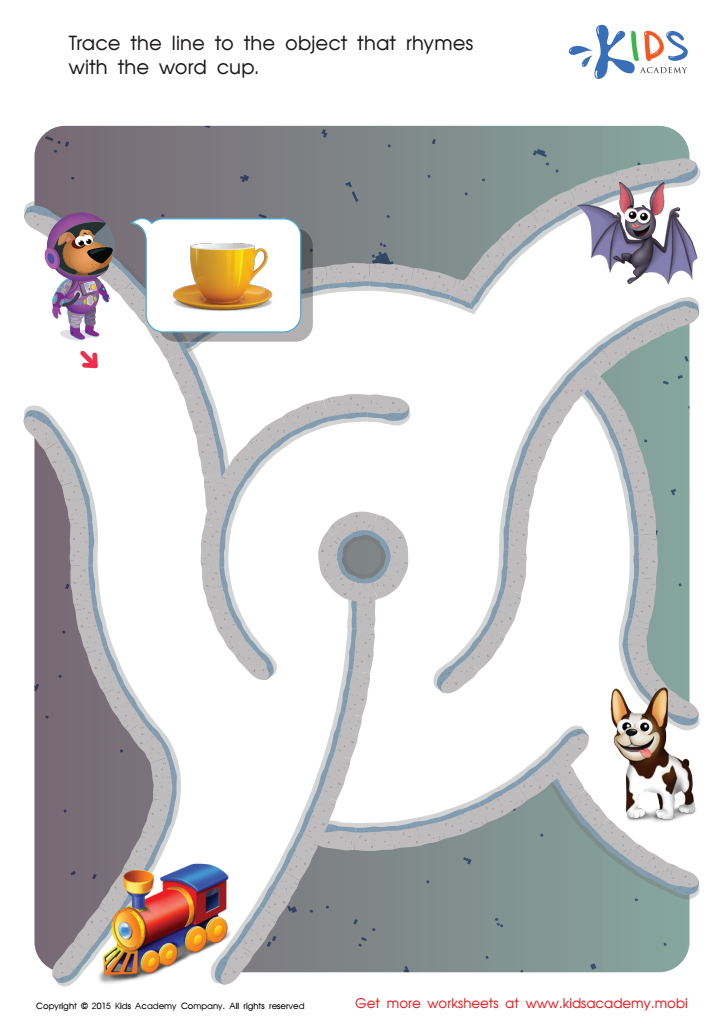
Cup Rhyming Words Worksheet
 Assign to My Students
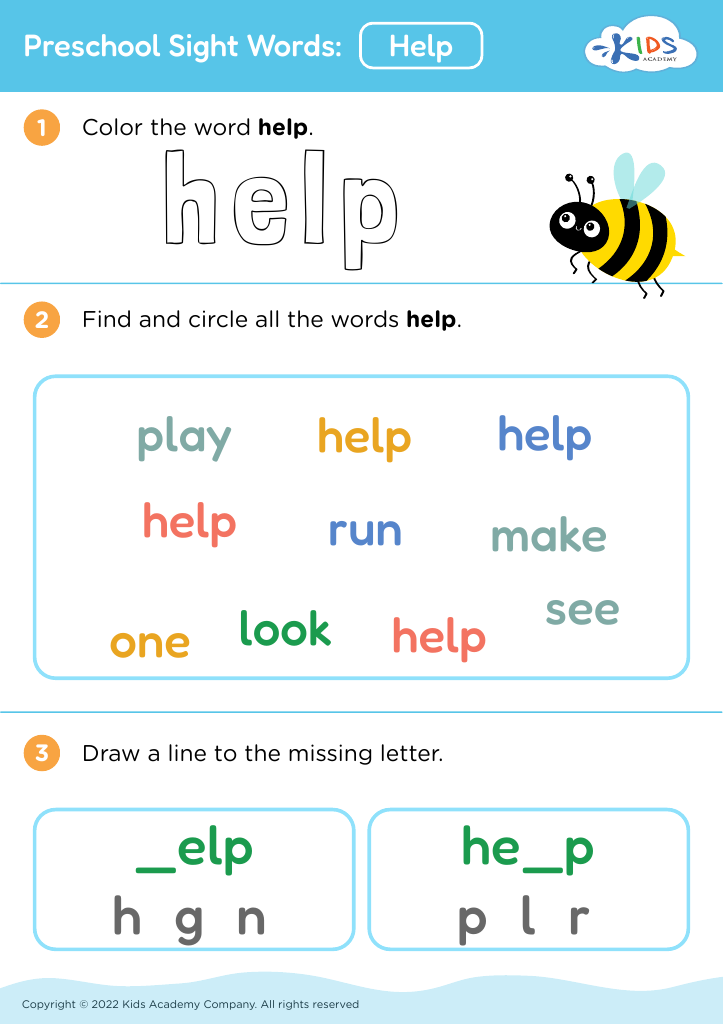
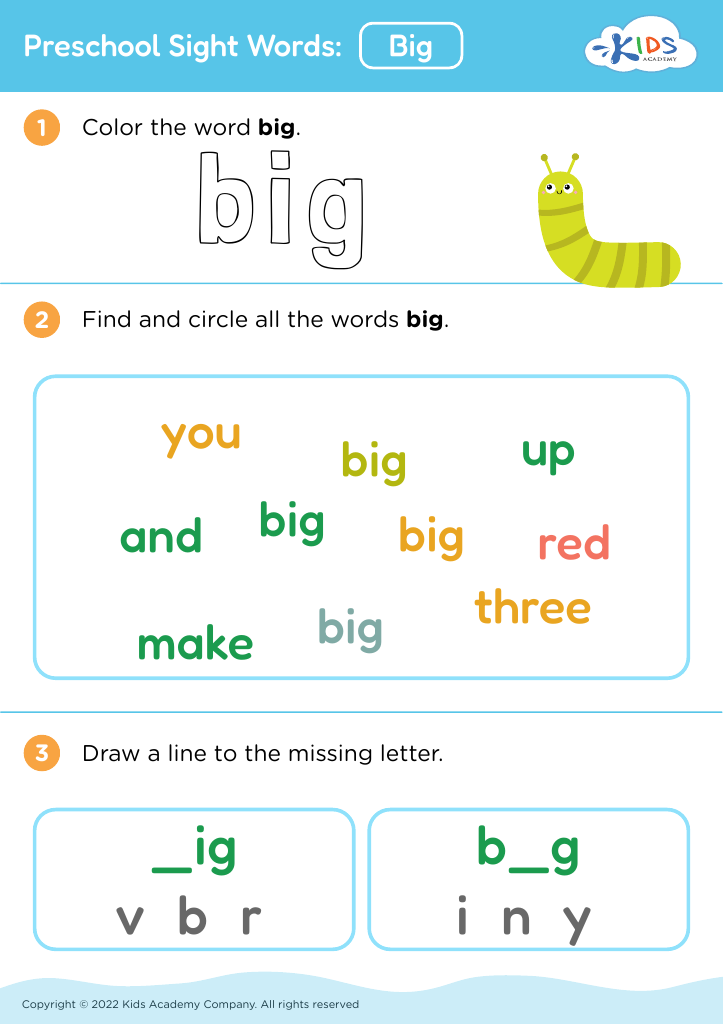
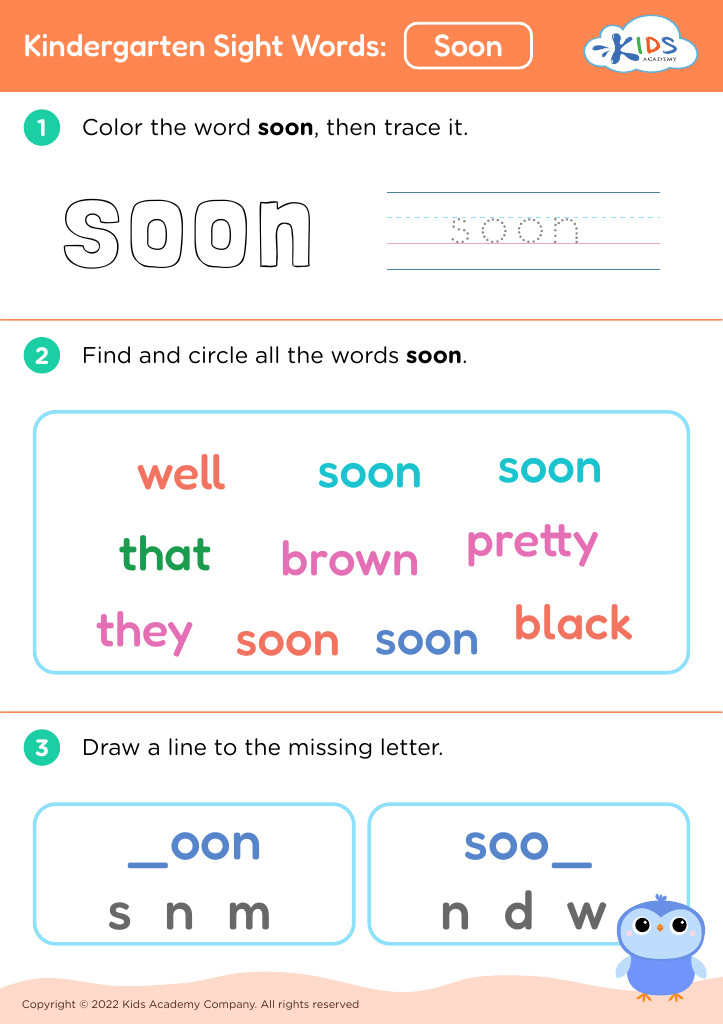
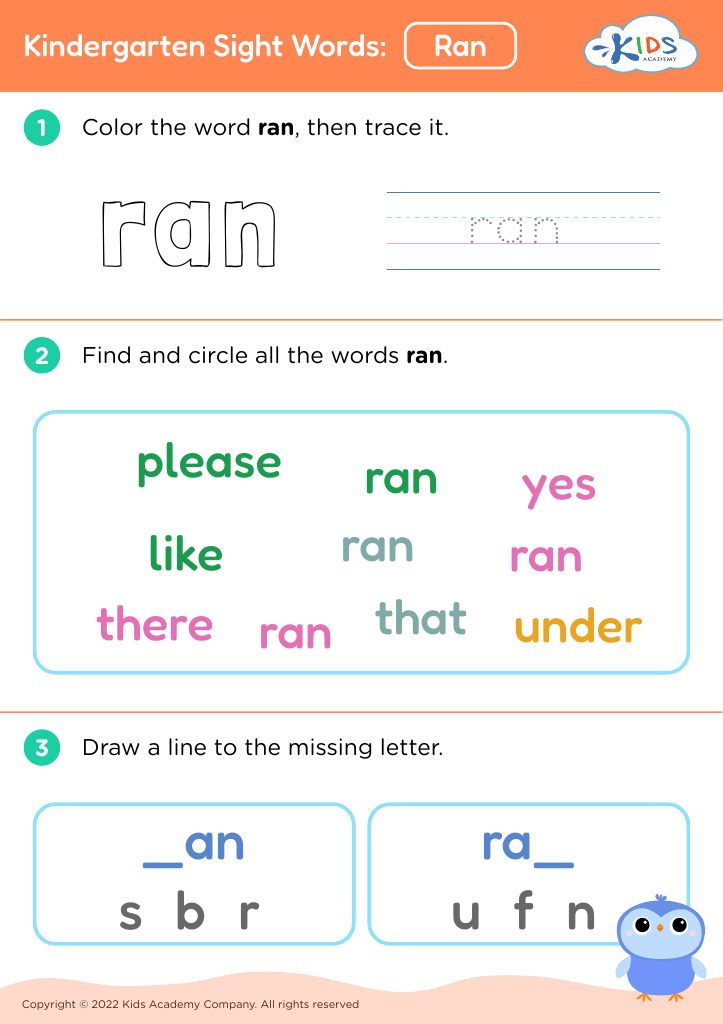
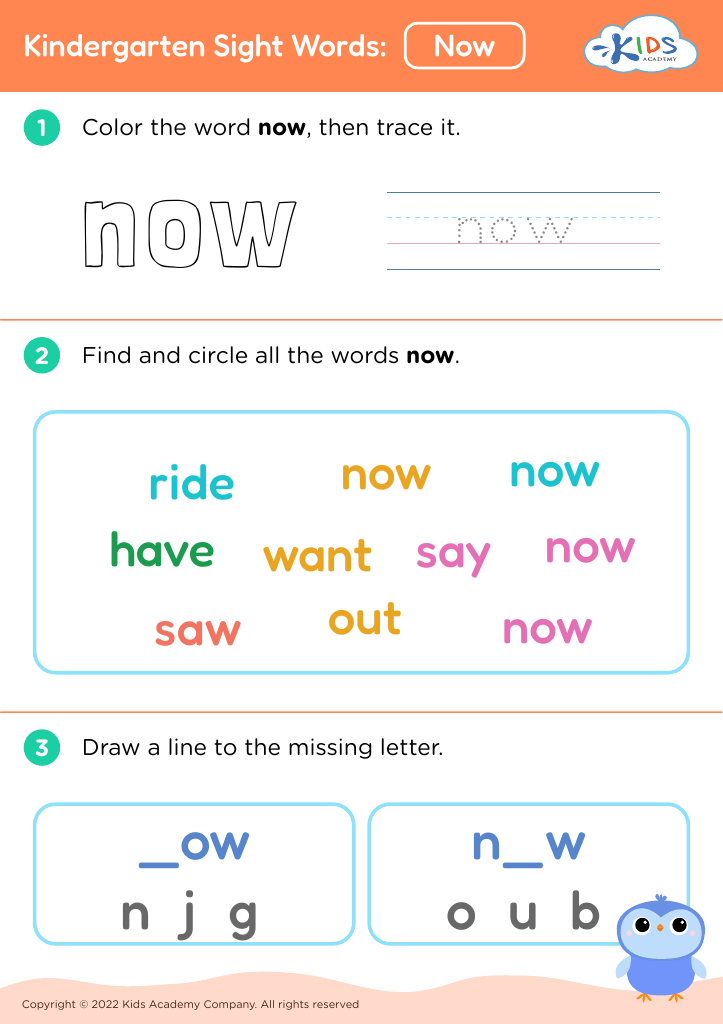
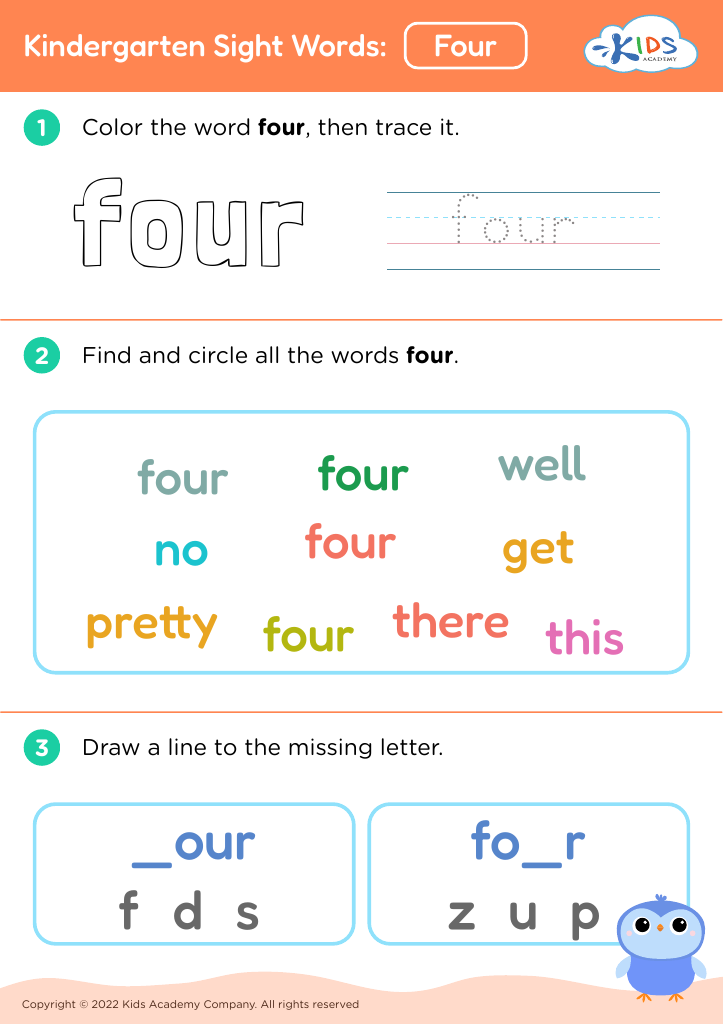
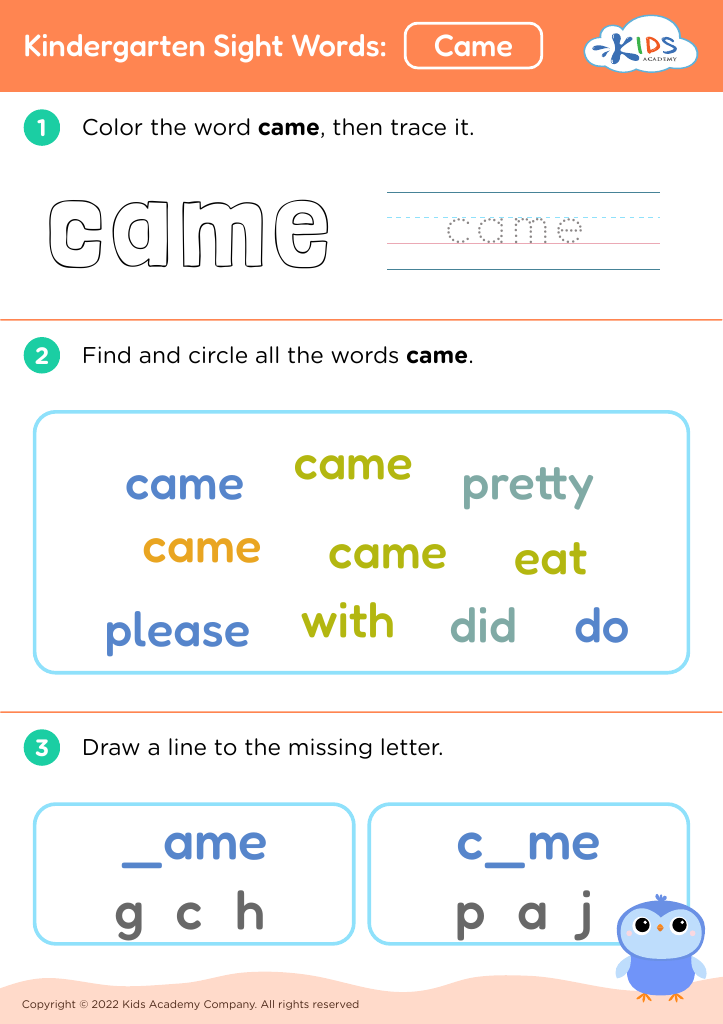








Basic math skills and reading development for children aged 3-5 are foundational aspects of early childhood education that significantly impact future academic success. During these formative years, children are like sponges, eagerly absorbing information and forming cognitive connections. Early exposure to math concepts, such as counting, sorting, and recognizing shapes, helps develop critical thinking and problem-solving skills. These skills are not only fundamental for academic achievement in subjects like mathematics but also apply to everyday life situations.
Simultaneously, fostering reading skills in young children supports language development, comprehension, and communication abilities, which are essential for navigating social interactions and learning environments. Engaging in stories encourages imagination and creativity, while phonemic awareness lays the groundwork for later reading proficiency.
By integrating math and literacy activities into daily routines, parents and teachers can create a rich learning environment. Simple games, storytelling, and hands-on activities can enhance both math and reading skills in fun and engaging ways. Investing time in nurturing these basic skills at an early age ensures that children build a solid foundation for lifelong learning, fostering a love for education and empowering them with the confidence to tackle more complex concepts as they grow. Thus, an active role in this early learning phase is crucial for optimal development.








